1. Trinity College & Book of Kells

Protect a confirmed Old Library/Book of Kells slot. Read exactly which ticket you buy: the digital Pavilion experience is not included in every option.
Ireland / Time to enjoy the stops
A week along one connected southeast-and-south corridor, using three bases and distinct city, coastal and harbour days.
This is a selected Ireland route, not the entire island in seven days. It excludes the west coast, Kerry and Northern Ireland rather than offering brief drive-through versions of them.
Before you start: Assumes a Dublin start and Cork finish, with international arrival/departure buffers separate. A Dublin return flight requires a separately checked transfer or an added night.
The first part of the day has the firmer appointment, so book Trinity before fixing anything else. The museum is a separate afternoon visit, with space between them for lunch and ordinary city streets. This is deliberately a south-centre day: it leaves the Docklands and the western museums for other days.
Protect a confirmed Old Library/Book of Kells slot. Read exactly which ticket you buy: the digital Pavilion experience is not included in every option.
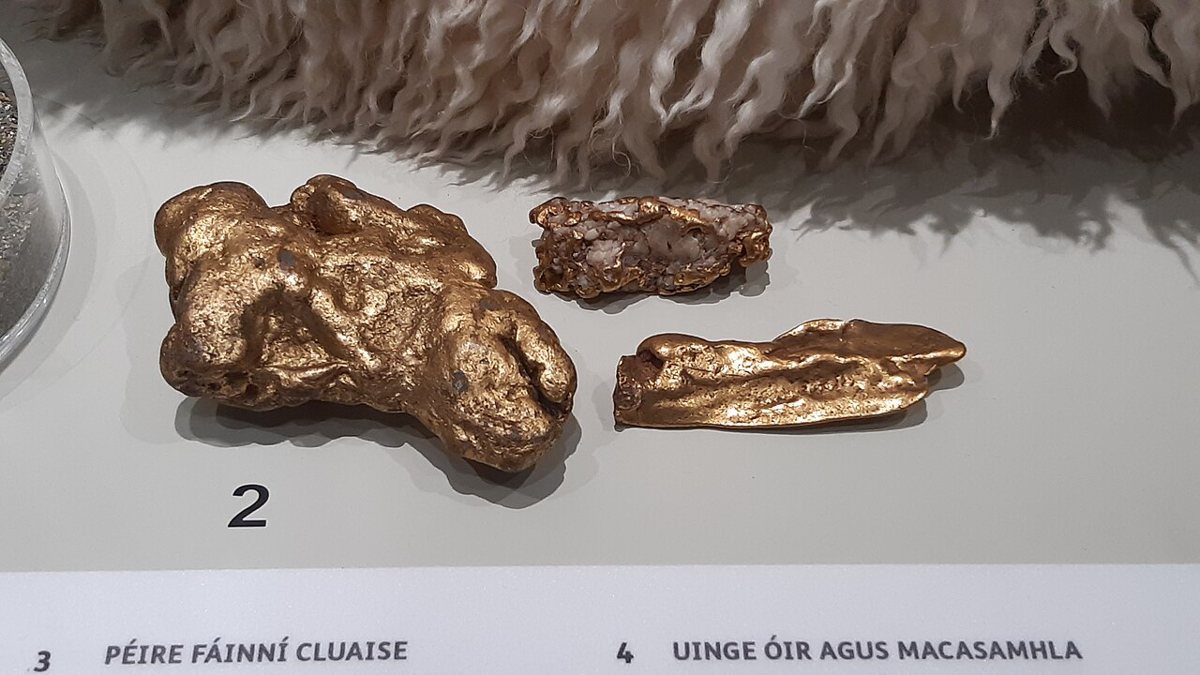
Choose a small set of galleries after lunch rather than attempting the entire museum. Moving from manuscript detail to metalwork and archaeology makes the two visits distinct.
Preview this day in the planner
Review before applying to your open draft. Named saved trips stay unchanged. Optional stops are not preselected. Save each day separately if keeping a longer trip.
St Stephen's Green Park Loop: Use a short public-path circuit or a bench stop if the weather and daylight suit; a complete park loop is not required.
Both main anchors are indoors. Drop the park if rain makes it unappealing; the National Gallery can replace a main anchor only if its current opening and your interests fit, rather than being added as a third full museum.
If Trinity is unavailable, use the National Gallery and Archaeology Museum instead. Do not pay an unverified reseller or assume walking through the campus gives entry to the Old Library.
The Archaeology Museum currently opens later on Sunday and Monday, so this order can suit those days; check the current visitor page before assigning a morning museum visit.
Public transport: A central Dublin day suited to walking and current TFI connections. Start from your real accommodation or arrival stop; the place pins do not describe a step-free route.
With a car: Leave the car parked legally once. Moving it between these central sights adds a problem without a useful touring advantage.
The Long Room redevelopment changes the familiar book-lined view: most books have been removed. Show this before booking, not after arrival. The website’s 14 October 2026 industrial-action notice refers to a past date and should not be presented as an ongoing closure.
Keeping both main visits in the Docklands means the day’s contrast comes from interpretation rather than from a long city transfer: EPIC supplies the larger migration story, and the ship makes the voyage’s physical setting more tangible. If the only ship slot is early, reverse the main visits instead of rushing the museum to preserve a suggested order.
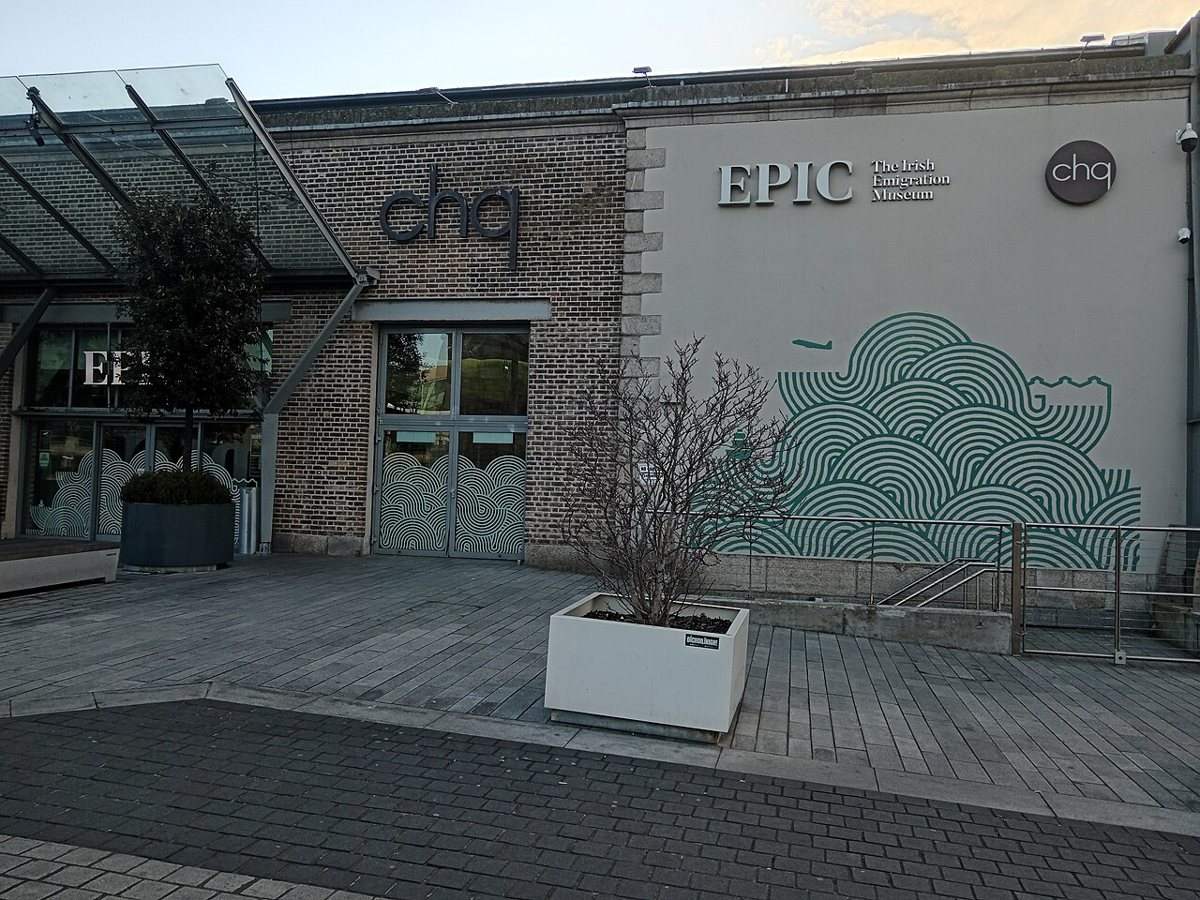
Start with a chosen theme in the self-guided galleries: migration, family stories or a particular cultural contribution. Leave time to read rather than treating the screens as a quick circuit.
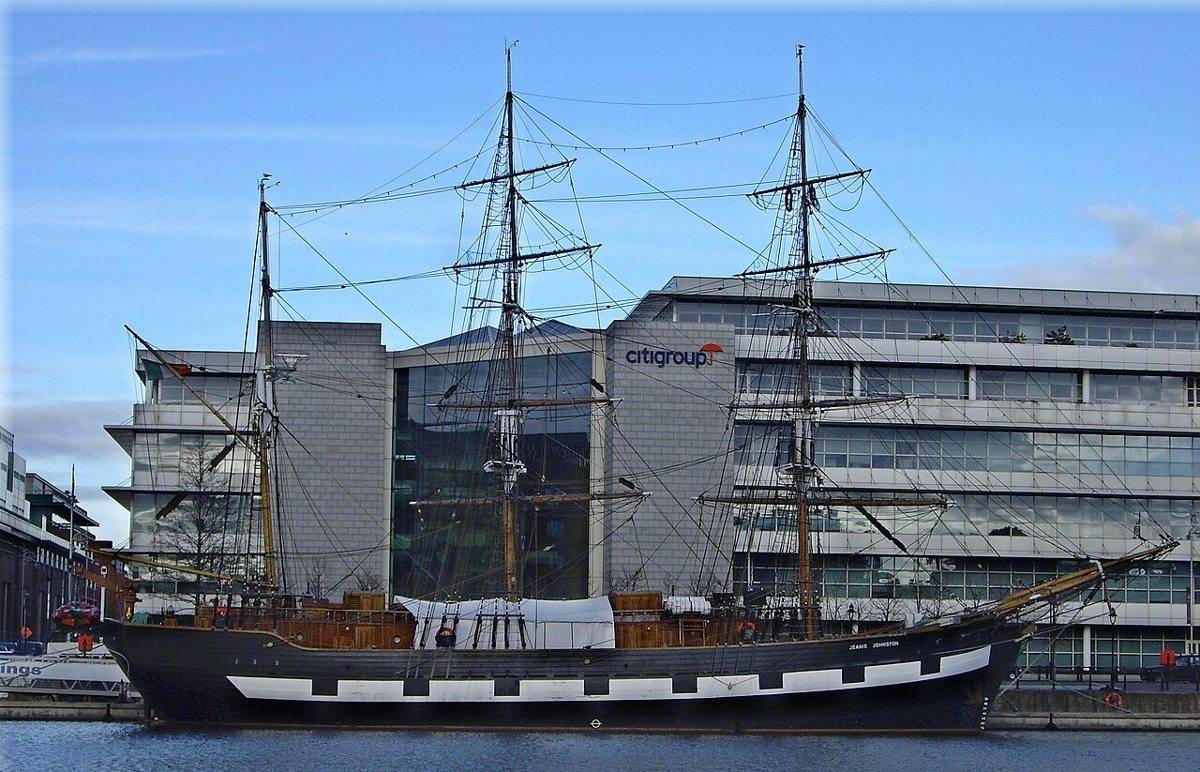
Reserve a guided ship visit that leaves breathing room after the museum. This is a replica ship interpreting the emigrant voyage, not the surviving original vessel.
Preview this day in the planner
Review before applying to your open draft. Named saved trips stay unchanged. Optional stops are not preselected. Save each day separately if keeping a longer trip.
Famine Memorial, Custom House Quay: Pause at the memorial on the public quay if conditions suit. Keep the waterfront section brief when wind or rain makes standing outside uncomfortable.
EPIC is the main indoor anchor. In rough weather, ask the ship operator about the actual tour conditions; replace the ship with the GPO Museum if it is open and the transfer fits. Drop the quay pause.
Book the ship slot and EPIC entry before assuming a combination ticket works for both at the times you want. Admissions remain separate unless the current product explicitly combines them.
The GPO Museum’s current operator page lists Sunday and public-holiday closure. It is a replacement to confirm, not an automatic seven-day fallback. If unavailable, keep a longer EPIC visit and meal rather than inventing another stop.
Public transport: Use current TFI rail, DART, Luas or bus connections to the Docklands and continue by suitable public streets. Check the return before staying later for dinner.
With a car: A paid legal city car park is a separate cost. The ship berth and quay map pins are not parking instructions.
Wind, river-side conditions and the operator’s dated notices matter for the ship. EPIC lists a winter operating pattern and Christmas closures; follow the live calendar rather than summer early-opening descriptions.
Both anchors sit within Waterford’s Viking Triangle, so this day works after an intercity arrival without adding a coastal drive. Begin with the museum unless a confirmed opening makes the tower the better first choice. Leave room for lunch and the streets between them. If travel runs late, protect one proper visit and move the second to the following morning; the order is not more important than the experience.
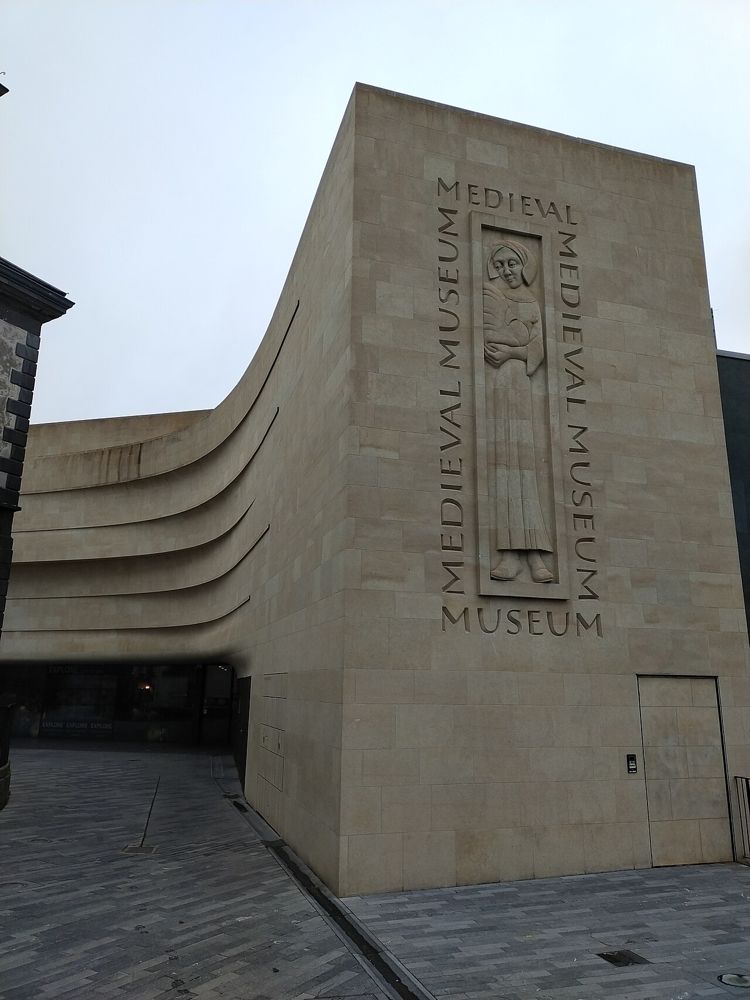
Use the surviving medieval spaces and selected collections to understand the city before moving back outside. Keep enough time to read rather than racing through a list of exhibits.
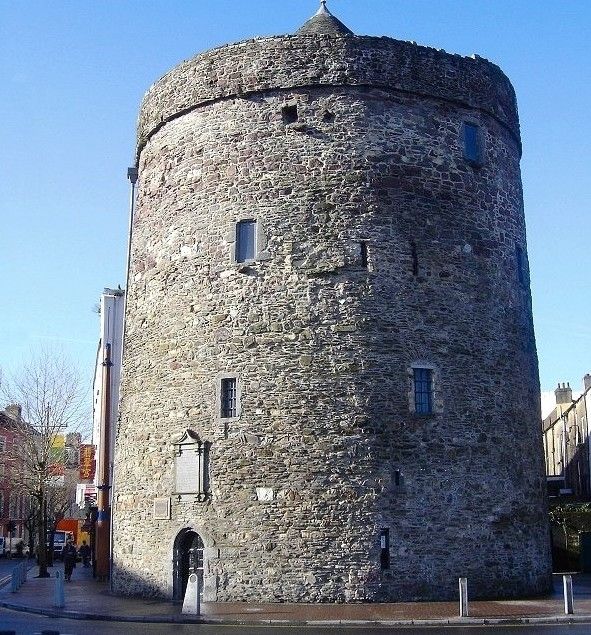
Make the tower a second, separate historical visit. Its spiral stairs and Viking collection provide a different scale from the museum.
Preview this day in the planner
Review before applying to your open draft. Named saved trips stay unchanged. Optional stops are not preselected. Save each day separately if keeping a longer trip.
The two anchors are indoor attractions with an outdoor street transfer. Bishop’s Palace is a nearby alternative if the tower’s stairs do not suit; check its current tour time.
Check each attraction’s own admission rather than assuming a city museum pass includes every product. Reginald’s Tower is an OPW-managed site with its own visitor details.
The OPW page currently lists December–March opening Wednesday–Sunday. If the tower is unavailable, use Bishop’s Palace after confirming a tour, or reverse the two Waterford days.
Public transport: Irish Rail lists Dublin Heuston–Waterford services. Plunkett Station is a separate arrival point from the Viking Triangle; arrange the onward city crossing with TFI, a suitable walk or taxi.
With a car: Choose a legal city car park and explore the compact visitor area on foot where suitable; do not use the tower pin as a stopping bay.
This is the most reliable Waterford choice when daylight is short, but winter weekdays and last entry still matter. Do not reuse the retired Dublin–Waterford Expressway 4 in arrival instructions.
The sequence moves west from a river-side walk to the mining landscape, giving the outing two different subjects without trying to collect every cove. Keep lunch and the return to Waterford outside the attraction allowances. The coast deserves this separate day: combining it with two city museums would make either the walk or the history superficial.
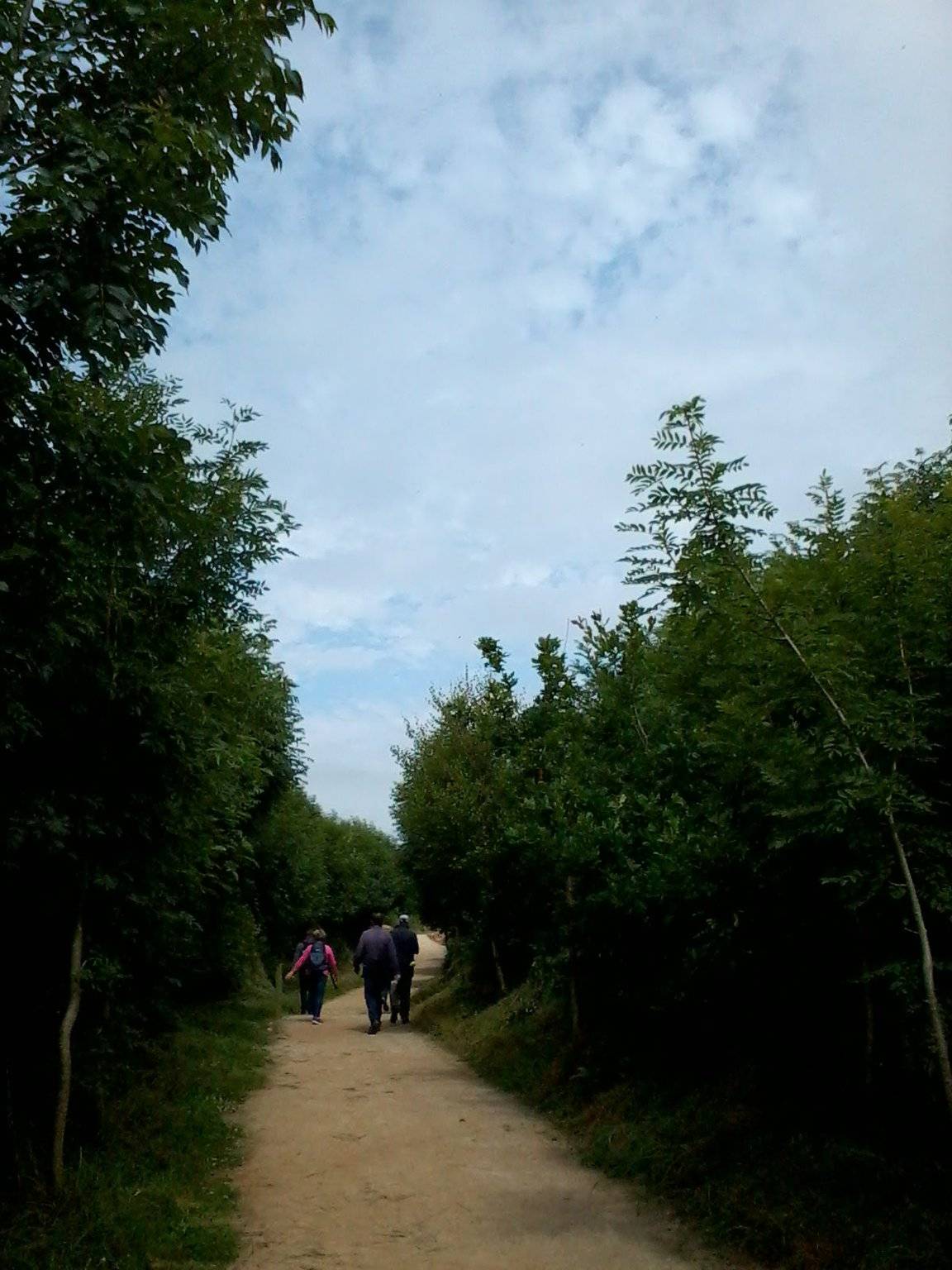
Begin at the Annestown end and choose a modest out-and-back on a currently open path. Decide the turning point with the group; the plan does not require completing the full valley route.
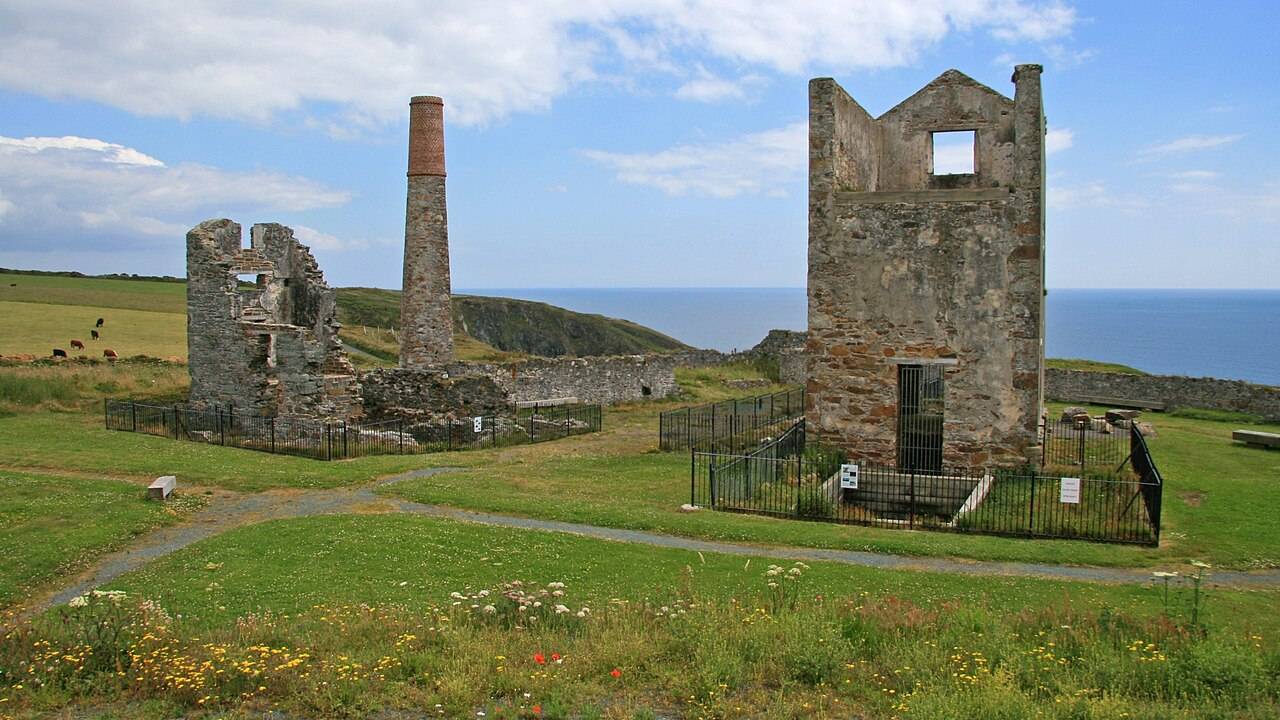
After a separate coastal transfer, look at the engine-house remains and interpretation. This is an above-ground industrial-heritage stop, not access to mine workings.
Preview this day in the planner
Review before applying to your open draft. Named saved trips stay unchanged. Optional stops are not preselected. Save each day separately if keeping a longer trip.
Bunmahon Geological Garden: Add a short village geology pause only if there is daylight and energy left. It is optional and must not squeeze the two principal visits.
If conditions make the valley or exposed mine site unsuitable, replace the whole coastal outing with the city craft-and-collections day: House of Waterford factory tour and Bishop’s Palace. This is a different day, not an indoor visit beside the mine.
Check the geopark’s current route information and local closures; no shoreline crossing, beach swimming or underground visit is included. The engine-house access does not grant entry to mine workings.
Do not rely on the geopark visitor centre as a guaranteed indoor fallback: its hours vary seasonally. If the city factory tour is unavailable, choose a confirmed museum rather than driving coastwards in search of an open door.
Public transport: The geopark describes bus access to Bunmahon, but that does not establish a workable link between the Annestown trail and Tankardstown or a safe road walk. Without a car or confirmed transfer, use the city craft-and-collections alternative.
With a car: A car or pre-arranged local transfer is the straightforward way to link these separate sites. Use signed public entrances and legal parking; check the actual approach, rather than treating a reference pin as an access guarantee.
Keep the coastal plan weather-led in autumn and winter, and choose the city alternative before leaving if wind, flooding, ice or short daylight undermine the walk. No tide-dependent beach section is necessary.
The market gives the morning a lived-in city feel, while the gaol provides a focused afternoon story. They are two anchors in the same city, not an assertion that every visitor should walk the hill between them. Leave the rest of central Cork for an unstructured meal or neighbourhood time rather than forcing more booked admissions into the day.
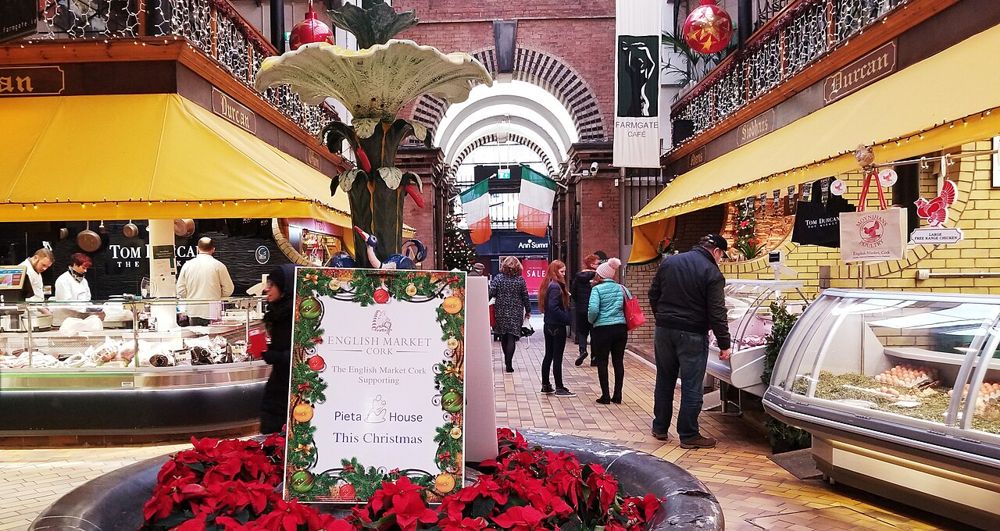
Browse as a customer in a working food market, leaving room for traders and people shopping. Choose a small food purchase or a meal separately rather than expecting a free tasting tour.
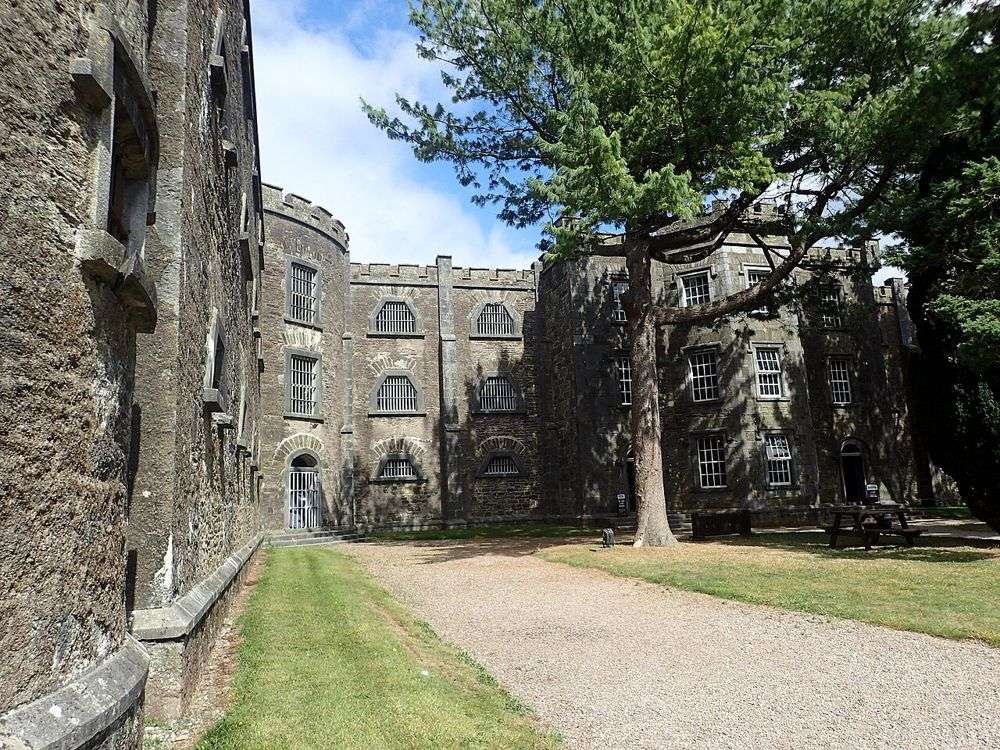
After lunch, make the distinct transfer to Sunday’s Well for the former-prison visit. Give the local social-history story time rather than adding it as a quick exterior photograph.
Preview this day in the planner
Review before applying to your open draft. Named saved trips stay unchanged. Optional stops are not preselected. Save each day separately if keeping a longer trip.
Both main anchors have indoor content. Use a suitable bus or taxi transfer if the weather makes the hill-side approach unappealing; a building being indoors does not make the entire link sheltered.
The council currently lists the English Market closed on Sundays and bank holidays. Move this city day within the three-day stay rather than presenting an open market on those dates.
If the market is unavailable and the day cannot move, replace it with a slower Cork-city neighbourhood/food session and keep the gaol booking. Do not substitute the Crawford Gallery: its renovation closure remains noted in official tourism guidance.
Public transport: Cork city suits a car-free base, but check TFI for the specific Sunday’s Well approach if the slope is a concern. The market and gaol have separate entrances.
With a car: Park once where practical and budget separately for a local transfer. Re-parking between central food shopping and the gaol is not a touring requirement.
Market trading follows the weekly calendar, while individual stalls can have shorter hours than the building. Earlier browsing can avoid the busiest trading period, but do not promise a crowd-free visit.
These visits share a harbour setting but tell different stories: the Heritage Centre follows departures and maritime lives; the island adds fortification and imprisonment. Book Spike first and test whether there is comfortable time for the centre before it. If the only sailing is early, take the island first and use the centre afterwards only if its last entry still works. One properly paced visit is better than buying two incompatible slots.
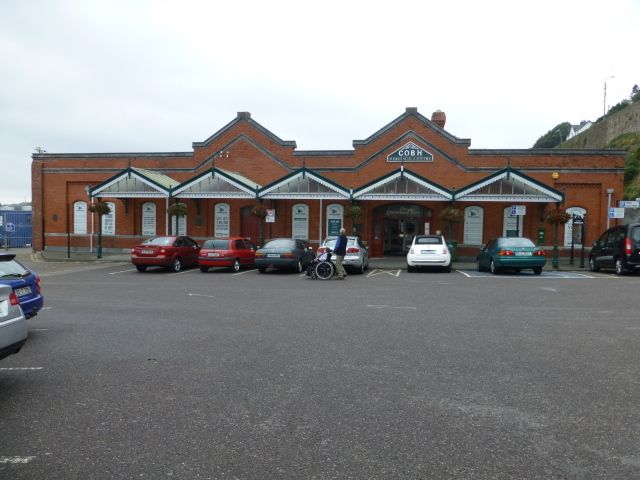
Use the Queenstown Story for a focused look at emigration and the harbour. Choose the morning only if it fits the current opening and your confirmed island sailing.
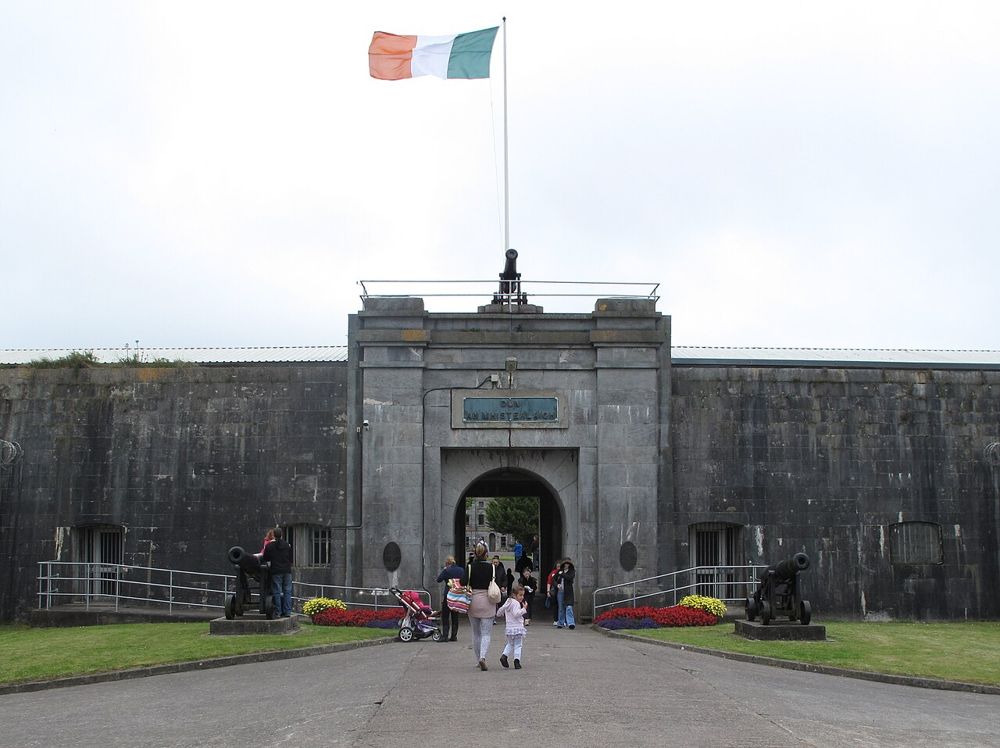
Build the day around the booked ferry and return. The operator describes a substantial island visit, so do not append another distant attraction after landing back in Cobh.
Preview this day in the planner
Review before applying to your open draft. Named saved trips stay unchanged. Optional stops are not preselected. Save each day separately if keeping a longer trip.
If wind or an operator cancellation prevents the crossing, keep a confirmed Heritage Centre visit and return to Cork for the gaol if it has not already been visited. Otherwise keep a lighter indoor/meal day instead of forcing a duplicate attraction.
Reserve the sailing directly and follow its actual check-in and return instructions. No island visit is included merely because the itinerary has a ferry icon.
Spike currently lists April–October daily operation and November weekends only, with its live calendar controlling availability. If your dates fall outside an available sailing, replace the whole harbour day or treat the centre and Cobh as a slower land-based outing.
Public transport: Irish Rail serves Cobh from Cork’s suburban network; the Heritage Centre occupies the restored station building. Check current rail and ferry connections as separate bookings.
With a car: Use legal mainland parking in Cobh. The vehicle stays on the mainland; a town parking charge is not an island-ferry fare.
The operator currently describes a 3.5-hour Spike visit including the ferry. That is an operator visit-format fact, not a driving estimate or a guarantee that a later museum slot is possible. The island is exposed, so a rainy-day label is inappropriate.
Blarney is an outing from the city, so the second anchor is deliberately flexible city time rather than another distant ticketed attraction. It lets a queue or a slower garden visit expand without losing a ferry or timed admission afterwards. Do not combine Blarney, Kinsale and a West Cork headland simply because they share a county.
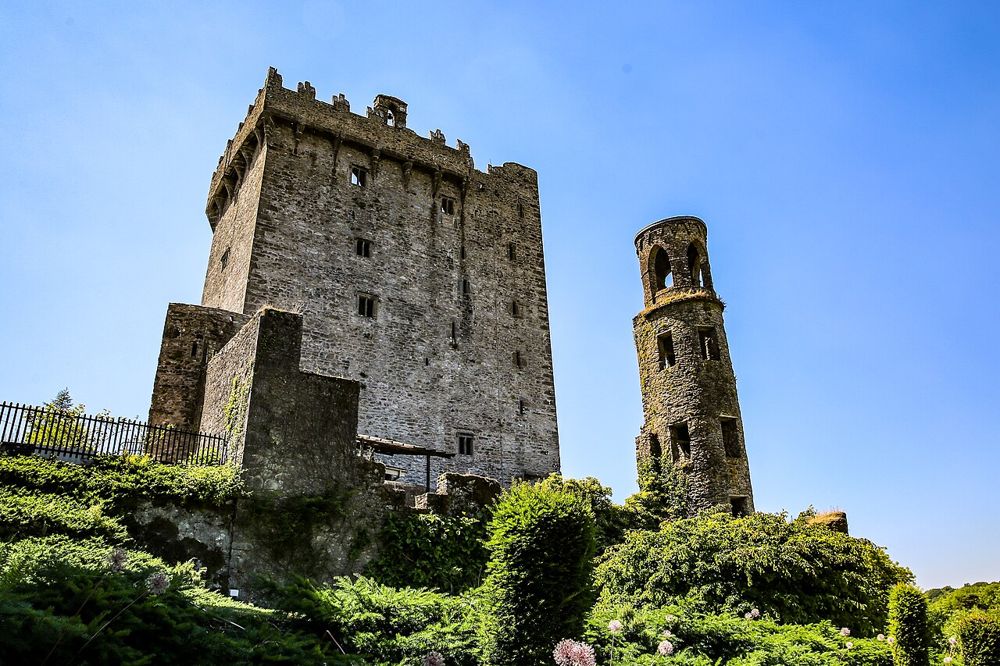
Give the castle-and-garden visit the main share of the day. Decide about the stone queue on arrival; there is more to the grounds than one ritual.
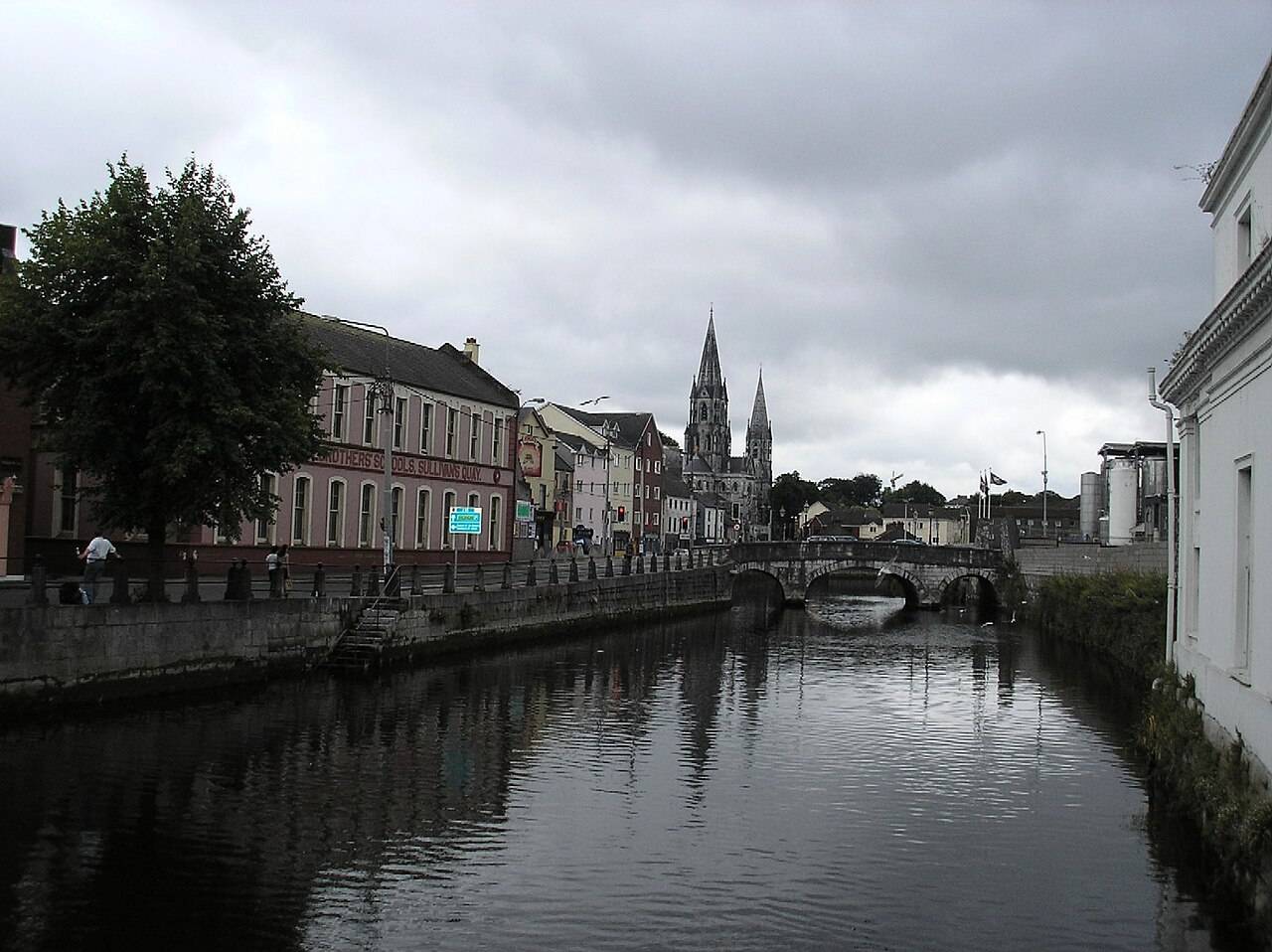
After returning to the city and taking a proper break, choose one modest public-street neighbourhood session: the river and Shandon streets rather than a city-wide highlights march. No church tower or private business entry is included.
Preview this day in the planner
Review before applying to your open draft. Named saved trips stay unchanged. Optional stops are not preselected. Save each day separately if keeping a longer trip.
If a garden-focused day no longer appeals, move Blarney to another day and use an unvisited Cork City Gaol or Cobh Heritage Centre as an indoor anchor. Pair it with a relaxed meal/city session rather than claiming the outdoor neighbourhood walk is an all-weather attraction.
Check Blarney’s current admission, last entry and access guidance. The gardens and the climb through the historic castle present different demands.
The city anchor is a named existing city guide, not a promise that Shandon Bells or any particular venue will be open. If your group wants a specific interior, book it separately and remove something else.
Public transport: Use TFI and the operator’s current Blarney arrival information for the actual village service and return. Check the stop-to-entrance approach rather than assuming the bus leaves at the castle door.
With a car: A car is useful for the Blarney leg but not essential to the three-day Cork base. Check designated parking and return to a legal city arrival before the second session.
Autumn and winter reduce garden daylight, so give Blarney the earlier part of the day and keep the city session flexible. No promise is made about a short stone queue or the seasonal appearance of the gardens.
Reserve whichever tour has the less flexible slot, then fit the second around it. Both are in the Viking Triangle area, making this a practical city-based replacement for the Copper Coast rather than an additional third Waterford day.
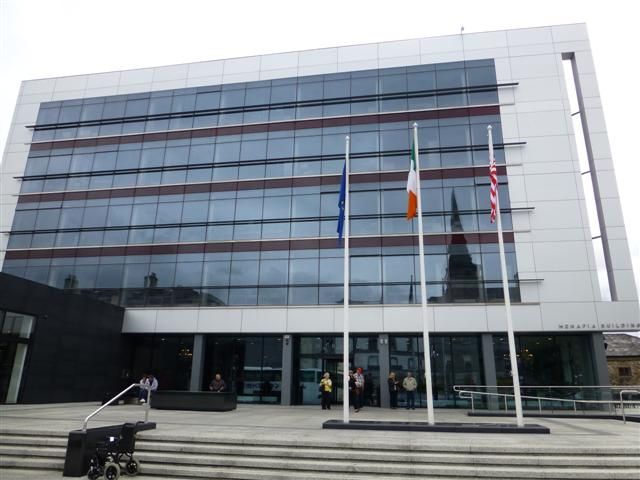
Book a factory tour, not simply a retail-store call. Seeing how the pieces are made gives the subsequent shop display a different meaning.
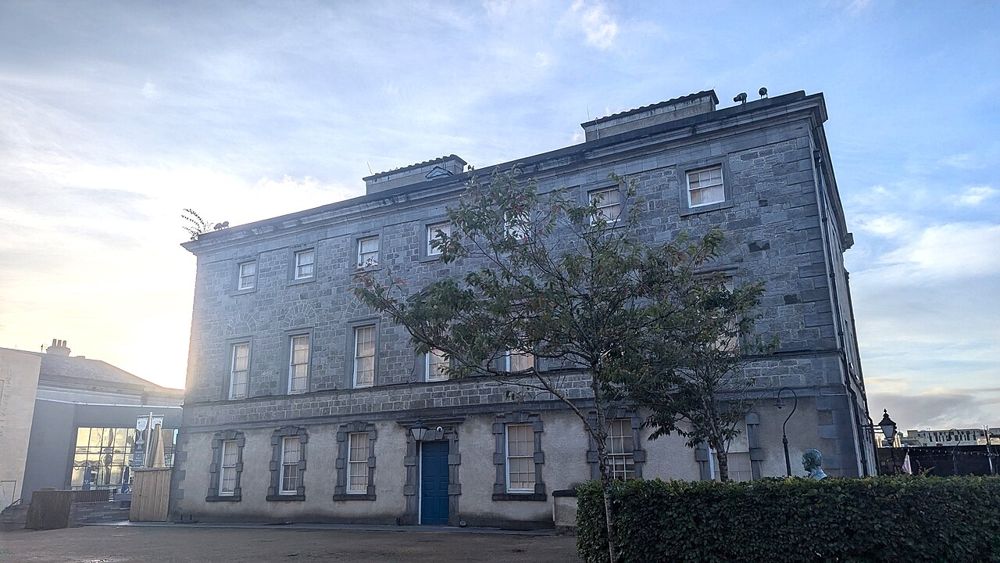
Use the current guided-tour time to explore a later chapter of Waterford’s city life. Leave a separate meal break between the two visits.
Preview this day in the planner
Review before applying to your open draft. Named saved trips stay unchanged. Optional stops are not preselected. Save each day separately if keeping a longer trip.
Two indoor-focused visits with an outdoor street transfer. Confirm the actual tours rather than assuming an open shop means factory production is available.
The factory currently lists November–February tours Monday–Friday; weekend retail opening is different. Rotate this day or use a confirmed museum if your dates do not support a tour.
If either guided visit is unavailable, choose one complete visit and a meal or reschedule. Do not present an unconfirmed second tour just to maintain the two-anchor format.
Public transport: A useful Waterford option without a car; plan the station-to-centre arrival separately through TFI.
With a car: Use a suitable city car park rather than driving between the two neighbouring attractions.
Factory-tour availability differs from retail hours. Use the live booking calendar; this is especially important on winter weekends.
Keep three bases: Dublin, Waterford city and Cork city. Do not add a different hotel beside every attraction.
The first Cork day includes a transfer. Rotate the market and Blarney days if the calendar or arrival time requires it; keep Spike on a genuinely available sailing date.
Car-free version: Heuston–Waterford rail, a verified Waterford–Cork coach or rail connection, and the city craft alternative instead of the Copper Coast. Cork’s Cobh railway day remains possible but the ferry is a separate booking.
The optional Northern Ireland material below requires extra time after or before this route. It is not day8 compressed into day7.
Visit allowances exclude transfers, meals and queues. Check opening, weather and your booked slots before assigning dates. These are researched editorial routes, not a claim of first-hand travel or guaranteed connections.
Add nights for Belfast and a separate Causeway Coast day. Check Translink connections or the actual road route; do not insert them between the visits above. Antrim places and access · Down places and access
Source checks: 20 October 2026. Images retain their stated basis and credits. All itinerary guides