Life aboard
Use the ship’s spaces to understand the constraints of an emigrant voyage.
heritage · Dublin
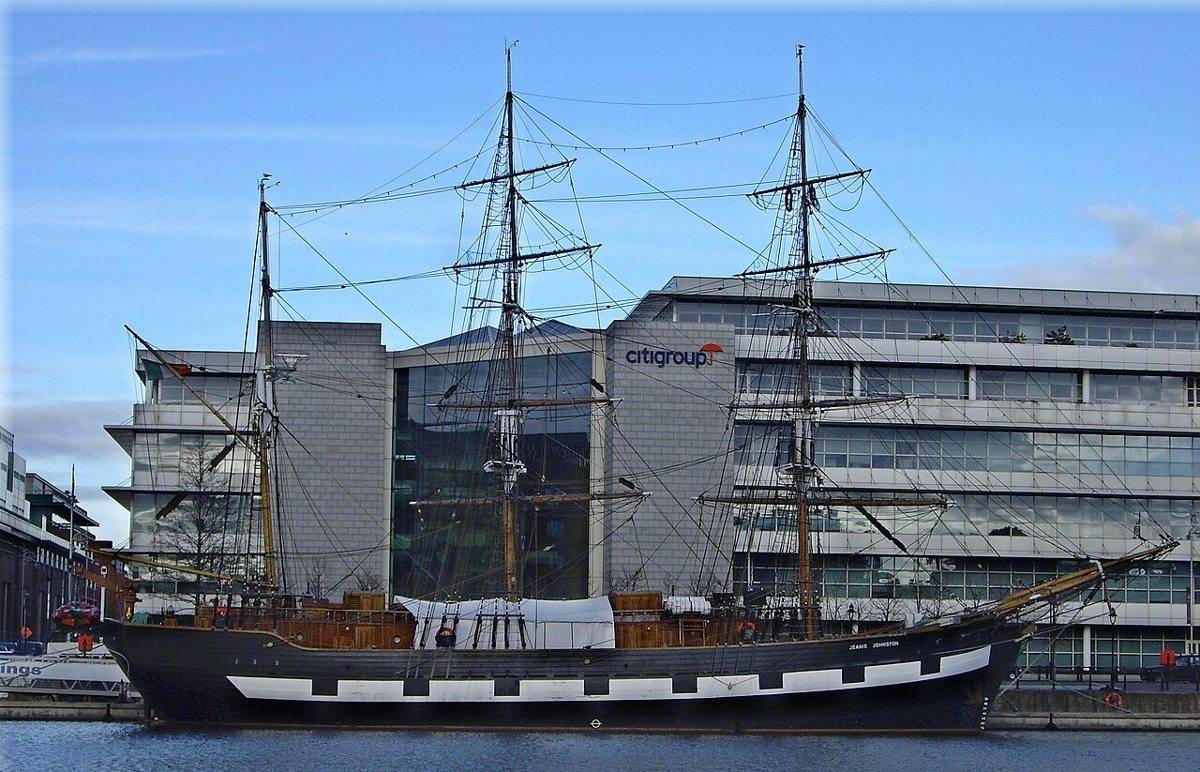
Board a replica emigrant ship for a guided account of the people who crossed the Atlantic during the Great Famine. The physical setting makes a useful companion to EPIC’s broader migration story.
Source-based editorial assessment · out of 10
The replica ship’s confined spaces give emigrant journeys tangible scale, while guided passenger and crew stories supply context. Choose it for interpretation rather than an original vessel.
The Docklands location is straightforward, but entry depends on a scheduled tour. Boarding and interior steps require checking specific access needs before paying for a slot.
Best for: Famine-era emigration and ship interiors
Planning blend: 7.0 / 10 · Sustainability: unrated
Experience considers the reward and depth of this particular stop. Visitor friendliness considers practical ease: arrival, booking, physical demands, cost and flexibility. These are editorial judgements based on linked information, not visitor averages or a claim of a personal visit.
Assessed . Supporting guide source-check date: 15 October 2026. The assessment date does not mean every linked source was newly checked.
The blend uses (40 × Experience + 55 × Visitor friendliness) ÷ 95, rounded to the nearest half point. Missing sustainability does not affect it. A missing current visit score is not zero and has no blend.
A high score is not a safety clearance or a guarantee of step-free access. Food-stop scores concern the planned visit, not an untested meal. Read the scale and scope · Suggest a correction.
From research
Choose this for guided human history and the experience of a ship interior. Check boarding and access needs before booking; this is not a sailing trip.
Before you go: The vessel in Dublin is a replica, not the original nineteenth-century ship. Entry is through a scheduled guided tour.
Place highlights
Use the ship’s spaces to understand the constraints of an emigrant voyage.
Follow individual stories rather than treating the vessel only as a photogenic waterfront object.
The story behind the visit
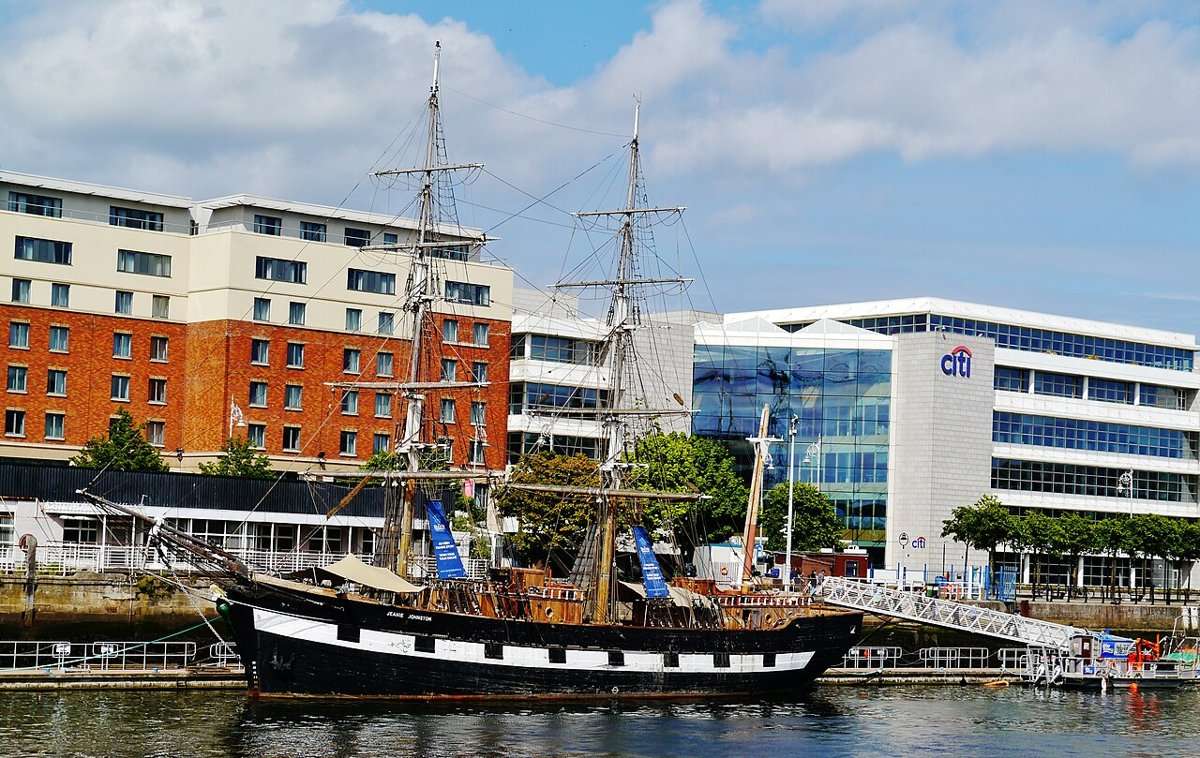
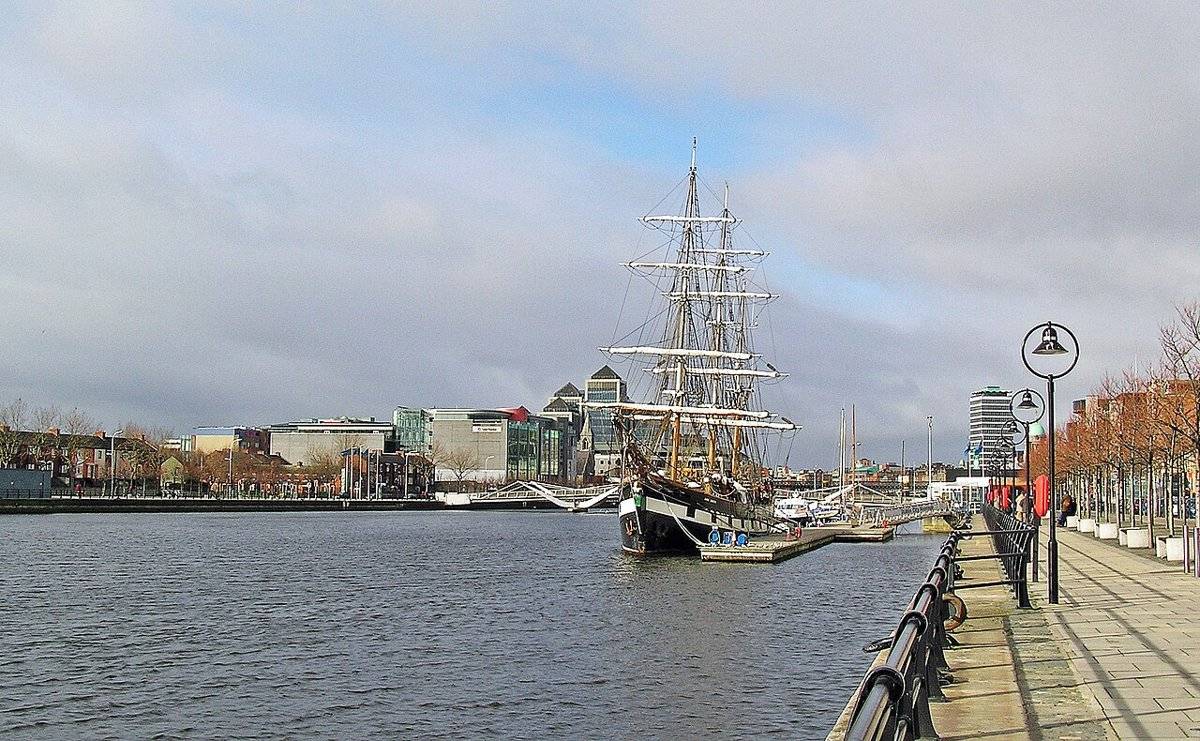
A voyage can sound abstract when reduced to a line across a map. A ship visit gives the story physical scale: the place where people travelled becomes part of the explanation. The Jeanie Johnston’s guided experience uses real emigrant stories to connect the vessel with the Great Famine and its consequences. Source ↗
The distinction between original and replica is essential. The Dublin vessel is an interpretation of a nineteenth-century emigrant ship, not surviving fabric from those passengers’ journeys. Use the guide to distinguish evidence about the original voyages from the reconstruction around you. Pairing it with EPIC can deepen the subject, but the two are different experiences: one concentrates on a vessel and its people, while the museum follows migration across many settings. Choose both only if the subject warrants the time in your day. Source ↗
Dated visitor information
Moored at Custom House Quay. The operator directs Luas users to George’s Dock, then through CHQ towards the river. Confirm the meeting point in your booking. Official visitor information ↗
Source information checked 15 October 2026; confirm current access and visitor arrangements with the operator.
No. It is a replica of the nineteenth-century emigrant vessel. Source ↗
The visitor offer described here is a guided museum visit aboard the moored ship, not a cruise. Source ↗
The operator sells a combined product; check its current terms and tour availability. Source ↗
Nearby options
Distances are straight-line estimates between catalogue pins, within 30 km. Roads, entrances and walking routes may be much longer. Known closed places are excluded; inclusion does not confirm opening today.
heritage · 0.3 km
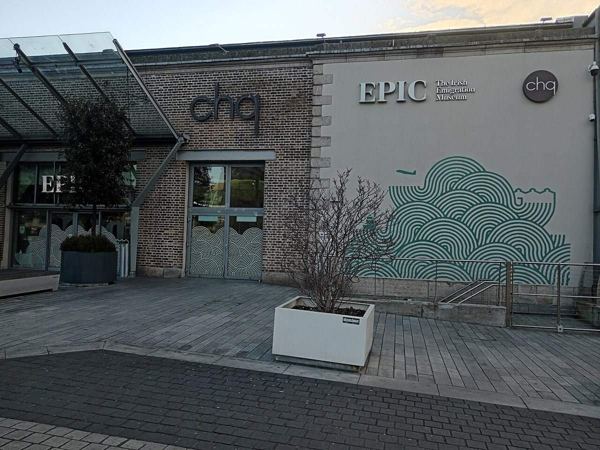
EPIC explores Irish emigration through interactive galleries in the CHQ building. It follows the reasons people left and the cultural, scientific and social influence of lives built abroad.
Open place page →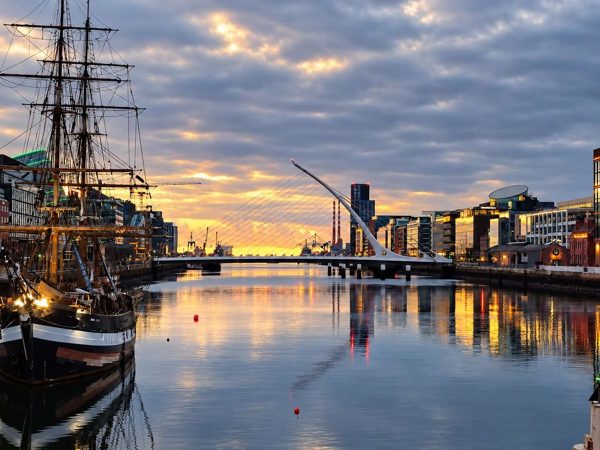
attraction · 0.3 km
A modern Liffey crossing whose harp-like form helps explain the changing Docklands skyline.
Open place page →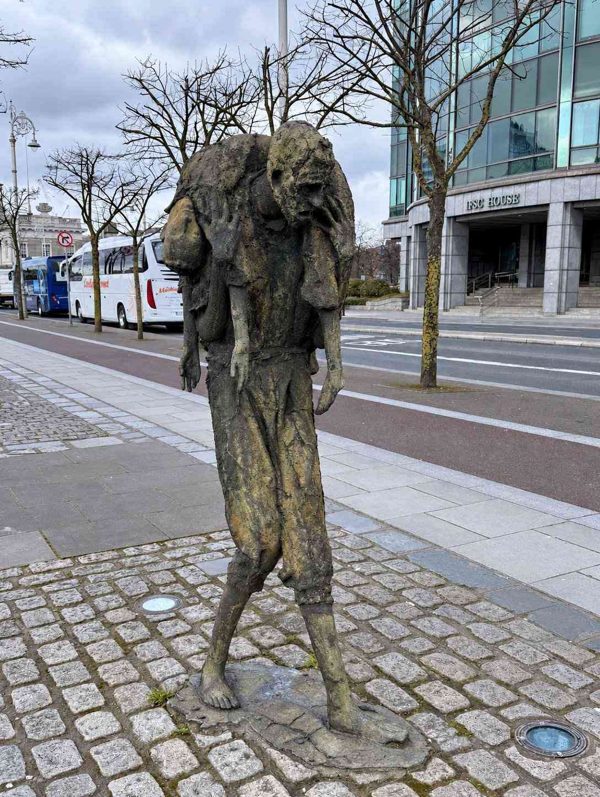
attraction · 0.3 km
Rowan Gillespie’s public sculpture on Custom House Quay, a place for reflection on famine and emigration.
Open place page →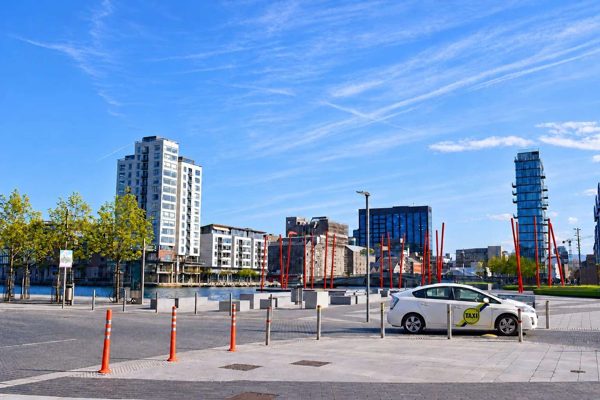
attraction · 0.6 km
A designed waterfront square where bold paving, planting and theatre architecture meet Grand Canal Dock.
Open place page →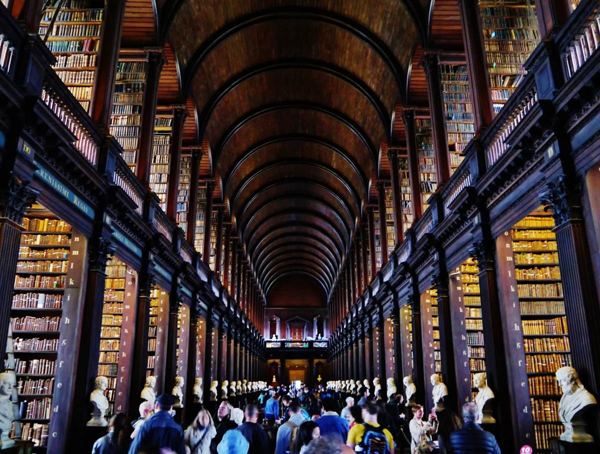
heritage · 0.9 km
See a 1,200-year-old illuminated manuscript, walk through the Old Library's Long Room and decide whether the newer digital exhibition is worth adding to your Dublin day.
Open place page →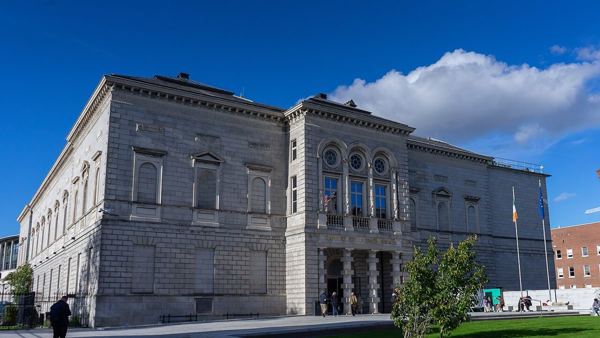
heritage · 0.9 km
The National Gallery makes a free art stop in central Dublin, with Irish paintings alongside European works by Caravaggio, Vermeer and others. A small route gives you time to look closely; a ticketed temporary…
Open place page →The visitor accounts make the guided story the reason to board, rather than the ship’s appearance alone. One traveller appreciated having a small enough group to look properly at the displays below deck. Group size varies, so book for the historical experience and check the physical access separately.
Original paraphrases of public visitor accounts. These are limited perspectives, not a representative survey or a claim of our own visit. Use current operator information for access and opening.
Location & access
The vessel in Dublin is a replica, not the original nineteenth-century ship. Entry is through a scheduled guided tour.
53.34772, -6.24559 · Reference point; confirm the correct entrance and access. Map © OpenStreetMap contributors.
Source-based place brief. A catalogue reference is not a live availability check or a report of a personal visit.
Visitor details checked 15 October 2026. Page content updated 2026-10-21.