Journeys and identity
Follow the reasons for leaving alongside the consequences of migration.
heritage · Dublin
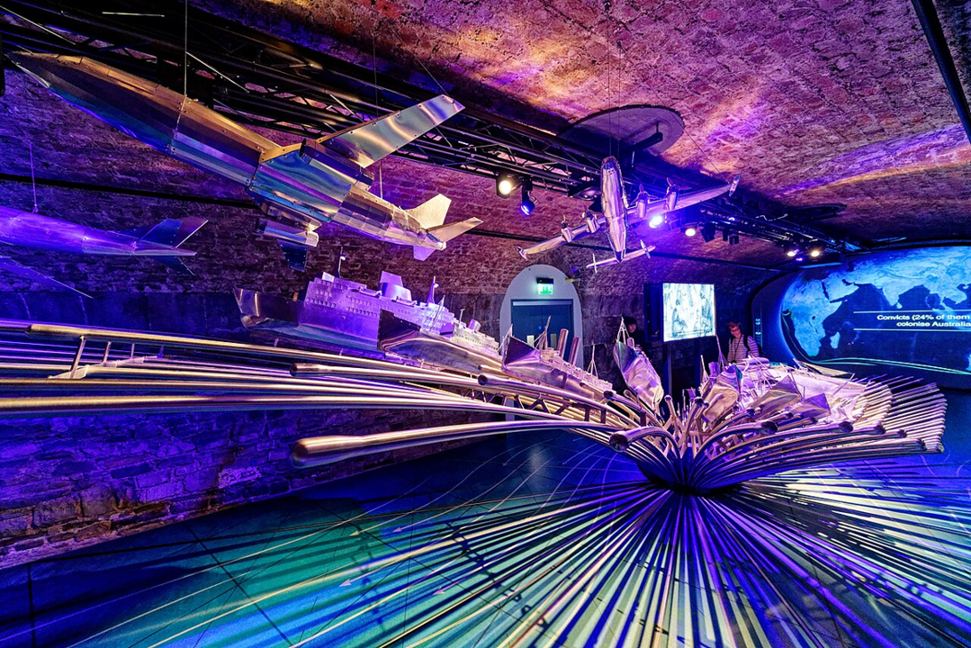
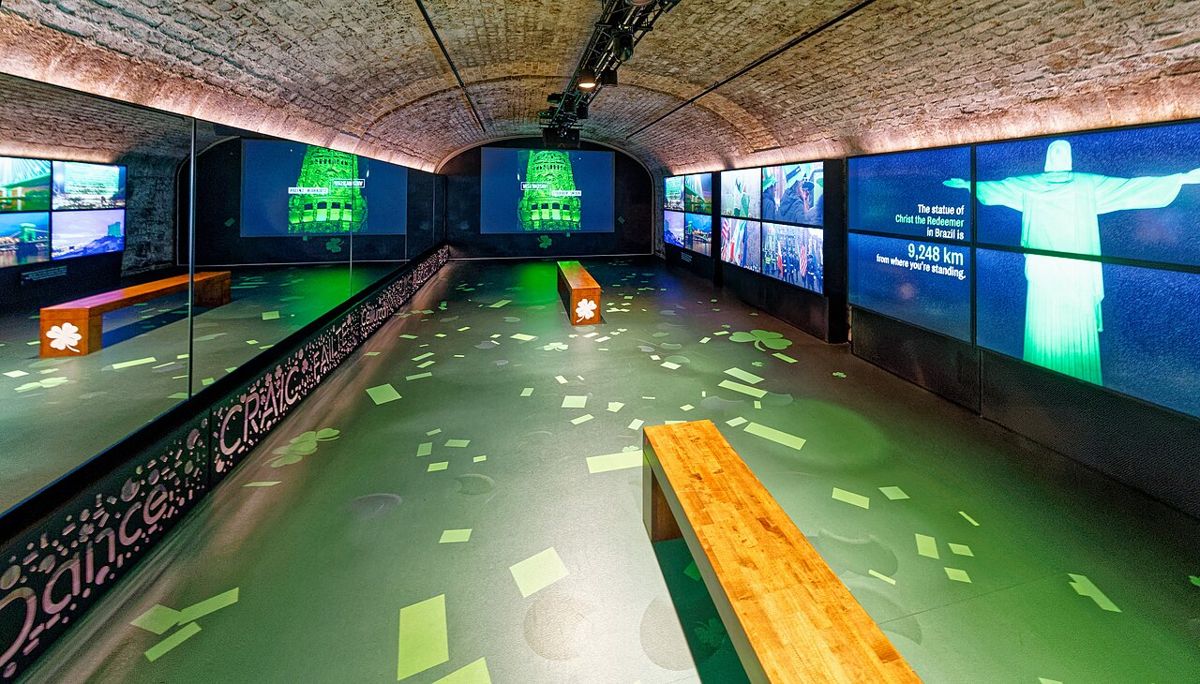
EPIC explores Irish emigration through interactive galleries in the CHQ building. It follows the reasons people left and the cultural, scientific and social influence of lives built abroad.
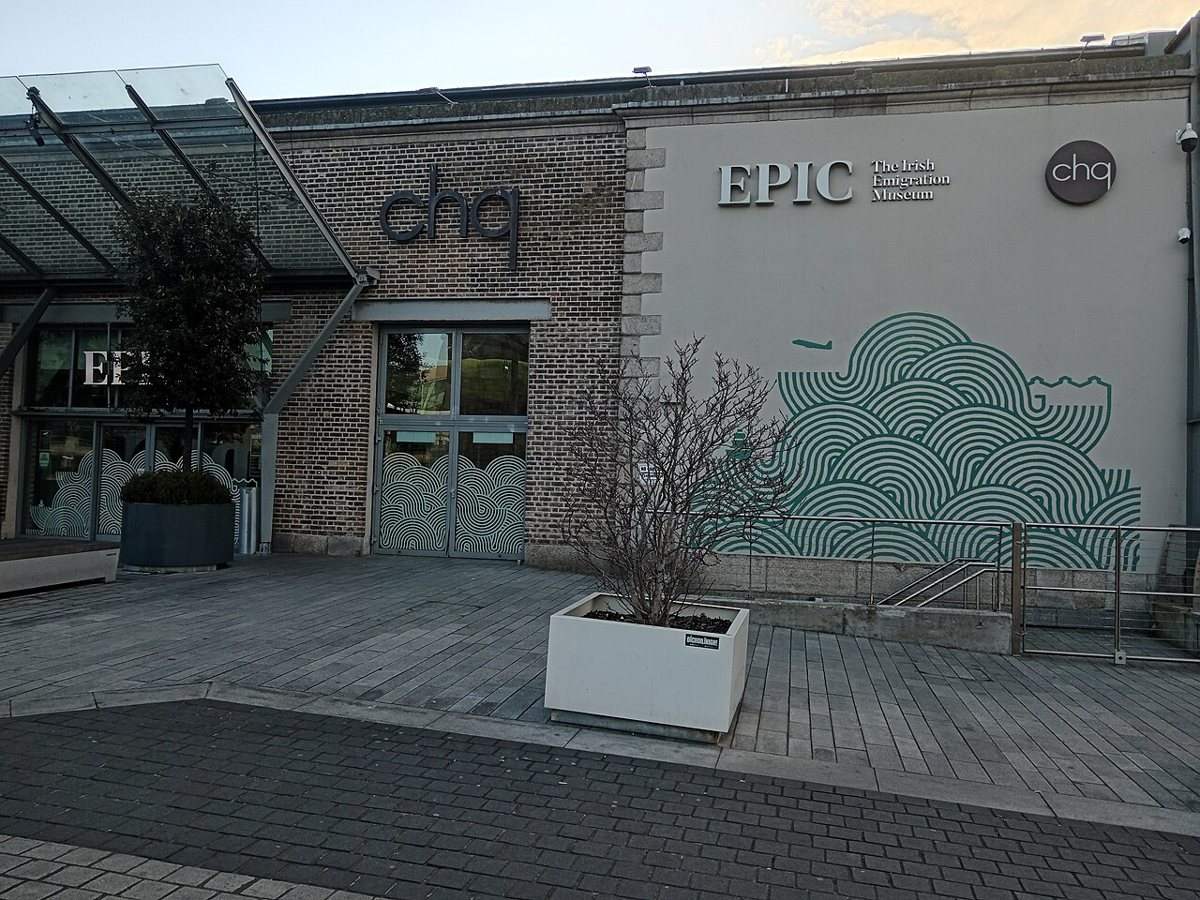
Source-based editorial assessment · out of 10
Migration, identity and Irish contributions abroad make a broad and coherent theme. Its multimedia, self-guided format suits visitors who enjoy stories conveyed through screens and sound.
CHQ’s Docklands address and nearby Luas access support a straightforward arrival. Self-paced galleries and published sensory supports help planning, although ticket choices and genealogy services differ.
Best for: Migration stories and multimedia interpretation
Planning blend: 8.0 / 10 · Sustainability: unrated
Experience considers the reward and depth of this particular stop. Visitor friendliness considers practical ease: arrival, booking, physical demands, cost and flexibility. These are editorial judgements based on linked information, not visitor averages or a claim of a personal visit.
Assessed . Supporting guide source-check date: 15 October 2026. The assessment date does not mean every linked source was newly checked.
The blend uses (40 × Experience + 55 × Visitor friendliness) ÷ 95, rounded to the nearest half point. Missing sustainability does not affect it. A missing current visit score is not zero and has no blend.
A high score is not a safety clearance or a guarantee of step-free access. Food-stop scores concern the planned visit, not an untested meal. Read the scale and scope · Suggest a correction.
From research
Choose this for migration stories and multimedia interpretation. If you want mostly original archaeological objects, the Kildare Street museum offers a different kind of visit.
Before you go: This is a self-guided, screen-and-audio-rich museum. Genealogy research is a separate service, not an automatic result of buying admission.
Place highlights
Follow the reasons for leaving alongside the consequences of migration.
Use the galleries to connect stories from sport, science, music and culture.
The story behind the visit
Emigration is often reduced to a single story of famine or departure. EPIC takes a wider view, moving between hardship, ambition and the lives Irish people built elsewhere. That approach makes it relevant even without Irish ancestry: the questions are about identity, belonging and what people carry with them. Source ↗
The exhibition uses interactive media rather than relying on a conventional row of display cases. Choose a few stories that interest you and connect their starting point to their later impact. A family-history enquiry is a different exercise, requiring records and research; the museum introduces the wider context but cannot establish an individual lineage through a general admission ticket. The Docklands setting also makes a useful contrast with the nearby replica emigrant ship: one visit surveys migration, while the other concentrates on conditions aboard a vessel. Source ↗
Dated visitor information
George's Dock on the Red Luas line serves the CHQ building. Connolly and Tara Street are DART options, followed by a walk to CHQ. The building's directions list buses 14, 15 and 27 to Amiens Street/Connolly; confirm the live route and stop before travel. Official visitor information ↗
Source information checked 15 October 2026; confirm current access and visitor arrangements with the operator.
No. The museum addresses wider themes of migration and belonging. Source ↗
The standard museum experience is self-guided. Source ↗
Genealogy consultations are separately listed services; check their booking terms. Source ↗
Nearby options
Distances are straight-line estimates between catalogue pins, within 30 km. Roads, entrances and walking routes may be much longer. Known closed places are excluded; inclusion does not confirm opening today.
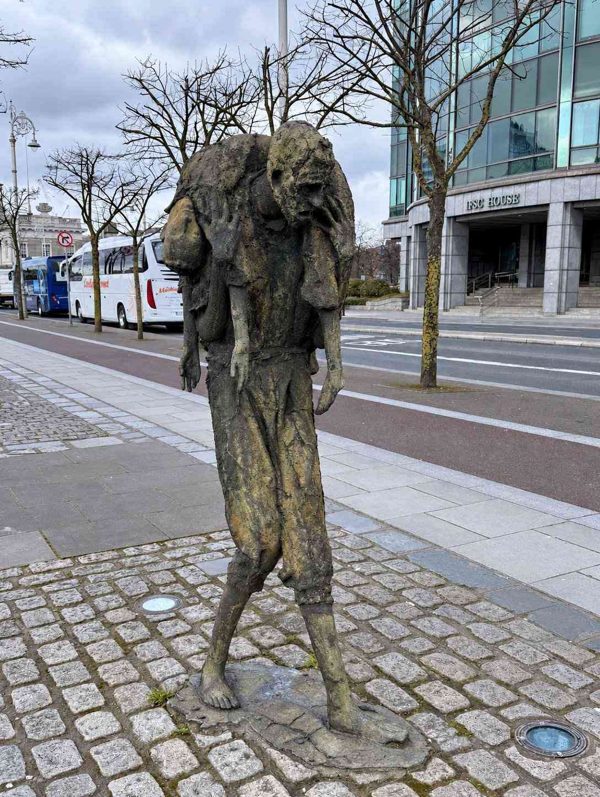
attraction · 0.1 km
Rowan Gillespie’s public sculpture on Custom House Quay, a place for reflection on famine and emigration.
Open place page →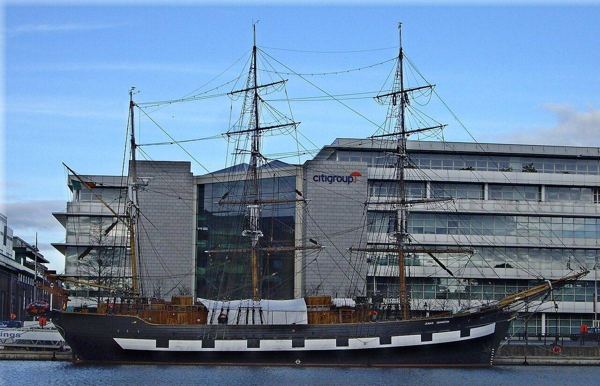
heritage · 0.3 km
Board a replica emigrant ship for a guided account of the people who crossed the Atlantic during the Great Famine. The physical setting makes a useful companion to EPIC’s broader migration story.
Open place page →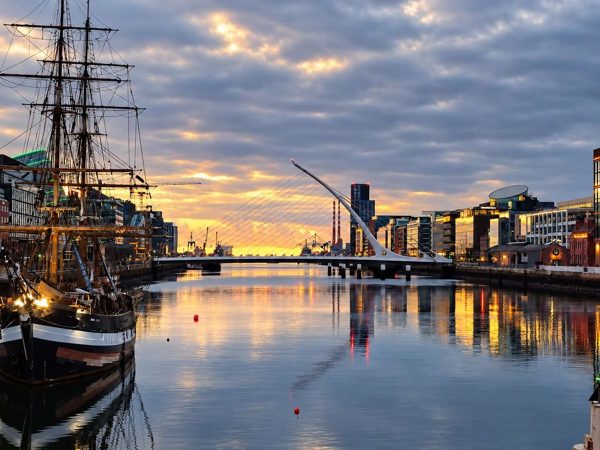
attraction · 0.6 km
A modern Liffey crossing whose harp-like form helps explain the changing Docklands skyline.
Open place page →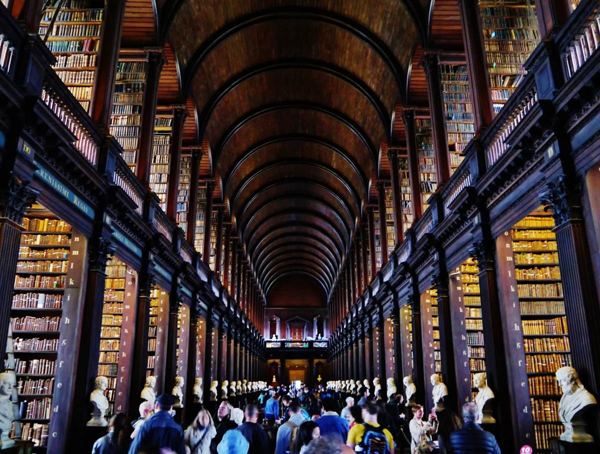
heritage · 0.8 km
See a 1,200-year-old illuminated manuscript, walk through the Old Library's Long Room and decide whether the newer digital exhibition is worth adding to your Dublin day.
Open place page →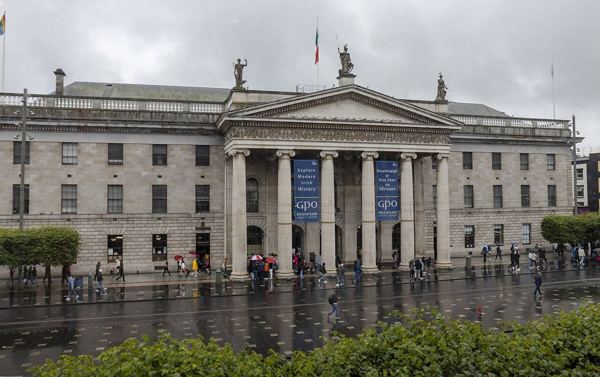
heritage · 0.8 km
Explore the Easter Rising from the building that became its headquarters. The GPO Museum combines objects, film and interactive interpretation beneath a working Dublin landmark.
Open place page →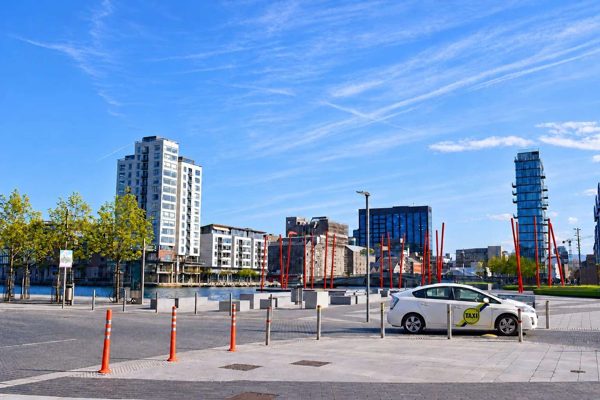
attraction · 0.9 km
A designed waterfront square where bold paving, planting and theatre architecture meet Grand Canal Dock.
Open place page →The reviewed accounts describe moving from room to room through video and interactive displays, with those activities helping people stay engaged. The format matters: choose EPIC if a multimedia approach appeals to you, rather than assuming it is a museum built mainly around cases of original objects.
Original paraphrases of public visitor accounts. These are limited perspectives, not a representative survey or a claim of our own visit. Use current operator information for access and opening.
Location & access
This is a self-guided, screen-and-audio-rich museum. Genealogy research is a separate service, not an automatic result of buying admission.
53.34900, -6.24900 · Reference point; confirm the correct entrance and access. Map © OpenStreetMap contributors.
Source-based place brief. A catalogue reference is not a live availability check or a report of a personal visit.
Visitor details checked 15 October 2026. Page content updated 2026-10-20.