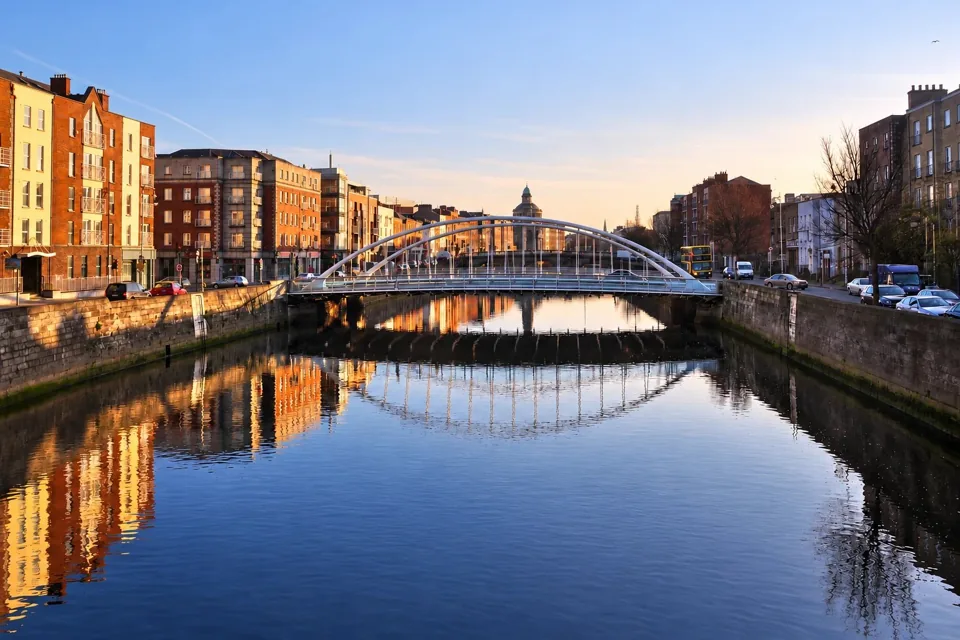
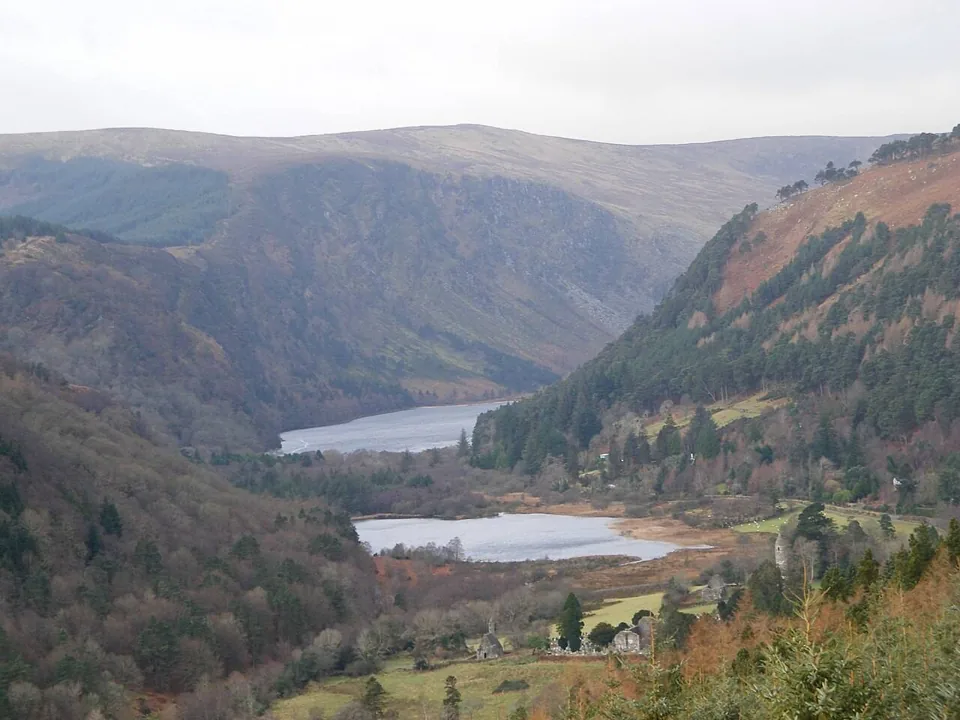
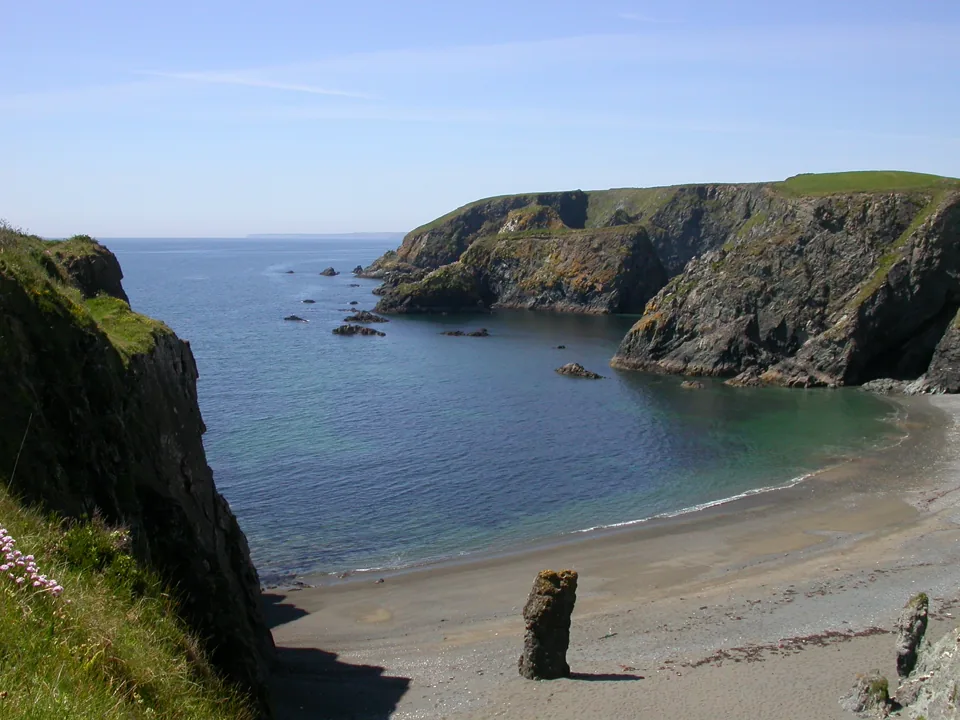
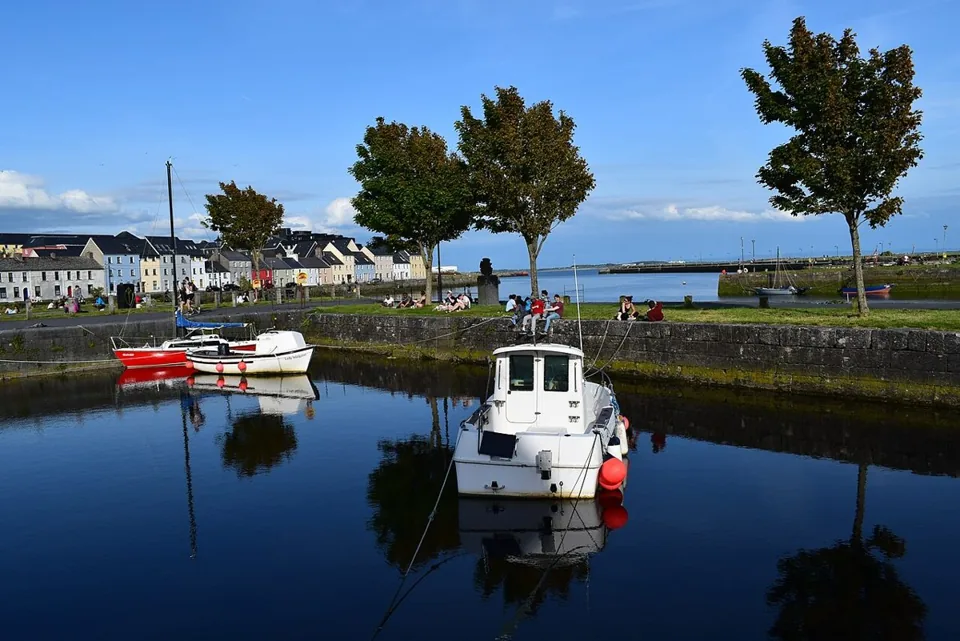
Dublin suits a first Irish city break built around museums, historic streets and evenings on foot. Allow two or three days, group sights by neighbourhood, and use public transport for longer hops. Spring through early autumn gives more outdoor time; the city also works in winter when you anchor each day around an indoor visit.
Dublin rewards choosing a theme for each day. Around Trinity College and Kildare Street, manuscript culture, archaeology and Georgian streets fit together without repeated cross-city journeys. Around Christ Church and Saint Patrick’s, the emphasis changes to medieval Dublin and the living city around its cathedrals. The Docklands adds a different perspective: emigration, the river and the modern waterfront. You can enjoy the city without buying a ticket for every famous attraction.
Use one timed admission as the anchor of a day and keep the surrounding walks flexible. The Book of Kells Experience, for example, has different ticket combinations; check exactly which buildings and tours your chosen ticket covers. For a lower-cost day, the National Museum on Kildare Street and the National Gallery’s permanent collection offer substantial indoor choices. Food, accommodation and several headline attractions can still make Dublin an expensive stop, so compare the total trip cost rather than judging value by free entry alone.
This pilot uses three compact city routes. It deliberately leaves long excursions for a separate day rather than treating Wicklow or the west coast as add-ons to a museum afternoon. As checked on 13 October 2026, Dublin Castle’s entire campus is closed for the EU Presidency, with OPW expecting visitors back in January 2027. Its grounds are not a usable shortcut during that closure. The routes below avoid it.
Source-based editorial assessment · out of 10
How does this stop fit your trip?
Experience
8.5 / 10
A deep choice of museums, manuscript heritage and distinct neighbourhoods makes Dublin rewarding across several themed days. The experience improves when visits are grouped rather than rushed.
Visitor friendliness
7.5 / 10
Central walking and public transport help, but headline admissions, advance booking and overall city costs add friction. Closed attractions need alternatives; this is not an average of every catalogue stop.
Experience considers the reward and depth of this particular stop. Visitor friendliness considers practical ease: arrival, booking, physical demands, cost and flexibility. These are editorial judgements based on linked information, not visitor averages or a claim of a personal visit.
Assessed . Supporting guide source-check date: 2026-10-13. The assessment date does not mean every linked source was newly checked.
The blend uses (40 × Experience + 55 × Visitor friendliness) ÷ 95, rounded to the nearest half point. Missing sustainability does not affect it. A missing current visit score is not zero and has no blend.
A high score is not a safety clearance or a guarantee of step-free access. Food-stop scores concern the planned visit, not an untested meal. Read the scale and scope · Suggest a correction.
When should you go?
Editorial preference: April–June and September balance outdoor sightseeing with an adaptable city programme. Month labels describe planning suitability, not a weather forecast or a promise of lower prices. Check Met Éireann and event dates before travel.
Tap a month for the tradeoff. These are editorial seasonal patterns; weather varies.
JanChallenging
Short daylight favours museums and compact central walks; check post-holiday opening.
FebChallenging
A workable indoor city break with a warm layer for riverside walking.
MarGood
Check Saint Patrick’s festival dates before choosing accommodation or transport.
AprGood
Longer afternoons make park breaks easier between galleries and historic sites.
MayGood
A strong month for combining cultural visits with unhurried neighbourhood walks.
JunGood
Long daylight supports evening walks; reserve headline admissions before your visit.
JulGood
Plan for busy attractions and compare accommodation before committing to dates.
AugGood
Leave buffers around popular admissions and keep an indoor option for showers.
SepGood
A useful balance of daylight, museums and evenings exploring on foot.
OctGood
Move park visits earlier in the day and check current attraction notices.
NovChallenging
Choose fewer outdoor transfers and a museum or cathedral as each day’s anchor.
DecChallenging
Check holiday closures and book meals or events individually; do not assume normal hours.
Does it fit your trip?
Five editorial suitability scores, each out of five. Open a category to see the reasoning. These are not visitor averages. How we rate.
Scenery3 / 5
River walks and Georgian streets are attractive; choose another pilot destination if wild landscapes are your priority.
Heritage5 / 5
Museums, manuscripts, cathedrals and migration history offer several distinct ways to understand Ireland.
Without a car5 / 5
The suggested central routes are walkable in sections and can be supported by city public transport.
Family suitability4 / 5
Indoor choices and park breaks are useful, but tailor museum length and late evenings to the children travelling.
Value3 / 5
Major free collections help, while accommodation, meals and ticketed attractions need a deliberate budget.
What is the best way to get around?
The best option depends on the stops you choose. These comparisons explain the tradeoffs; routes, availability and fares need a current check.
Walk plus bus, Luas and DART
Best default for the central routes. Use TFI’s date-specific planner for the exact stop, accessible connection and last service; do not assume every airport coach accepts the same ticket. Rail stations serve different routes, so check your named departure station.
A rental car offers little advantage for these compact central days. If you already have one, compare overnight parking with your accommodation and walk from there; city-centre traffic and parking can consume your sightseeing buffer.
Trinity’s own campus tour gives a clear meeting point and a defined subject. Compare the standalone tour with Book of Kells bundles and allow time between separately booked visits. A guided visit is optional, not required to explore the city.
Combine these local day plans or use just one. Stop times are suggested visit allowances, not opening hours or travel times. Leave additional time for meals and transfers.
Day option 1: Trinity, archaeology and a park pause
Full self-guided experience: allow about 90 minutes for the visit. The Old Library-only ticket is a shorter product. Add arrival, queues and transfers separately, and book the official ticket that suits you.
Choose two or three galleries instead of rushing the whole collection. Check the day’s opening time; this substantial indoor stop also makes a useful weather fallback.
Finish with a gentle park circuit and a break. Check gate closing information on arrival, then use nearby streets for dinner rather than adding another distant attraction.
Allow time for the interior if it is open to visitors, then pause in the surrounding area. Confirm access independently rather than assuming both cathedrals share hours.
Use the afternoon for Thomas Street and neighbouring streets, a meal and browsing. This is a self-directed neighbourhood walk, not a promise that every shop or market will be open.
Start indoors with migration stories and interactive exhibits. Buy through the official museum site and choose a pace that leaves time to read and listen.
Follow public riverside paths and cross at the designated pedestrian crossing. Leave time for photographs without blocking commuting foot and cycle traffic.
End around the waterfront with a meal or rest. Theatre admission is optional and separate; check a real performance date before making it part of the plan.
Dublin Castle is closed across the campus through the end of 2026 according to OPW; reopening is expected in January 2027. Do not buy third-party castle admission or route a walk through its grounds. Check the linked official notice for changes.
Avoid an opening-hours surprise
Museums and galleries can have different Monday, Sunday and holiday hours. Check the National Gallery and each museum for your actual date, including exhibition access and any exceptional notices. Do not assume neighbouring attractions share an opening schedule.
Choose admissions before buying a pass
Make a shortlist, check official individual ticket inclusions, then compare any pass against those exact visits. A bundle only saves money if its covered attractions fit your interests and available hours. Put timed entries into the plan before adding optional stops.
Keep the daily geography compact
Start south of the river for Trinity and Kildare Street, keep the cathedral district together on another day, and save the Docklands for its own route. Add a proper meal break and the walking time between stops; the listed durations are approximate time at each stop.
Plan for access needs at each building
Historic interiors and old pavements can have steps, uneven surfaces or restricted areas. Check the attraction’s specific accessibility page and contact it when a lift, accessible toilet or quiet visiting time is essential. A high car-free score is not an accessibility certification.
Build a useful rainy-day swap
Replace a long outdoor waterfront section with the National Gallery’s permanent collection when it is open. Keep a waterproof layer handy even in summer. Do not leave a paid timed museum to the end of an overfilled walking day.
How to read this guide
Scores are our editorial assessment of trip suitability, not visitor-review averages. Coordinates identify approximate places, not verified entrances. Day plans are suggested sequences; reservations, opening times, transfers and meals must be checked separately.
Your questions, answered
How many days do I need in Dublin?
Two days cover a focused first visit; three give room for the Docklands, longer museum visits and a slower pace. If you have one day, choose Trinity or a museum, one nearby neighbourhood and a meal instead of attempting every landmark.
Can I visit Dublin without renting a car?
Yes. These central routes work with walking and public transport. Check TFI for your specific journey and use the correct rail station for onward travel. A car becomes more useful if your later itinerary includes rural places with limited services.
What should I do if it rains?
Make an indoor attraction the main visit and shorten the street walking. The National Museum and National Gallery are good candidates when open; ticketed cathedrals and EPIC add alternatives. Check current notices, especially around holidays or industrial action.
Your own field notes
Visited? Record your personal category ratings for next time. They stay on this device and are not published or counted as visitor reviews.
Sources & editorial notes
Researched for TheLazyNick using the sources below. This is a source-based planning guide, not a claim of a personal visit. The suggested routes, timings and suitability scores are editorial judgements.
Source check: . Check live notices before setting off.
Distances are straight-line estimates between catalogue pins, within 30 km. Roads, entrances and walking routes may be much longer. Known closed places are excluded; inclusion does not confirm opening today.
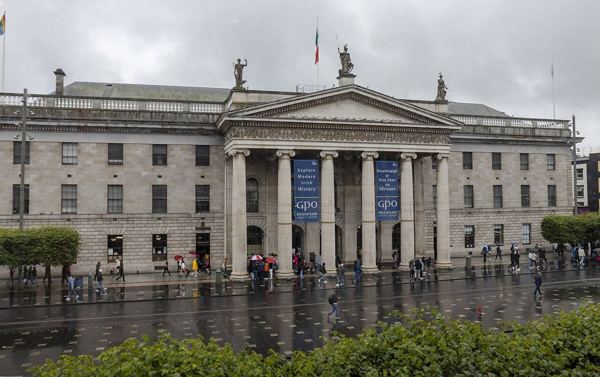
GPO exterior, photographed in June 2024. Photo: ClaireWhi ↗ · CC0
Explore the Easter Rising from the building that became its headquarters. The GPO Museum combines objects, film and interactive interpretation beneath a working Dublin landmark.
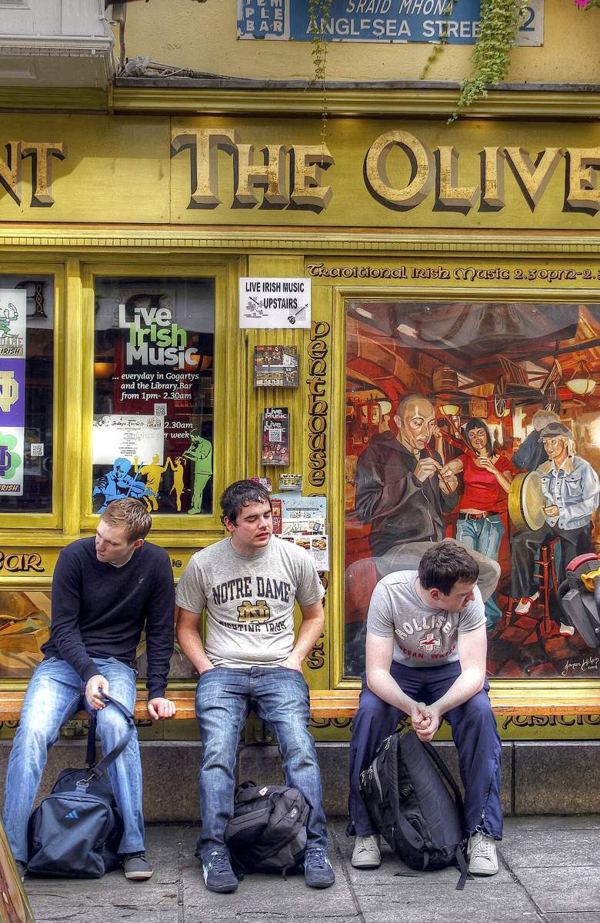
Open place page →The Oliver St John Gogarty pub frontage on Anglesea Street, photographed in September 2012. This shows one pub within the wider Temple Bar neighbourhood. Resized from the credited source. Photo: psyberartist ↗ · CC BY 2.0
Explore Temple Bar as a small cultural neighbourhood: public art in the lanes, photography on Meeting House Square and a film at the IFI can make a better afternoon than simply following the busiest pub…
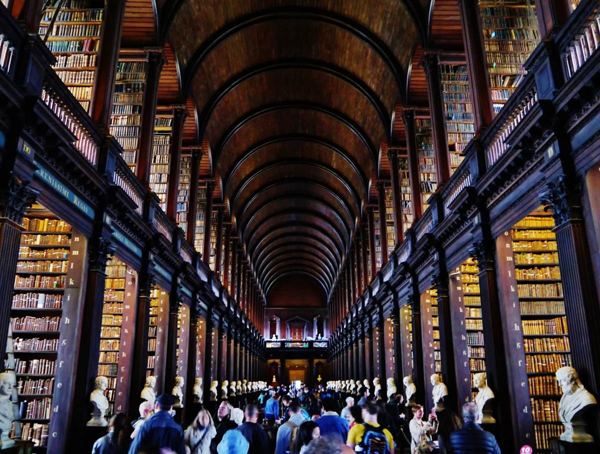
See a 1,200-year-old illuminated manuscript, walk through the Old Library's Long Room and decide whether the newer digital exhibition is worth adding to your Dublin day.
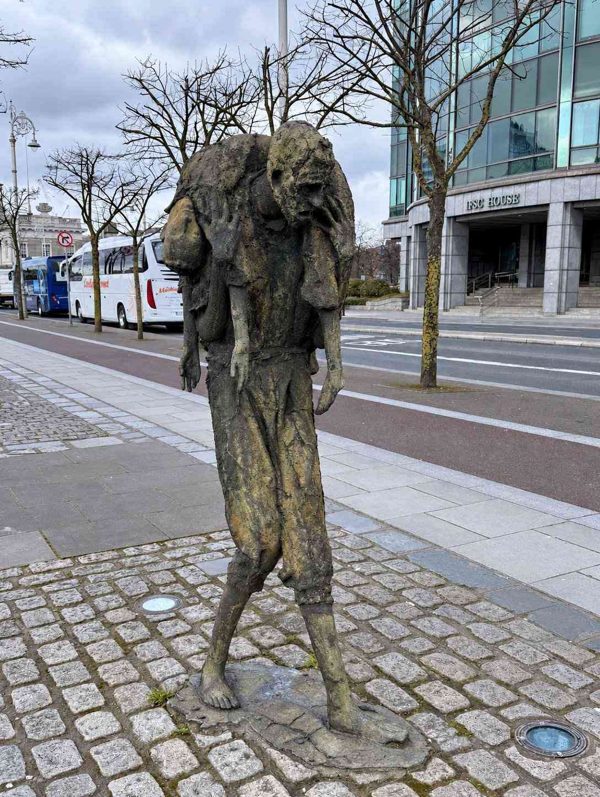
Rowan Gillespie’s public sculpture on Custom House Quay, a place for reflection on famine and emigration.
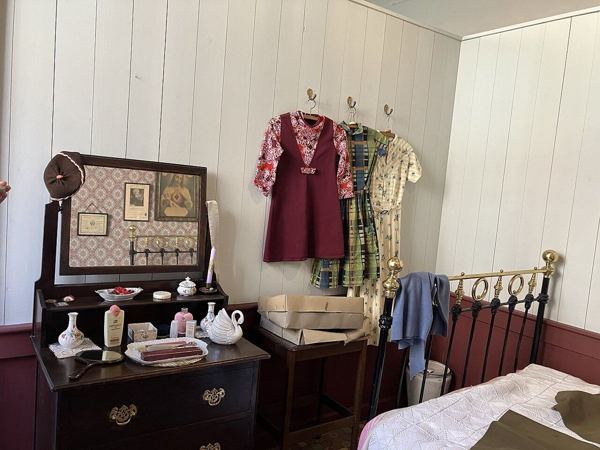
Open place page →Interior exhibition at 14 Henrietta Street, May 2024; displays may change. Retained historical source photograph; not evidence of current displays or access. Photo: さえぼー ↗ · CC0
One house tells a larger Dublin story: Georgian ambition, conversion into tenements and the lives of families who made their homes here. A guided visit supplies the human context.
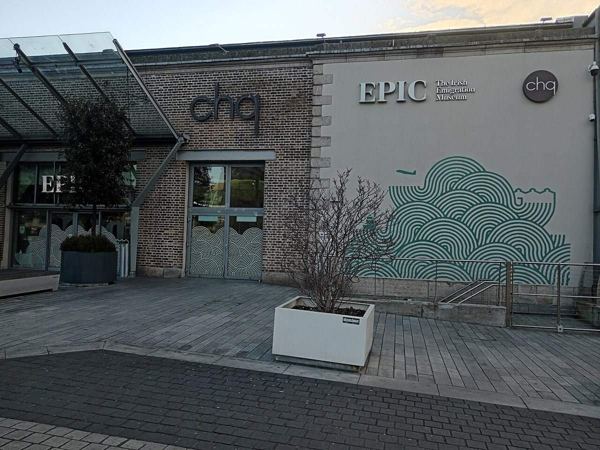
EPIC explores Irish emigration through interactive galleries in the CHQ building. It follows the reasons people left and the cultural, scientific and social influence of lives built abroad.
By Nikhil (Nick) · Editorial notes updated . Researched planning notes explaining this guide's choices; individual listings are not presented as personal visit reviews.
I designed the Dublin guide for the moment when a list of things to do becomes too long to help. The map is useful for discovering possibilities, but a good day needs a smaller decision: what interests this group, what can sit together comfortably, and which visit deserves a booking? That is why the site offers collections, individual place notes and editable plans alongside the map. These are researched planning choices, rather than a claim that I personally inspected every attraction or service in the directory.
For a first city visit, I would begin with a subject and a neighbourhood. Trinity and Kildare Street give the day a different focus from the medieval area around the cathedrals or the river and emigration story in the Docklands. One substantial indoor visit can anchor the plan, with a walk and a meal around it. Adding another famous name is only useful if the arrival arrangements, attention and time still work for everyone travelling.
The wider discovery map deliberately reaches beyond central Dublin. Its radius describes straight-line geography; it does not describe a thirty-minute trip, a public transport fare zone or a walkable circuit. A coastal outing and a city museum afternoon can both be good choices, but they need separate transport thinking. I keep practical arrival links beside the places so that you can investigate the actual last part of the journey before saving a plan that merely looks compact on screen.
Weather changes the order of a Dublin day more easily than it changes its purpose. If your interest is history or art, an indoor collection can remain the centre of the visit while a park or waterfront section becomes optional. I would decide which admission or opening window matters first, then leave the outdoor pieces flexible. A rainy-day collection is a starting selection; it still needs a check of opening hours, ticket coverage and the distance between its individual venues.
The ratings are there to make those trade-offs easier to discuss. Experience describes the likely reward for a suitable visitor; Visitor friendliness considers the practical ease recorded in the research. Read the reasons beneath the numbers, especially when travelling with children, a mobility requirement or a tight budget. A lower practical score can mean a worthwhile place needs more preparation. Keep a short list, open its detailed notes and use the official provider links for the final booking and access decisions.
From the Dublin Short
Five stops. One Dublin walking day.
See the map, visit times and ticket choices before turning the video route into your own plan.