Changing rooms
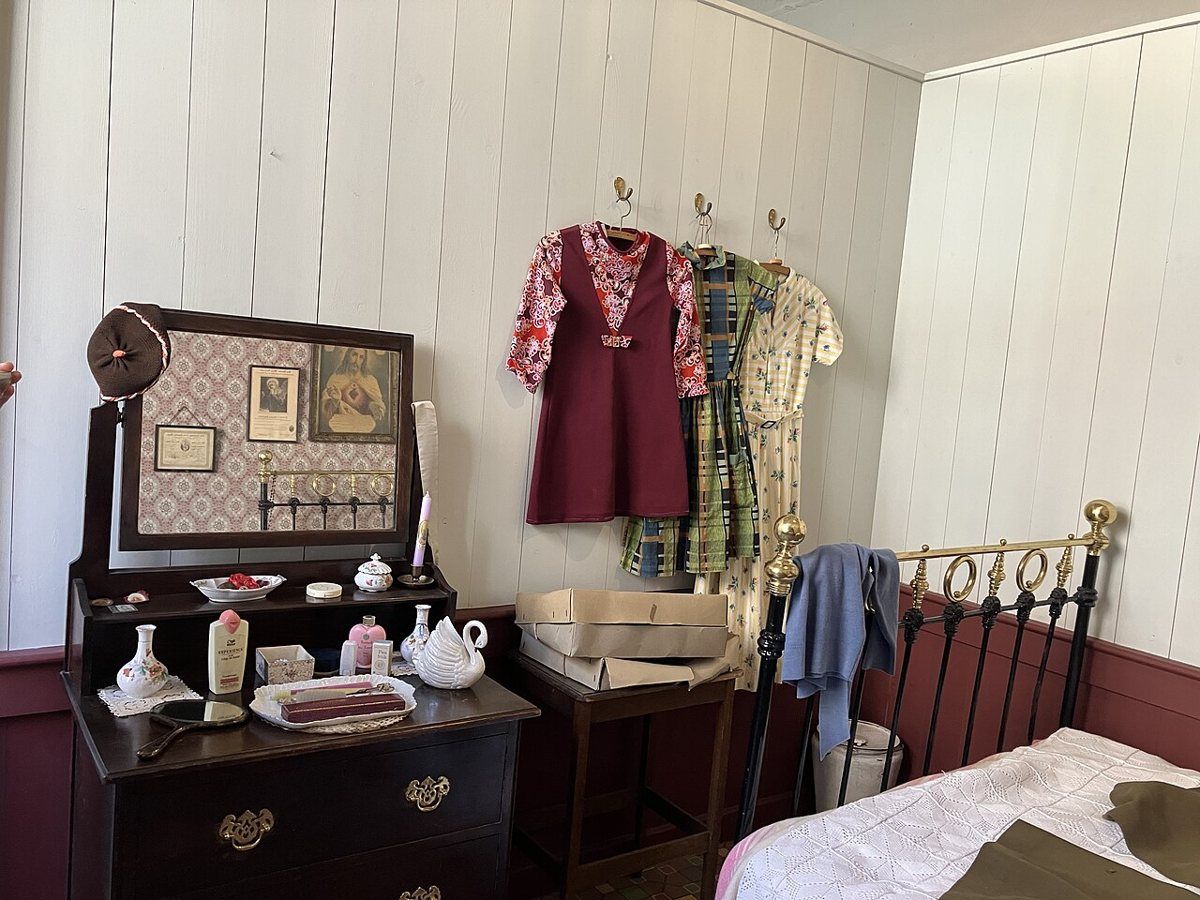
Look at how grand rooms were divided and adapted as the house’s use changed.
heritage · Dublin
One house tells a larger Dublin story: Georgian ambition, conversion into tenements and the lives of families who made their homes here. A guided visit supplies the human context.
Source-based editorial assessment · out of 10
A Georgian house transformed into tenements offers a focused account of changing Dublin lives. Guided resident stories give domestic rooms meaning beyond their architectural appearance.
The city address is manageable, but entry requires a scheduled guided tour with limited capacity. Uneven floors and steep steps make individual access planning worthwhile.
Best for: Dublin social history through personal stories
Planning blend: 7.5 / 10 · Sustainability: unrated
Experience considers the reward and depth of this particular stop. Visitor friendliness considers practical ease: arrival, booking, physical demands, cost and flexibility. These are editorial judgements based on linked information, not visitor averages or a claim of a personal visit.
Assessed . Supporting guide source-check date: 15 October 2026. The assessment date does not mean every linked source was newly checked.
The blend uses (40 × Experience + 55 × Visitor friendliness) ÷ 95, rounded to the nearest half point. Missing sustainability does not affect it. A missing current visit score is not zero and has no blend.
A high score is not a safety clearance or a guarantee of step-free access. Food-stop scores concern the planned visit, not an untested meal. Read the scale and scope · Suggest a correction.
From research
Choose this for social history and storytelling. It is less suitable for an unplanned five-minute drop-in: entry is through a scheduled tour.
Before you go: Expect a historic domestic building with uneven floors and steps, supported by lift access. Check the museum’s visual story if you like to prepare for unfamiliar spaces.
Place highlights
Look at how grand rooms were divided and adapted as the house’s use changed.
Listen for personal memories and domestic details rather than only architectural dates.
The story behind the visit
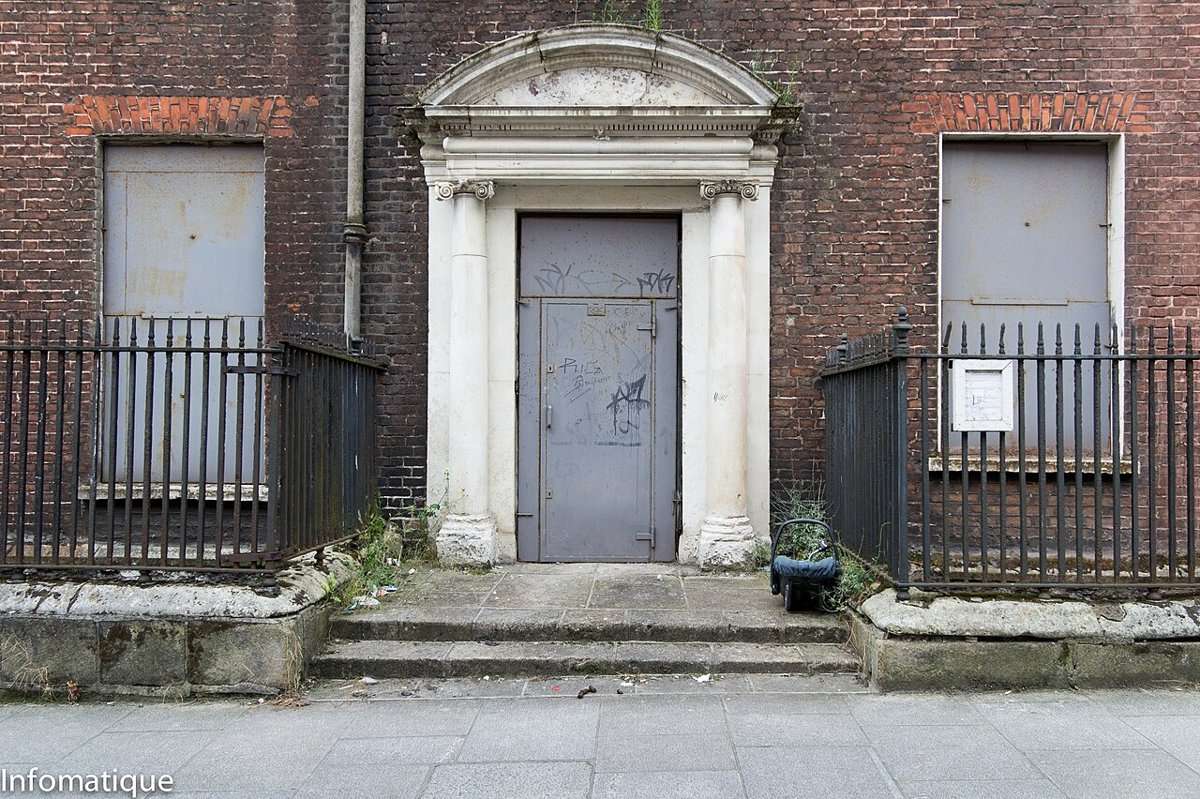
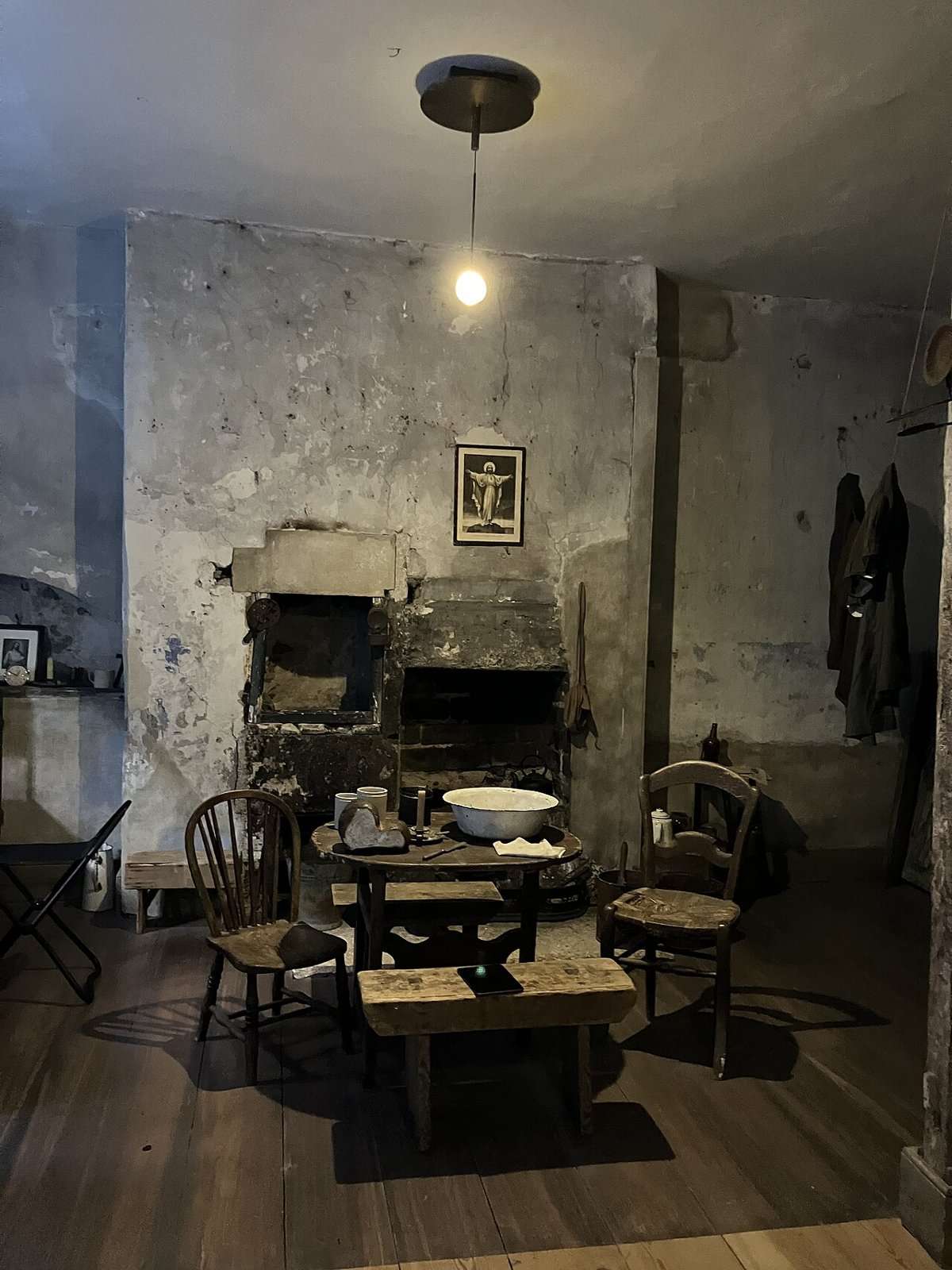
The strength of 14 Henrietta Street is that the building itself carries evidence. A grand townhouse and an overcrowded tenement are not separate subjects here: they are successive uses of the same rooms. The museum follows more than three centuries of urban life through the people who occupied the house, making changes in the city visible at domestic scale. Source ↗
Conservation did not simply polish the house back to its Georgian beginning. The city’s account describes traces retained from later lives, including walls and fittings that would have disappeared in a restoration focused only on elegance. Pay attention to those transitions. A small surviving detail can explain more about how families lived than a room full of decorative furniture. The guide-led format gives space to connect those fragments to the residents rather than treating poverty as scenery. Source ↗
Dated visitor information
Use 14 Henrietta Street, Dublin D01 HH34. Bring the booking confirmation; printed tickets are not required. Official visitor information ↗
Source information checked 15 October 2026; confirm current access and visitor arrangements with the operator.
No. Access is through a guided house tour. Source ↗
The museum publishes an approximate duration of 75 minutes. Source ↗
Yes. The museum lists lift access between floors; contact it in advance about your needs. Source ↗
Nearby options
Distances are straight-line estimates between catalogue pins, within 30 km. Roads, entrances and walking routes may be much longer. Known closed places are excluded; inclusion does not confirm opening today.
heritage · 0.7 km
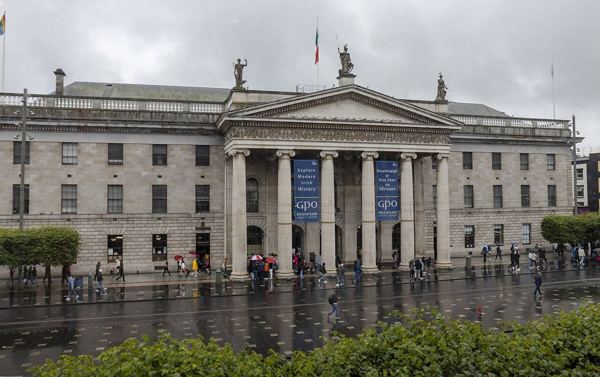
Explore the Easter Rising from the building that became its headquarters. The GPO Museum combines objects, film and interactive interpretation beneath a working Dublin landmark.
Open place page →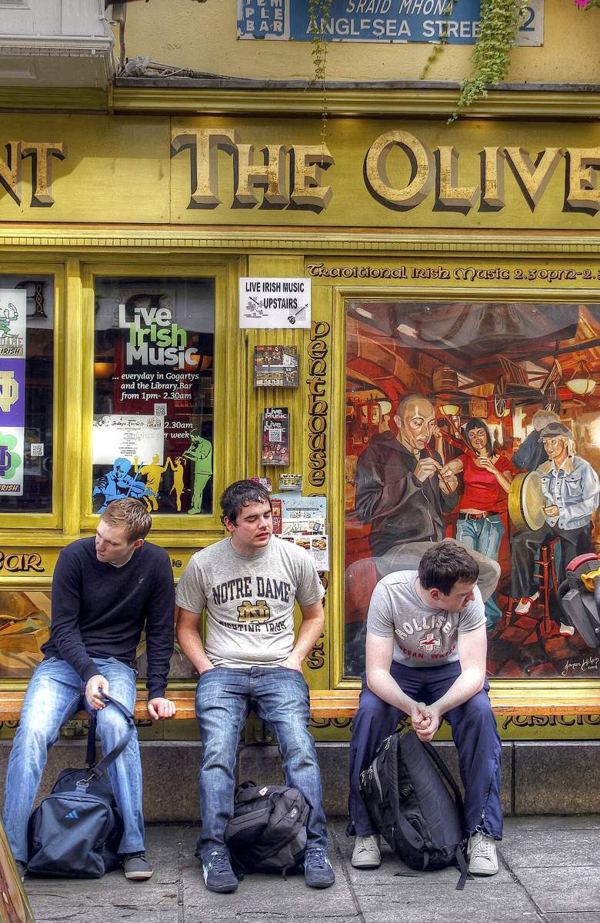
city · 0.8 km
Explore Temple Bar as a small cultural neighbourhood: public art in the lanes, photography on Meeting House Square and a film at the IFI can make a better afternoon than simply following the busiest pub…
Open place page →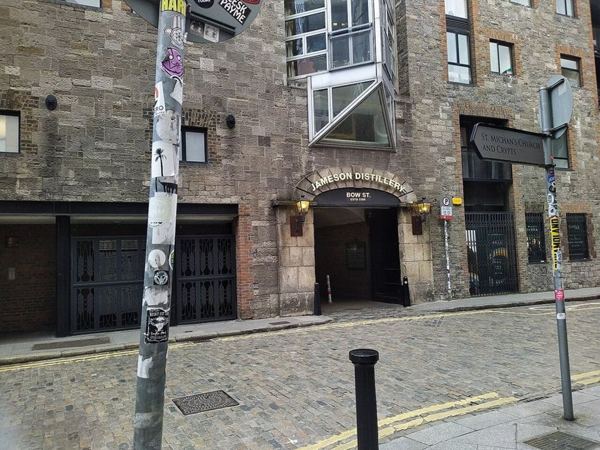
heritage · 0.9 km
Jameson Bow St is the brand’s historic Dublin home and visitor experience. It explains whiskey heritage, but it is not a working production distillery.
Open place page →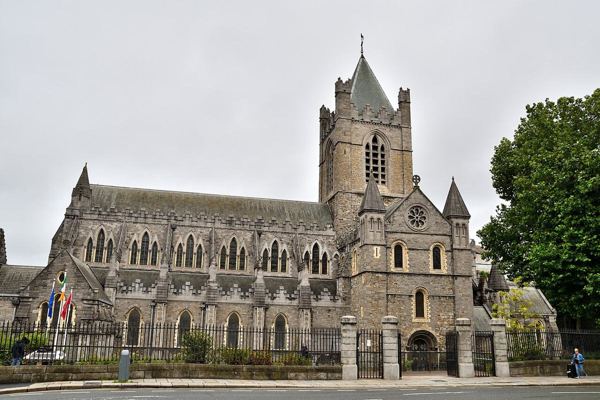
heritage · 1.0 km
Christ Church combines a working Anglican cathedral with a medieval crypt, tiled floors and layers of Dublin history. Visit for architecture and objects, or attend worship for a different experience.
Open place page →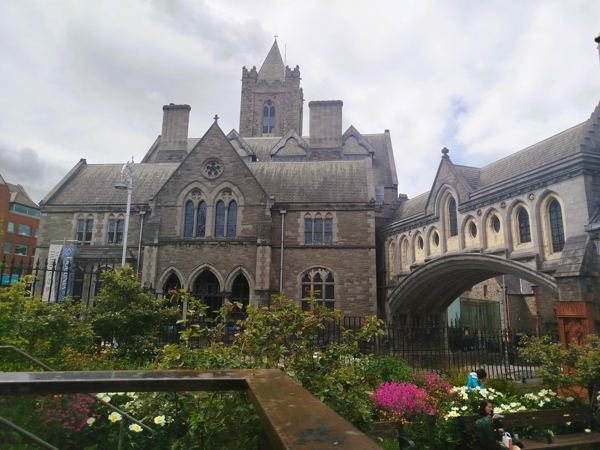
heritage · 1.0 km
Dublinia interprets Viking and medieval Dublin through recreated settings and historical displays beside Christ Church. Its optional tower adds a different perspective on the old city.
Open place page →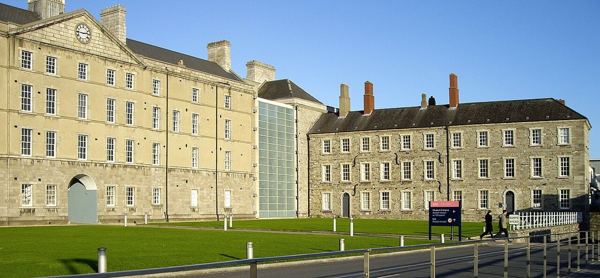
heritage · 1.2 km
Explore decorative arts, design and military history inside the former Collins Barracks beside the Liffey.
Open place page →A visitor’s account centres on the guide’s telling of the lives of the people who occupied the house. That points to the real attraction: social history made specific through one address. It is a stronger choice for someone who wants to listen and follow a story than for someone hoping only to photograph a Georgian interior.
Original paraphrases of public visitor accounts. These are limited perspectives, not a representative survey or a claim of our own visit. Use current operator information for access and opening.
Location & access
Expect a historic domestic building with uneven floors and steps, supported by lift access. Check the museum’s visual story if you like to prepare for unfamiliar spaces.
53.35235, -6.27015 · Reference point; confirm the correct entrance and access. Map © OpenStreetMap contributors.
Source-based place brief. A catalogue reference is not a live availability check or a report of a personal visit.
Visitor details checked 15 October 2026. Page content updated 2026-10-21.
