Panaji, Old Goa and the central north coast, India
Goa
For a first Goa visit, spend three full days around Panaji, Old Goa and the Candolim–Sinquerim coast instead of attempting the whole state. This gives you neighbourhood walks, significant churches, a fort and unhurried beach time. November–February is a useful starting window. Sea access always depends on lifeguard guidance and daily conditions.
Goa is a state, not one beach resort. A three-day trip becomes much easier when you choose one base and a compact area. This guide concentrates on Panaji and the central north coast, with Old Goa as a dedicated heritage day. It does not promise to cover the southern beaches, inland waterfalls and northern villages in the same short break. Add nights and a second base if those are your main priorities.
Panaji gives the trip a useful city counterpoint: lived-in streets, churches, restaurants and access to the historic capital at Old Goa. The latter deserves its own time for the scale and detail of the church complexes. Along the coast, an Aguada visit followed by Sinquerim and Candolim can be a full, relaxed day. Repeated taxi rides to different beaches often deliver less than simply choosing one stretch and staying for the changing light.
Match accommodation to the holiday you actually want. A walkable city base is helpful for heritage days; a coastal stay suits repeated beach time but may require a transfer for the other two plans. Ask about road access, nearby construction, evening noise and cancellation terms before comparing room prices. The month guide describes seasonal suitability and the scores are editorial judgements, never aggregated visitor reviews.
When should you go?
Goa is tropical, with a hot build-up before monsoon rain that normally dominates June–September. Our labels favour a first trip combining heritage and coast, rather than specialist monsoon travel. Even in the generally drier months, a beach forecast does not establish safe swimming conditions; follow the lifesavers on site.
Tap a month for the tradeoff. These are editorial seasonal patterns; weather varies.
JanGood
A useful coast-and-heritage window; reserve stays ahead of busy dates.
FebGood
Generally comfortable for a mixed itinerary with midday shade breaks.
MarMixed
Warmer conditions favour early heritage visits and slower afternoons.
AprMixed
Keep walking short in the heat and choose accommodation carefully.
MayChallenging
Heat and humidity make long exposed sightseeing days less appealing.
JunChallenging
Monsoon arrival changes sea conditions and outdoor activity availability.
JulChallenging
Plan around heavy rain; beach swimming is not a default activity.
AugChallenging
Expect wet-weather flexibility and verify every seasonal excursion.
SepMixed
Rain may continue; select a heritage focus and refundable plans.
OctMixed
A transition month with variable rain and reopening of seasonal services.
NovGood
Often suits the combined coast and city itinerary in this guide.
DecGood
Good seasonal fit, with holiday crowds and accommodation pressure.
Does it fit your trip?
Five editorial suitability scores, each out of five. Open a category to see the reasoning. These are not visitor averages. How we rate.
Old Goa and Panaji add substantial cultural interest alongside the coast.
Car-free ease3 / 5
A compact base helps, but attraction-to-attraction public transport requires extra planning.
Family suitability4 / 5
A relaxed beach-and-heritage mix suits many families; water access needs close supervision.
Value3 / 5
Value varies sharply by season, location and transport; peak holiday stays can be expensive.
What is the best way to get around?
The best option depends on the stops you choose. These comparisons explain the tradeoffs; routes, availability and fares need a current check.
Local buses for patient, compact plans
Kadamba’s official route search helps with current routes and timings. Public transport is most practical when staying near a useful connection and accepting some waiting. Confirm the return service before an evening beach stay; do not assume a direct link between every attraction.
Convenient for the fort-and-beach day or several travellers sharing a transfer. Agree the total hours, distance allowance, parking and return arrangement. Match the pickup to your actual airport and hotel; similarly named Goa arrival points are not interchangeable.
GTDC lists heritage experiences and activities. Read the actual inclusions, starting location, walking distance and cancellation conditions. A focused Old Goa or Panaji walk can add useful context without turning the whole holiday into a bus circuit.
Combine these local day plans or use just one. Stop times are suggested visit allowances, not opening hours or travel times. Leave additional time for meals and transfers.
Day option 1: Panaji: streets, church and estuary coast
Start with the church setting and visit inside only if permitted. The prominent steps are a consideration for limited mobility. Check service times and use a quieter alternative stop if a religious event is in progress.
Take a small street circuit or a booked local heritage walk, followed by lunch. Give residents space and photograph from public areas. The point is to notice the neighbourhood, not to enter homes for better angles.
Use a separate short transfer for an evening walk if weather allows. This is a coastal-view stop; do not assume swimming is suitable. Keep the return simple so there is time for an unhurried dinner in Panaji.
Travel to Old Goa in the morning and confirm visitor access around worship. Allow time to observe the exterior and permitted interior details without treating the basilica as a background for a quick selfie.
Continue to this nearby complex at a gentle pace, adding shade and water breaks. Check which spaces are open that day. Keep visits to adjacent buildings optional instead of buying or entering everything available.
Allow the separate walk or short ride west after lunch, depending on heat and access. Follow barriers and remain on permitted paths. Return to your base without adding a far-away beach to an already complete day.
Confirm the upper-fort entrance with your driver: the coastal and hilltop areas are distinct. Start before the hottest part of the day when possible. The exposed stone surfaces and approach may not suit every mobility level.
Take the road transfer down and stop for lunch or a shoreline walk. Follow current lifesaver instructions before considering any water activity. Do not combine a rushed boat excursion with a tightly scheduled next stop.
Finish on one stretch of coast and allow time simply to sit or walk. Confirm your return pickup in advance and keep belongings attended. Seasonal beach facilities can change; choose a meal based on what is operating that day.
Check the airport name and code on the ticket before arranging transfers. Obtain a quote to the exact hotel rather than to Goa in general. Keep the arrival day light and avoid booking a fixed heritage tour too close to your flight arrival.
Use the beach flags and lifesavers
Drishti’s lifesavers move designated swimming zones as conditions change. Ask the on-duty team where, or whether, swimming is permitted and remain within the instructed area. A calm-looking surface is insufficient evidence of safety, and an attractive sunset is not a reason to enter after supervision ends.
Keep heritage visits respectful
Old Goa’s churches and Panaji’s religious buildings are active sacred spaces as well as attractions. Dress appropriately, keep quiet during services and follow photography restrictions. Confirm visiting hours around worship and do not assume every church interior is always available.
Protect the lived-in neighbourhoods
Fontainhas is not a film set. Keep doorways clear, avoid entering private property for a photograph and ask before including residents. Choose a small guided walk if you want architectural context without spending the visit hunting for the same social-media backdrop.
Avoid a state-wide three-day checklist
Do not append Palolem, a far-north beach and Dudhsagar to these days. Longer transfers would overwhelm the compact route. If southern beaches are the priority, redesign the base and local days instead of treating this itinerary as compulsory.
Budget for the whole outing
Compare transfers, entry, meals and any equipment as well as room rates. Ask whether an activity quote includes pickup and the specific experience advertised. Leave time to change and rest after the beach before a restaurant booking or airport departure.
Prepare a wet-weather version
Replace exposed coastal time with a shorter heritage visit, a booked cultural experience or a relaxed meal when safe to travel. Heavy rain can affect roads as well as the beach. Do not assume a waterfall outing is a safer automatic substitute.
Use estimated durations honestly
Stop times below are flexible visit allowances, with transfers, meals and queues added separately. Pins identify an attraction or neighbourhood, not a verified accessible entrance. Check the final approach and the day’s conditions before navigating.
Your questions, answered
Should I choose North or South Goa for three days?
Choose one base around your priorities. This guide uses Panaji and the central north coast for an easy heritage-and-beach mix. If a quieter southern beach stay is the main aim, build the holiday around that area and leave most northern sights for another visit.
Can I use this itinerary during the monsoon?
The heritage elements can remain useful when sites and roads are open, but the coastal day needs major flexibility. Rain, sea conditions and seasonal closures can change activities. Treat the beach as a view or walking stop only when local conditions and instructions allow.
Do I need to rent a scooter in Goa?
No. A walkable base, buses for suitable journeys and pre-arranged taxis can cover these days. Choose transport according to driving experience, legal requirements, weather and the group’s needs. A scooter should never be the automatic solution to an inconvenient hotel location.
Your own field notes
Visited? Record your personal category ratings for next time. They stay on this device and are not published or counted as visitor reviews.
Sources & editorial notes
Researched for TheLazyNick using the sources below. This is a source-based planning guide, not a claim of a personal visit. The suggested routes, timings and suitability scores are editorial judgements.
Source check: . Check live notices before setting off.
Distances are straight-line estimates between catalogue pins, within 30 km. Roads, entrances and walking routes may be much longer. Known closed places are excluded; inclusion does not confirm opening today.
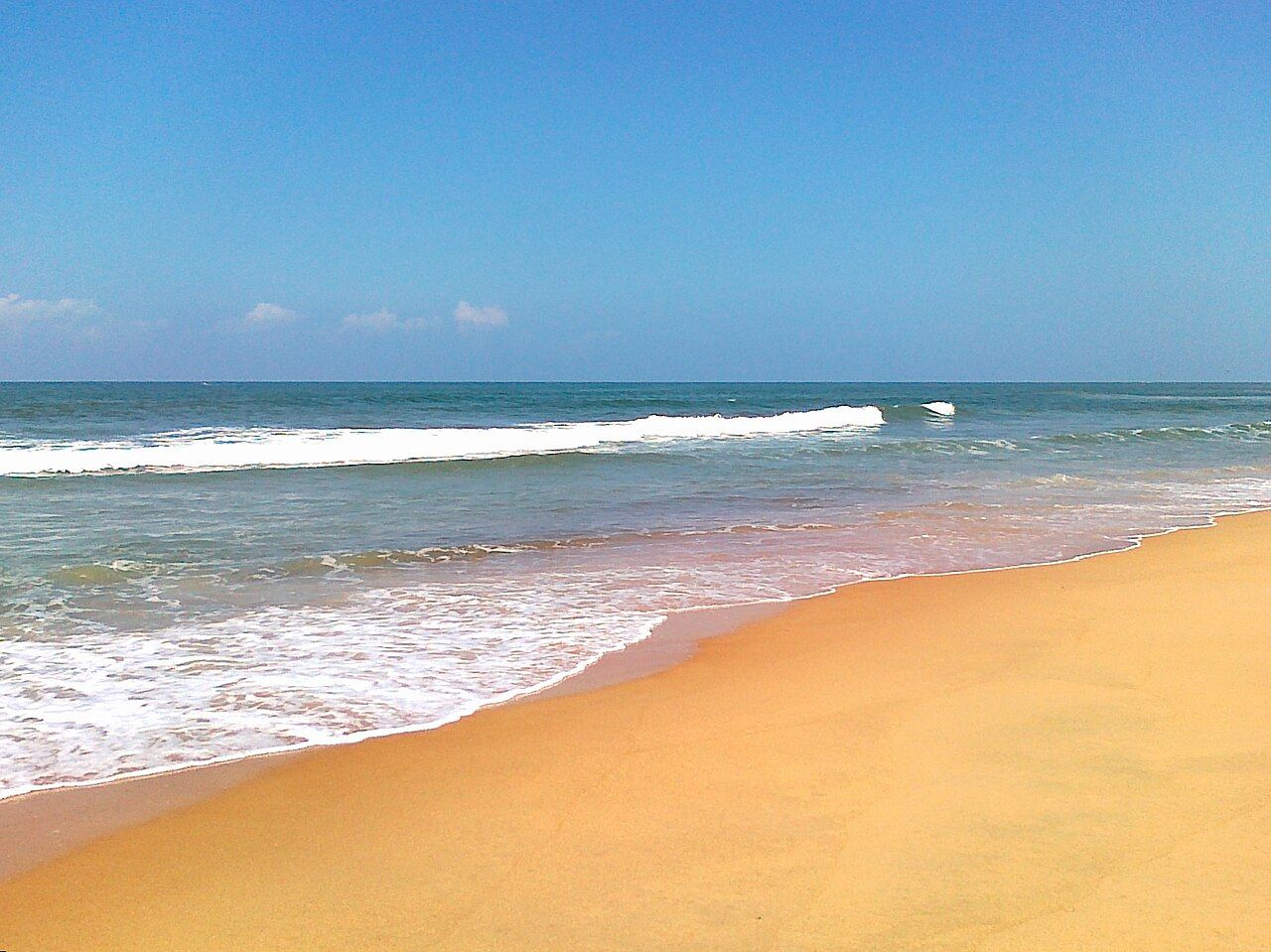
Stop at Sinquerim for a shoreline walk near Aguada’s coastal fortifications, with time for a meal before continuing to Candolim.
Open place page →Candolim Beach in October 2011; facilities and shoreline conditions may differ today. Existing site image. Photo: FaizanAhmad21 ↗ · CC0
By Nikhil (Nick) · Editorial notes updated . Researched itinerary design focused on Panaji, Old Goa and the central north coast, not a personal inspection of every stop.
I made this Goa guide deliberately narrower than the state name. A short stay around Panaji, Old Goa and Candolim–Sinquerim has a coherent shape: neighbourhoods, significant churches, a fort and time at the coast. Adding every well-known beach would change that into a transport exercise. These notes explain a researched planning choice. They do not describe my personal visit to each place, and the suggested programme should be adapted to your base, interests and the conditions on your dates.
The base is the first useful decision. If the churches and city streets are the main attraction, accommodation that supports those days may be more helpful than a coastal address chosen only for its photograph. If repeated beach time is the purpose, reverse that priority and allow a separate transfer for heritage sightseeing. I would check the actual approach, evening surroundings and likely journeys before comparing room prices. A cheaper booking can ask for more travelling than the holiday you intended.
I give Old Goa its own day because substantial buildings reward more than a quick circuit between entrances. Read the visitor information for the sites you want to enter, check any relevant opening arrangements and dress with their religious setting in mind. A quieter break between visits is part of the day. Panaji's streets and a meal can provide a different pace on another day, without trying to turn the city into a brief stop on the way to the beach.
For the coastal day, the point is to leave enough time at one stretch to enjoy it. An Aguada visit can sit beside Sinquerim and Candolim without making a string of distant beaches compulsory. Seeing the sea and entering it are separate decisions. Follow current lifeguard flags, local restrictions and conditions; a season label or an attractive photograph is not permission to swim. If the coast is unsuitable for the intended activity, shorten that part and choose another subject for the day.
The monthly guidance is there to begin a conversation about weather and atmosphere, rather than guarantee either. Confirm current transport, tickets and access through the source links before committing money. Then keep some space in the plan for a longer lunch, an interesting building or a slow evening. My goal is a guide that helps you choose a recognisable version of Goa, with enough detail to make it workable, rather than a promise that three days can introduce every part of the state.