Viking Dublin
Follow the museum’s interpretation of settlement and life in the early city.
heritage · Dublin
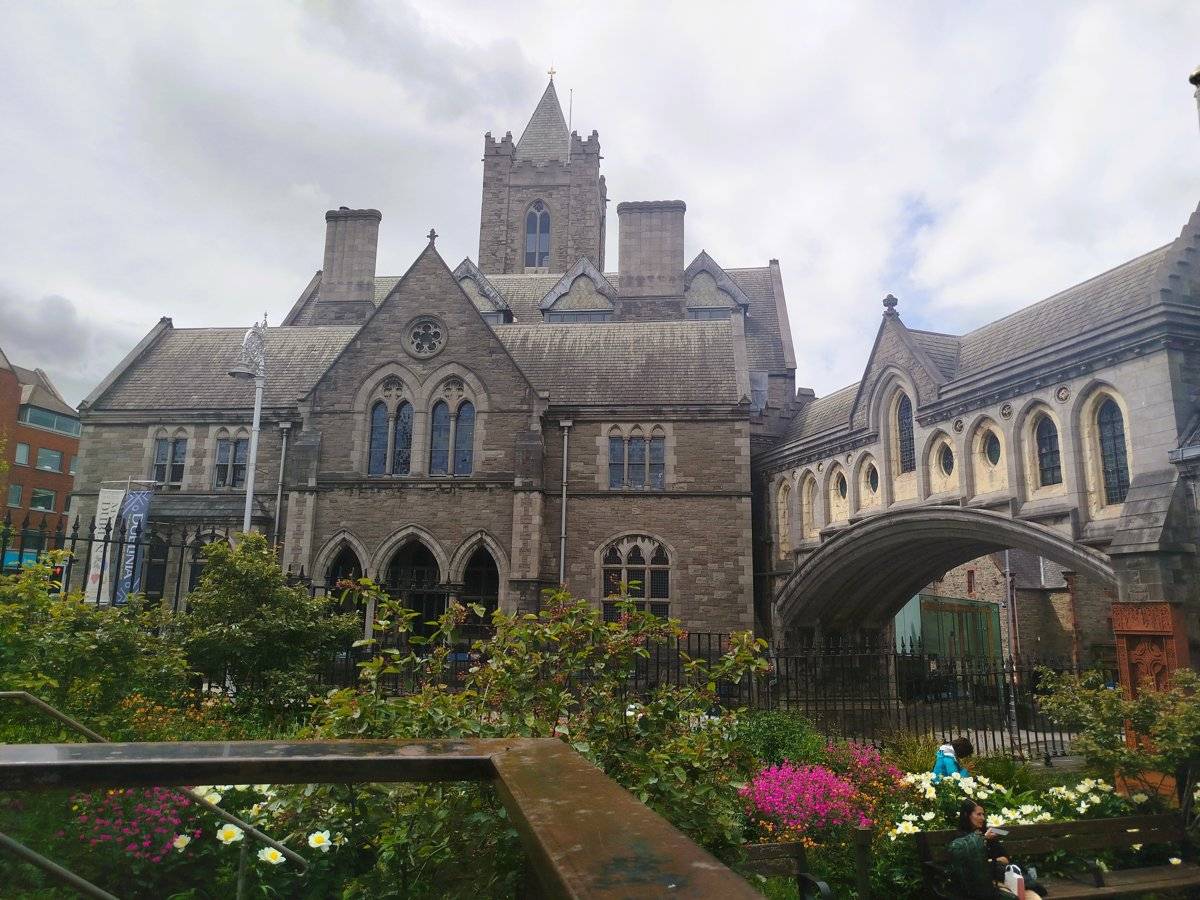
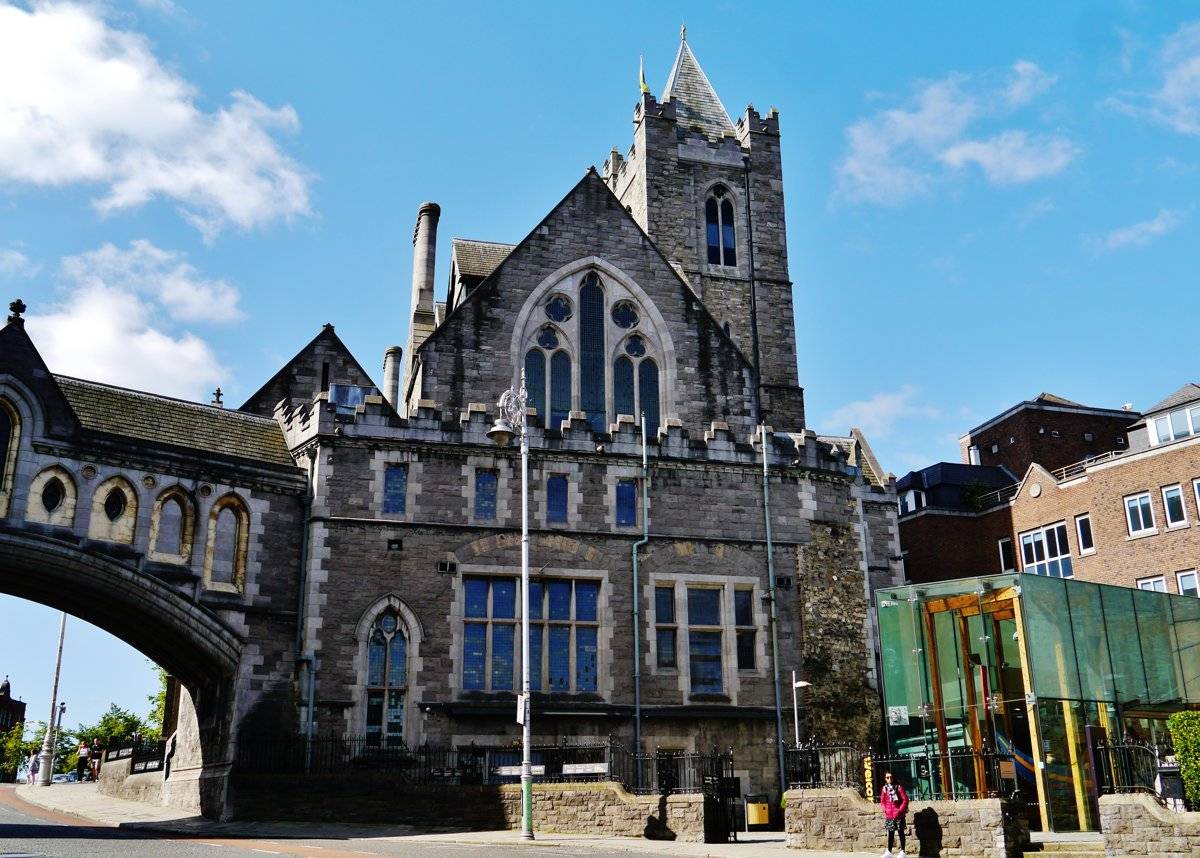
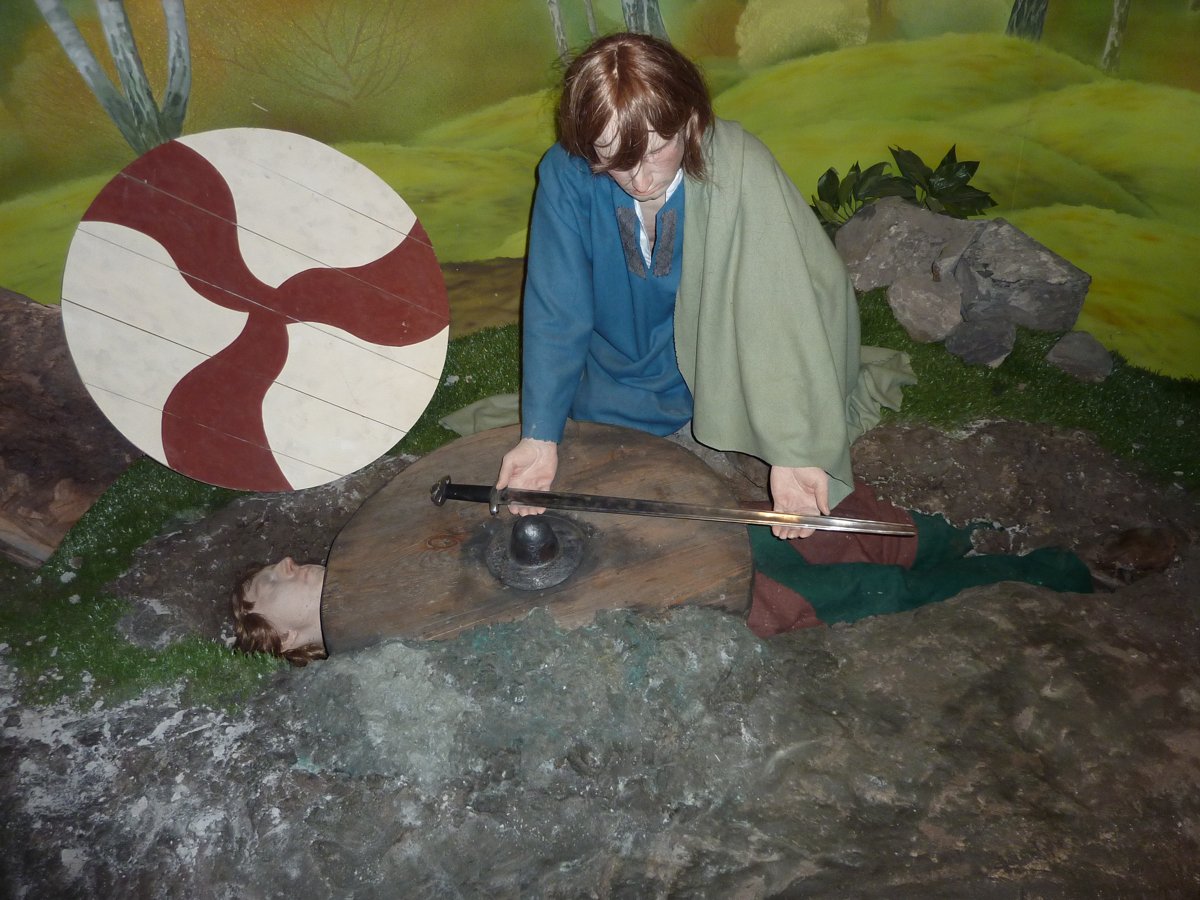
Dublinia interprets Viking and medieval Dublin through recreated settings and historical displays beside Christ Church. Its optional tower adds a different perspective on the old city.
Source-based editorial assessment · out of 10
Reconstructed streets and domestic settings make Viking and medieval city life easier to picture. Its interpretive approach complements the original archaeological objects displayed in other museums.
The central Christ Church location and exhibition lifts simplify a museum visit. Admission products need checking; optional St Michael’s Tower adds stairs and has no lift.
Best for: An introduction to Viking and medieval Dublin
Planning blend: 8.0 / 10 · Sustainability: unrated
Experience considers the reward and depth of this particular stop. Visitor friendliness considers practical ease: arrival, booking, physical demands, cost and flexibility. These are editorial judgements based on linked information, not visitor averages or a claim of a personal visit.
Assessed . Supporting guide source-check date: 15 October 2026. The assessment date does not mean every linked source was newly checked.
The blend uses (40 × Experience + 55 × Visitor friendliness) ÷ 95, rounded to the nearest half point. Missing sustainability does not affect it. A missing current visit score is not zero and has no blend.
A high score is not a safety clearance or a guarantee of step-free access. Food-stop scores concern the planned visit, not an untested meal. Read the scale and scope · Suggest a correction.
From research
Good for visitors who want an accessible introduction to how the medieval city worked. Choose the National Museum as well if you want to spend longer with archaeological objects.
Before you go: This is an interpretive museum, not a surviving Viking settlement. Exhibition lift access does not extend to St Michael’s Tower.
Place highlights
Follow the museum’s interpretation of settlement and life in the early city.
Use reconstructed settings to picture how people worked and lived.
Consider the tower only if stairs suit you; it has no lift.
The story behind the visit
Dublin’s old street plan can be hard to imagine beneath modern traffic. Dublinia uses reconstruction and interpretation to make the earlier city legible, placing visitors in the world of Viking and medieval inhabitants. It works best as a framework for looking at the surrounding historic area rather than as a substitute for every other museum. Source ↗
Ask what evidence supports each reconstruction: a house or street set is a modern way of communicating history, while archaeology supplies fragments from the past. After the displays, compare that imagined city with the cathedral precinct outside. The tower is another layer again, an original medieval structure rather than an exhibition set. Its stairs make it a separate access decision; skipping the climb does not mean missing the lift-served exhibition floors. Source ↗
Dated visitor information
Dublinia is at Christ Church, at the junction of St Michael’s Hill, Patrick Street and High Street. Use its official arrival directions rather than an outdated bus-route list. Official visitor information ↗
Source information checked 15 October 2026; confirm current access and visitor arrangements with the operator.
No. The operator confirms no lift to St Michael’s Tower. Source ↗
Yes. Dublinia lists lift access to all its exhibitions. Source ↗
No. It is a separate museum connected to Christ Church by an archway; check ticket inclusions. Source ↗
Nearby options
Distances are straight-line estimates between catalogue pins, within 30 km. Roads, entrances and walking routes may be much longer. Known closed places are excluded; inclusion does not confirm opening today.
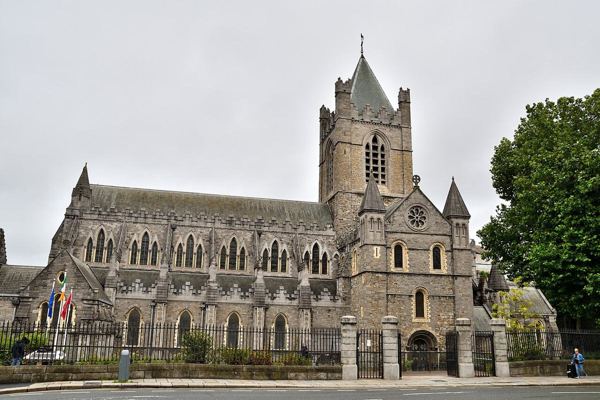
heritage · 0.1 km
Christ Church combines a working Anglican cathedral with a medieval crypt, tiled floors and layers of Dublin history. Visit for architecture and objects, or attend worship for a different experience.
Open place page →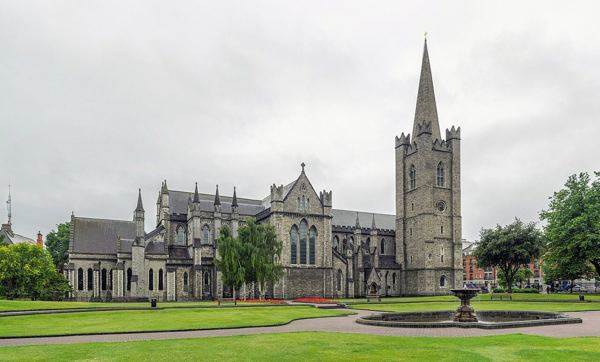
heritage · 0.4 km
St Patrick’s is Ireland’s national cathedral in the Church of Ireland tradition, with literary connections, monuments and a continuing pattern of worship. It is a separate visit from Christ Church Cathedral.
Open place page →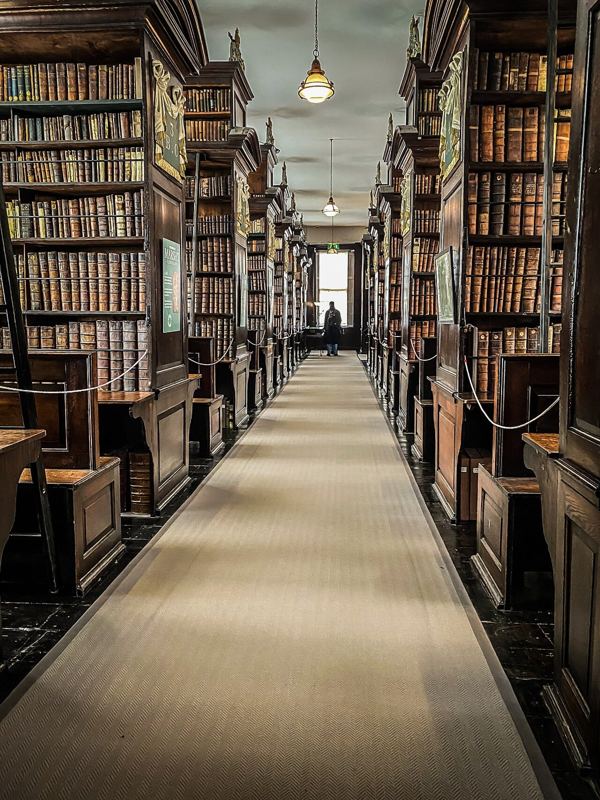
heritage · 0.5 km
Marsh’s Library offers a small-scale encounter with historic books, oak shelves and the reading spaces of an early public library. It stands beside St Patrick’s Cathedral but is a separate visit.
Open place page →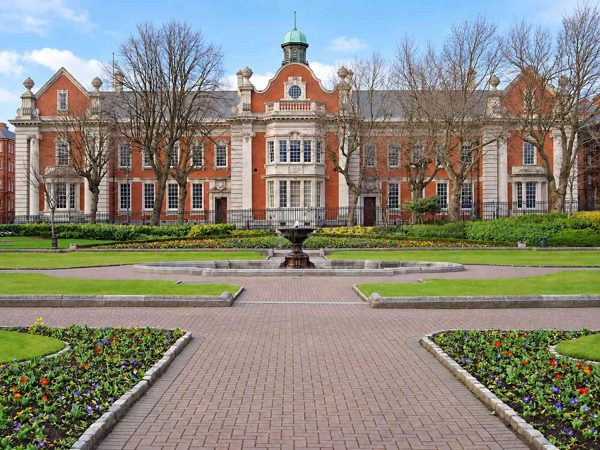
attraction · 0.5 km
A neighbourhood walk through Dublin’s weaving, trade and brewing history, with independent streets and separately ticketed attractions.
Open place page →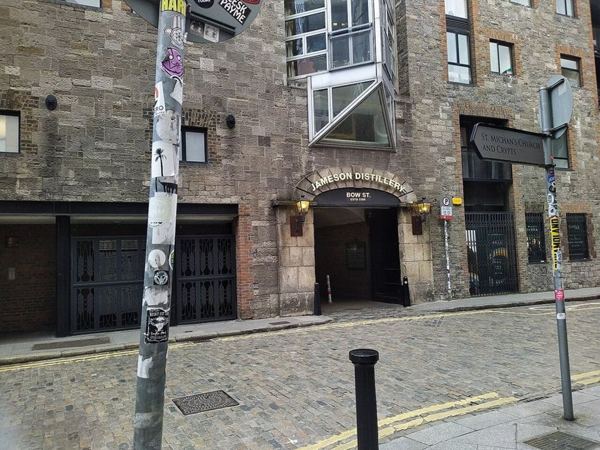
heritage · 0.5 km
Jameson Bow St is the brand’s historic Dublin home and visitor experience. It explains whiskey heritage, but it is not a working production distillery.
Open place page →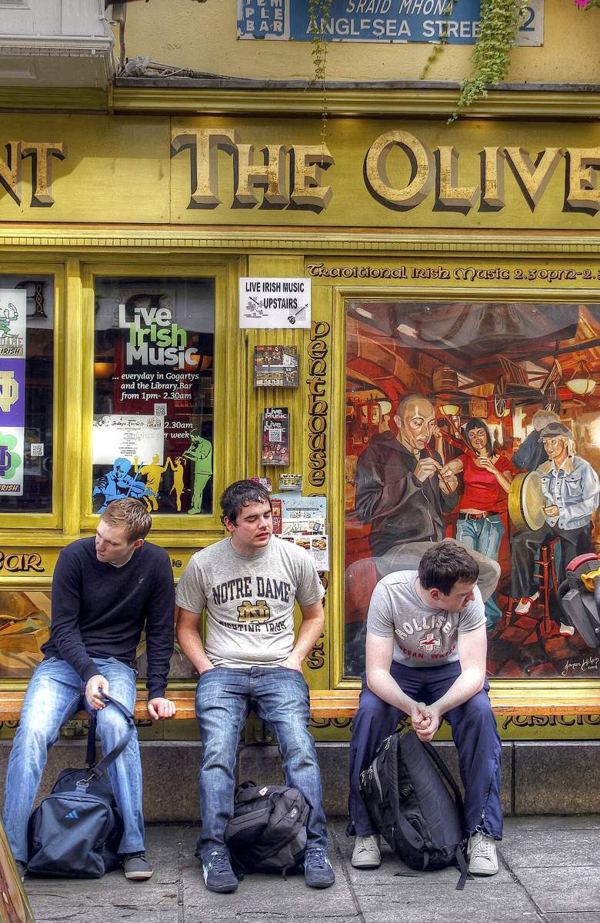
city · 0.6 km
Explore Temple Bar as a small cultural neighbourhood: public art in the lanes, photography on Meeting House Square and a film at the IFI can make a better afternoon than simply following the busiest pub…
Open place page →A family account mentions children engaging with the hands-on activities and dressing-up elements. Another describes an enjoyable visit that was busy at the time. Those examples suggest a different museum mood from quiet object study: come for an active introduction to the subject, and allow some patience around shared displays.
Original paraphrases of public visitor accounts. These are limited perspectives, not a representative survey or a claim of our own visit. Use current operator information for access and opening.
Location & access
This is an interpretive museum, not a surviving Viking settlement. Exhibition lift access does not extend to St Michael’s Tower.
53.34324, -6.27202 · Reference point; confirm the correct entrance and access. Map © OpenStreetMap contributors.
Source-based place brief. A catalogue reference is not a live availability check or a report of a personal visit.
Visitor details checked 15 October 2026. Page content updated 2026-10-21.