
Changing Ireland
Follow the museum’s galleries on cultural and social change.
heritage · Dublin
Explore decorative arts, design and military history inside the former Collins Barracks beside the Liffey.
Source-based editorial assessment · out of 10
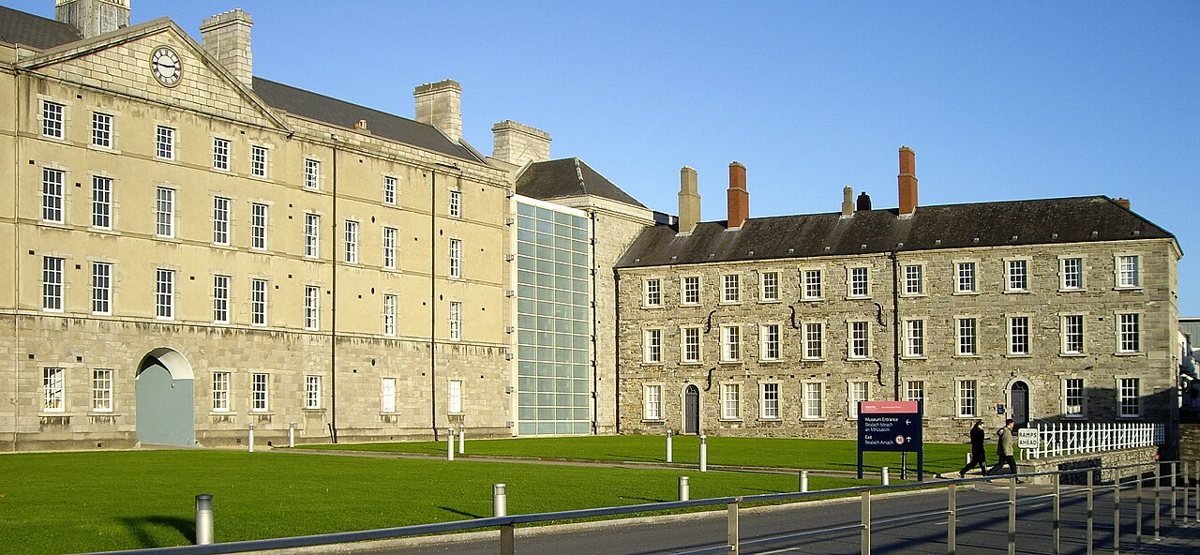
Decorative objects, design and social history give the collections breadth, while the barracks courtyard adds architectural context. Selecting a theme makes the substantial museum easier to absorb.
Free general admission and published café, toilet and floor-plan information reduce planning friction. The separate museum site and changing gallery availability call for checking your chosen exhibits.
Best for: Design, material culture and Irish social history
Planning blend: 8.5 / 10 · Sustainability: unrated
Experience considers the reward and depth of this particular stop. Visitor friendliness considers practical ease: arrival, booking, physical demands, cost and flexibility. These are editorial judgements based on linked information, not visitor averages or a claim of a personal visit.
Assessed . Supporting guide source-check date: 15 October 2026. The assessment date does not mean every linked source was newly checked.
The blend uses (40 × Experience + 55 × Visitor friendliness) ÷ 95, rounded to the nearest half point. Missing sustainability does not affect it. A missing current visit score is not zero and has no blend.
A high score is not a safety clearance or a guarantee of step-free access. Food-stop scores concern the planned visit, not an untested meal. Read the scale and scope · Suggest a correction.
From research
A useful choice for visitors who prefer objects and social history to a single headline artefact. The collections cover several themes, so select galleries rather than trying to absorb everything.
Before you go: General admission is free. Individual galleries and temporary exhibitions can change; use the museum’s current listings to decide your priorities.
Place highlights
Follow the museum’s galleries on cultural and social change.
Look at how practical objects also communicate taste, craft and status.
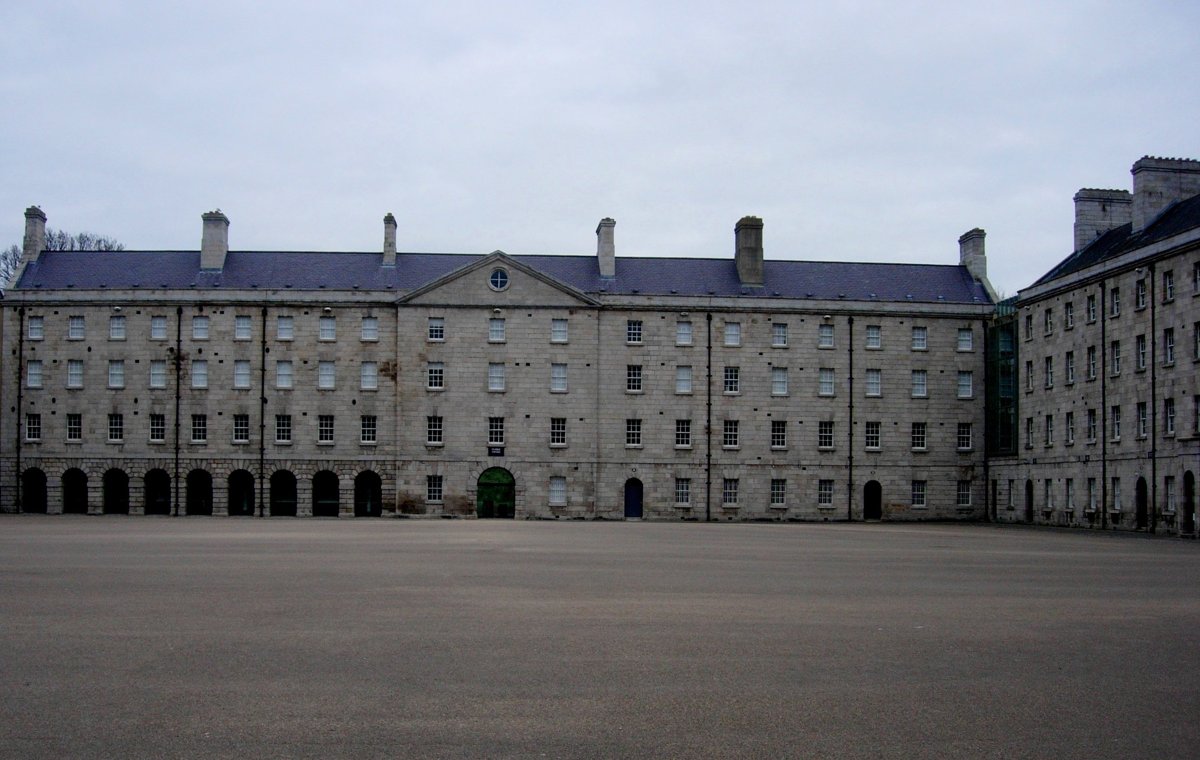
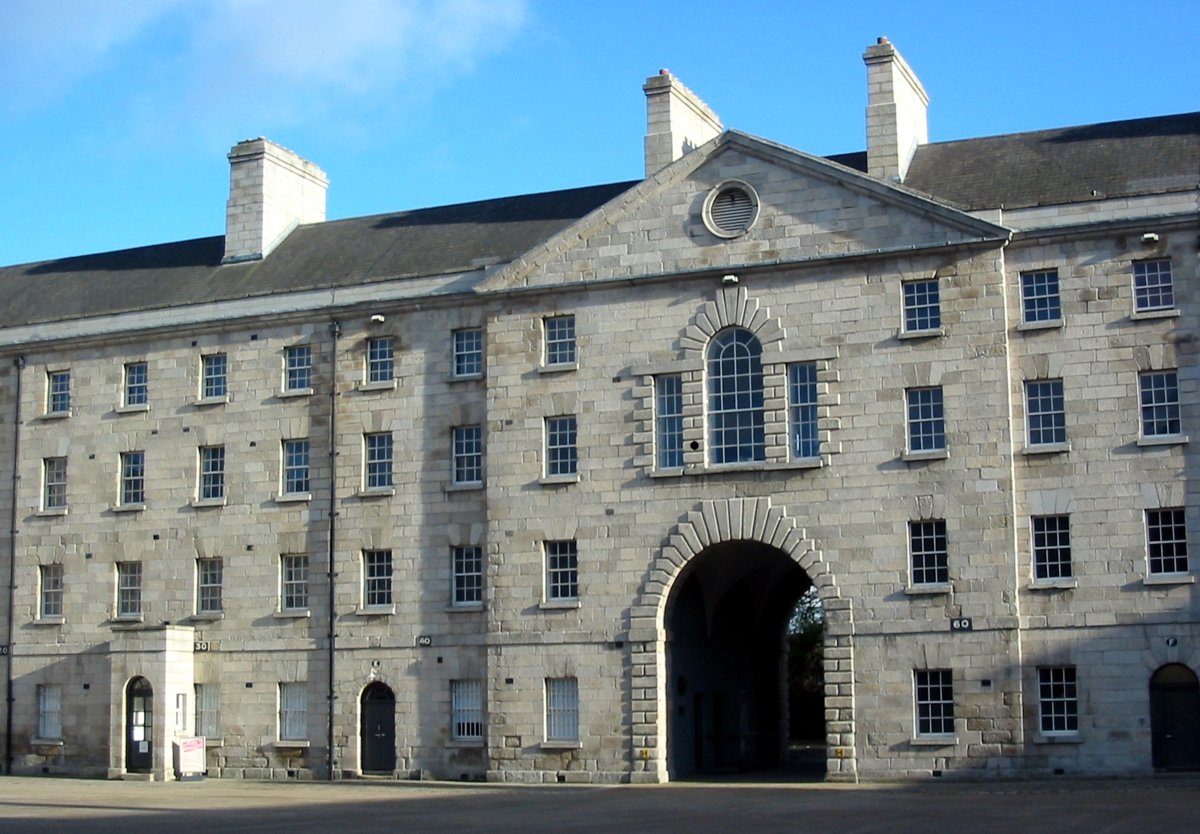
Take in the courtyard and building before moving between galleries.
The story behind the visit
Collins Barracks brings different kinds of history into the same visit. Furniture, clothing and decorative objects can tell stories about everyday choices, while military collections address institutions and conflict. That combination is more revealing when objects are read together: ask who made something, who could afford it and what its owner wanted it to say. You do not need specialist knowledge to begin noticing those differences. Source ↗
The former barracks is part of the experience, not simply a container for exhibits. A courtyard once organised around military life now leads visitors into a national collection concerned with culture and change. For a manageable first visit, choose a theme that matters to you and spend time looking closely. A family might compare materials and uses; a design-minded visitor might follow form and workmanship. The museum’s changing programme rewards checking the current gallery list instead of arriving with an old list of must-see rooms. Source ↗
Dated visitor information
Collins Barracks, Benburb Street, Dublin 7. Use the museum’s location map and current arrival guidance. Official visitor information ↗
Source information checked 15 October 2026; confirm current access and visitor arrangements with the operator.
No. The archaeology collection is at Kildare Street; this site focuses on decorative arts, design and history. Source ↗
The museum lists free admission; some events or group visits may have separate arrangements. Source ↗
Check current gallery notices first, especially before travelling for a single collection. Source ↗
Nearby options
Distances are straight-line estimates between catalogue pins, within 30 km. Roads, entrances and walking routes may be much longer. Known closed places are excluded; inclusion does not confirm opening today.
heritage · 0.6 km
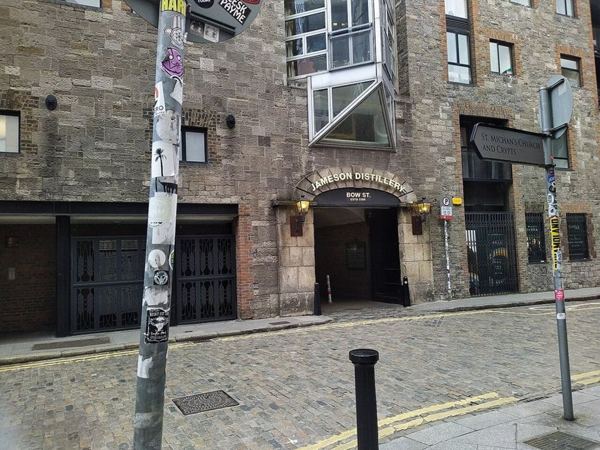
Jameson Bow St is the brand’s historic Dublin home and visitor experience. It explains whiskey heritage, but it is not a working production distillery.
Open place page →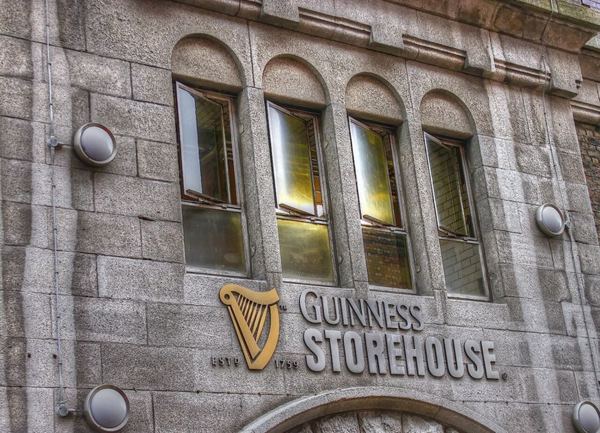
heritage · 0.6 km
Follow the Guinness visitor experience at St James’s Gate, finishing with city views from Gravity Bar.
Open place page →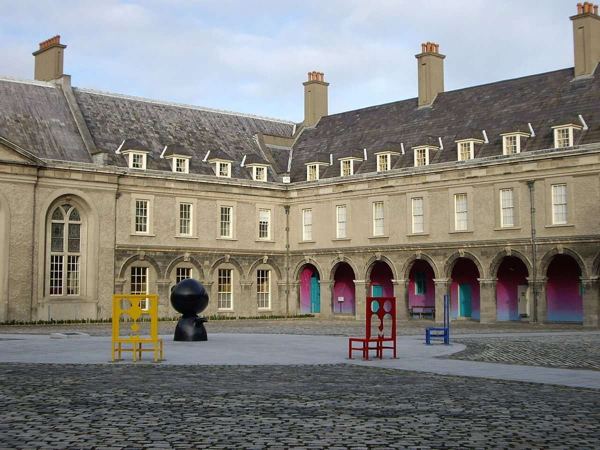
heritage · 0.9 km
Contemporary art meets the courtyards and grounds of the Royal Hospital Kilmainham.
Open place page →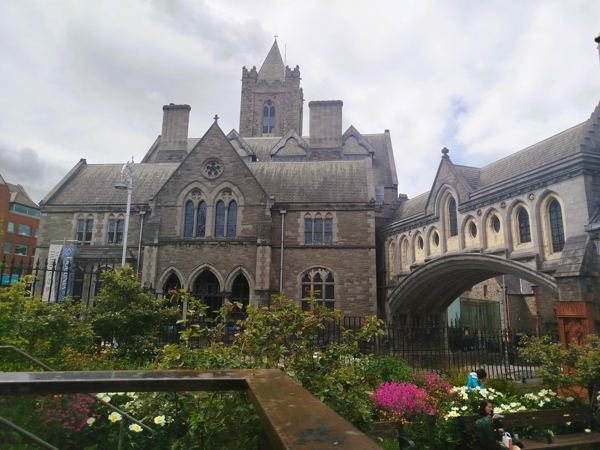
heritage · 1.1 km
Dublinia interprets Viking and medieval Dublin through recreated settings and historical displays beside Christ Church. Its optional tower adds a different perspective on the old city.
Open place page →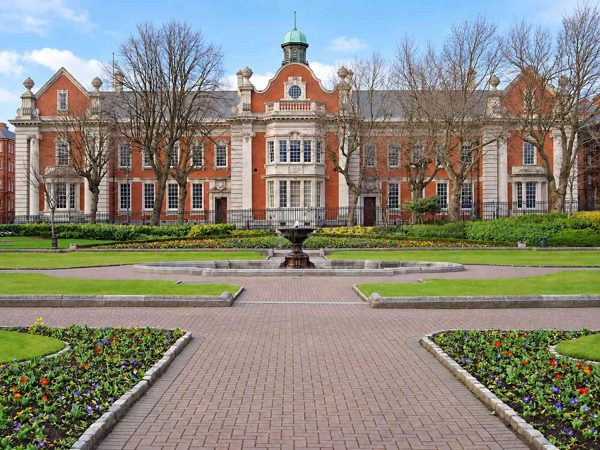
attraction · 1.1 km
A neighbourhood walk through Dublin’s weaving, trade and brewing history, with independent streets and separately ticketed attractions.
Open place page →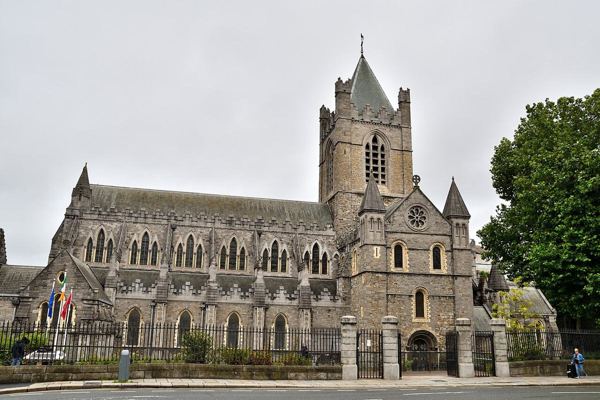
heritage · 1.1 km
Christ Church combines a working Anglican cathedral with a medieval crypt, tiled floors and layers of Dublin history. Visit for architecture and objects, or attend worship for a different experience.
Open place page →One family account describes children engaging with the smaller Natural History display temporarily shown here. It is a useful reminder that what is on now can change the visit considerably. Choose your galleries before setting out; the barracks should not be treated as either a complete replacement for another museum or one single unchanging exhibition.
Original paraphrases of public visitor accounts. These are limited perspectives, not a representative survey or a claim of our own visit. Use current operator information for access and opening.
Location & access
General admission is free. Individual galleries and temporary exhibitions can change; use the museum’s current listings to decide your priorities.
53.34770, -6.28640 · Reference point; confirm the correct entrance and access. Map © OpenStreetMap contributors.
Source-based place brief. A catalogue reference is not a live availability check or a report of a personal visit.
Visitor details checked 15 October 2026. Page content updated 2026-10-21.
