Sculpted figures
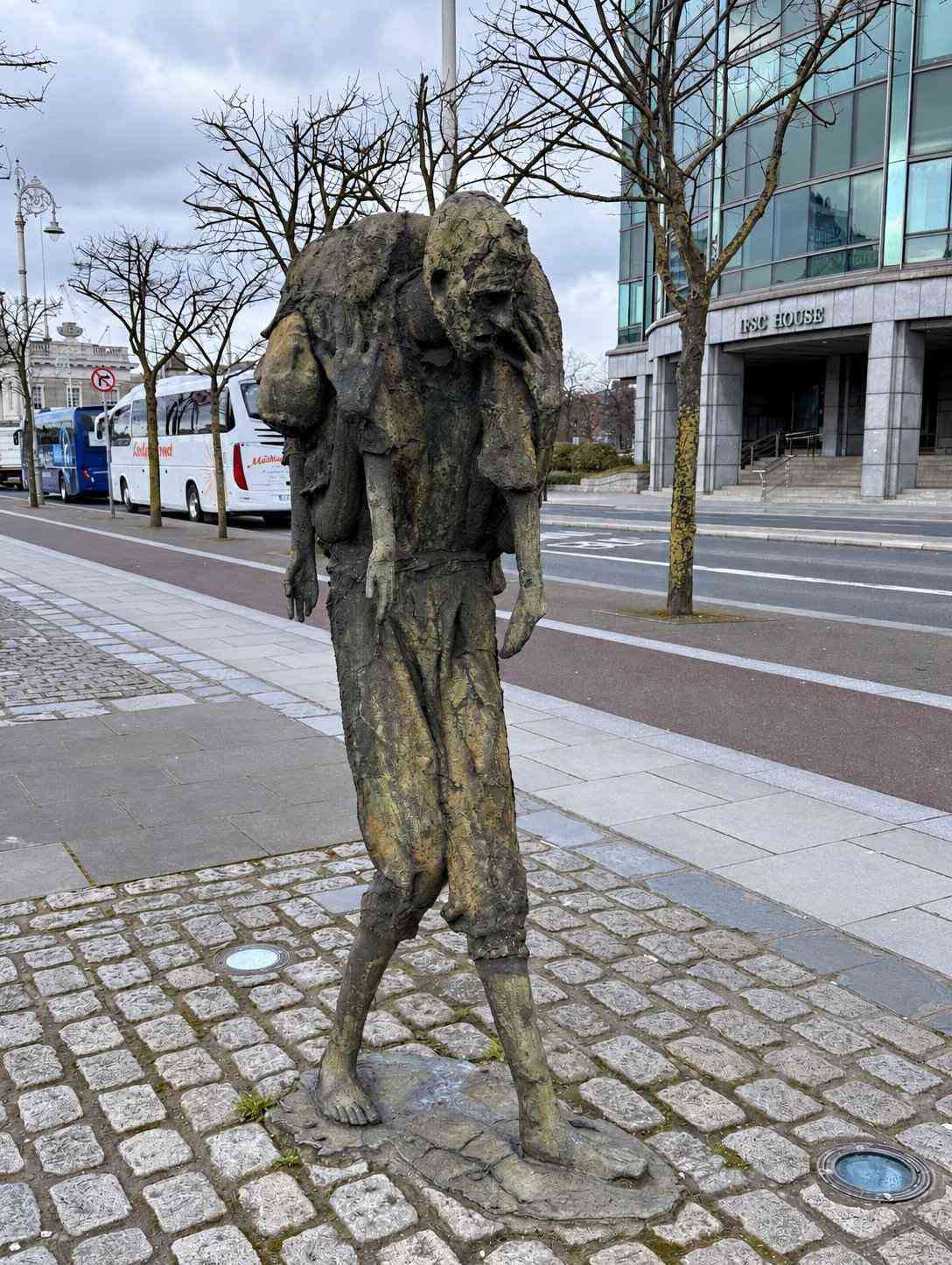
Look closely at posture and the arrangement of the figures without touching or climbing them.
attraction · County Dublin
Rowan Gillespie’s public sculpture on Custom House Quay, a place for reflection on famine and emigration.
Source-based editorial assessment · out of 10
Rowan Gillespie’s public sculpture makes famine and emigration tangible in the Docklands. It is a short, reflective stop rather than an indoor interpretive exhibition.
Fits a free outdoor pause on a wider quay walk. Weather, roadside approaches and the river edge need attention; combine it with nearby stops rather than a long standalone visit.
Best for: Reflection on famine and emigration
Planning blend: 8.5 / 10 · Sustainability: unrated
Experience considers the reward and depth of this particular stop. Visitor friendliness considers practical ease: arrival, booking, physical demands, cost and flexibility. These are editorial judgements based on linked information, not visitor averages or a claim of a personal visit.
Assessed . Supporting guide source-check date: 2026-10-15. The assessment date does not mean every linked source was newly checked.
The blend uses (40 × Experience + 55 × Visitor friendliness) ÷ 95, rounded to the nearest half point. Missing sustainability does not affect it. A missing current visit score is not zero and has no blend.
A high score is not a safety clearance or a guarantee of step-free access. Food-stop scores concern the planned visit, not an untested meal. Read the scale and scope · Suggest a correction.
From research
Include it for historical context on a Docklands walk. Its subject is distressing; approach it as a memorial rather than a playful photo installation.
Before you go: This is an outdoor memorial, not a museum exhibition. Pair the encounter with reliable interpretation if you want a fuller account of the Famine.
Place highlights
Look closely at posture and the arrangement of the figures without touching or climbing them.
The waterfront connects the memorial’s subject with departure and migration.
The story behind the visit
The Famine Memorial brings historical loss into a public space people cross in ordinary daily life. Dublin sculptor Rowan Gillespie made the figures, and the work was presented to the city in 1997. Its scale makes the encounter personal: rather than viewing a distant monument from below, a visitor can stand near representations of people in extreme distress. That is a reason to slow down and give the work attention, not to reduce it to another landmark photograph. Source ↗
The quayside setting adds the story of departure. Gillespie’s own account connects the Dublin work with later famine sculptures in Toronto, placing emigration across an ocean rather than ending it at the shoreline. The sculpture cannot explain all the political, social and economic forces behind the catastrophe, and a brief caption should not pretend to do so. Treat it as a prompt to learn more, then consider how the surrounding city carries memory alongside commerce and everyday movement. A respectful pause is enough; there is no required performance or set duration. Source ↗
Dated visitor information
Navigate to the Famine Memorial on Custom House Quay, not to a general Custom House entrance. Official visitor information ↗
Source information checked 15 October 2026; confirm current access and visitor arrangements with the operator.
No. It is a public outdoor memorial on the quay. Source ↗
Dublin sculptor Rowan Gillespie; the memorial was presented to the city in 1997. Source ↗
Its representations of suffering can be upsetting. Explain the subject beforehand and decide what suits your children. Source ↗
Nearby options
Distances are straight-line estimates between catalogue pins, within 30 km. Roads, entrances and walking routes may be much longer. Known closed places are excluded; inclusion does not confirm opening today.
heritage · 0.1 km
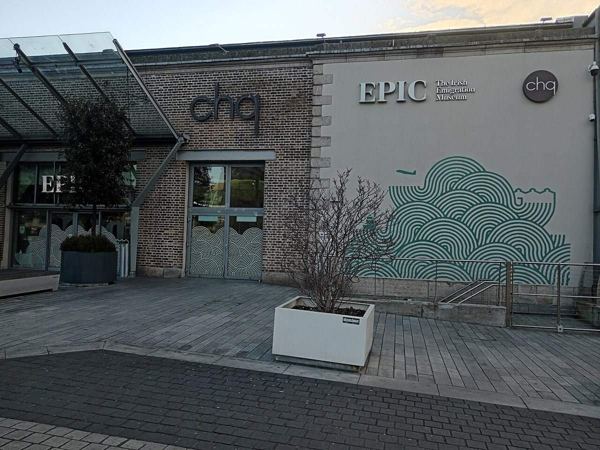
EPIC explores Irish emigration through interactive galleries in the CHQ building. It follows the reasons people left and the cultural, scientific and social influence of lives built abroad.
Open place page →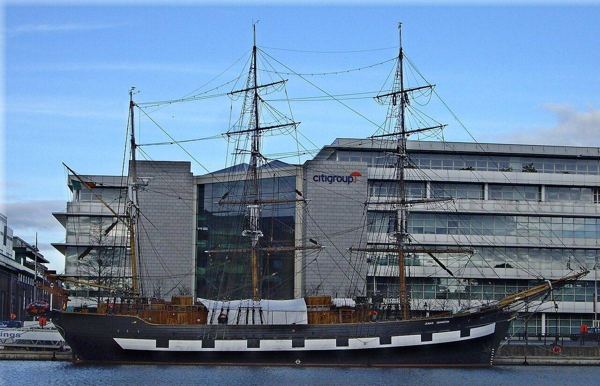
heritage · 0.3 km
Board a replica emigrant ship for a guided account of the people who crossed the Atlantic during the Great Famine. The physical setting makes a useful companion to EPIC’s broader migration story.
Open place page →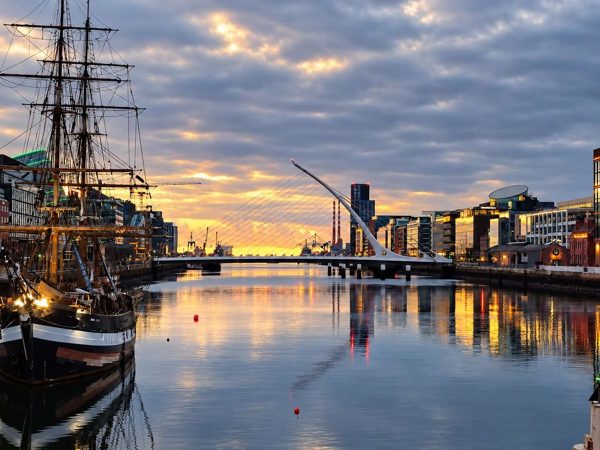
attraction · 0.6 km
A modern Liffey crossing whose harp-like form helps explain the changing Docklands skyline.
Open place page →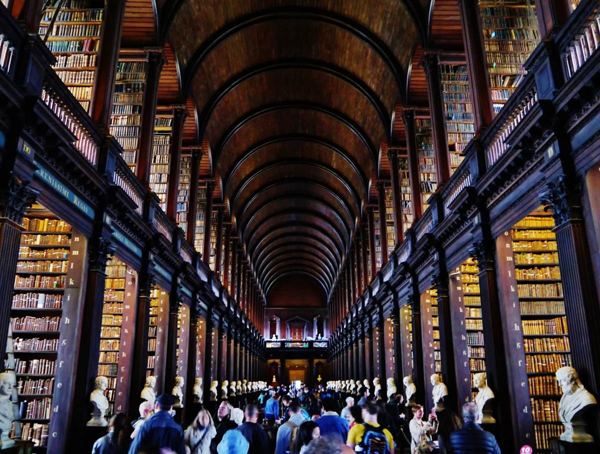
heritage · 0.6 km
See a 1,200-year-old illuminated manuscript, walk through the Old Library's Long Room and decide whether the newer digital exhibition is worth adding to your Dublin day.
Open place page →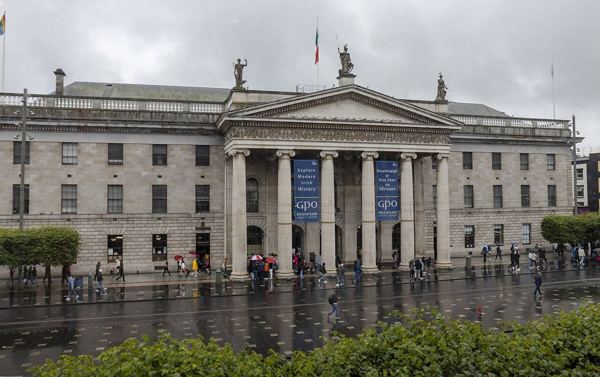
heritage · 0.7 km
Explore the Easter Rising from the building that became its headquarters. The GPO Museum combines objects, film and interactive interpretation beneath a working Dublin landmark.
Open place page →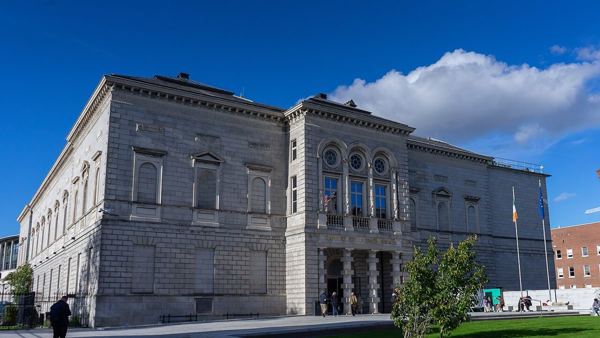
heritage · 0.8 km
The National Gallery makes a free art stop in central Dublin, with Irish paintings alongside European works by Caravaggio, Vermeer and others. A small route gives you time to look closely; a ticketed temporary…
Open place page →The accounts reviewed describe a stronger emotional response than the memorial’s roadside setting might suggest. Visitors pause over the figures and their details rather than simply mark the stop as seen. Give it a quiet moment within a river walk; no long visit or paid attraction is needed for it to have an impact.
Original paraphrases of public visitor accounts. These are limited perspectives, not a representative survey or a claim of our own visit. Use current operator information for access and opening.
Location & access
Suggested visit allowance: about 25 minutes. Allow additional time for transfers and breaks.
53.34800, -6.25050 · Reference point; confirm the correct entrance and access. Map © OpenStreetMap contributors.
Source-based place brief. A catalogue reference is not a live availability check or a report of a personal visit.
Visitor details checked 15 October 2026. Page content updated 2026-10-15.