Interpretation first
Use the indoor introduction to form questions for the outdoor site rather than treating the ruins as unrelated photo stops.
attraction · County Wicklow
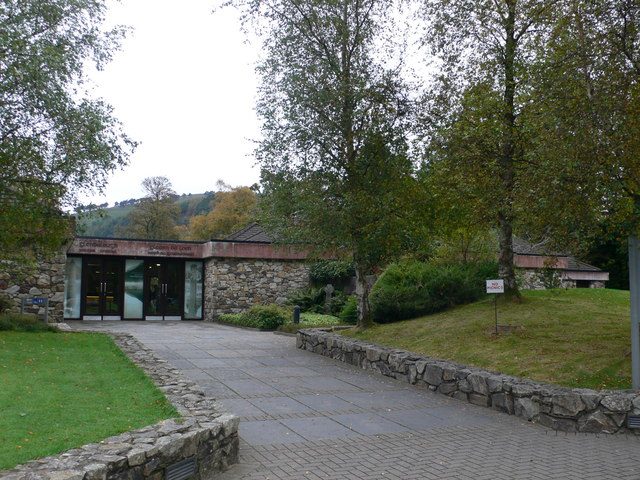
Start here if you want context for the monuments, an indoor introduction or advice before choosing a walk. The staffed visitor centre is a different visit from the freely accessible ruins and lakes.
Source-based editorial assessment · out of 10
The centre helps make a scattered site understandable: interpretation gives the valley a sequence and makes it easier to decide which buildings and landscape features deserve your time. It suits a history-led visit, especially when the group wants something more focused than photographing the tower.
Paying for centre admission is separate from visiting the outdoor monuments. Check seasonal opening and the last admission; do not assume its toilets remain open as long as daylight lasts. Use the OPW visitor-centre address, A98 HC80. If arriving by bus, confirm the actual pickup and return location with the operator. Do not substitute an Upper Lake trailhead pin for the visitor-centre entrance.
Best for: Interpretation before the ruins
Planning blend: 8.0 / 10 · Sustainability: unrated
Experience considers the reward and depth of this particular stop. Visitor friendliness considers practical ease: arrival, booking, physical demands, cost and flexibility. These are editorial judgements based on linked information, not visitor averages or a claim of a personal visit.
Assessed . Supporting guide source-check date: 2026-10-19. The assessment date does not mean every linked source was newly checked.
The blend uses (40 × Experience + 55 × Visitor friendliness) ÷ 95, rounded to the nearest half point. Missing sustainability does not affect it. A missing current visit score is not zero and has no blend.
A high score is not a safety clearance or a guarantee of step-free access. Food-stop scores concern the planned visit, not an untested meal. Read the scale and scope · Suggest a correction.
From research
The centre helps make a scattered site understandable: interpretation gives the valley a sequence and makes it easier to decide which buildings and landscape features deserve your time. It suits a history-led visit, especially when the group wants something more focused than photographing the tower.
Before you go: Paying for centre admission is separate from visiting the outdoor monuments. Check seasonal opening and the last admission; do not assume its toilets remain open as long as daylight lasts.
Place highlights
Use the indoor introduction to form questions for the outdoor site rather than treating the ruins as unrelated photo stops.
The visitor centre and the uneven graveyard have different accessibility conditions; ask staff about the parts you actually want to visit.
The story behind the visit
A useful first visit begins with orientation rather than a long checklist. Decide whether your interest is the development of the monastery, its place in the valley, or the buildings that survive. An interpreted introduction can give a short outdoor visit a clearer purpose. Leave time afterwards to recognise those features on the ground; the centre is a beginning, not a substitute for seeing the landscape. Source ↗
If the weather changes, the centre can anchor the heritage part of the day, but it does not turn every path into an indoor attraction. Choose an outdoor extension after checking the conditions and your return arrangements. A bus visitor may prefer this and the Monastic City to a rushed attempt at both lakes. A driver should still decide where to park before walking away from the vehicle. Source ↗
Dated visitor information
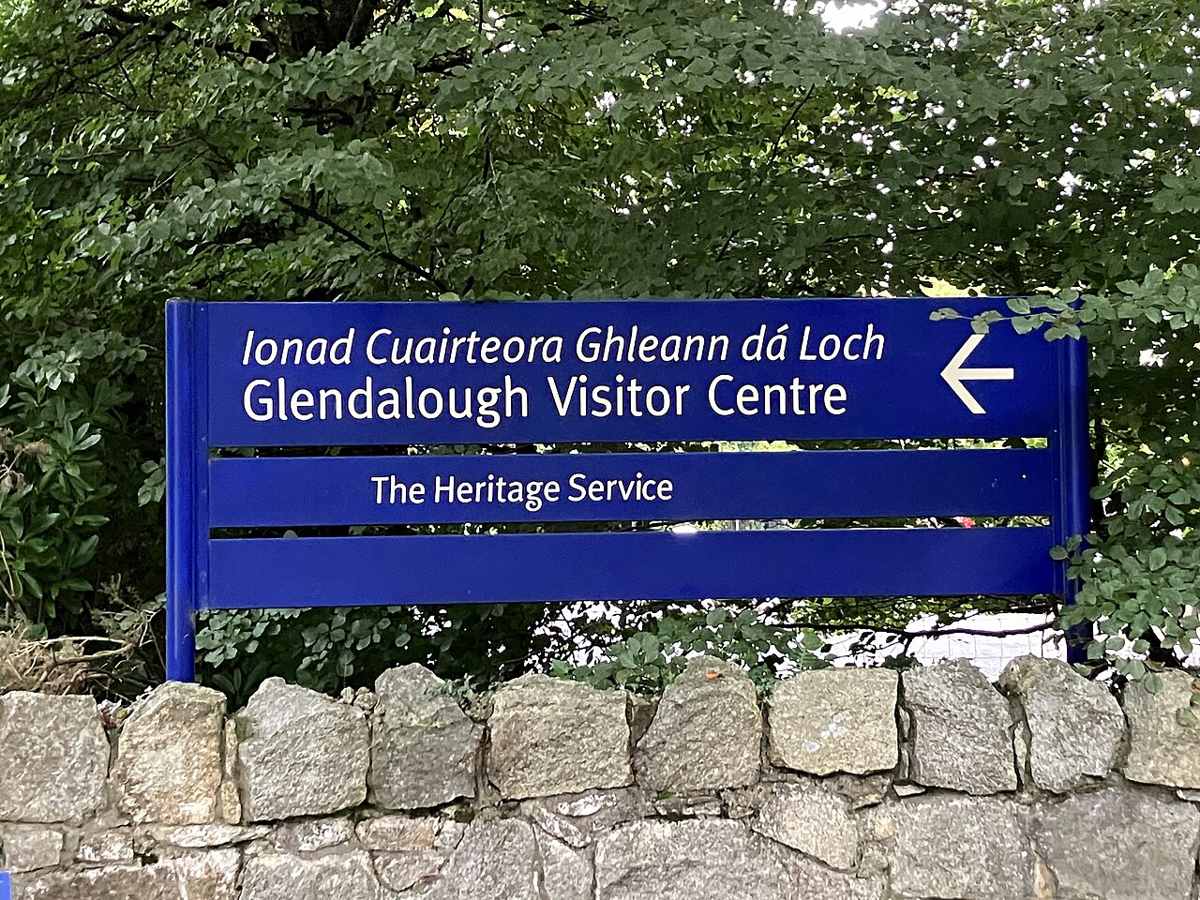
OPW Visitor Centre, A98 HC80; distinct from the National Park Information Office at the Upper Lake. Official visitor information ↗
Source information checked 19 October 2026; confirm current access and visitor arrangements with the operator.
Visitor-centre admission is separate from the outdoor site. Check OPW for the current indoor admission arrangement. Source ↗
No. The National Park Information Office is near the Upper Lake; this centre interprets the monastic site. Source ↗
As a suggested sequence, explore the Monastic City first, then decide whether the lakes fit the remaining time and conditions. Source ↗
Nearby options
Distances are straight-line estimates between catalogue pins, within 30 km. Roads, entrances and walking routes may be much longer. Known closed places are excluded; inclusion does not confirm opening today.
nature · 0.3 km
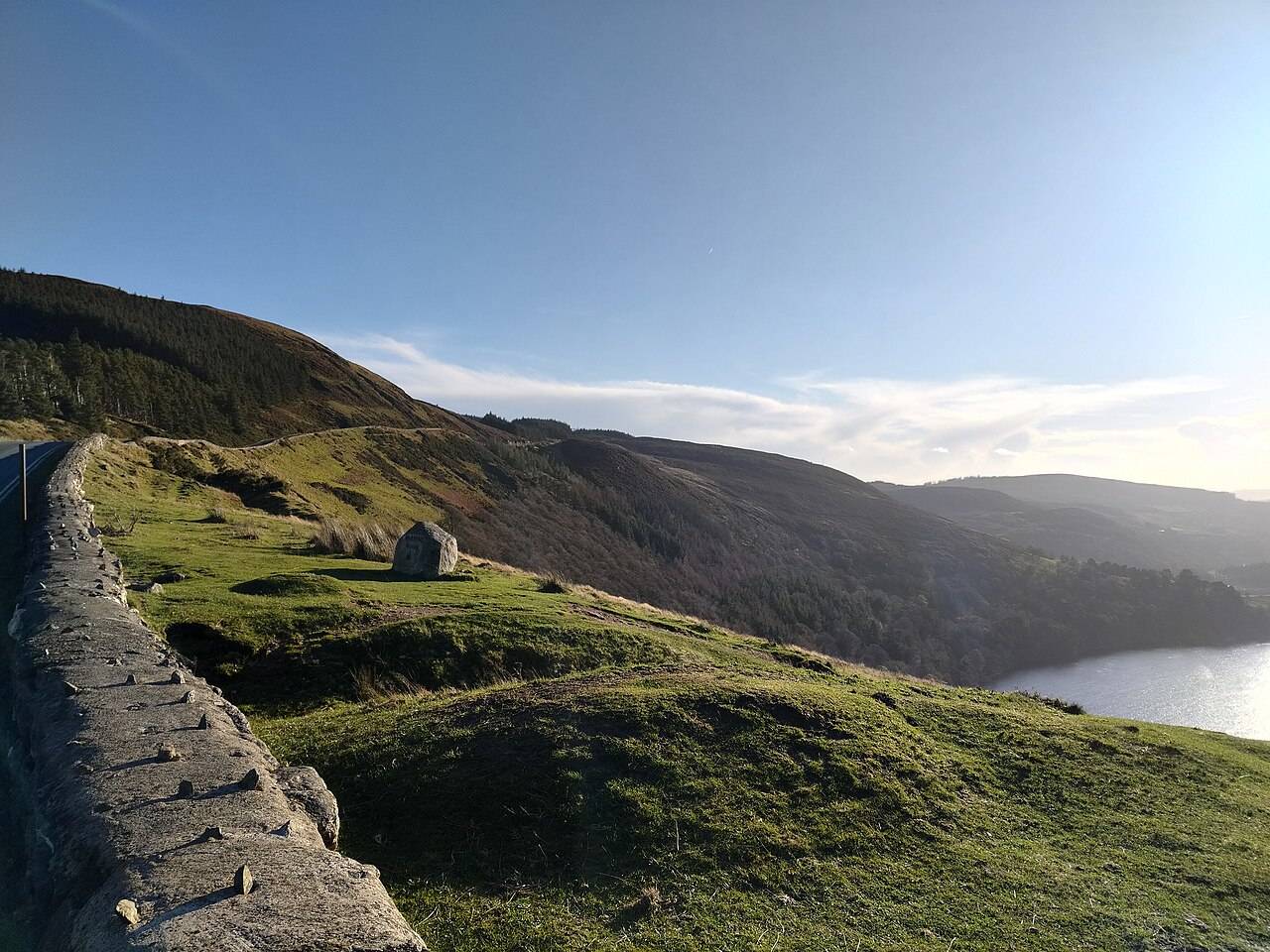
Wicklow Mountains National Park is a broad upland landscape with many possible entrances and walks. A regional pin is an orientation aid, not a trailhead.
Open place page →attraction · 0.3 km
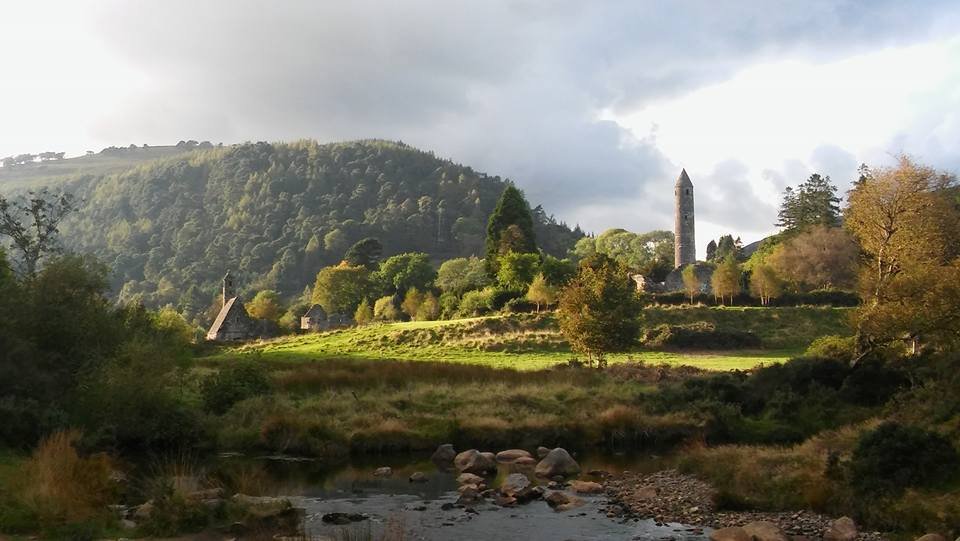
The Monastic City brings the round tower, churches and graveyard into one concentrated heritage visit. Slow down at ground level: the relationship between the buildings is more interesting than collecting the…
Open place page →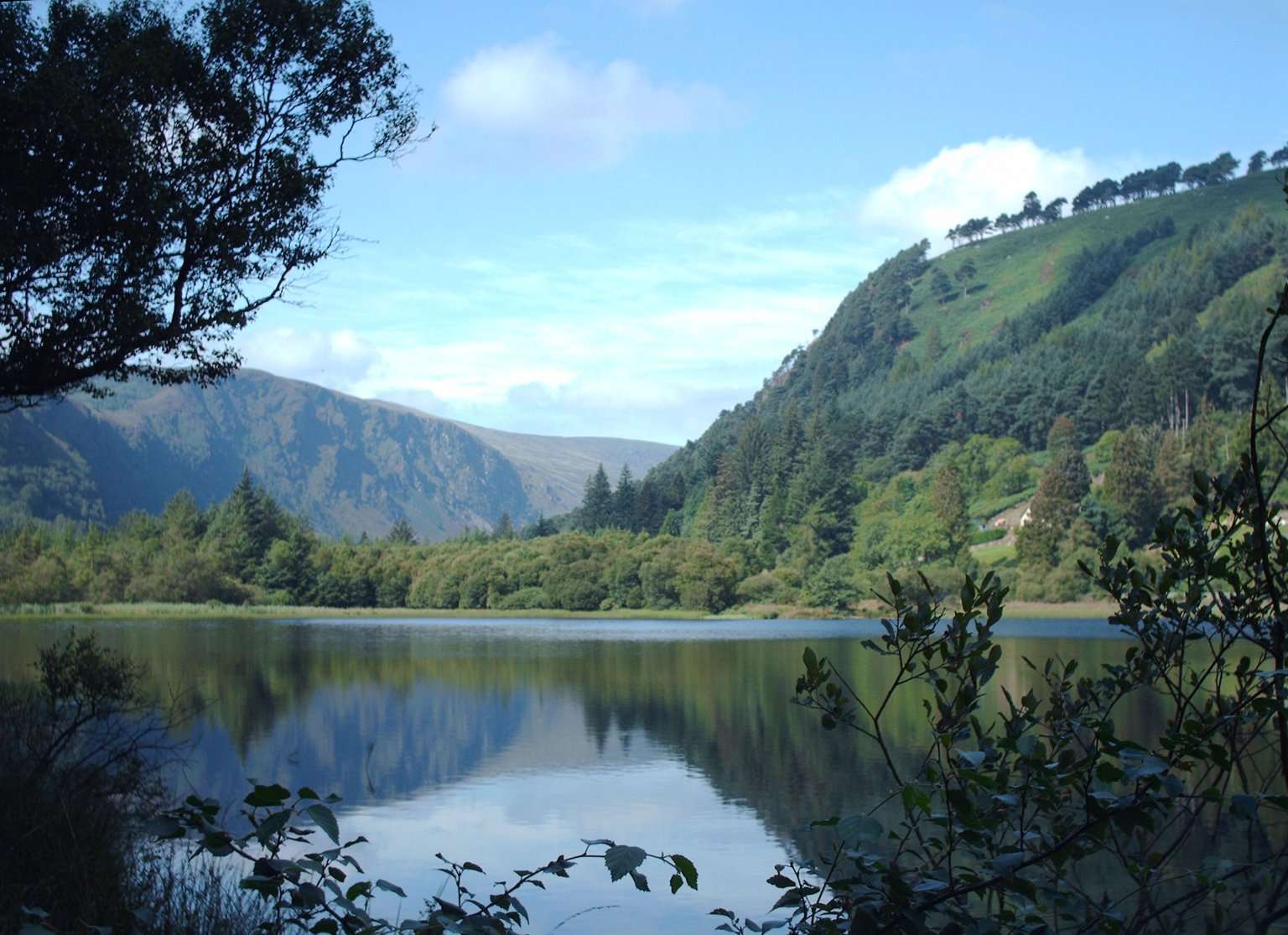
attraction · 0.9 km
The Lower Lake and Green Road give you a woodland-and-water alternative to the high trails. Choose a short out-and-back or a signed circuit that fits your group, with room to pause rather than treating the…
Open place page →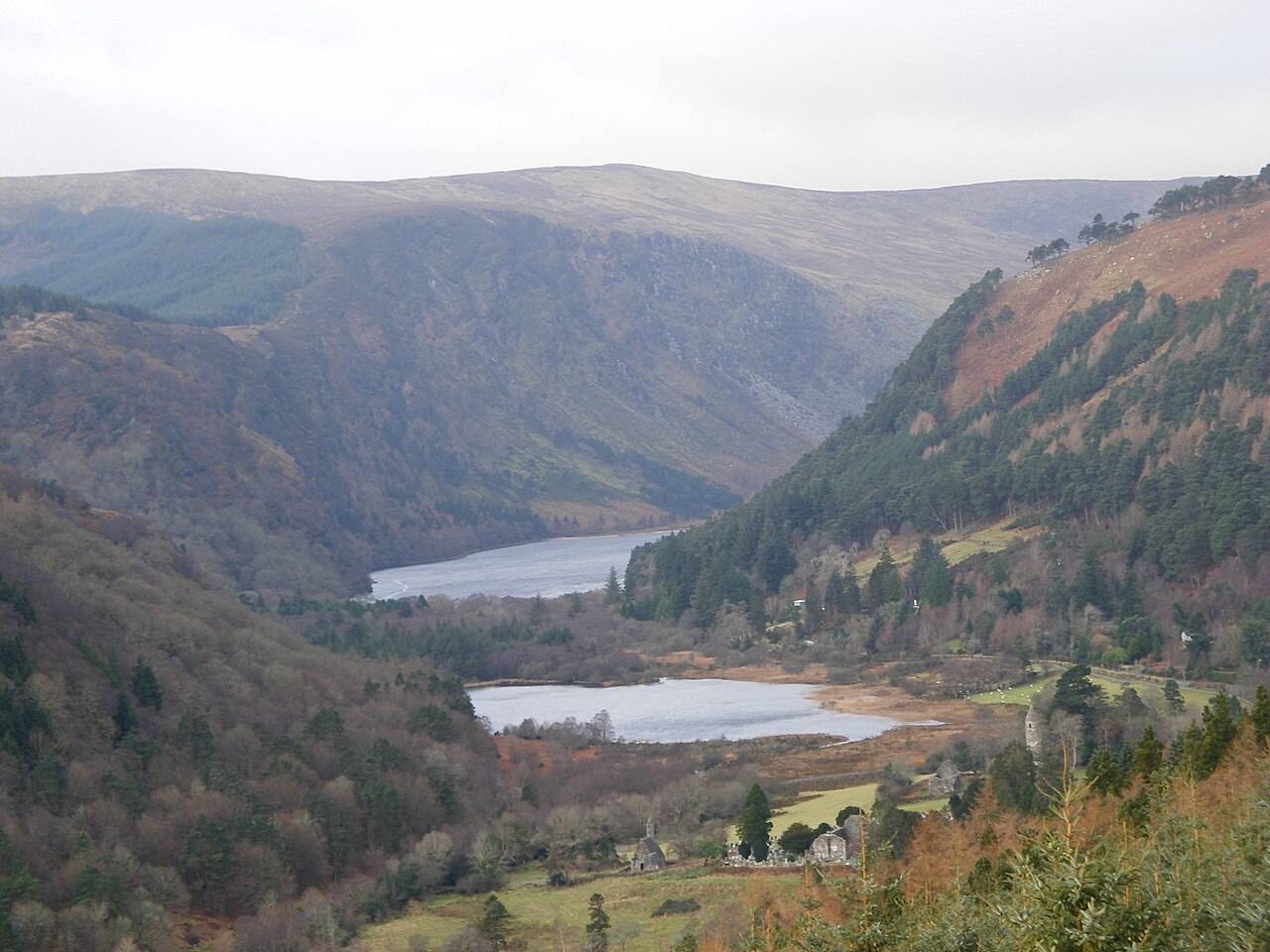
attraction · 1.5 km
The Upper Lake is a place to stop and look, not merely the starting gate for a hike. The long view into the valley gives a first visit a strong landscape focus without requiring a climb onto the Spinc.
Open place page →attraction · 1.5 km
The blue Spinc Short Route is a hillwalk with a strong view of the Upper Lake. “Short” distinguishes it from longer Spinc routes; it does not turn the outing into an easy lakeside stroll.
Open place page →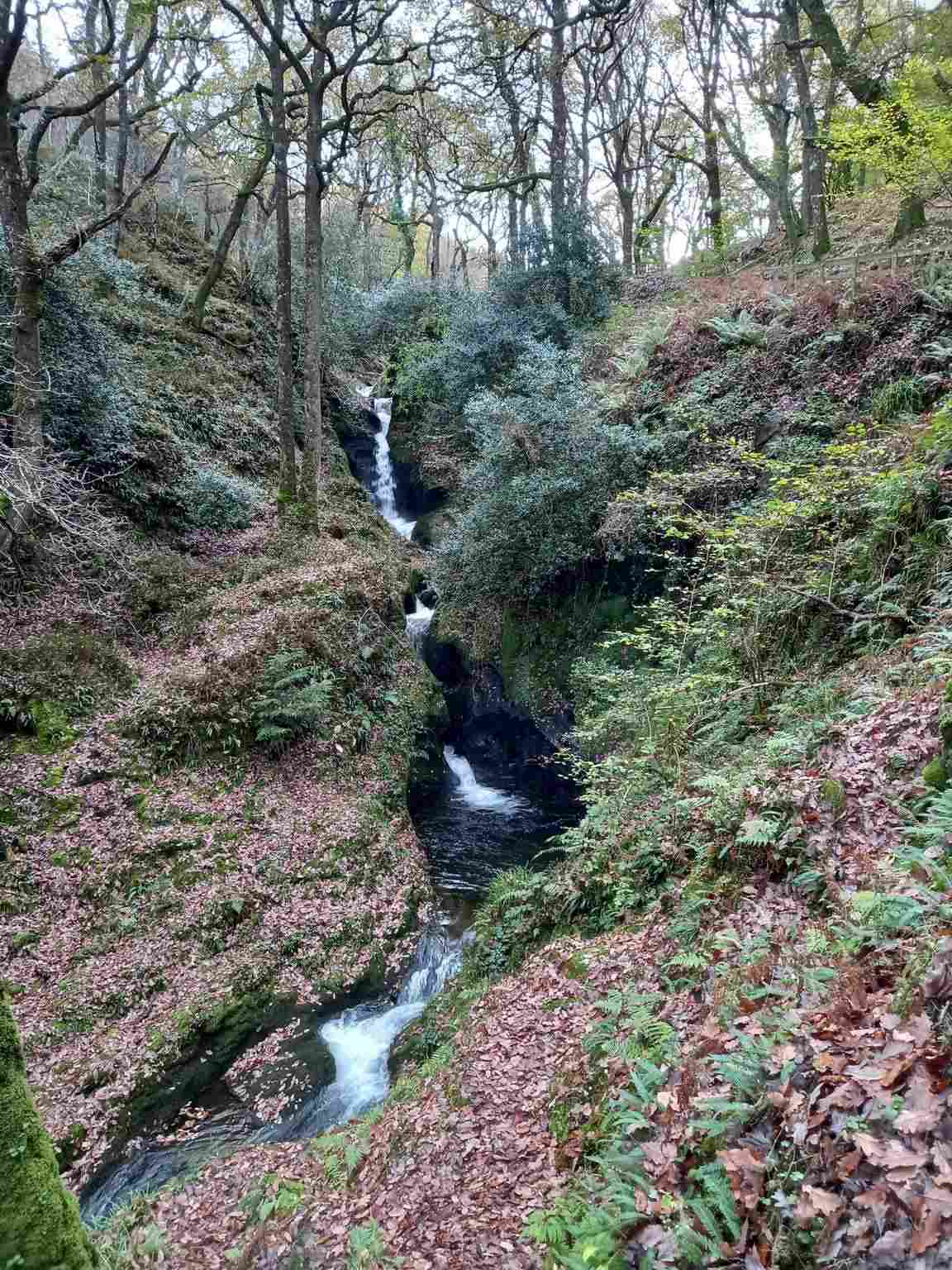
attraction · 1.5 km
Poulanass offers moving water and woodland close to the Upper Lake visitor area. It is a shorter walking choice, but the climb and wet footing make it different from a flat lakeside pause.
Open place page →One visitor found the exhibition informative before continuing towards the lake. It is a helpful reason to include the centre: understanding the settlement first can give the ruins more meaning. The account combines several parts of the valley, so keep exhibition access and your chosen walk as separate planning decisions.
Original paraphrases of public visitor accounts. These are limited perspectives, not a representative survey or a claim of our own visit. Use current operator information for access and opening.
Location & access
Suggested visit allowance: about 60 minutes. Allow additional time for transfers and breaks.
53.01070, -6.32240 · Reference point; confirm the correct entrance and access. Map © OpenStreetMap contributors.
Source-based place brief. A catalogue reference is not a live availability check or a report of a personal visit.
Visitor details checked 19 October 2026. Page content updated 2026-10-20.