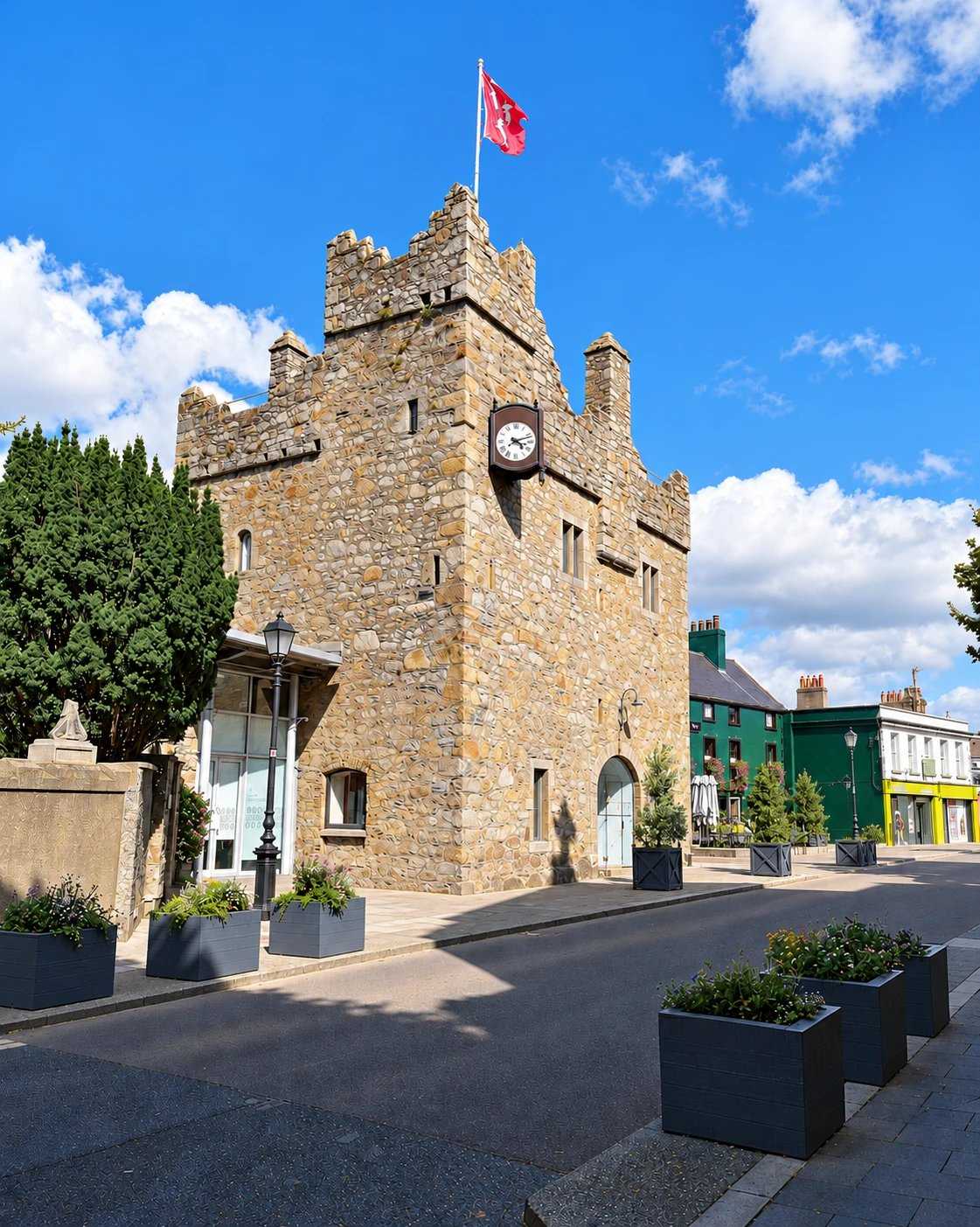
Fortified townhouse
The building’s compact scale connects it with Dalkey’s trading town, rather than a great rural estate.
heritage · Dublin
A small medieval townhouse castle where a guided tour uses actors, history and literary interpretation.
Source-based editorial assessment · out of 10
Actor-led interpretation connects the fortified townhouse, St Begnet’s and local literary history. It particularly suits visitors who enjoy a guided story rather than independent room browsing.
Dalkey makes a useful town-based outing, but the guided format requires a slot. The standard route includes upper levels, so discuss an adapted visit before booking.
Best for: Guided living history
Planning blend: 7.5 / 10 · Sustainability: unrated
Experience considers the reward and depth of this particular stop. Visitor friendliness considers practical ease: arrival, booking, physical demands, cost and flexibility. These are editorial judgements based on linked information, not visitor averages or a claim of a personal visit.
Assessed . Supporting guide source-check date: 15 October 2026. The assessment date does not mean every linked source was newly checked.
The blend uses (40 × Experience + 55 × Visitor friendliness) ÷ 95, rounded to the nearest half point. Missing sustainability does not affect it. A missing current visit score is not zero and has no blend.
A high score is not a safety clearance or a guarantee of step-free access. Food-stop scores concern the planned visit, not an untested meal. Read the scale and scope · Suggest a correction.
From research
Choose it if theatrical interpretation helps you engage with history. If you prefer to wander an interior independently, note that standard admission is guided.
Before you go: Parts of the standard tour use inaccessible upper levels. Ground-floor access does not mean the entire castle route is wheelchair accessible.
Place highlights
The building’s compact scale connects it with Dalkey’s trading town, rather than a great rural estate.
The experience combines the churchyard and local literary connections with the medieval building.
The story behind the visit
Dalkey’s castles make more sense when the sea is part of the story. The heritage centre explains that large ships could anchor in Dalkey Sound when access to Dublin’s shallower river was difficult. Goods needed to be landed, stored and moved onward. Fortified townhouses belonged to that commercial world, protecting valuable cargo as well as housing people. The surviving castle therefore offers a different perspective from the familiar image of a lord’s isolated stronghold: this was a trading settlement with defensive architecture built into its streets. Source ↗
The modern visitor experience uses performance to make that setting legible. Costumed actors and local guides interpret the building, while St Begnet’s churchyard and the Writers’ Gallery extend the visit beyond one period. Theatre is the method of presentation, not a claim that every dialogue is a historical transcript. Come ready to follow a guided sequence rather than browse at your own pace. Afterwards, the surrounding streets provide the useful connection between the castle’s commercial past and the town people use today. Source ↗
Dated visitor information
Castle Street, Dalkey A96 DE61; operator estimates a five-minute walk from Dalkey DART station. Paid parking is opposite. Official visitor information ↗
Source information checked 15 October 2026; confirm current access and visitor arrangements with the operator.
Standard admission is fully guided; book a tour rather than expecting independent access. Source ↗
Not on the standard route. Contact the team about the accessible areas and possible adaptation. Source ↗
Its fortified-townhouse form relates to Dalkey’s medieval trade and the protection of stored goods. Source ↗
Nearby options
Distances are straight-line estimates between catalogue pins, within 30 km. Roads, entrances and walking routes may be much longer. Known closed places are excluded; inclusion does not confirm opening today.
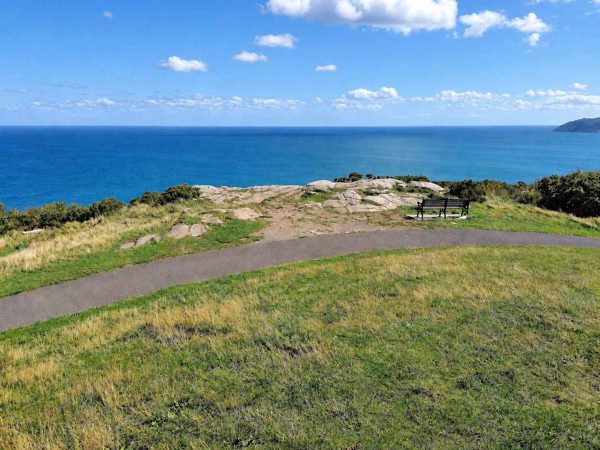
nature · 2.3 km
A wooded climb to the obelisk and coastal views above Dalkey and Killiney.
Open place page →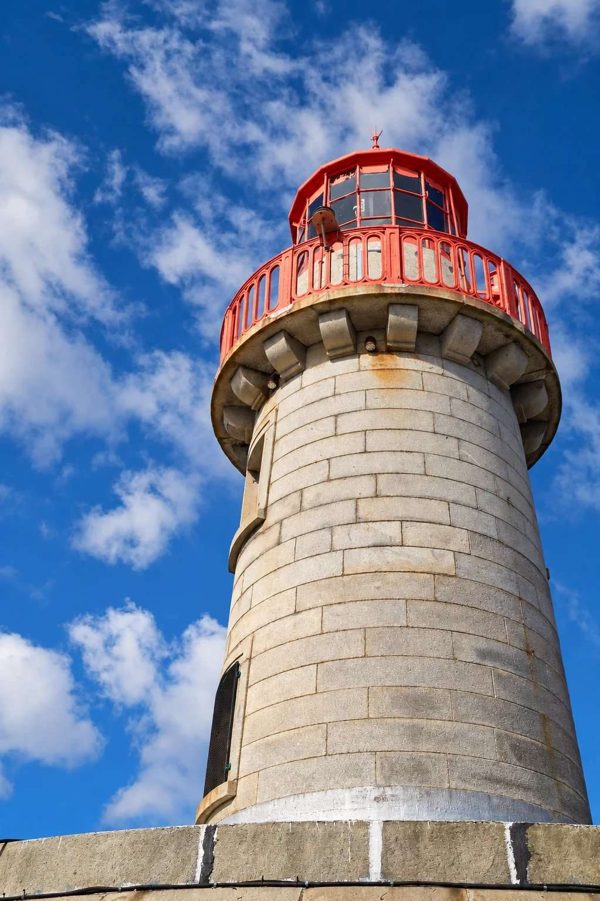
coast · 3.1 km
An out-and-back harbour walk on Dún Laoghaire’s East Pier, with views across the boats and bay.
Open place page →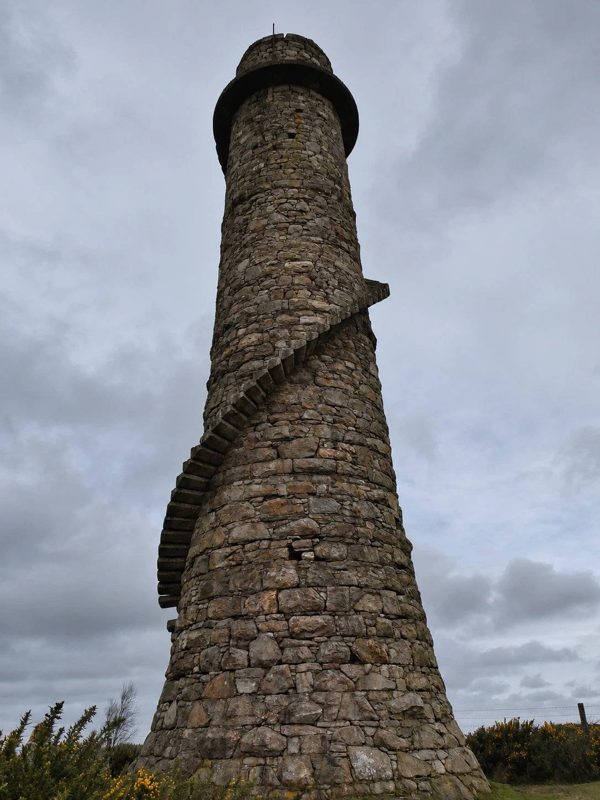
nature · 5.4 km
A woodland walk linking an industrial chimney with a separate hilltop viewpoint.
Open place page →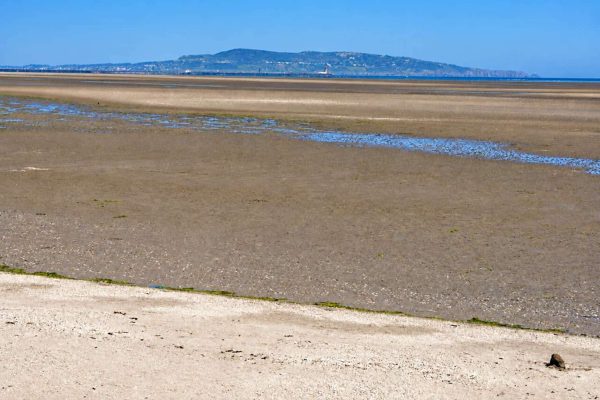
coast · 8.8 km
A broad tidal strand and coastal promenade on the south side of Dublin Bay.
Open place page →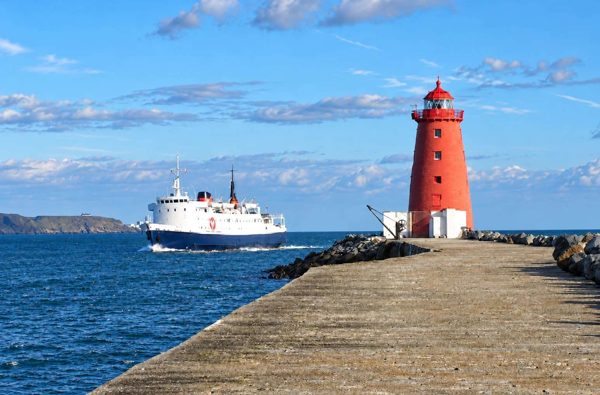
coast · 9.2 km
An exposed harbour-wall walk towards the red Poolbeg Lighthouse, with shipping and bay views.
Open place page →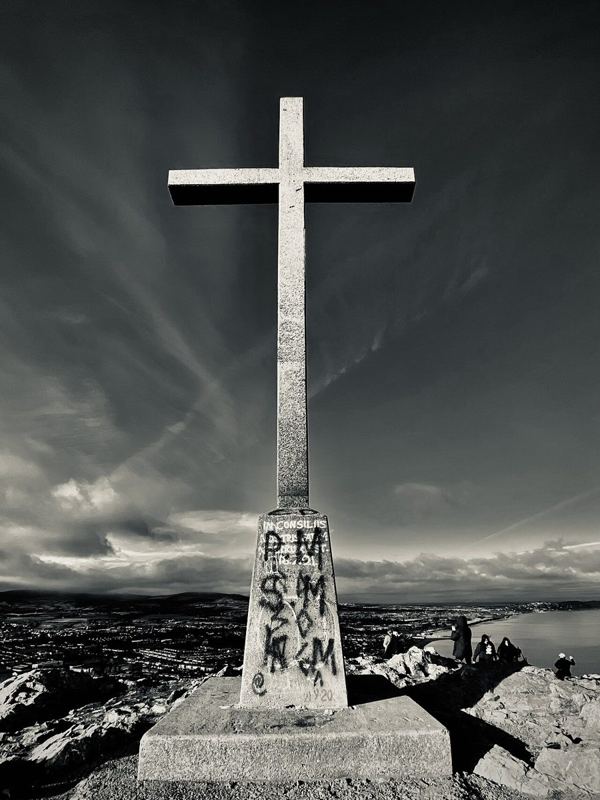
nature · 9.6 km
A hill walk from Bray’s seafront to the cross, with coastal views and a distinct route from the closed through Cliff Walk.
Open place page →One family with school-age children describes being impressed by the living-history tour. Another available visitor praises its creativity. The useful expectation is a presented experience with performance, not simply wandering an empty ruin. These selected accounts cannot promise that the style will suit every age or visitor.
Original paraphrases of public visitor accounts. These are limited perspectives, not a representative survey or a claim of our own visit. Use current operator information for access and opening.
Location & access
Parts of the standard tour use inaccessible upper levels. Ground-floor access does not mean the entire castle route is wheelchair accessible.
53.27760, -6.10100 · Reference point; confirm the correct entrance and access. Map © OpenStreetMap contributors.
Source-based place brief. A catalogue reference is not a live availability check or a report of a personal visit.
Visitor details checked 15 October 2026. Page content updated 2026-10-21.