Gaelic games heritage
Use the museum to connect sporting objects with wider community and cultural history.
heritage · Dublin
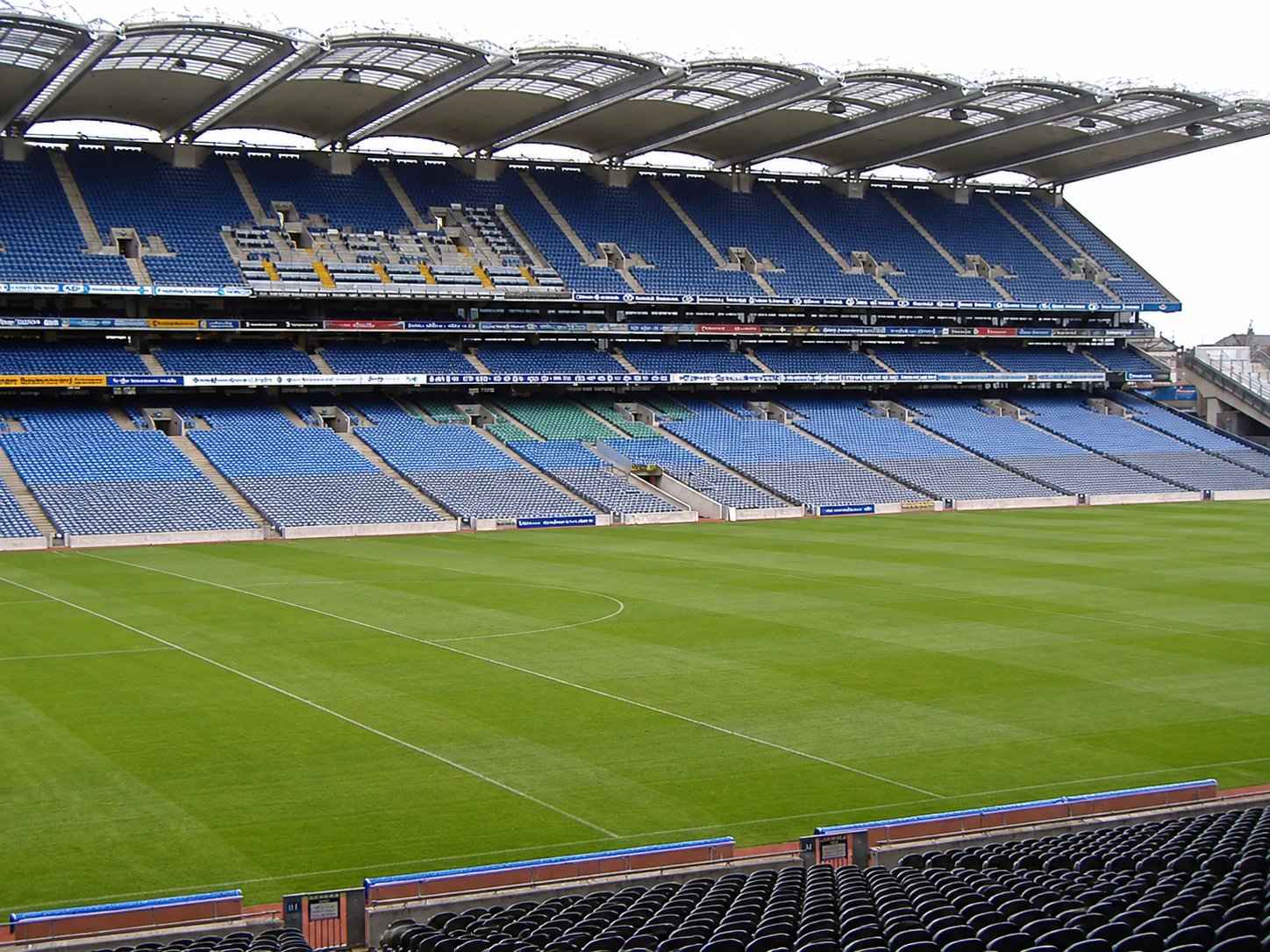
Croke Park pairs the GAA Museum’s sporting and cultural story with bookable stadium experiences. Museum-only admission, a stadium tour and the rooftop Skyline are different products.
Source-based editorial assessment · out of 10
Gaelic games collections, major trophies and stadium interpretation connect sport with Irish community history. A tour offers cultural context, while seeing a match is a different experience.
The correct Cusack Stand entrance needs attention, and booked products differ. Events, maintenance and lift notices can alter routes; confirm access and inclusions for your date.
Best for: Gaelic games and sporting culture
Planning blend: 7.5 / 10 · Sustainability: unrated
Experience considers the reward and depth of this particular stop. Visitor friendliness considers practical ease: arrival, booking, physical demands, cost and flexibility. These are editorial judgements based on linked information, not visitor averages or a claim of a personal visit.
Assessed . Supporting guide source-check date: 15 October 2026. The assessment date does not mean every linked source was newly checked.
The blend uses (40 × Experience + 55 × Visitor friendliness) ÷ 95, rounded to the nearest half point. Missing sustainability does not affect it. A missing current visit score is not zero and has no blend.
A high score is not a safety clearance or a guarantee of step-free access. Food-stop scores concern the planned visit, not an untested meal. Read the scale and scope · Suggest a correction.
From research
Choose this for Gaelic games and the role of sport in Irish life. If you want a match, buy an event ticket separately; a stadium tour is not match admission.
Before you go: Check the exact product, current entrance and accessibility notice. Events and maintenance can alter the normal visitor route.
Place highlights
Use the museum to connect sporting objects with wider community and cultural history.
The museum identifies the original Sam Maguire and Liam MacCarthy cups among its displays.
Try the museum activities where available, separate from access to the stadium pitch.
The story behind the visit
Croke Park is more than a large sports venue. The GAA Museum presents Gaelic games as a cultural and social history as well as a record of results. Trophies and archive material provide a route into the organisation’s place in communities; the interactive zone then connects those stories with the physical skills of the games. Source ↗
Choose the product that matches your curiosity. A museum ticket concentrates on the collection, while a stadium tour introduces the venue and a Skyline booking is a different experience again. Their names should not be collapsed into one generic “Croke Park tour”. Match days and major events can also change access. Before travelling, read the current visitor notice and confirm the entrance in your booking rather than navigating to whichever stadium gate appears closest on a map. Source ↗
Dated visitor information
Usual access is the GAA Museum beneath the Cusack Stand, via St Joseph’s Avenue off Clonliffe Road. Event-day entrance changes take precedence. Official visitor information ↗
Source information checked 15 October 2026; confirm current access and visitor arrangements with the operator.
No match admission is promised. A game requires its own event ticket. Source ↗
The operator says museum admission is included with stadium and Skyline tours. Source ↗
The standard tour instructions say no museum access from Jones Road; follow any event-specific update. Source ↗
Nearby options
Distances are straight-line estimates between catalogue pins, within 30 km. Roads, entrances and walking routes may be much longer. Known closed places are excluded; inclusion does not confirm opening today.
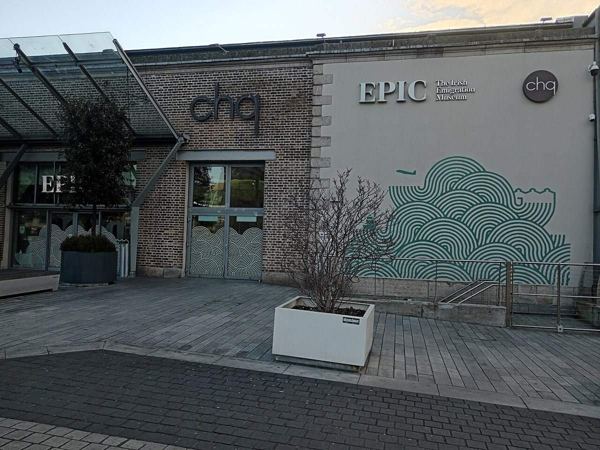
heritage · 1.3 km
EPIC explores Irish emigration through interactive galleries in the CHQ building. It follows the reasons people left and the cultural, scientific and social influence of lives built abroad.
Open place page →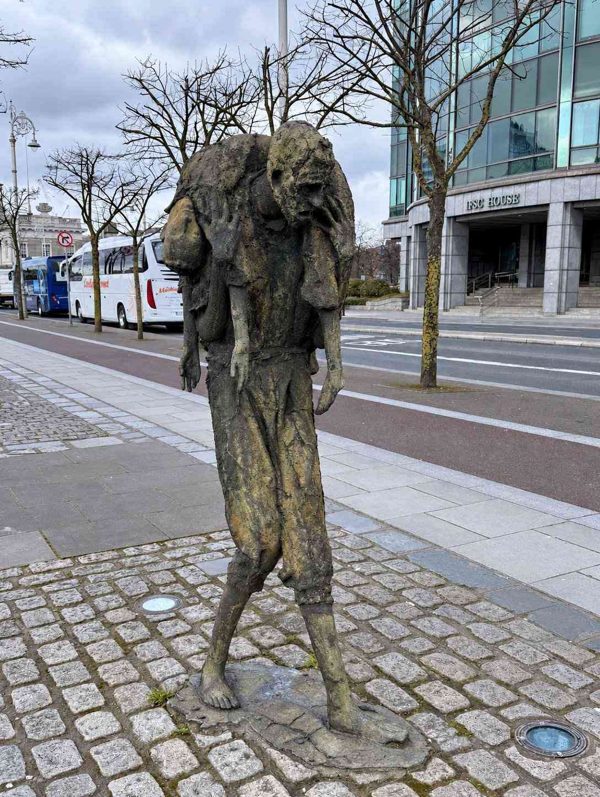
attraction · 1.4 km
Rowan Gillespie’s public sculpture on Custom House Quay, a place for reflection on famine and emigration.
Open place page →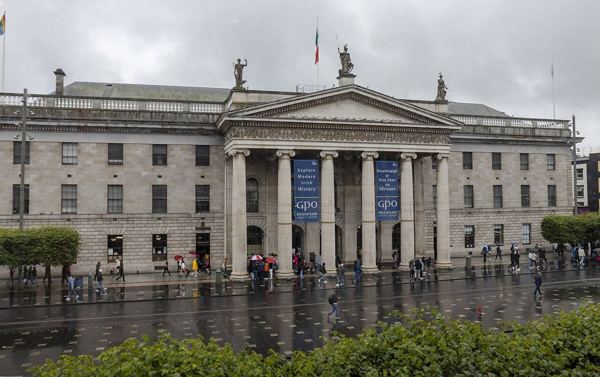
heritage · 1.4 km
Explore the Easter Rising from the building that became its headquarters. The GPO Museum combines objects, film and interactive interpretation beneath a working Dublin landmark.
Open place page →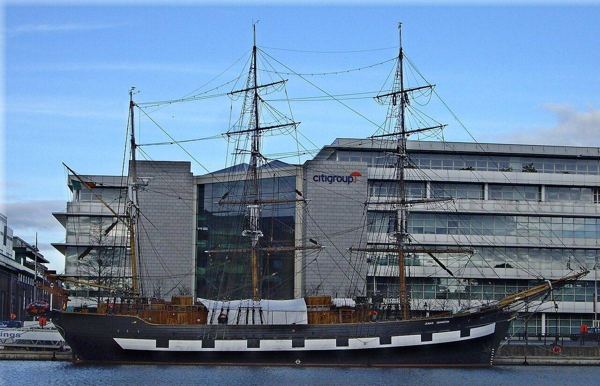
heritage · 1.5 km
Board a replica emigrant ship for a guided account of the people who crossed the Atlantic during the Great Famine. The physical setting makes a useful companion to EPIC’s broader migration story.
Open place page →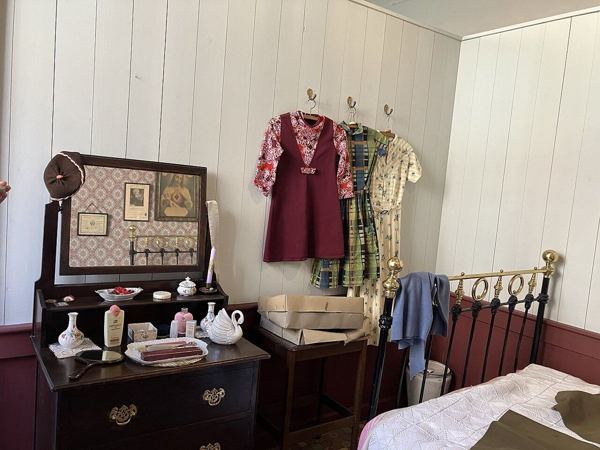
heritage · 1.6 km
One house tells a larger Dublin story: Georgian ambition, conversion into tenements and the lives of families who made their homes here. A guided visit supplies the human context.
Open place page →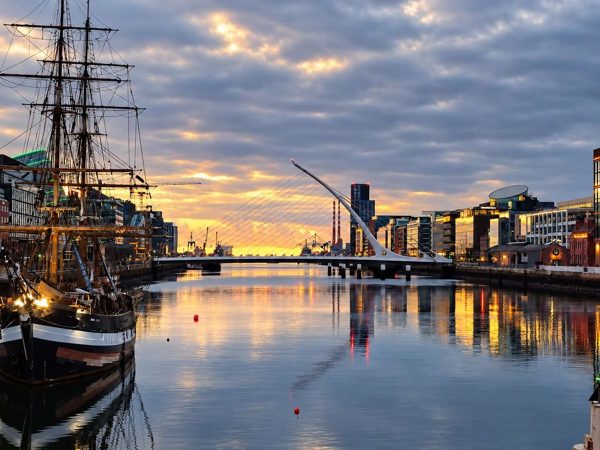
attraction · 1.7 km
A modern Liffey crossing whose harp-like form helps explain the changing Docklands skyline.
Open place page →A family account found the behind-the-scenes stadium areas more rewarding than the museum alone, while wishing the museum offered more county history. That is one group’s judgement, not a verdict on every visit, but it helps explain why the actual tour inclusions matter more than the word ‘museum’ on a ticket.
Original paraphrases of public visitor accounts. These are limited perspectives, not a representative survey or a claim of our own visit. Use current operator information for access and opening.
Location & access
Check the exact product, current entrance and accessibility notice. Events and maintenance can alter the normal visitor route.
53.36070, -6.25090 · Reference point; confirm the correct entrance and access. Map © OpenStreetMap contributors.
Source-based place brief. A catalogue reference is not a live availability check or a report of a personal visit.
Visitor details checked 15 October 2026. Page content updated 2026-10-21.