Friary church
Look at the building as a working religious space, not an abandoned ruin.
heritage · Westmeath
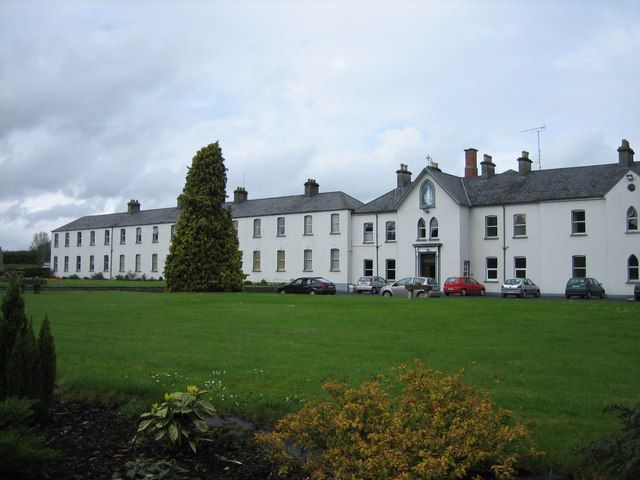
Multyfarnham is still a place of worship, which changes the pace of a visit. The abbey and its setting suit a quiet look before exploring the village rather than a loudly narrated circuit.
Source-based editorial assessment · out of 10
Choose it for religious heritage with a living community. Put worship and privacy ahead of sightseeing, and check visitor access if the church interior matters.
Check service times and visitor arrangements directly. Photography, interior access and access to gardens should follow local signs and permission.
Best for: Friary church and village setting
Planning blend: 7.5 / 10 · Sustainability: unrated
Experience considers the reward and depth of this particular stop. Visitor friendliness considers practical ease: arrival, booking, physical demands, cost and flexibility. These are editorial judgements based on linked information, not visitor averages or a claim of a personal visit.
Assessed . Supporting guide source-check date: 2026-10-19. The assessment date does not mean every linked source was newly checked.
The blend uses (40 × Experience + 55 × Visitor friendliness) ÷ 95, rounded to the nearest half point. Missing sustainability does not affect it. A missing current visit score is not zero and has no blend.
A high score is not a safety clearance or a guarantee of step-free access. Food-stop scores concern the planned visit, not an untested meal. Read the scale and scope · Suggest a correction.
From research
Choose it for religious heritage with a living community. Put worship and privacy ahead of sightseeing, and check visitor access if the church interior matters.
Know before you book: The most useful approach is quiet and observant: wait for worshippers, follow visitor signs and look at the building without assuming every door is yours to open. A little time in the village gives the friary a living setting. It need not become a long guided attraction to justify stopping.
Place highlights
Look at the building as a working religious space, not an abandoned ruin.
The abbey's relationship with Multyfarnham makes a short village walk worthwhile.
The story behind the visit
The Franciscan foundation has a long history of disruption and renewal. Its continuing religious use distinguishes it from the county's roofless monastic sites. Source ↗
Dated visitor information
Arrive in Multyfarnham village and use the public visitor approach to the friary without entering private community areas. Official visitor information ↗
Source information checked 19 October 2026; confirm current access and visitor arrangements with the operator.
No. This is a continuing religious community, so worship and privacy take priority over sightseeing. Source ↗
Only where current visitor signs or permission allow. Confirm interior access and do not treat the whole community property as public parkland. Source ↗
Nearby options
Distances are straight-line estimates between catalogue pins, within 30 km. Roads, entrances and walking routes may be much longer. Known closed places are excluded; inclusion does not confirm opening today.
heritage · 12.3 km
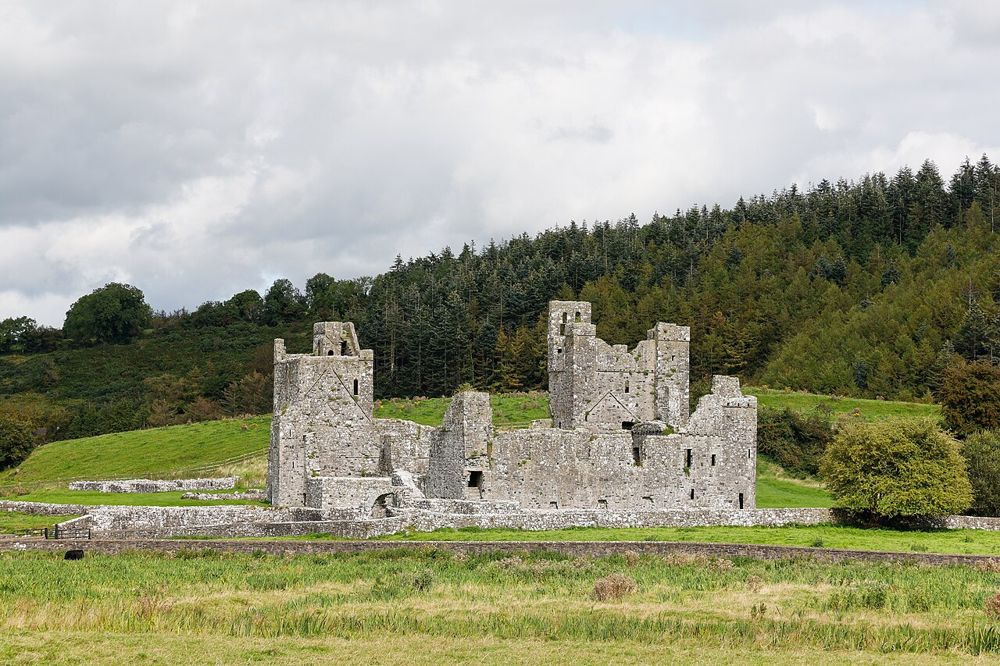
Fore's ruined buildings sit in a broad valley, giving the visit room to breathe. The abbey is the central stop, but the surrounding monuments make more sense when explored as a landscape.
Open place page →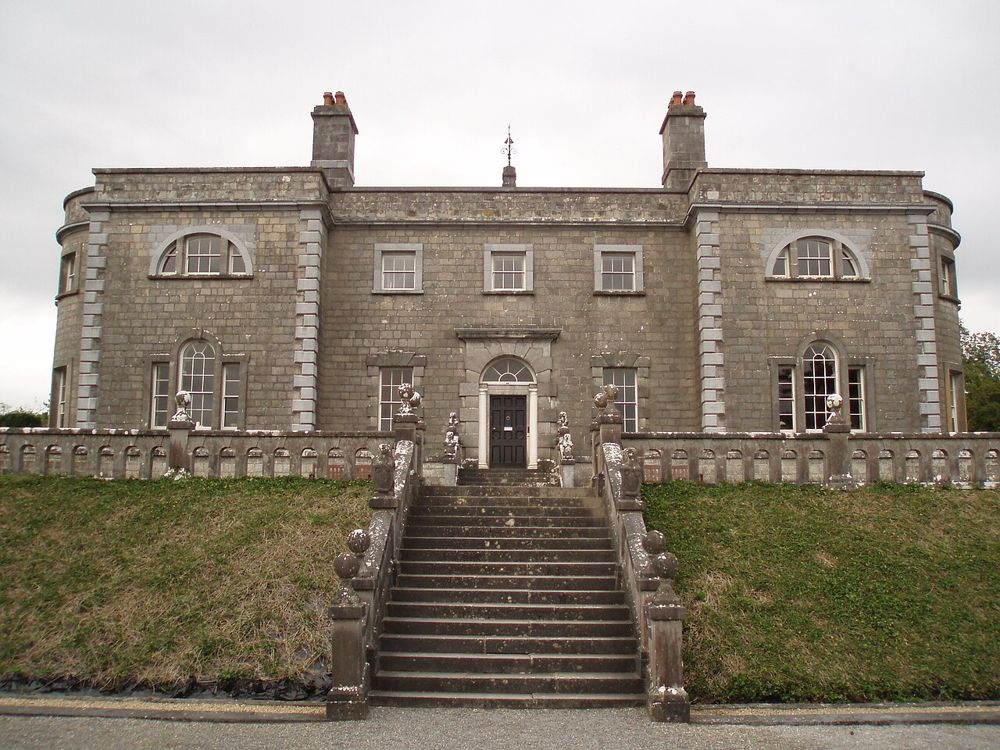
heritage · 16.2 km
Belvedere combines a lakeside estate walk with an unusually theatrical folly, the Jealous Wall. It works best when you let the grounds set the pace rather than rushing from house to wall.
Open place page →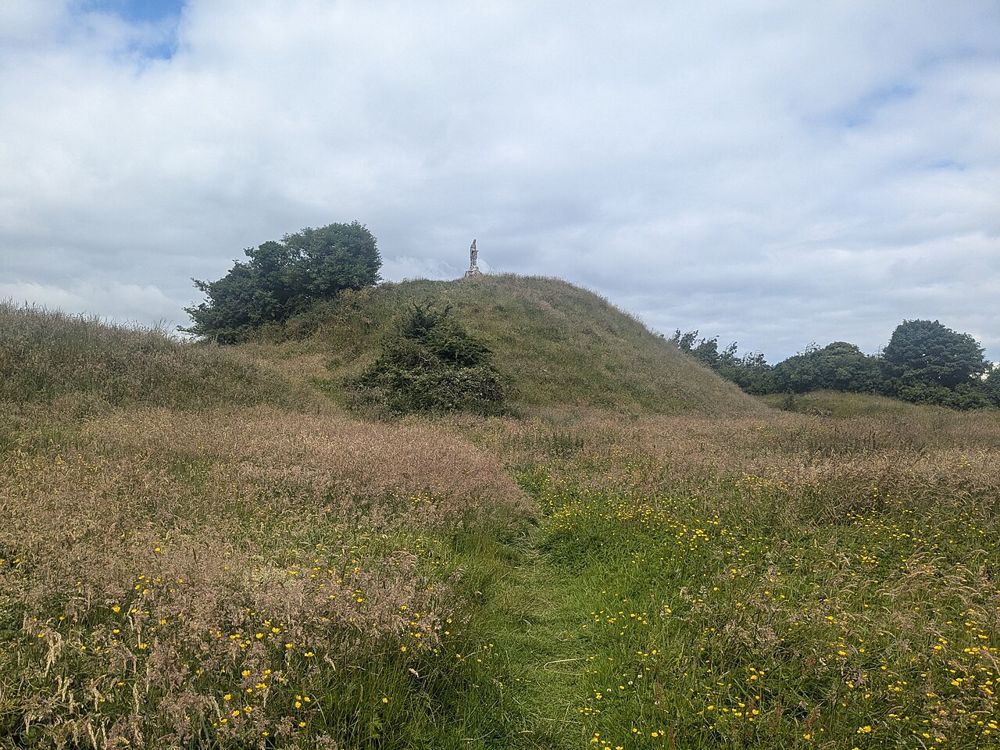
attraction · 17.7 km
Knights & Conquests turns the Norman story into something visitors can handle and discuss rather than simply read on panels. The nearby motte gives the indoor interpretation a real landscape reference.
Open place page →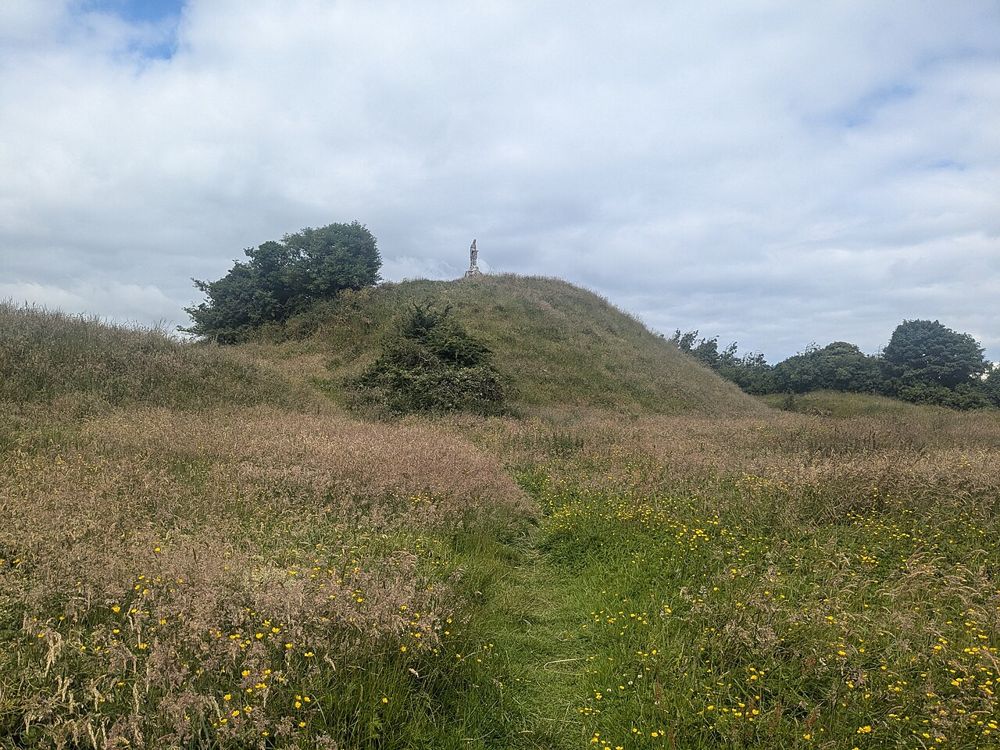
heritage · 17.9 km
The steep earthwork above Granard makes medieval power visible without a surviving stone castle. Its scale becomes clearer as you approach from the town rather than seeing only a distant hill.
Open place page →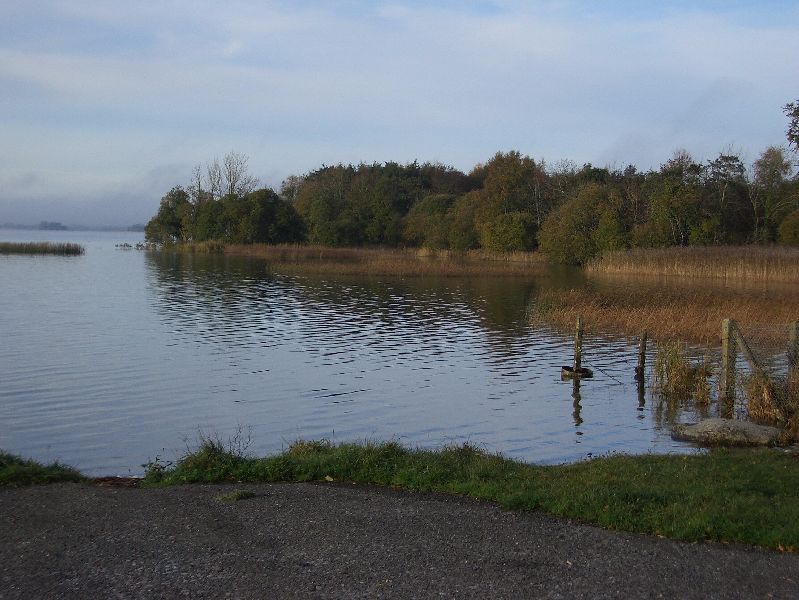
nature · 18.8 km
Lilliput gives a shore-level view of Lough Ennell, where the appeal is water, reeds and the changing sky rather than an elevated panorama. It is a gentle contrast to an indoor heritage visit.
Open place page →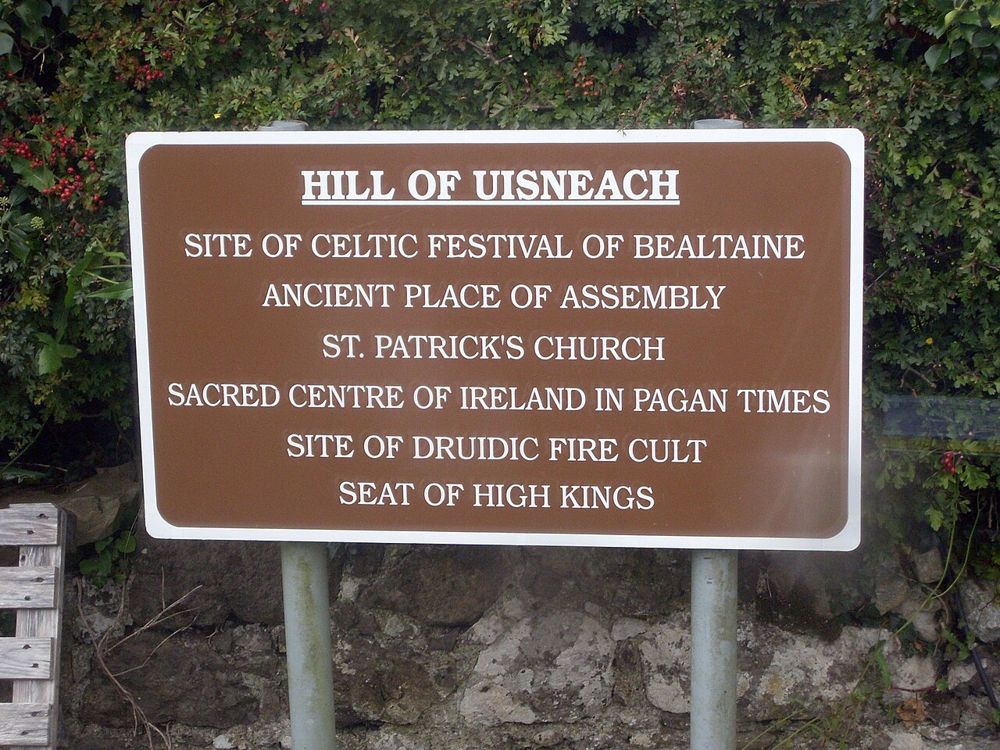
heritage · 18.9 km
Uisneach needs its stories as much as its views. A guided visit turns an apparently gentle hill into a landscape of archaeology, myth and ideas about Ireland's centre.
Open place page →The accessible visitor excerpt places the abbey within the appeal of Multyfarnham village. That supports combining a respectful church visit with a short village walk. It does not establish public access to every part of the friary or gardens.
Original paraphrases of public visitor accounts. These are limited perspectives, not a representative survey or a claim of our own visit. Use current operator information for access and opening.
Location & access
The most useful approach is quiet and observant: wait for worshippers, follow visitor signs and look at the building without assuming every door is yours to open. A little time in the village gives the friary a living setting. It need not become a long guided attraction to justify stopping.
53.62500, -7.38900 · Reference point; confirm the correct entrance and access. Map © OpenStreetMap contributors.
Source-based place brief. A catalogue reference is not a live availability check or a report of a personal visit.
Visitor details checked 19 October 2026. Page content updated 2026-10-20.
