Hands-on interpretation
Clothing and equipment help make medieval life less abstract.
attraction · Longford
Knights & Conquests turns the Norman story into something visitors can handle and discuss rather than simply read on panels. The nearby motte gives the indoor interpretation a real landscape reference.
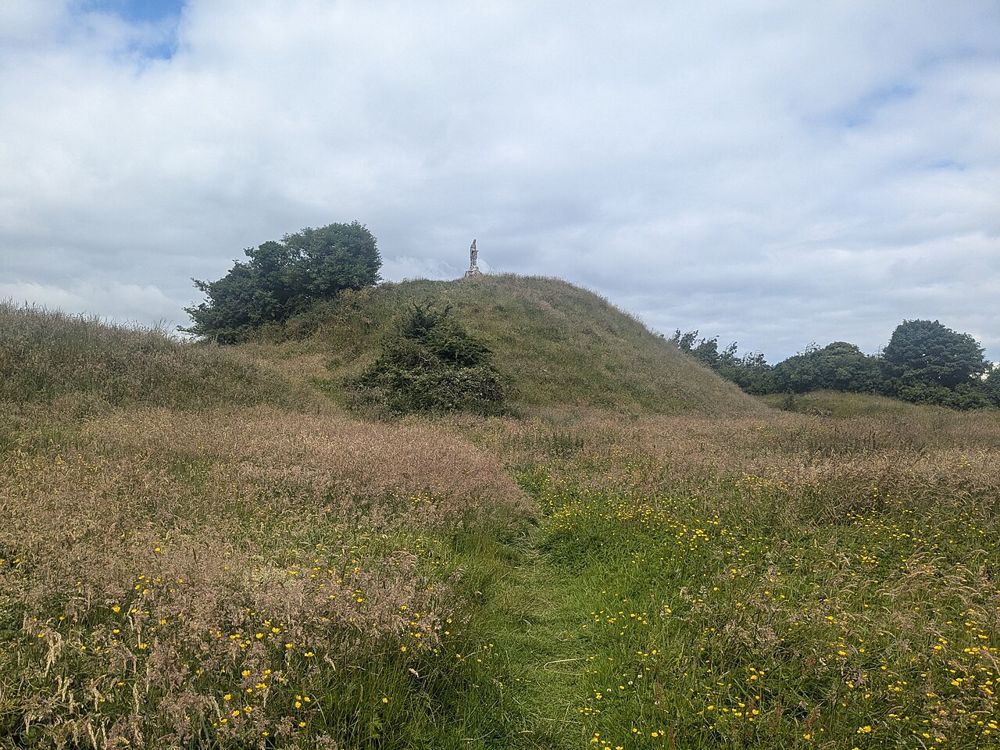
Source-based editorial assessment · out of 10
Choose it for guided history, particularly with a mixed-age group. Check the ordinary tour offering rather than assuming a school or festival programme will be available.
Book or confirm the current tour and opening arrangements. Ask about accessibility and alternatives if the motte climb is unsuitable.
Best for: Hands-on interpretation and granard context
Planning blend: 7.5 / 10 · Sustainability: unrated
Experience considers the reward and depth of this particular stop. Visitor friendliness considers practical ease: arrival, booking, physical demands, cost and flexibility. These are editorial judgements based on linked information, not visitor averages or a claim of a personal visit.
Assessed . Supporting guide source-check date: 2026-10-19. The assessment date does not mean every linked source was newly checked.
The blend uses (40 × Experience + 55 × Visitor friendliness) ÷ 95, rounded to the nearest half point. Missing sustainability does not affect it. A missing current visit score is not zero and has no blend.
A high score is not a safety clearance or a guarantee of step-free access. Food-stop scores concern the planned visit, not an untested meal. Read the scale and scope · Suggest a correction.
From research
Choose it for guided history, particularly with a mixed-age group. Check the ordinary tour offering rather than assuming a school or festival programme will be available.
Know before you book: The benefit of tactile interpretation is that the historical story becomes easier to discuss across ages. A child's fascination with equipment can be the doorway into a wider conversation about conquest and settlement. Do not confuse that with a promise that every tour follows exactly the same activities or script.
Place highlights
Clothing and equipment help make medieval life less abstract.
The local setting keeps the story connected to a real town and earthwork.
The story behind the visit
The centre explores the Norman arrival and its consequences through Granard's history. It complements the motte rather than replacing the physical experience of seeing the earthwork. Source ↗
Dated visitor information
Use the visitor entrance on Dublin Street in Granard; confirm parking arrangements for a larger vehicle or group. Official visitor information ↗
Source information checked 19 October 2026; confirm current access and visitor arrangements with the operator.
The public visitor accounts particularly value guided, tactile interpretation of equipment and Norman life. Confirm the current ordinary tour format when booking. Source ↗
No. The operator notes uneven terrain and can discuss alternatives. Ask before booking if the climb would be unsuitable. Source ↗
Nearby options
Distances are straight-line estimates between catalogue pins, within 30 km. Roads, entrances and walking routes may be much longer. Known closed places are excluded; inclusion does not confirm opening today.
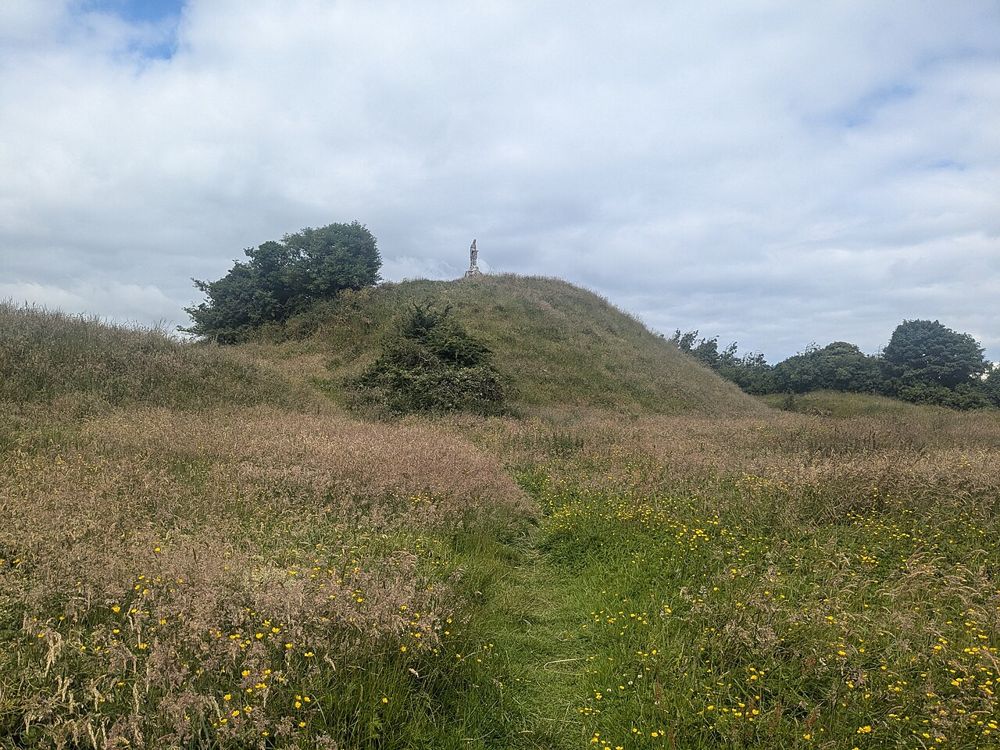
heritage · 0.1 km
The steep earthwork above Granard makes medieval power visible without a surviving stone castle. Its scale becomes clearer as you approach from the town rather than seeing only a distant hill.
Open place page →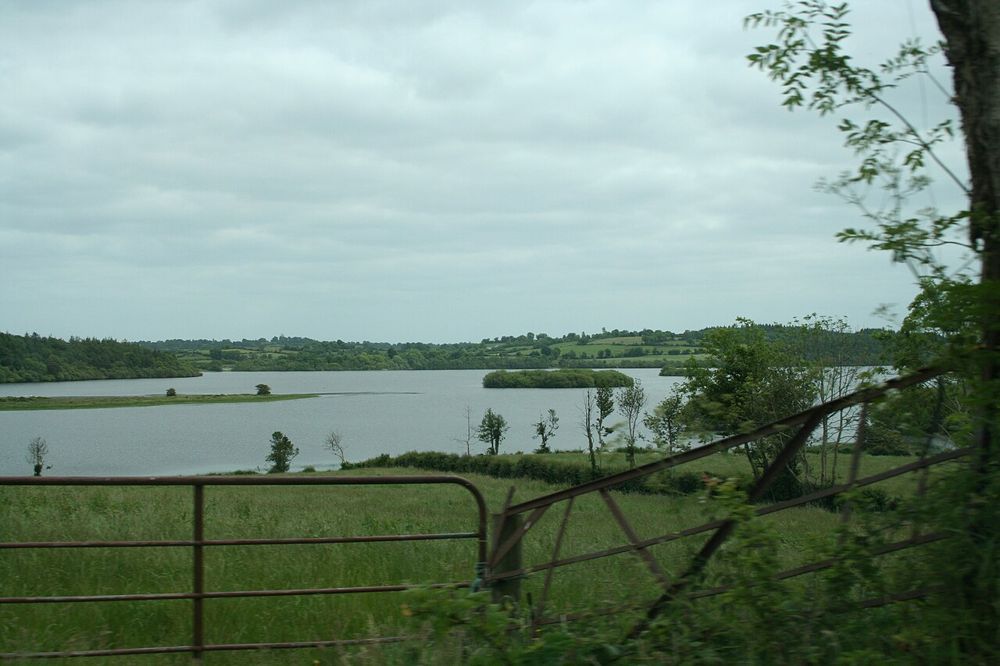
nature · 10.4 km
Derrycassin combines woodland shelter with glimpses of Lough Gowna. It is a good place to let a walk develop around a marked loop rather than chase an uninterrupted lakeside promenade.
Open place page →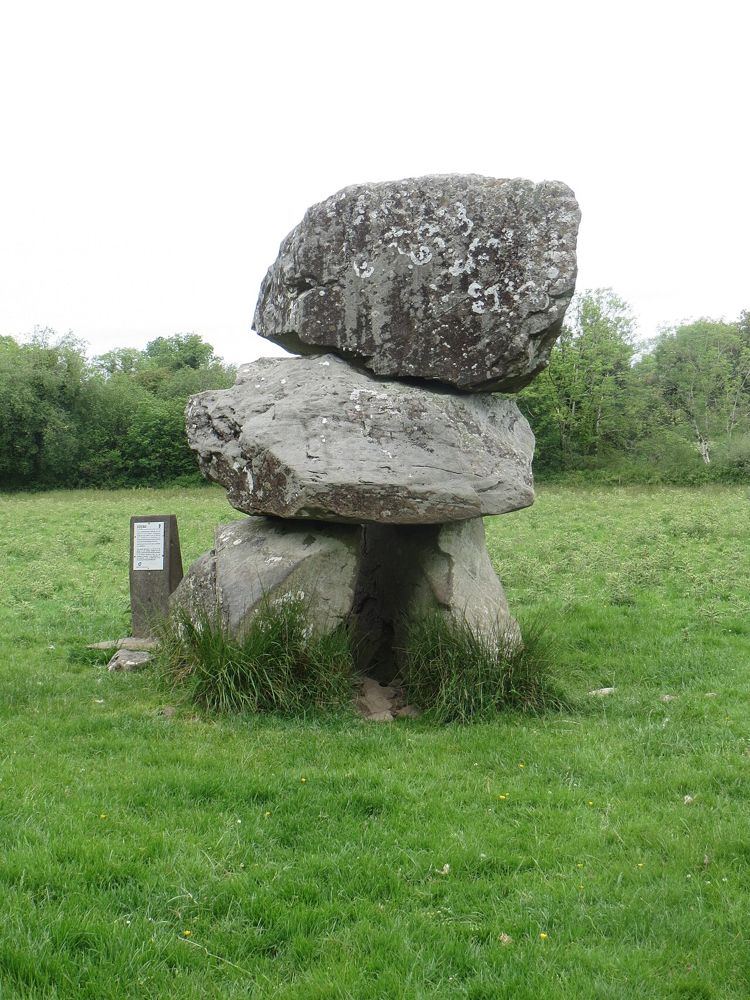
nature · 10.6 km
Leebeen is a modest lakeside outing, which is precisely its appeal after more concentrated sightseeing. The boardwalk and small-scale surroundings make it a place to pause rather than tick off another monument.
Open place page →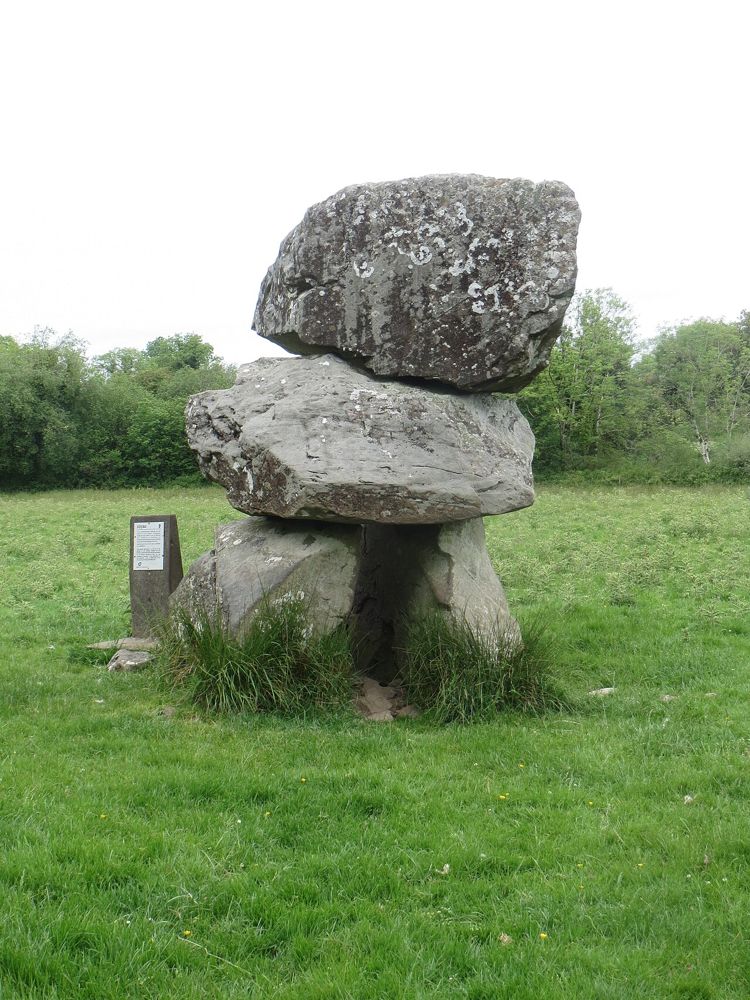
heritage · 11.0 km
The weight of Aughnacliffe's capstone is what first catches the eye. A close, respectful look at the supporting stones then turns the monument from an odd boulder into a deliberate prehistoric structure.
Open place page →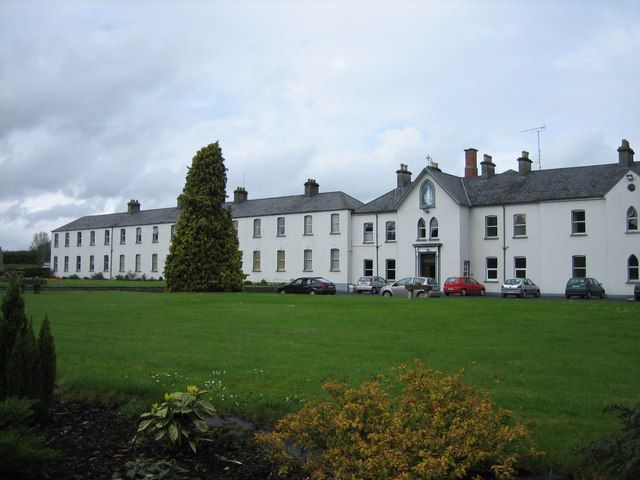
heritage · 17.7 km
Multyfarnham is still a place of worship, which changes the pace of a visit. The abbey and its setting suit a quiet look before exploring the village rather than a loudly narrated circuit.
Open place page →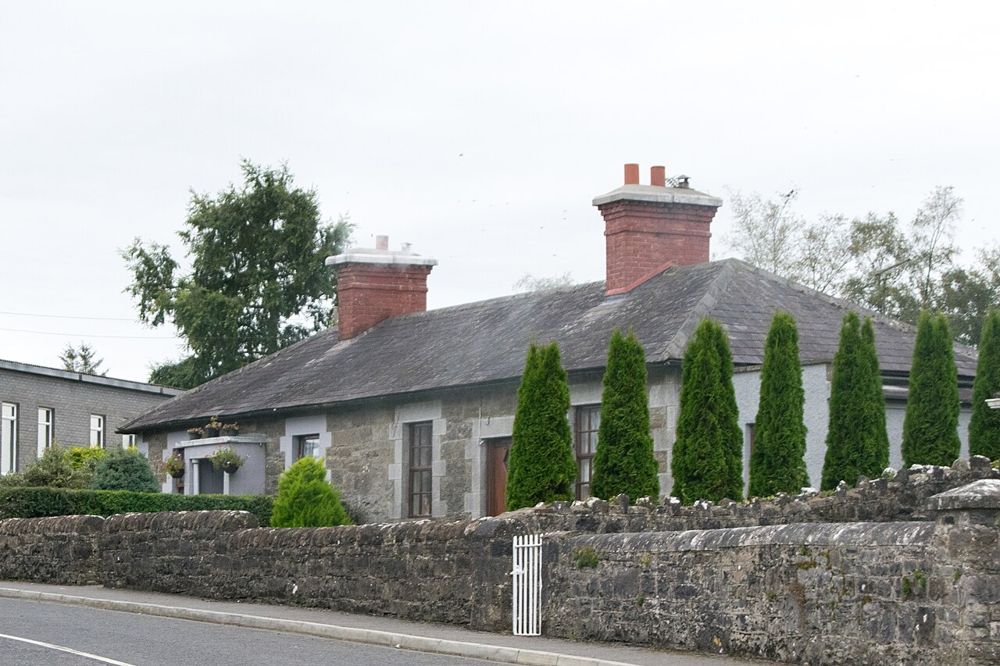
heritage · 17.9 km
Ardagh rewards looking at how a village fits together: stone houses, green spaces and church remains create a coherent small settlement rather than a single headline attraction.
Open place page →The accessible family account singles out handling armour and equipment and an enthusiastic explanation of Norman history. That practical, tactile element is the main reason to consider it with children. Confirm the ordinary tour format; school and event programmes may differ.
Original paraphrases of public visitor accounts. These are limited perspectives, not a representative survey or a claim of our own visit. Use current operator information for access and opening.
Location & access
The benefit of tactile interpretation is that the historical story becomes easier to discuss across ages. A child's fascination with equipment can be the doorway into a wider conversation about conquest and settlement. Do not confuse that with a promise that every tour follows exactly the same activities or script.
53.77300, -7.49000 · Reference point; confirm the correct entrance and access. Map © OpenStreetMap contributors.
Source-based place brief. A catalogue reference is not a live availability check or a report of a personal visit.
Visitor details checked 19 October 2026. Page content updated 2026-10-20.