The dome and rotunda
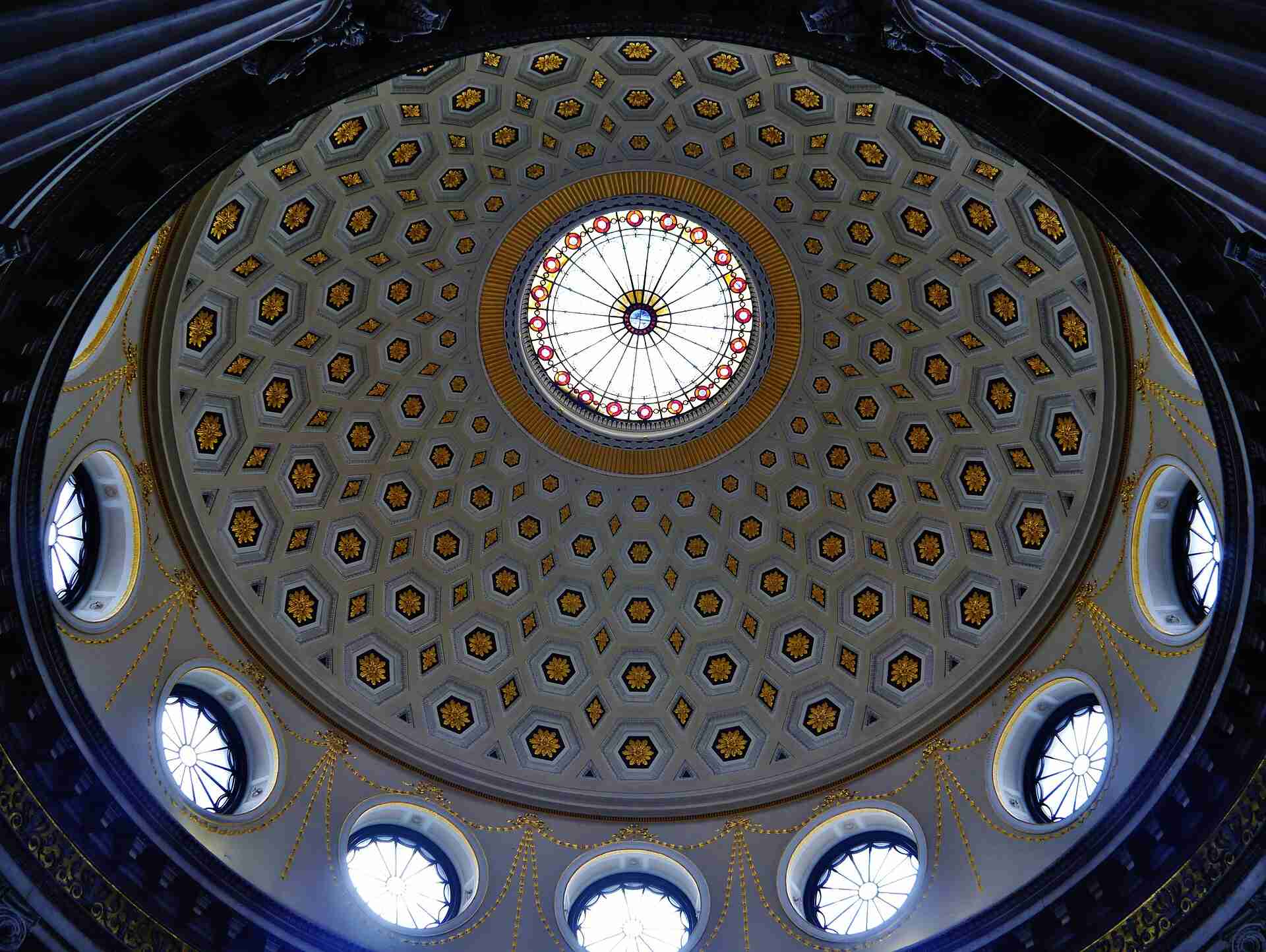
Look up from the circular hall to trace how the dome, columns and windows organise the space.

heritage · Dublin
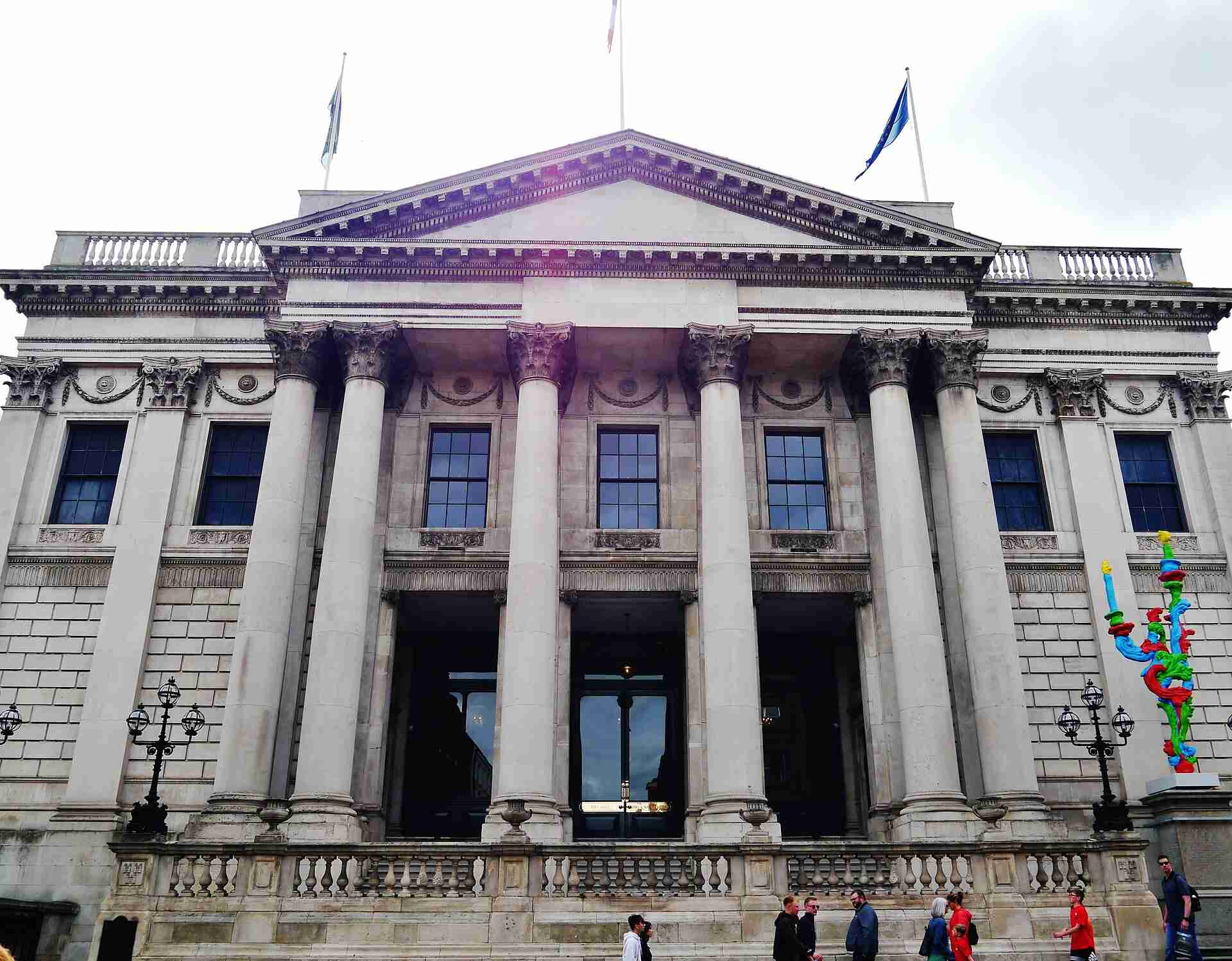
Step out of the Dame Street traffic and give Dublin City Hall time as an architectural visit. Start with the columned frontage, then move inside when public access allows to compare the scale of the rotunda with the smaller details overhead and underfoot.
From research
Choose City Hall for a compact city-centre architecture stop, especially if your route already includes Dublin Castle or the streets around Dame Street. The visit works best when you slow down for the building itself rather than treating it as a doorway photograph.
Know before you book: This remains a working civic and events venue. Public opening can change for weddings and private events; confirm access before arranging your day around the interior.
Place highlights
Look up from the circular hall to trace how the dome, columns and windows organise the space.
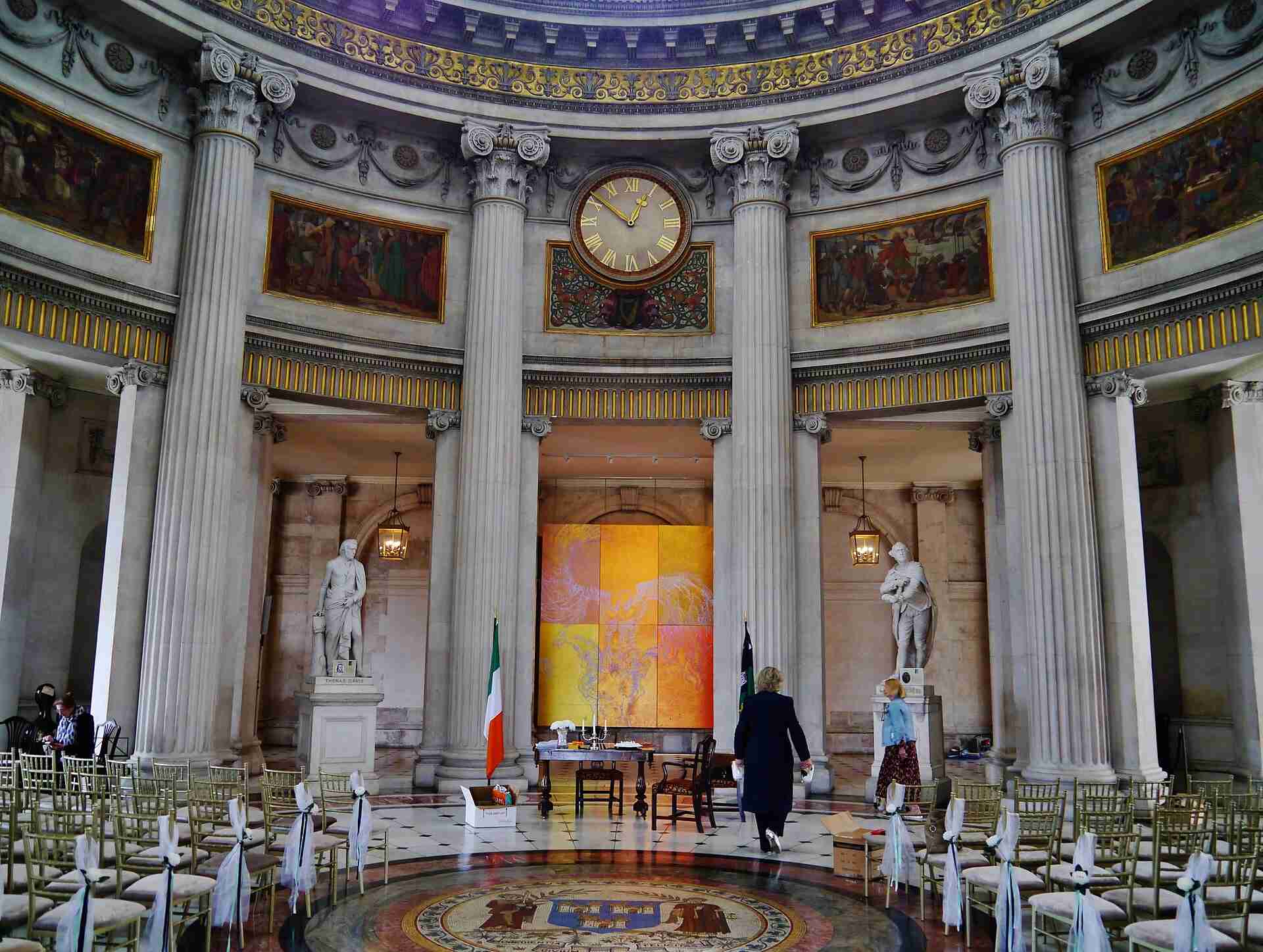
Pause over the patterned floor and central coat of arms. Compare the colours of the stone before looking back at the overall composition.
The painted panels and sculpted figures add another layer to the architecture. Let your eye move around the room instead of stopping at the central view.
The story behind the visit
Built between 1769 and 1779 to Thomas Cooley’s design, the building began as the Royal Exchange. Merchants used its grand interior for trade and currency exchange, giving the monumental architecture a commercial purpose before it became associated with the city’s civic life. Source ↗
Cooley’s rotunda brings columns, carved stonework and a glazed dome into one interior. The council credits Simon Vierpyl with the stonework and Charles Thorpe with the original gilding. Moving from the street frontage to the circular hall makes the change in scale especially clear. Source ↗
The floor was relaid in 1898 to a design by City Architect Charles J. McCarthy. Above it, James Ward and his pupils painted the twelve Arts and Crafts murals between 1914 and 1919. The decoration therefore belongs to several periods rather than one finished eighteenth-century moment. Source ↗
Visitor information
Use Dame Street, Castle Street or Barnardo Square as named in the council’s arrival guidance. The venue pin does not identify a specific entrance. Official visitor information ↗
Confirm current access and visitor arrangements with the operator.
Discover Ireland lists free admission; events can affect when the public can enter. Source ↗
No: the council lists Sundays and bank holidays as closed, with additional private-event closures. Source ↗
Start with the rotunda and dome, then look at the mosaic floor, murals and statues. Source ↗
Nearby options
Explore other places in the area, then use live directions to plan your journey.
heritage
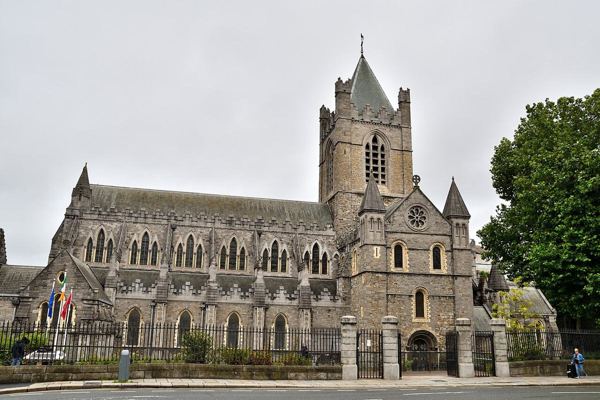
Christ Church combines a working Anglican cathedral with a medieval crypt, tiled floors and layers of Dublin history. Visit for architecture and objects, or attend worship for a different experience.
Open place page →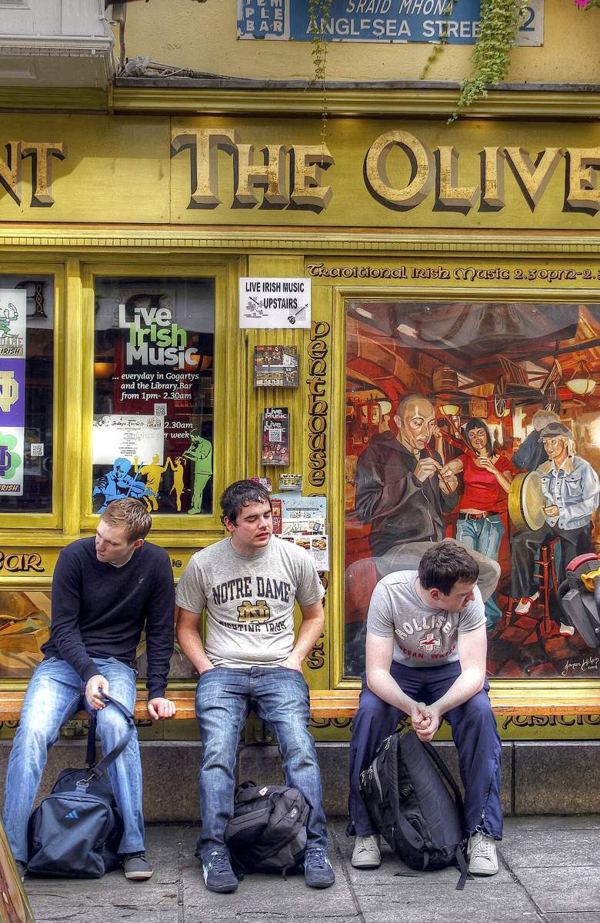
city
Explore Temple Bar as a small cultural neighbourhood: public art in the lanes, photography on Meeting House Square and a film at the IFI can make a better afternoon than simply following the busiest pub…
Open place page →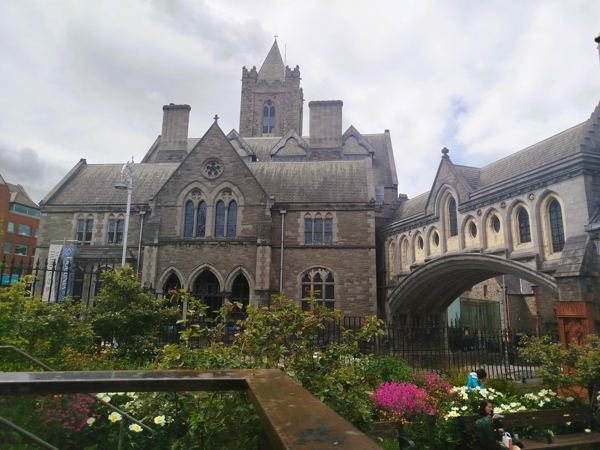
heritage
Dublinia interprets Viking and medieval Dublin through recreated settings and historical displays beside Christ Church. Its optional tower adds a different perspective on the old city.
Open place page →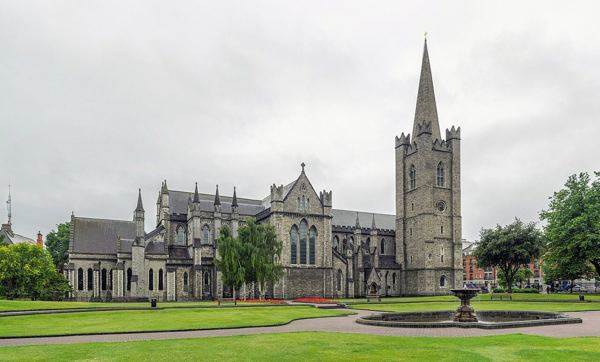
heritage
St Patrick’s is Ireland’s national cathedral in the Church of Ireland tradition, with literary connections, monuments and a continuing pattern of worship. It is a separate visit from Christ Church Cathedral.
Open place page →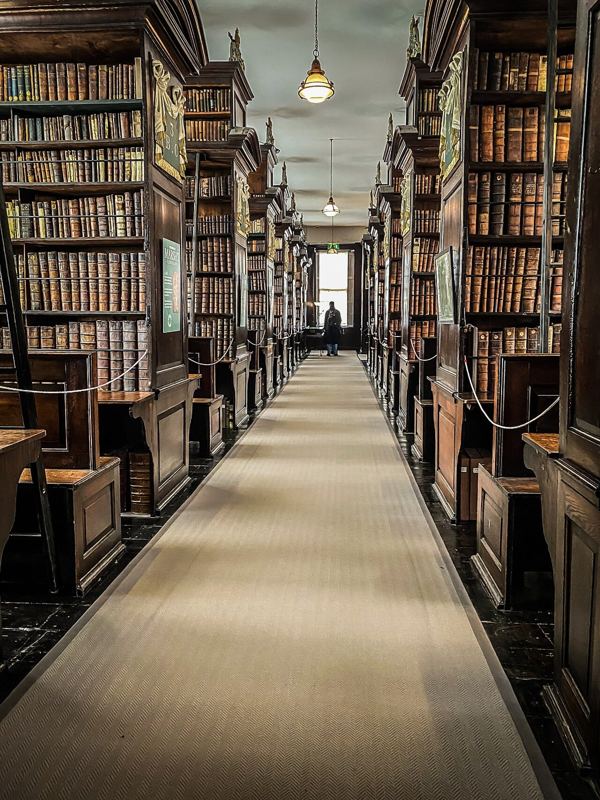
heritage
Marsh’s Library offers a small-scale encounter with historic books, oak shelves and the reading spaces of an early public library. It stands beside St Patrick’s Cathedral but is a separate visit.
Open place page →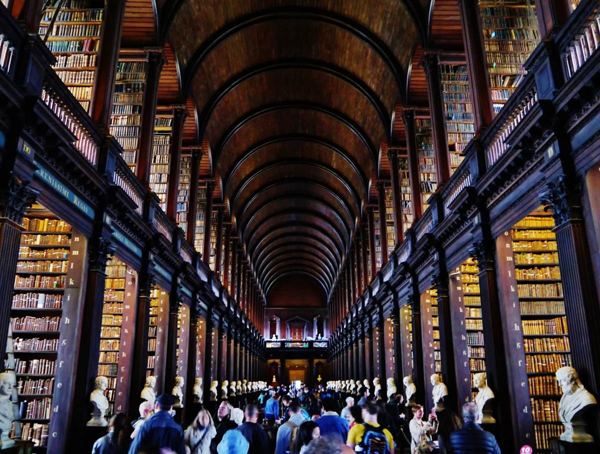
heritage
See a 1,200-year-old illuminated manuscript, walk through the Old Library's Long Room and decide whether the newer digital exhibition is worth adding to your Dublin day.
Open place page →Location & access
This remains a working civic and events venue. Public opening can change for weddings and private events; confirm access before arranging your day around the interior.
53.34388, -6.26718 · Reference point; confirm the correct entrance and access. Map © OpenStreetMap contributors.
Orientation only: a verified public entrance is not established by this pin. Use the operator arrival information before travel.