The outdoor railway yard
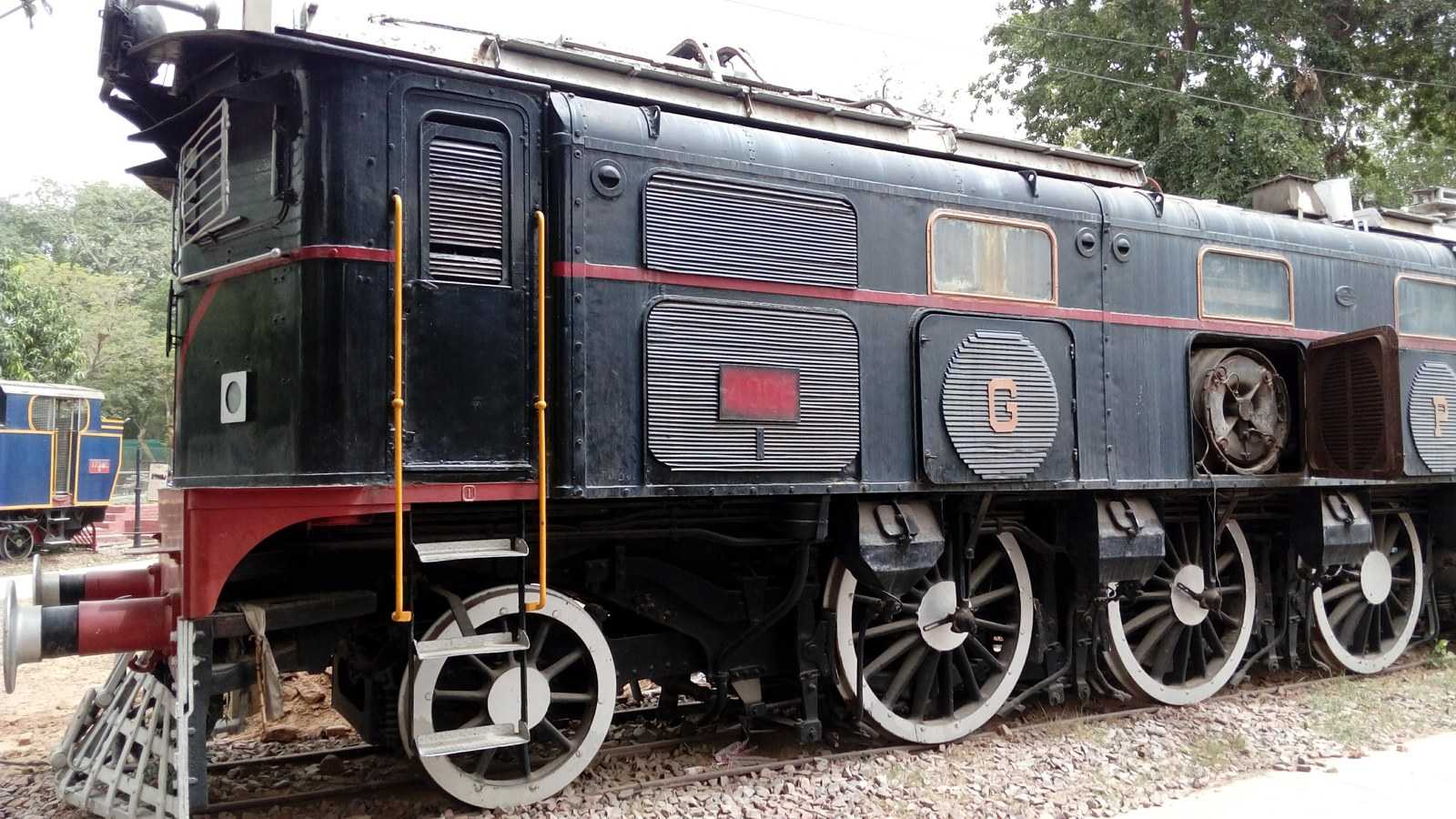
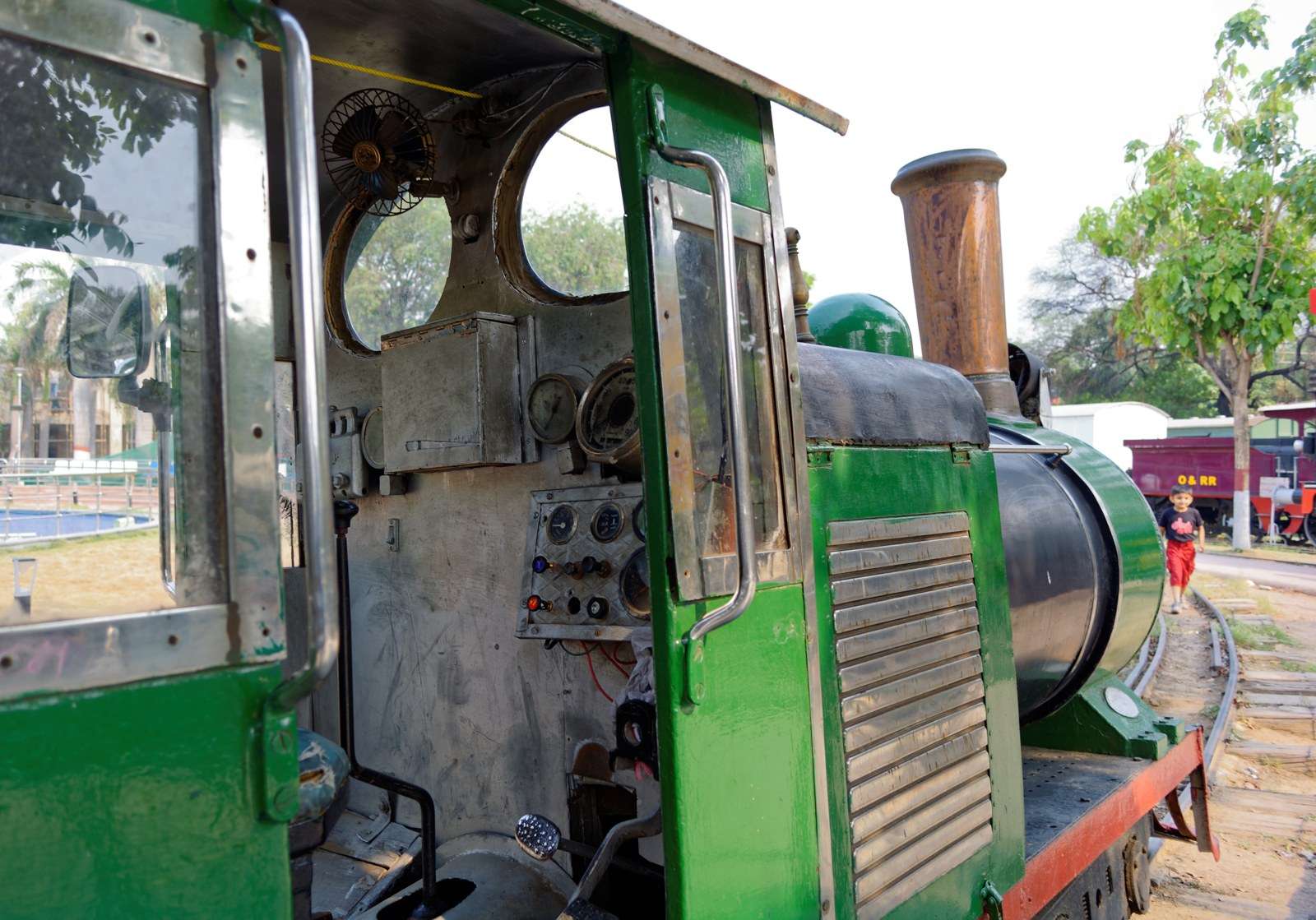
Compare steam, diesel and electric locomotives, then look at how the carriages and saloons differ from the engines that hauled them. The yard layout helps make the scale of the original rolling stock clear.

museum · Delhi
Sir M. Vishweshwaraiah Moti Bagh · Pink Line
About 1448 m by the mapped pedestrian route. Allow extra time for station access, crossings and screening.
Open walking directionsAuto meter reference: ₹30 first 1.5 km, ₹11/km thereafter. Black-and-yellow taxi meter reference: ₹40 first km, then ₹17/km non-AC or ₹20/km AC. Confirm shared-auto service and its per-person fare locally. Waiting, night and applicable extras are separate; app taxis supply their own quotes.
Delhi Transport Department fare referenceFull-size locomotives make this a different kind of Delhi museum. Walk through the outdoor railway yard, compare the machinery at close quarters, then use the indoor displays to place individual engines and carriages in the wider story of Indian Railways.
From research
Choose it for railway engineering, unusual transport exhibits and a visit that mixes outdoor exploring with an indoor collection. The locomotives and historic rolling stock are the core reason to come; bookable rides are an optional addition when operating.
Know before you book: Most of the full-size collection is outdoors. The museum normally opens Tuesday to Sunday and also closes on selected holidays. Ride and simulator availability can change, so check the operator before promising a specific activity.
Place highlights
Compare steam, diesel and electric locomotives, then look at how the carriages and saloons differ from the engines that hauled them. The yard layout helps make the scale of the original rolling stock clear.
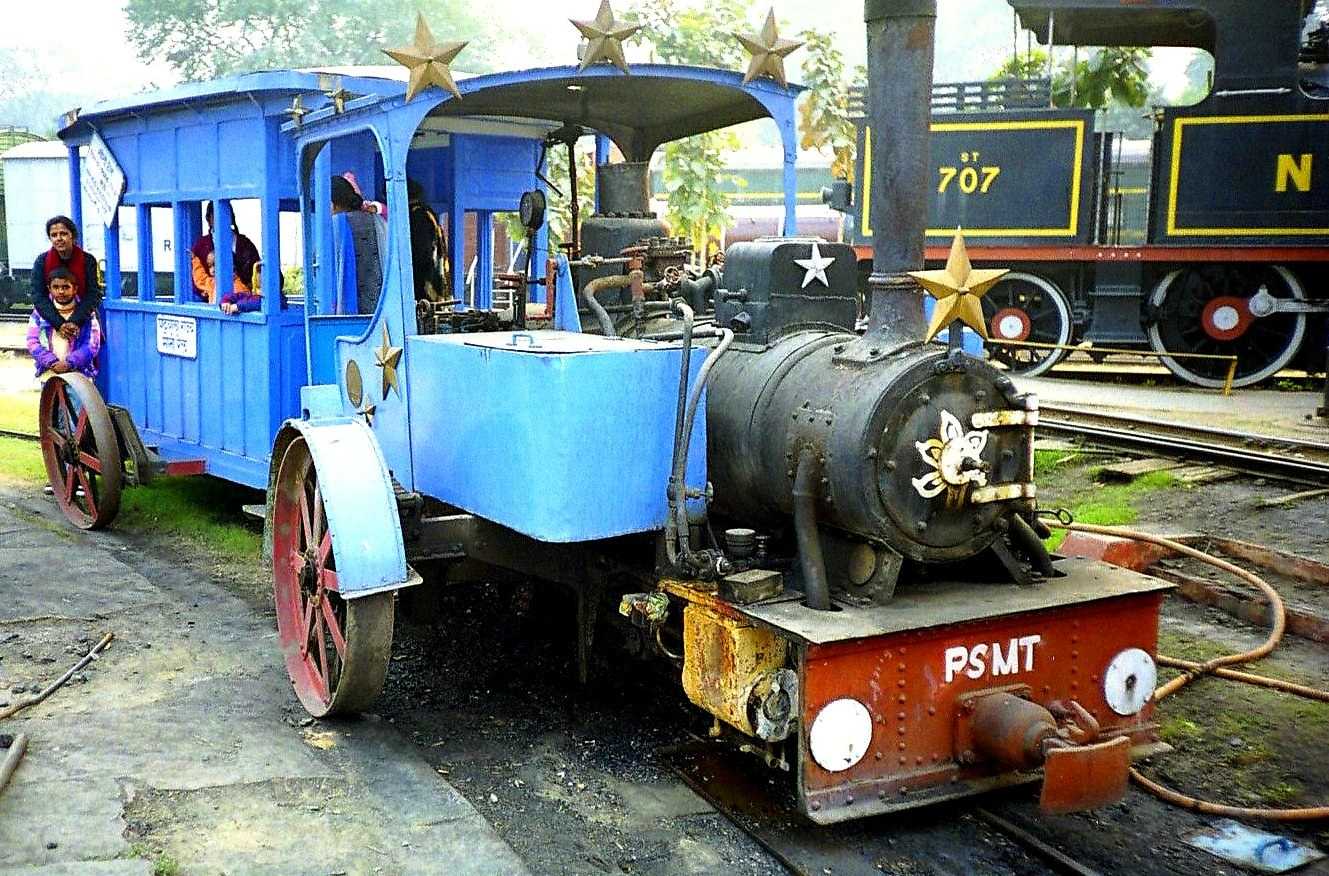
Look for the Patiala State Monorail Tramway locomotive and coach, one of the distinctive exhibits highlighted by the museum. Examine its unusual arrangement before comparing it with the conventional locomotives nearby.
Move from the original rolling stock to the indoor models, documents and historic photographs. The change of scale makes a useful second part of a visit after exploring the yard.
The story behind the visit
The museum opened to the public on 1 February 1977 as the Rail Transport Museum. It became the National Rail Museum in October 1995, following a foundation ceremony in 1971. These dates describe the museum itself, rather than the age of its individual exhibits. Source ↗
Its collection brings together original locomotives, royal saloons, wagons and other railway vehicles. Indoors, models and historical material give another view of the development of Indian Railways. Comparing those two parts of the collection turns the visit into more than a sequence of engine photographs. Source ↗
The operator highlights the Patiala State Monorail Tramway, the John Morris fire engine and several royal and viceregal saloons among its unusual holdings. Each represents a different job that railways or their associated workshops and services once performed. Source ↗
Visitor information
The official address is National Rail Museum, Chandra Gupta Marg, Chanakyapuri, beside the Bhutan Embassy, New Delhi 110021. Use that address for the final approach. Official visitor information ↗
The map point is taken from the operator’s embedded museum map and provides orientation within the site. Follow the museum entrance signage when you arrive rather than treating the centre point as a vehicle drop-off. Official visitor information ↗
Confirm current access and visitor arrangements with the operator.
The normal opening days are Tuesday to Sunday. Monday is the weekly closure, and the official calendar also lists holiday closures. Source ↗
The official fare table lists entry and Museum Express separately. Check the current booking choices and operating notices before choosing an activity. Source ↗
About two hours is an editorial starting point for the outdoor and indoor collections. Adjust it for your interest, the weather and any operating activity you book. Source ↗
Nearby options
Explore other places in the area, then use live directions to plan your journey.
attraction
Browse regional crafts and choose a meal at the INA branch of Dilli Haat. It is a useful South Delhi finish when you want a contained market visit after a day of monuments.
Open place page →attraction
Walk between domed tombs and garden paths in a park that Delhi residents use every day. Lodhi Garden is a good place to slow the pace while seeing architecture from before the great Mughal mausoleums.
Open place page →attraction
Combine conserved garden tombs with planted landscapes, water and slower walking beside Humayun’s Tomb. Sunder Nursery works best when you choose between a heritage circuit and a longer park visit.
Open place page →attraction
Look beyond the tower at Qutub Minar: the surrounding mosque remains, gateways, tombs and unfinished minar turn a famous skyline view into a fuller visit to early Sultanate Delhi.
Open place page →attraction
Approach Humayun’s mausoleum through its garden rather than rushing straight to the dome. This is one of Delhi’s best places to understand how a Mughal tomb was designed as a complete landscape.
Open place page →attraction
Choose a small route through Mehrauli’s scattered tombs, mosque remains, stepwell and later garden structures. The archaeological park rewards context and a clear plan more than an attempt to cover every ruin.
Open place page →Location & access
28.58572, 77.18055 · Reference point; confirm the correct entrance and access. Map © OpenStreetMap contributors.
Orientation only: a verified public entrance is not established by this pin. Use the operator arrival information before travel.