Surviving abbey remains
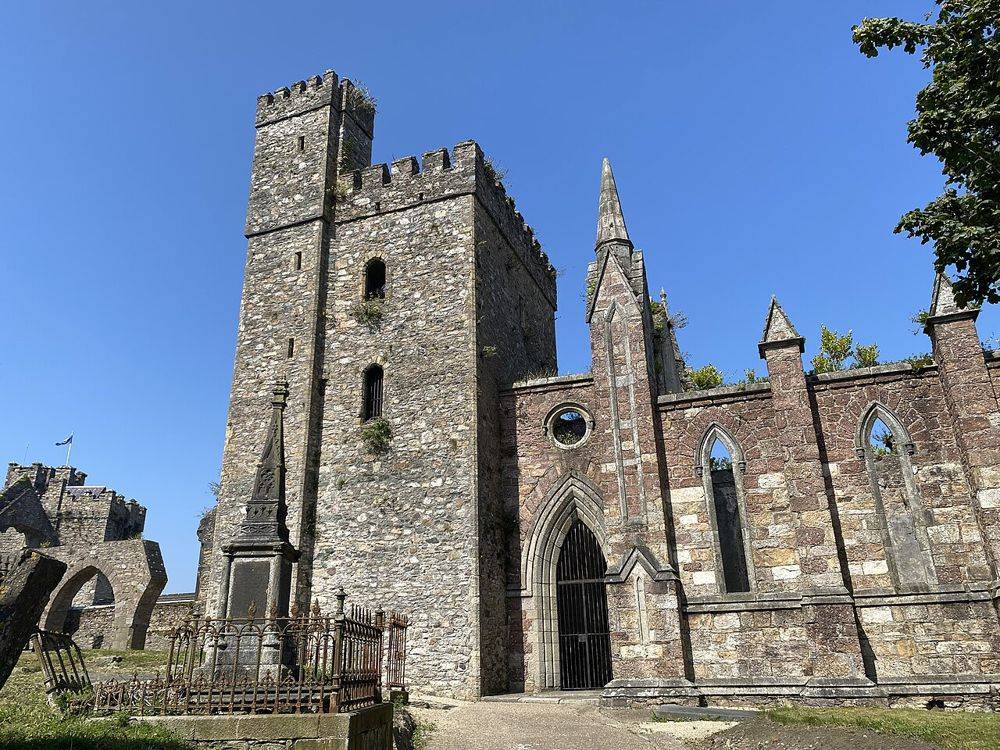
The standing masonry is most useful when you can identify what once occupied the space. Look at the scale of the surviving tower and how the town has grown close around it.
heritage · Wexford
Selskar is a rewarding interruption to a Wexford town walk because the ruins sit inside the modern street pattern. It is not a large countryside abbey: the interest is in finding the medieval town beneath today’s buildings and having someone explain the fragments that remain.
Source-based editorial assessment · out of 10
The standing masonry is most useful when you can identify what once occupied the space. Look at the scale of the surviving tower and how the town has grown close around it.
Combine it with a Wexford walking route. Nearby streets have their own parking and traffic rules; leave the car in a suitable public space and finish on foot.
Best for: Choose it as a focused heritage stop while exploring Wexford on foot.
Planning blend: 7.0 / 10 · Sustainability: unrated
Experience considers the reward and depth of this particular stop. Visitor friendliness considers practical ease: arrival, booking, physical demands, cost and flexibility. These are editorial judgements based on linked information, not visitor averages or a claim of a personal visit.
Assessed . Supporting guide source-check date: 2026-10-19. The assessment date does not mean every linked source was newly checked.
The blend uses (40 × Experience + 55 × Visitor friendliness) ÷ 95, rounded to the nearest half point. Missing sustainability does not affect it. A missing current visit score is not zero and has no blend.
A high score is not a safety clearance or a guarantee of step-free access. Food-stop scores concern the planned visit, not an untested meal. Read the scale and scope · Suggest a correction.
From research
Choose it as a focused heritage stop while exploring Wexford on foot. Access arrangements matter more here than the size of the ruin. Confirm a tour before making the abbey the sole reason for a journey; seeing it from outside is a different visit.
Know before you book: Expect a compact historic site with controlled access rather than unrestricted roaming at any hour. A guide can supply the connection between walls, town history and later changes. Avoid reading an old review’s tour departure as a live timetable.
Place highlights
The standing masonry is most useful when you can identify what once occupied the space. Look at the scale of the surviving tower and how the town has grown close around it.
Approach on foot through the town centre. The short walk helps make the point that this religious site belonged to an urban community, rather than a remote monastic retreat.
The story behind the visit
Selskar belonged to Wexford’s medieval religious landscape and its story reaches beyond the surviving ruins. The later alterations and confined town setting make interpretation valuable: not everything visible belongs to the same moment in the abbey’s life. Source ↗
Dated visitor information
The abbey is in Wexford town near Selskar Street. Use the actual visitor meeting point supplied with your tour, as the boundary of the ruins is not necessarily the entrance. Official visitor information ↗
Source information checked 19 October 2026; confirm current access and visitor arrangements with the operator.
Do not assume so. Check the current access or tour arrangement before travelling. Source ↗
It works best as a focused part of a Wexford town visit, especially with interpretation of the ruins. Source ↗
Nearby options
Distances are straight-line estimates between catalogue pins, within 30 km. Roads, entrances and walking routes may be much longer. Known closed places are excluded; inclusion does not confirm opening today.
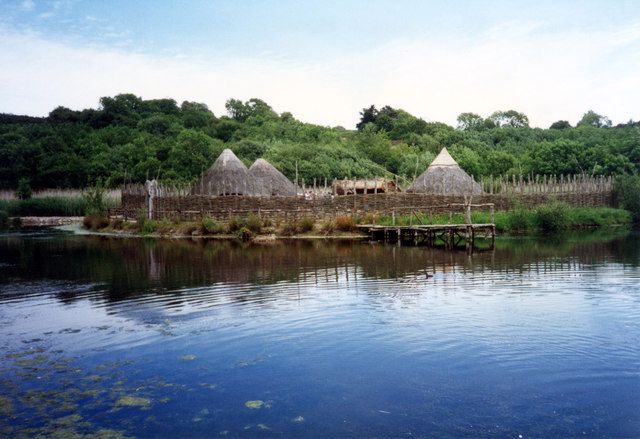
attraction · 3.9 km
The Heritage Park is a walk through reconstructed buildings and landscapes, with enough space between them for the changes in time to register. It works particularly well when Irish archaeology has begun to…
Open place page →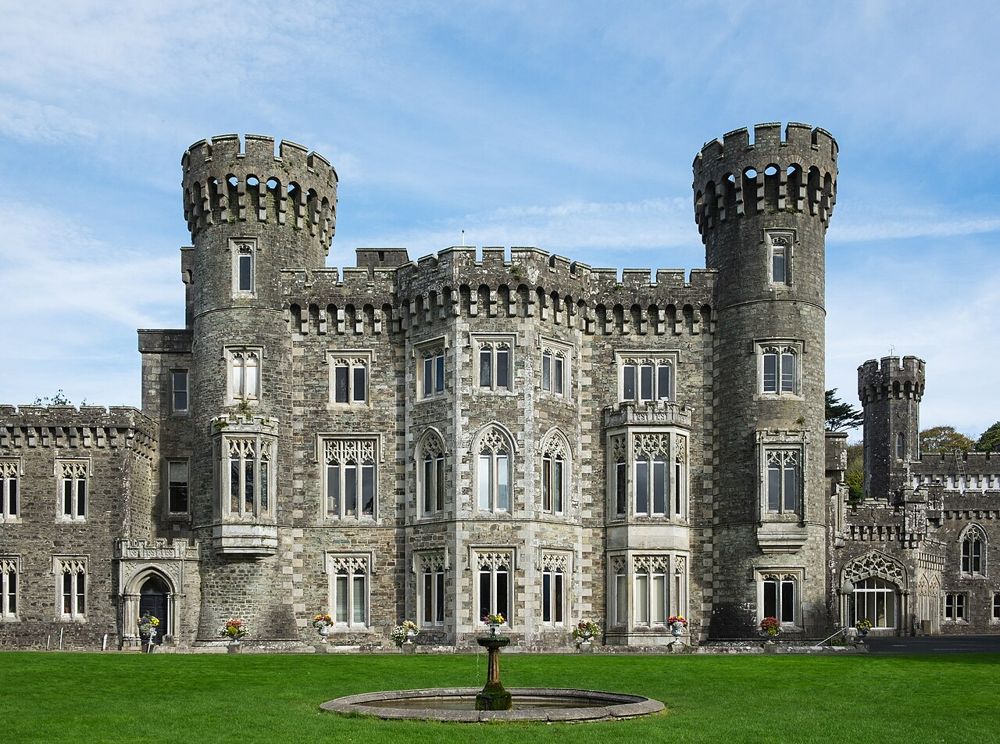
heritage · 6.3 km
Johnstown is easiest to enjoy as an estate day with several choices, rather than simply a castle ticket. The Gothic house provides the image, but lakeside paths and the agricultural museum give the visit a…
Open place page →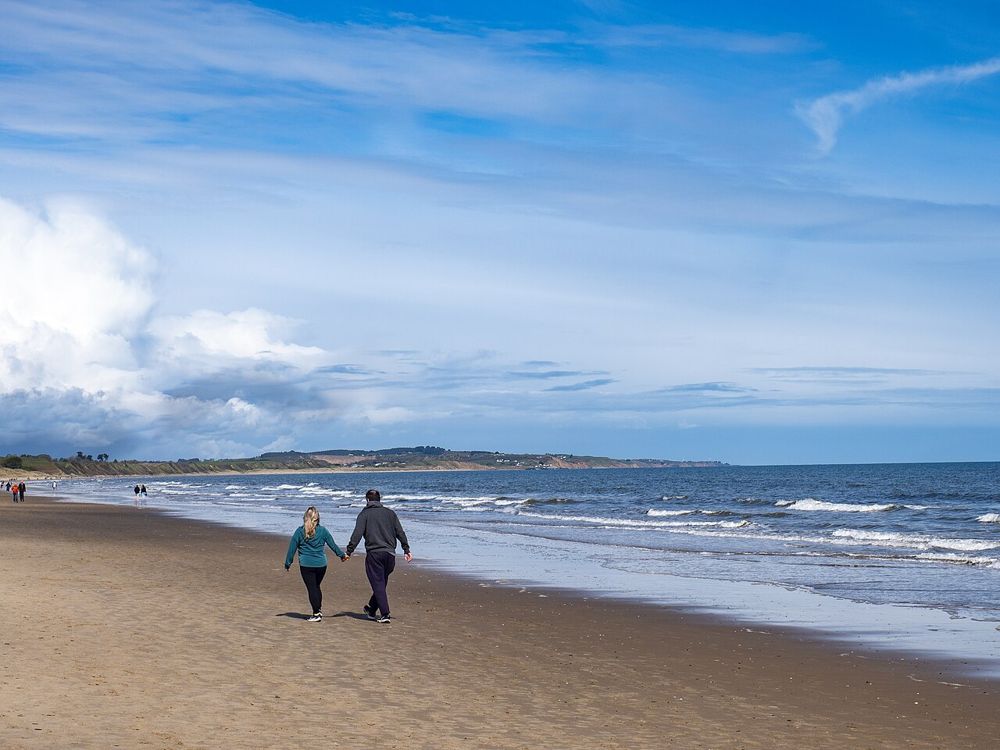
coast · 8.2 km
Curracloe is about room to walk: a broad sandy shore backed by dunes, with the Raven woodland nearby if you want a change from open sea. The film connection may explain the name recognition, but the everyday…
Open place page →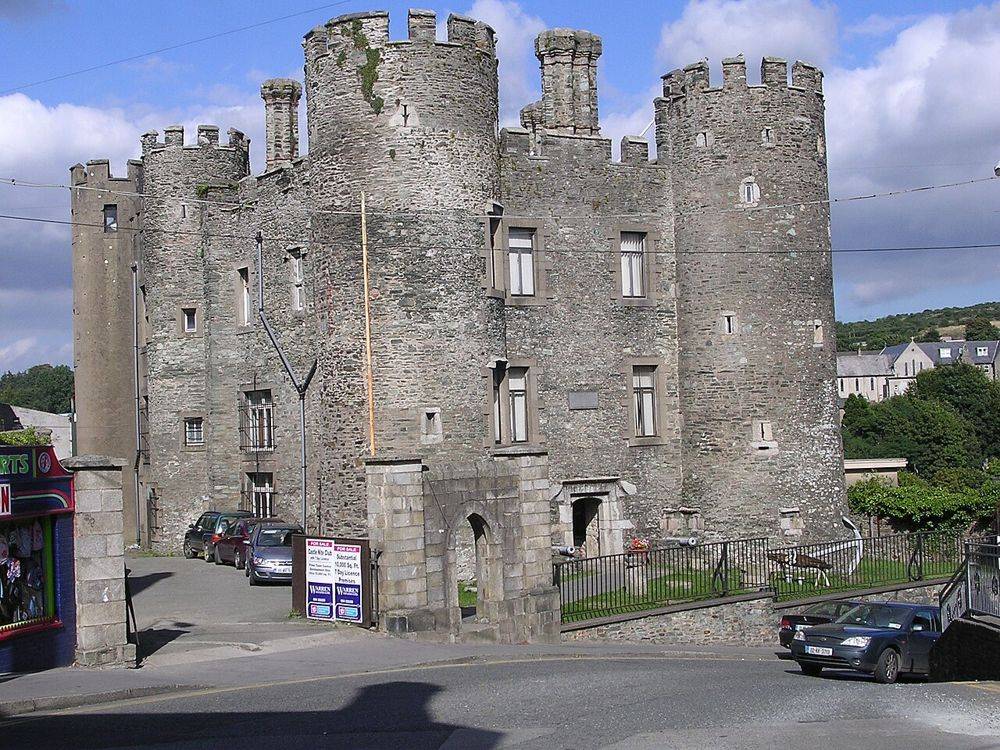
heritage · 19.0 km
Enniscorthy Castle is a town-centre building with several lives, not simply an empty medieval keep. Its exhibitions make sense when you are interested in the town as well as the defensive shell. Look outside…
Open place page →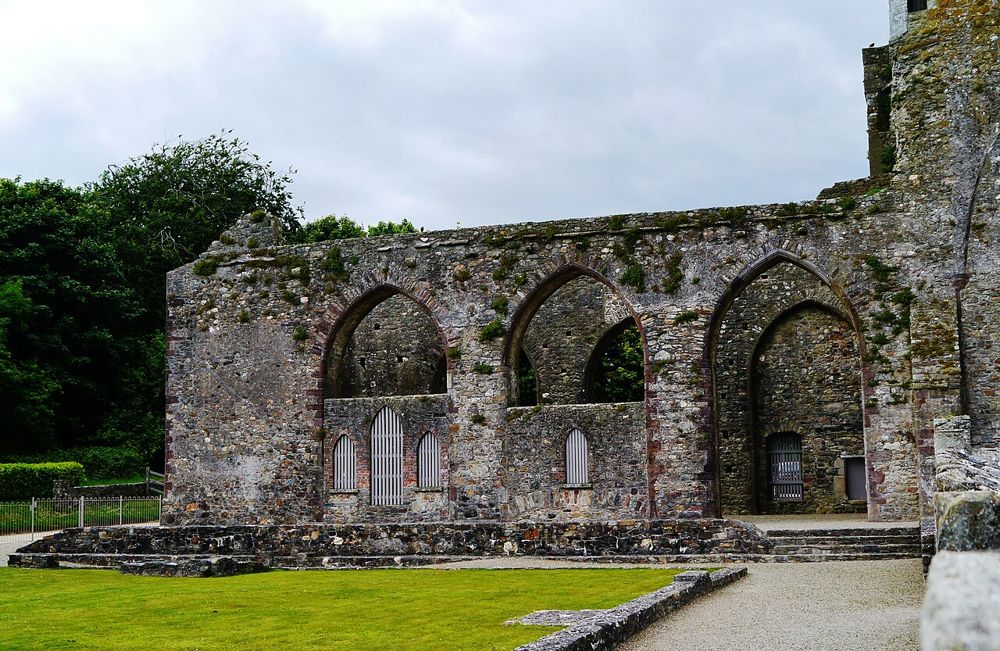
heritage · 28.1 km
Tintern rewards a slower Hook Peninsula day: pale stone, a substantial ruined abbey and woodland around it instead of a roadside monument photographed through a fence. The building carries more than one…
Open place page →Accessible review excerpts describe the guided access and historical explanation as the valuable part of the stop. That supports arranging a tour rather than expecting a self-explanatory ruin; the limited sample does not establish present opening times.
Original paraphrases of public visitor accounts. These are limited perspectives, not a representative survey or a claim of our own visit. Use current operator information for access and opening.
Location & access
Expect a compact historic site with controlled access rather than unrestricted roaming at any hour. A guide can supply the connection between walls, town history and later changes. Avoid reading an old review’s tour departure as a live timetable.
52.34320, -6.46450 · Reference point; confirm the correct entrance and access. Map © OpenStreetMap contributors.
Source-based place brief. A catalogue reference is not a live availability check or a report of a personal visit.
Visitor details checked 19 October 2026. Page content updated 2026-10-20.