Workhouse buildings
Notice the institutional layout and the separation it imposed on everyday life.
heritage · Laois
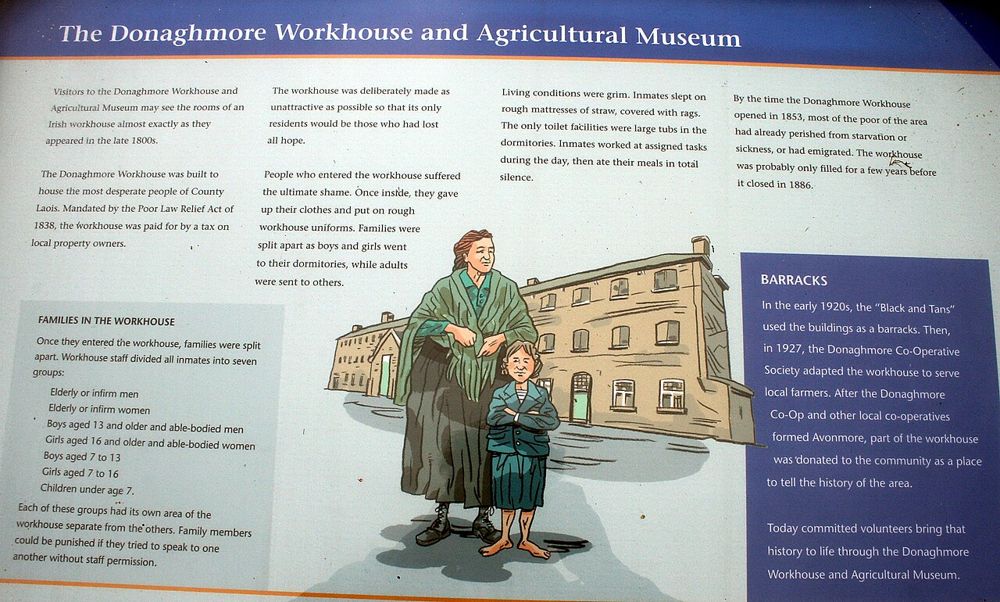
Donaghmore is a sober counterweight to a day of castles and gardens. The surviving workhouse buildings make institutional life and poverty tangible in a way a roadside memorial cannot.
Source-based editorial assessment · out of 10
Give the interpretation time and space. This is a strong history stop, but the subject may need explaining carefully to younger children.
Confirm current museum hours or group arrangements before travelling. A specialist local museum should not be treated as a guaranteed walk-in all year.
Best for: Workhouse buildings and agricultural collection
Planning blend: 7.5 / 10 · Sustainability: unrated
Experience considers the reward and depth of this particular stop. Visitor friendliness considers practical ease: arrival, booking, physical demands, cost and flexibility. These are editorial judgements based on linked information, not visitor averages or a claim of a personal visit.
Assessed . Supporting guide source-check date: 2026-10-19. The assessment date does not mean every linked source was newly checked.
The blend uses (40 × Experience + 55 × Visitor friendliness) ÷ 95, rounded to the nearest half point. Missing sustainability does not affect it. A missing current visit score is not zero and has no blend.
A high score is not a safety clearance or a guarantee of step-free access. Food-stop scores concern the planned visit, not an untested meal. Read the scale and scope · Suggest a correction.
From research
Give the interpretation time and space. This is a strong history stop, but the subject may need explaining carefully to younger children.
Know before you book: Leave the cheerful garden-trail mood outside for a while. The workhouse asks a different sort of attention, and the agricultural displays help reconnect the institutional story with surrounding rural life. It is more useful to understand a few human consequences than to rush past every object in the collection.
Place highlights
Notice the institutional layout and the separation it imposed on everyday life.
Rural tools broaden the story beyond the workhouse to the surrounding farming community.
The story behind the visit
The former union workhouse preserves evidence of the system intended to relieve poverty, and of the hardship attached to entering it. The museum joins that difficult social history to local agricultural memory. Source ↗
Dated visitor information
Navigate to Donaghmore near Rathdowney using the museum’s directions; the place name is shared by several Irish locations. Official visitor information ↗
Source information checked 19 October 2026; confirm current access and visitor arrangements with the operator.
No. The former workhouse and its social history are central, with agricultural objects adding context about the surrounding community. Source ↗
The history includes poverty, institutional life and loss. Read the museum's information and judge how to discuss those subjects with younger visitors. Source ↗
Nearby options
Distances are straight-line estimates between catalogue pins, within 30 km. Roads, entrances and walking routes may be much longer. Known closed places are excluded; inclusion does not confirm opening today.
heritage · 7.4 km
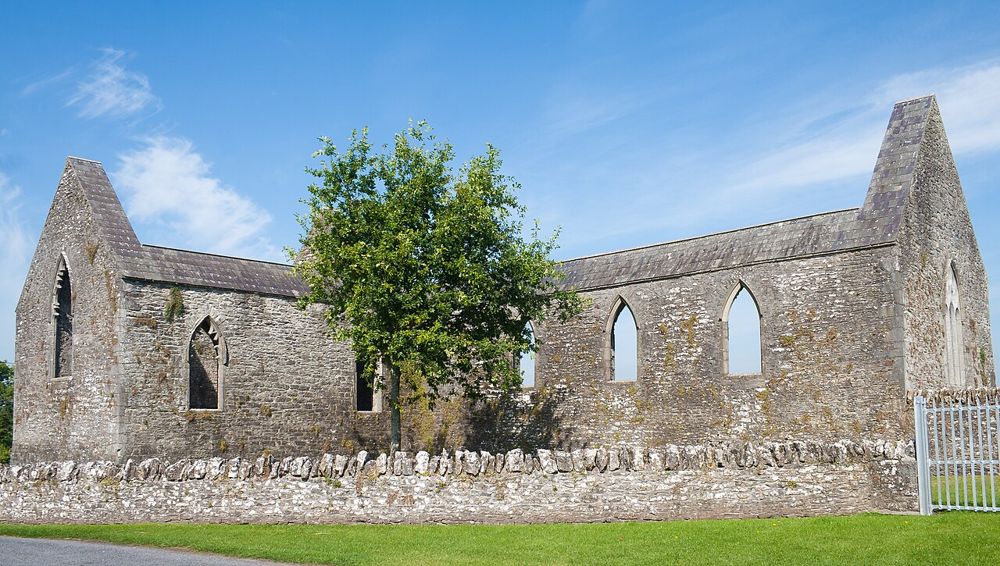
Aghaboe is a quieter ruin than Dunamase, with walls, window openings and carved details that invite a closer look. Its rural setting makes it an easy place to pause between larger visits.
Open place page →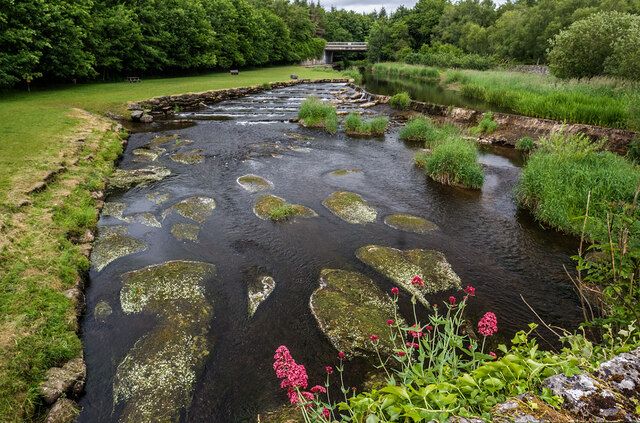
nature · 13.7 km
Gash is the sort of garden where plant enthusiasts will keep stopping while companions drift ahead. Water features, mature planting and smaller garden spaces make the appeal quite different from a monumental…
Open place page →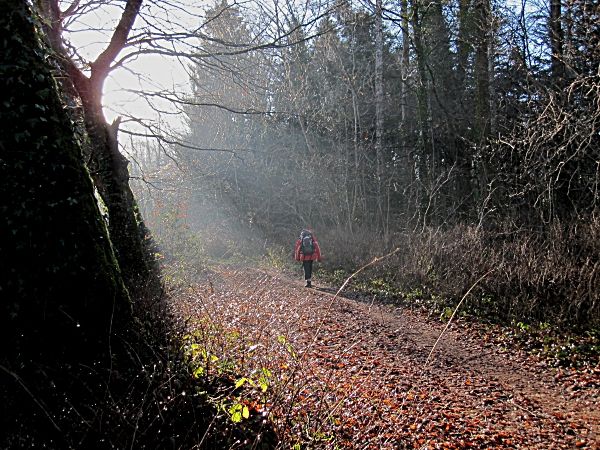
nature · 14.0 km
The Leafy Loop gives Durrow more depth than a quick village stop: woodland, riverbanks and glimpses of old estates create a walk with several different moods.
Open place page →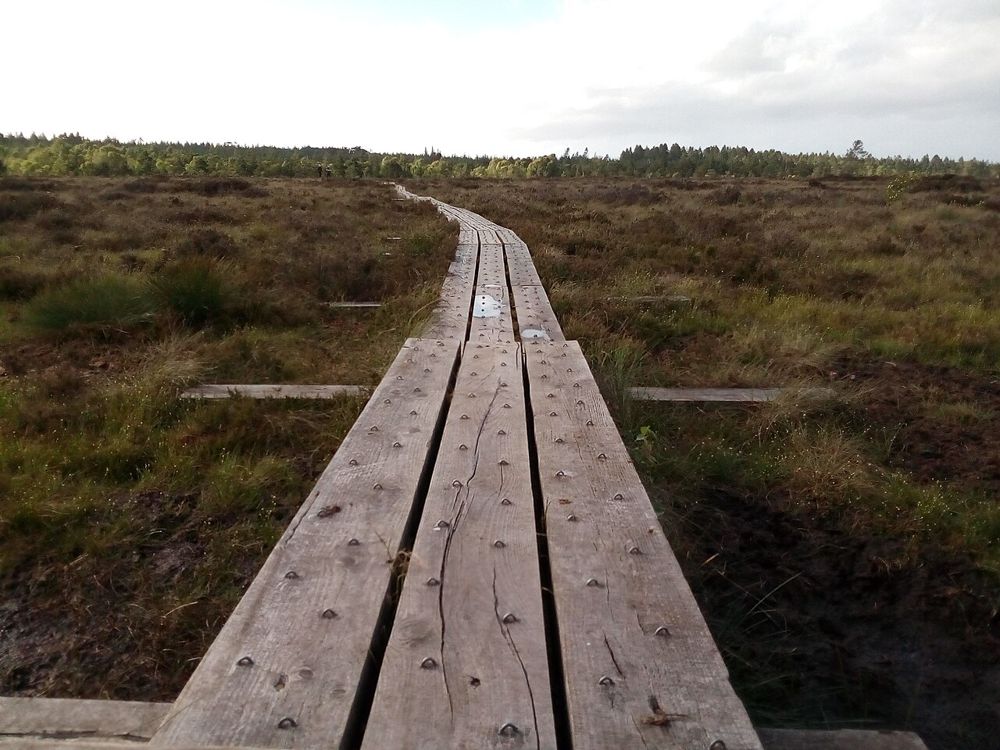
nature · 16.8 km
The attraction at Abbeyleix is close to the ground: wetland plants, pools and changing textures beside a former railway line. It is a place to slow down and look, rather than chase a dramatic summit.
Open place page →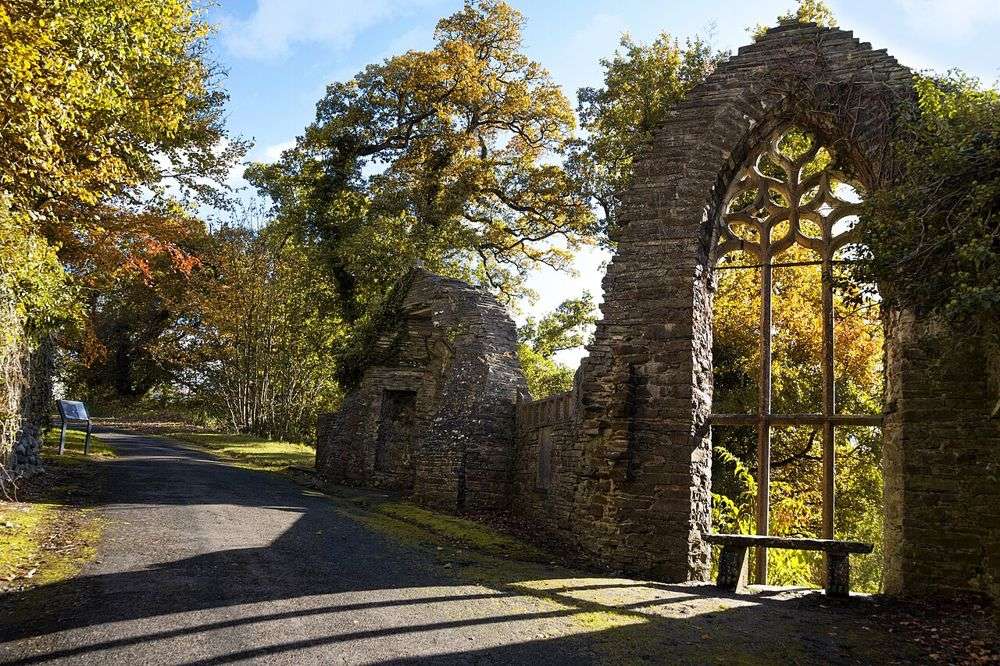
nature · 19.3 km
Heywood is about the change of scale: woodland and open landscape give way to tightly composed terraces, steps and the sunken garden. Small details repay more attention than a quick lap.
Open place page →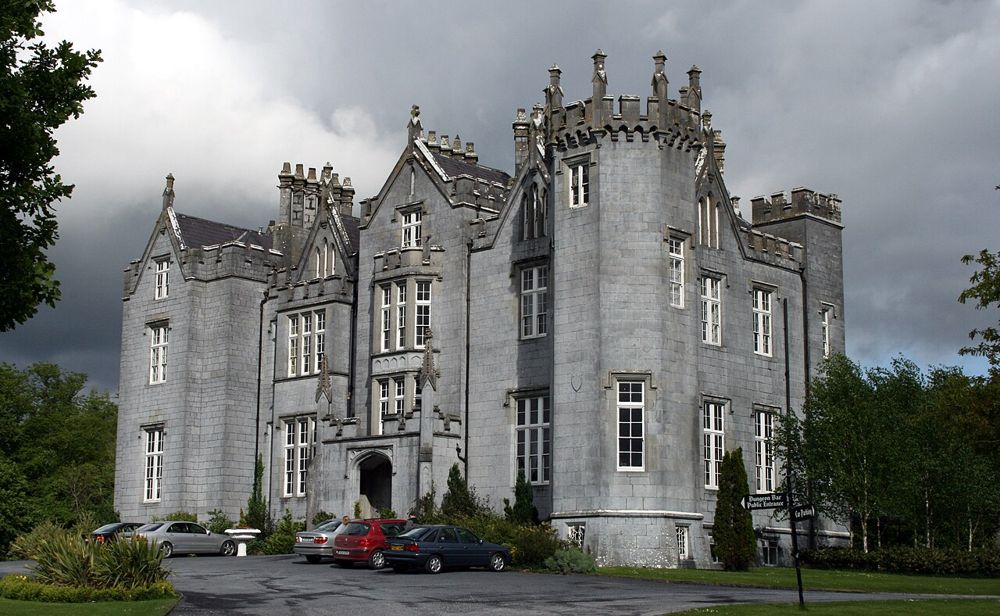
nature · 26.3 km
This marked woodland walk brings the Slieve Bloom foothills down to a manageable scale, with broadleaf cover and the castle setting providing variety along the way.
Open place page →The available account praises a guide who explained a difficult history and answered questions, but also describes trouble finding the museum. Save the current operator directions before departure; do not use an old complaint as proof that today's signs are unchanged.
Original paraphrases of public visitor accounts. These are limited perspectives, not a representative survey or a claim of our own visit. Use current operator information for access and opening.
Location & access
Leave the cheerful garden-trail mood outside for a while. The workhouse asks a different sort of attention, and the agricultural displays help reconnect the institutional story with surrounding rural life. It is more useful to understand a few human consequences than to rush past every object in the collection.
52.87500, -7.59500 · Reference point; confirm the correct entrance and access. Map © OpenStreetMap contributors.
Source-based place brief. A catalogue reference is not a live availability check or a report of a personal visit.
Visitor details checked 19 October 2026. Page content updated 2026-10-20.