Skip to content
THELAZYNICK

Republic of Ireland · 10 researched places

Louth: things to do & places to visit

Louth packs several kinds of day into a small county, but the choices are more useful than a race through its highlights. Drogheda rewards a town walk with a museum stop; Monasterboice and Mellifont offer very different evidence of religious life; Carlingford looks out to a lough framed by mountains. The coast at Clogherhead feels different again, with natural paths rather than a managed attraction. Plan for those differences. Museum hours, guided castle access and greenway works can matter more than the short distances on a map. A good visit leaves time for a carved cross or a changing shoreline instead of assuming small geography means unlimited capacity.

Numbered guide to the places below, with a map for each stop. Numbers help you browse; they are not a visitor ranking. Dated closures are shown on the cards and take priority over sightseeing suggestions.

10 places

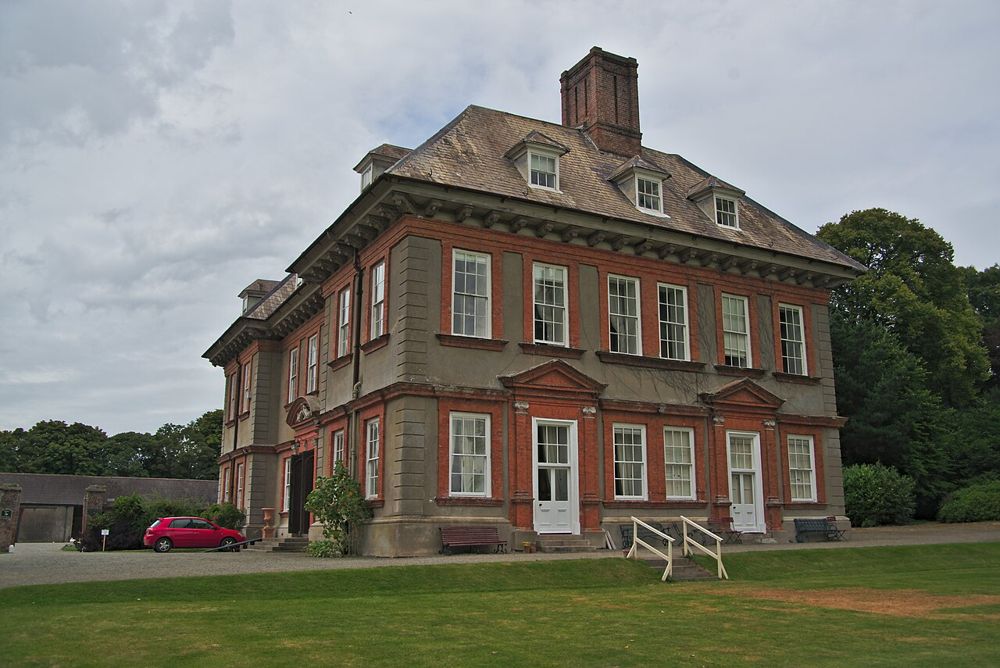
The red-brick frontage of Beaulieu House in County Louth
The red-brick frontage of Beaulieu House in County Louth. Source photograph; current access and conditions may differ. Resized from the credited source. Karora · CC BY 4.0

heritage

1. Beaulieu House and Gardens

Beaulieu is a planned house-and-garden visit on the Boyne rather than an attraction to leave to chance. Its value is in the relationship between the historic home, its collections and its setting. The right booked tour gives those elements context; a drive to a closed entrance gives you very little.

Worth your time? Choose it for domestic architecture and gardens, and confirm access before the detour. It is a specialist addition to a Drogheda day rather than a substitute for the major Boyne Valley monuments.

Show location map

Reference point; check the guide for the correct visitor entrance. Map © OpenStreetMap contributors.

View location map ↗ · Reference pin; confirm the visitor entrance.

Read the guide →
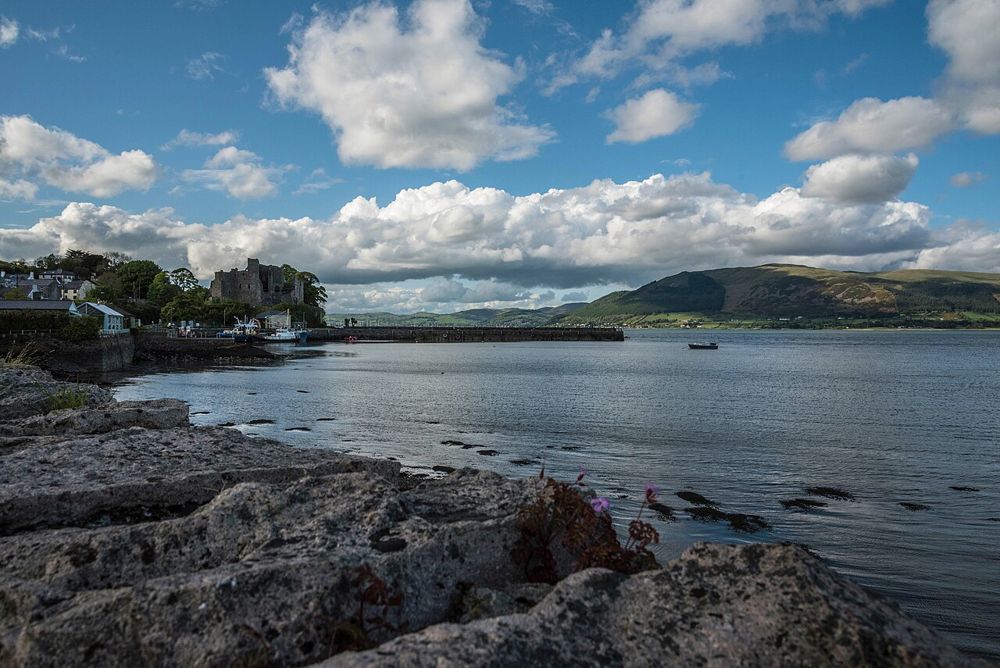
Carlingford Castle and its waterfront setting, seen across the shore
Carlingford Castle and its waterfront setting, seen across the shore. Source photograph; current access and conditions may differ. Resized from the credited source. Olliebailie · CC BY-SA 4.0

heritage

2. Carlingford Castle

Carlingford Castle is most persuasive when seen together with the lough. Its position above the waterfront makes the defensive purpose immediately obvious, while the town’s streets are close enough to keep the visit rooted in a living place. Go inside with a guide if you want the stones to become a fuller story.

Worth your time? Worth including in a Carlingford day, especially with a booked tour. It is less useful as a long-distance detour solely to see an exterior ruin.

Show location map

Reference point; check the guide for the correct visitor entrance. Map © OpenStreetMap contributors.

View location map ↗ · Reference pin; confirm the visitor entrance.

Read the guide →
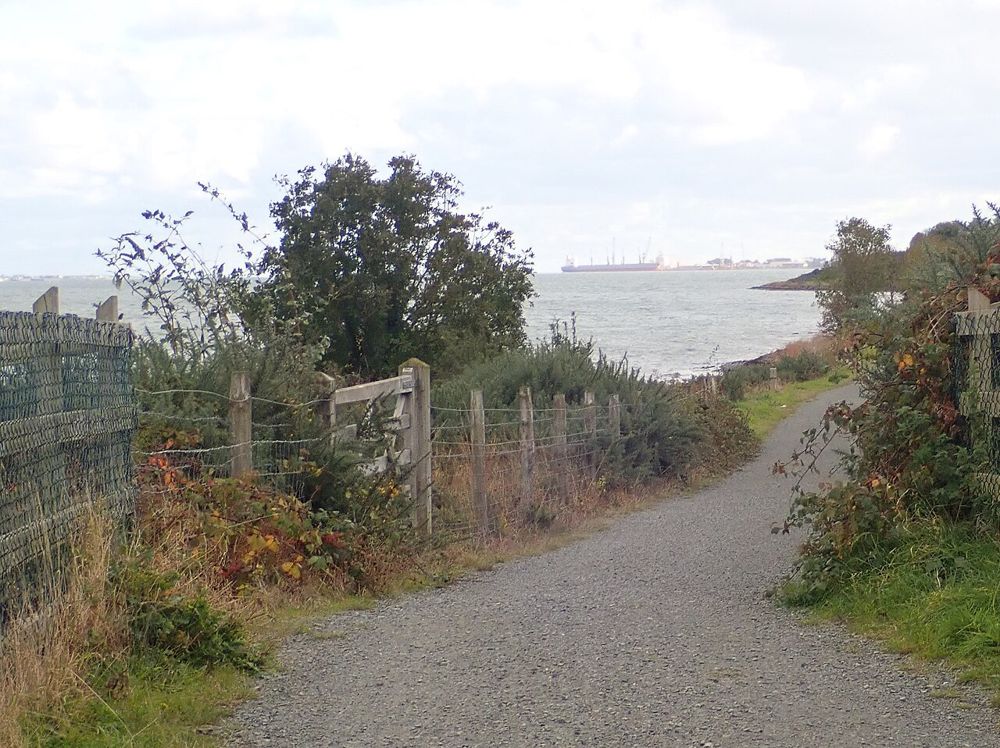
A waterside path on the Carlingford Lough Greenway
A waterside path on the Carlingford Lough Greenway. Source photograph; current access and conditions may differ. Resized from the credited source. Eric Jones · CC BY-SA 2.0

nature

3. Carlingford Lough Greenway

The Carlingford Lough Greenway lets you spend time with the water at walking or cycling pace. The attraction is the changing relationship between shoreline and mountains, not reaching a finish line. Choose a section that suits your return arrangements and check current works before assuming the whole cross-border connection is available.

Worth your time? A good alternative to a hill climb when you want lough scenery. Its linear layout rewards a deliberate turnaround point; distance covered should follow your group, not the full route advertised.

Show location map

Reference point; check the guide for the correct visitor entrance. Map © OpenStreetMap contributors.

View location map ↗ · Reference pin; confirm the visitor entrance.

Read the guide →
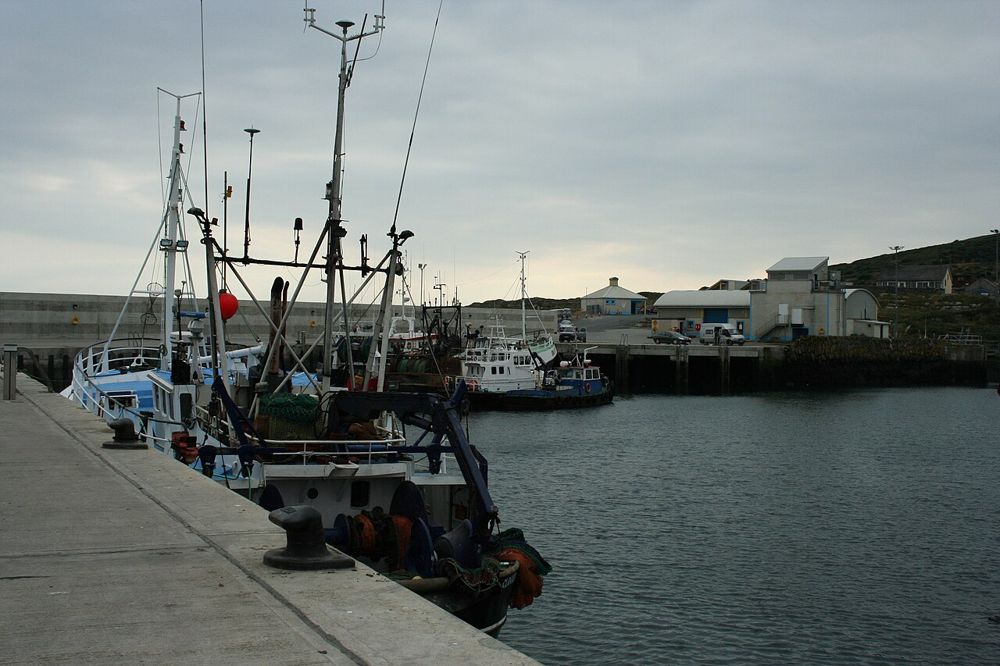
Port Oriel harbour beside Clogherhead
Port Oriel harbour beside Clogherhead, providing context for the coastal outing. This is not a photograph of the current headland path surface. Resized from the credited source. Peter Clarke at English Wikipedia · CC BY 3.0

coast

4. Clogherhead Headland

Clogherhead adds a rocky interruption to Louth’s softer coastline. From the headland, the fishing harbour and open sea give the village a different feel from a simple beach stop. The walk is the attraction here, but it should be chosen for the day’s ground and weather, not because a map makes the distance look short.

Worth your time? Best for a coastal walk when conditions suit. If paths are muddy or winds strong, keep to a shorter village or harbour visit instead of forcing a headland circuit.

Show location map

Reference point; check the guide for the correct visitor entrance. Map © OpenStreetMap contributors.

View location map ↗ · Reference pin; confirm the visitor entrance.

Read the guide →
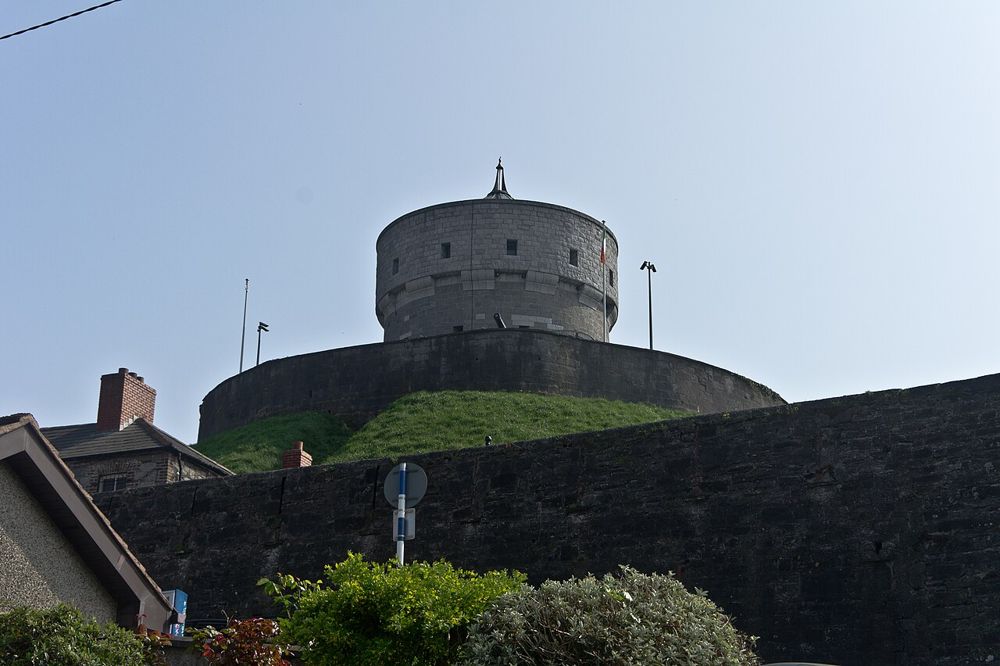
Millmount’s round fort above the grassy mound in Drogheda
Millmount’s round fort above the grassy mound in Drogheda. Source photograph; current access and conditions may differ. Resized from the credited source. William Murphy from Dublin, Ireland · CC BY-SA 2.0

attraction

5. Drogheda Museum Millmount

Millmount gives Drogheda both a lookout and a local history collection. The mound rises above the streets, so the town becomes easier to understand geographically before the exhibits add its human detail. Treat museum and tower access as separate things to confirm, not an automatic package inferred from a photograph.

Worth your time? A useful main stop for a Drogheda visit. The hilltop setting is rewarding, but allow for the climb rather than adding it as a supposedly effortless final stop.

Show location map

Reference point; check the guide for the correct visitor entrance. Map © OpenStreetMap contributors.

View location map ↗ · Reference pin; confirm the visitor entrance.

Read the guide →
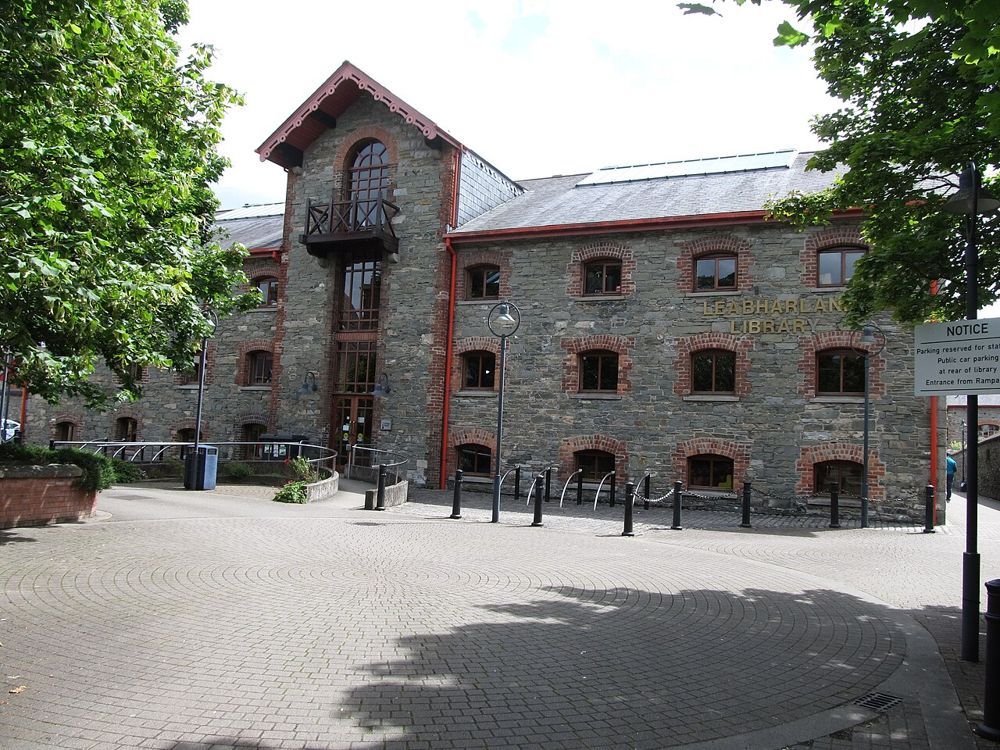
The stone frontage of the County Museum building in Dundalk
The stone frontage of the County Museum building in Dundalk. Source photograph; current access and conditions may differ. Resized from the credited source. Eric Jones · CC BY-SA 2.0

attraction

6. Louth County Museum

Dundalk’s county museum gives Louth a useful indoor chapter. In a restored warehouse, archaeological objects sit alongside the county’s industrial and social history. It is the place to connect the crosses, castles and landscapes seen elsewhere with the people who lived and worked around them.

Worth your time? Choose it when you want context rather than another isolated monument. It also gives a Louth itinerary a sensible indoor anchor when coast or hill plans are weather-dependent.

Show location map

Reference point; check the guide for the correct visitor entrance. Map © OpenStreetMap contributors.

View location map ↗ · Reference pin; confirm the visitor entrance.

Read the guide →
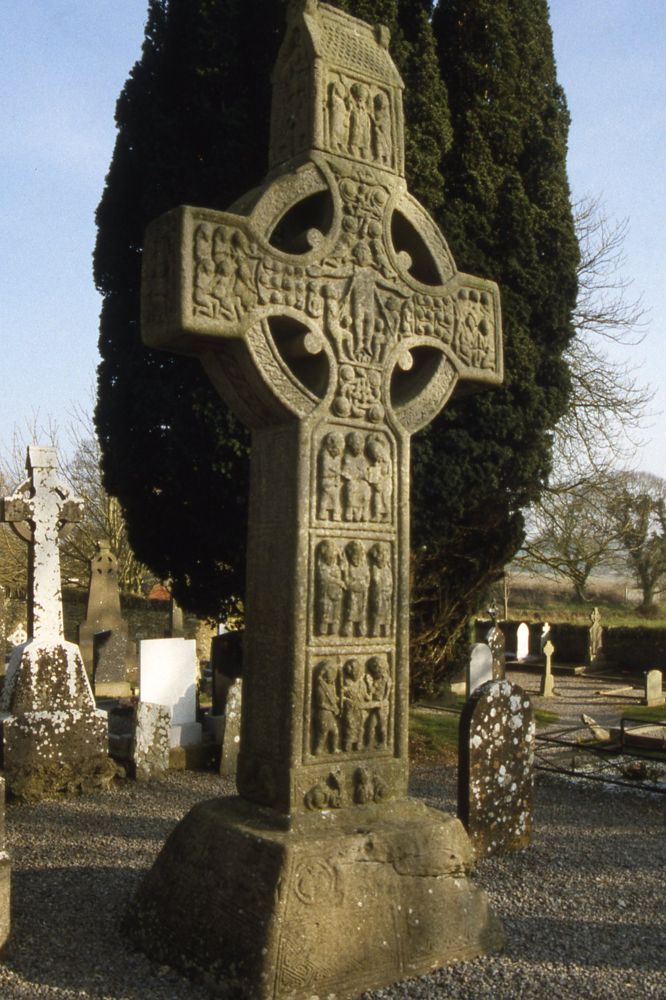
A carved high cross among the monastic remains at Monasterboice
A carved high cross among the monastic remains at Monasterboice. Source photograph dated 2003. Source photograph; current access and conditions may differ. Resized from the credited source. Colin Park · CC BY-SA 2.0

heritage

7. Monasterboice

Monasterboice is worth slowing down for the carved crosses. From a distance they are impressive silhouettes; close up, the crowded panels turn them into a visual storytelling surface. The round tower gives the site its skyline, but the detail on Muiredach’s Cross is the stronger reason to linger.

Worth your time? A strong choice for early Christian art, even on a shorter Louth day. Read about the carvings beforehand if you want more than an atmospheric graveyard stop.

Show location map

Reference point; check the guide for the correct visitor entrance. Map © OpenStreetMap contributors.

View location map ↗ · Reference pin; confirm the visitor entrance.

Read the guide →
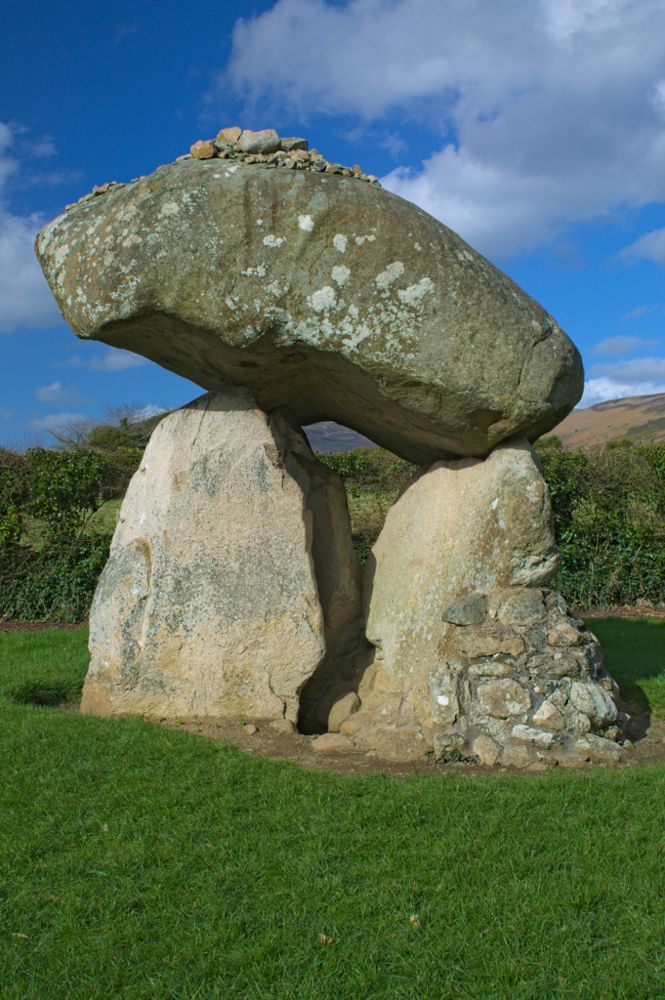
The capstone and upright stones of Proleek Dolmen
The capstone and upright stones of Proleek Dolmen. Source photograph; current access and conditions may differ. Resized from the credited source. Gia.S.Cen · CC BY-SA 4.0

heritage

8. Proleek Dolmen

Proleek’s enormous capstone is the detail that stays with you. The portal tomb sits in maintained grounds near Ballymascanlon, a prehistoric structure encountered on a walk rather than through a major visitor complex. That unexpected setting is part of the appeal, provided you arrive understanding that the surrounding estate has other uses.

Worth your time? A worthwhile short archaeology detour near Dundalk. It suits a slow look at one remarkable structure better than anyone expecting a museum or extensive interpreted site.

Show location map

Reference point; check the guide for the correct visitor entrance. Map © OpenStreetMap contributors.

View location map ↗ · Reference pin; confirm the visitor entrance.

Read the guide →
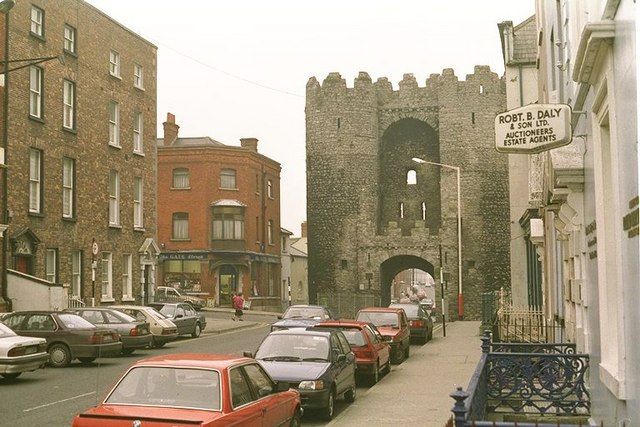
St Laurence’s Gate in Drogheda’s streetscape
St Laurence’s Gate in Drogheda’s streetscape. Source photograph dated 1983. Source photograph; current access and conditions may differ. Resized from the credited source. Raymond Okonski · CC BY-SA 2.0

heritage

9. St Laurence’s Gate

St Laurence’s Gate is a compact but memorable piece of medieval Drogheda. Two tall towers and the arch between them turn an ordinary street into a glimpse of the defended town. It works best as part of a walk, where you can connect it with the surrounding street pattern rather than arriving for a long standalone visit.

Worth your time? Include it on a Drogheda town walk. It is a strong short exterior stop, but there is no reason to build an entire day around an assumed tower climb.

Show location map

Reference point; check the guide for the correct visitor entrance. Map © OpenStreetMap contributors.

View location map ↗ · Reference pin; confirm the visitor entrance.

Read the guide →
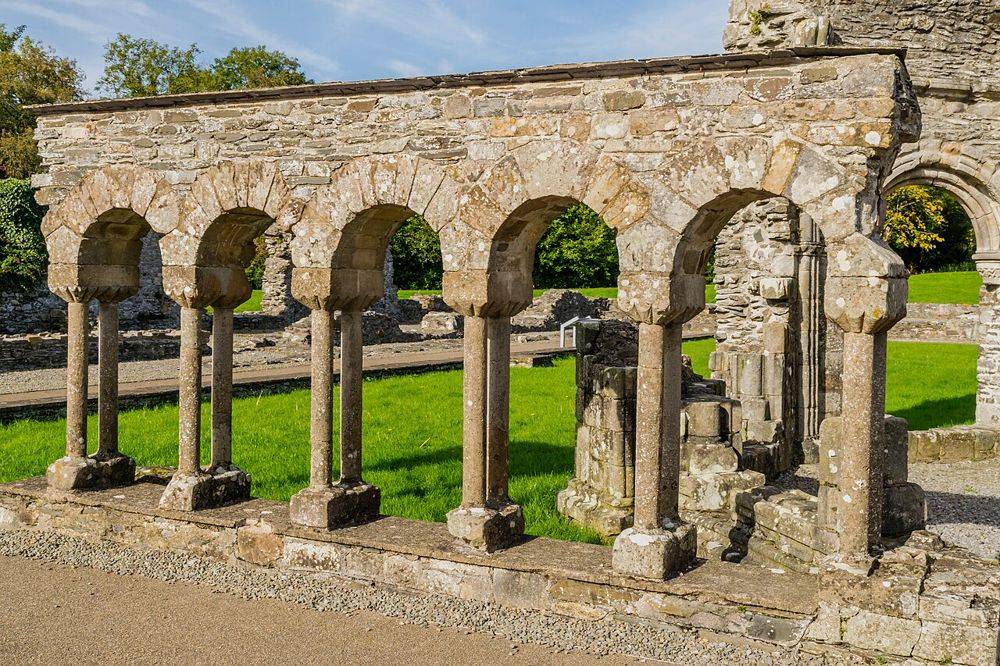
The circular stone arcade at Old Mellifont Abbey
The circular stone arcade at Old Mellifont Abbey. Source photograph; current access and conditions may differ. Resized from the credited source. Oliver Gargan · CC BY-SA 4.0

heritage

10. Old Mellifont Abbey

Mellifont rewards a visitor who is willing to reconstruct a building in their head. The open foundations reveal the monastery’s plan, while the surviving lavabo gives you a striking piece of architecture to focus on. It makes a satisfying companion to Monasterboice: two religious sites with very different surviving evidence.

Worth your time? A rewarding monastic-history stop during the visitor season. OPW currently marks the site closed, so confirm any permitted grounds-only access directly before travelling.

OPW currently marks the site closed after its 1 October 2026 season end. Confirm any permitted grounds-only access directly; no visitor-centre or tour entry is assumed. Checked 19 October 2026.

Show location map

Reference point; check the guide for the correct visitor entrance. Map © OpenStreetMap contributors.

View location map ↗ · Reference pin; confirm the visitor entrance.

Read the guide →

Researched guides with original summaries of linked public visitor accounts. These are limited perspectives, not personal visits or visitor-average scores. Opening and access notices take priority over older accounts. How we rate · Suggest a correction.

Explore all 32 counties →

More Ireland tools & field guides

Copper Coast 7-Stop Audio & Driving GuideChoose your stops, hear the English or Hindi audio, and print a coastal day.Dublin Places & Local CollectionsCompare visitor places, local collections and public transport planning notes.Glendalough Field GuidePlan the monastic valley, lakes and a walk that fits your day.Ireland Salary & Budget CalculatorUnderstand take-home pay and plan an Irish monthly budget.