The Singhdwar entrance
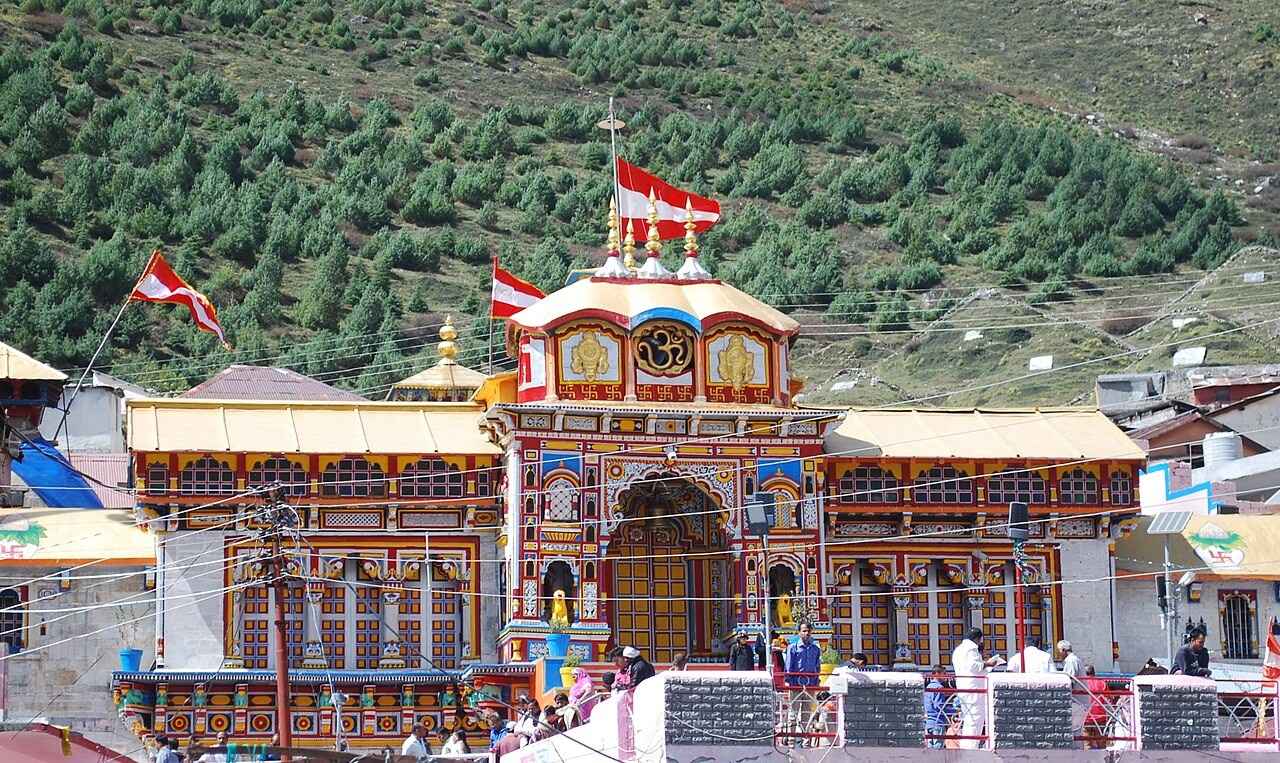
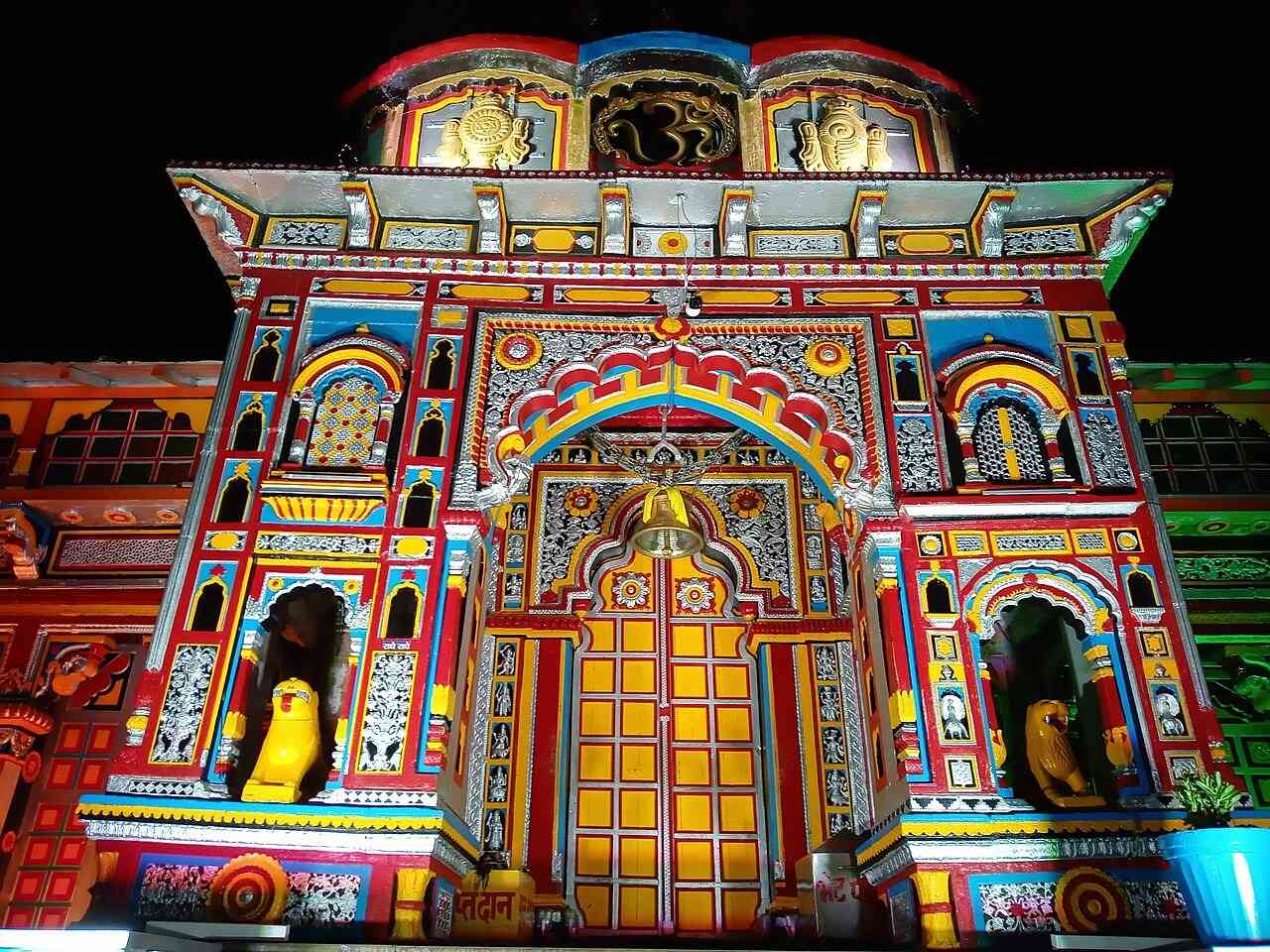
Pause where permitted to look at the brightly painted entrance before joining the visitor flow. The temple committee identifies this gateway as Singhdwar.

religious · Uttarakhand
Make the temple the centre of a Badrinath visit and leave time around it for the river setting and the approach through town. The colourful entrance is only one part of a living pilgrimage site whose rhythm follows worship, weather and the annual yatra season.
From research
Choose it for Vishnu worship, Himalayan pilgrimage traditions and the relationship between a temple and its mountain setting. Build the journey around confirmed access and registration, with enough flexibility for queues and mountain-road conditions.
Know before you book: Temple access is seasonal. Complete the official yatra registration and check the current opening calendar, road information and local instructions before setting out.
Place highlights
Pause where permitted to look at the brightly painted entrance before joining the visitor flow. The temple committee identifies this gateway as Singhdwar.
The complex has a sanctum and assembly areas used in the pilgrimage. Follow the directed route and worshippers’ movement; the visit is shaped by temple practice rather than a museum-style circuit.
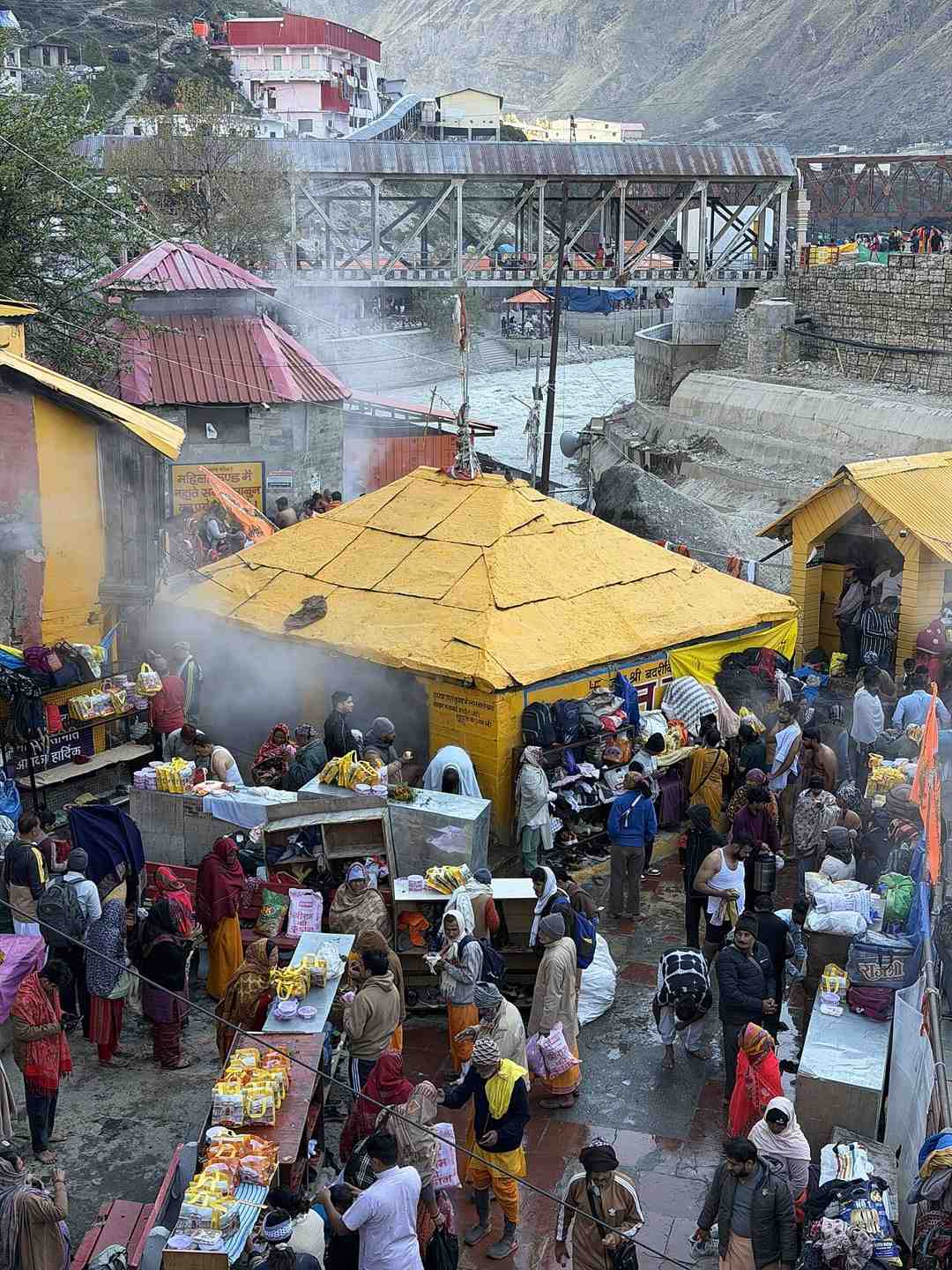
Notice the hot-spring area near the temple and the Alaknanda-side landscape. Treat these as parts of the pilgrimage setting and follow the local access arrangements.
The story behind the visit
Badrinath Temple is dedicated to Vishnu and belongs to the Char Dham pilgrimage tradition. Its position beside the Alaknanda places a major religious destination within a high Himalayan town. The annual journey brings together worship at the shrine and the substantial road approach through the Garhwal mountains. Source ↗
The temple committee describes a plan with three principal spaces: the sanctum, the Darshan Mandap and the Sabha Mandap. The main gateway is known as Singhdwar. These are useful details to recognise during a visit, while remembering that the building remains an active place of worship. Source ↗
Stories associated with Adi Shankaracharya and the recovery of the sacred image form part of the temple’s religious tradition. They should be read as devotional accounts rather than as securely dated construction records. The nearby springs and river also have a place in the wider pilgrimage landscape. Source ↗
Visitor information
Use Chamoli district’s current Badrinath Yatra bulletins and the temple committee’s travel information when planning the road approach. Mountain weather and road conditions can alter the journey; avoid relying on a fixed drive-time estimate. Official visitor information ↗
The map uses Uttarakhand Tourism’s town reference point. Follow the official registration and local arrival instructions for the temple approach; this pin does not identify a vehicle entrance. Official visitor information ↗
Confirm current access and visitor arrangements with the operator.
The official Uttarakhand portal requires Char Dham pilgrims to register and carry the registration letter for verification. Source ↗
No. The opening season follows annually announced dates, with an autumn closure and spring reopening. Confirm the applicable calendar before travelling. Source ↗
Yatra registration and the temple committee’s puja services are separate arrangements. Check the official service details before making a booking. Source ↗
Nearby options
Explore other places in the area, then use live directions to plan your journey.
Explore more places from the country guide.
Location & access
30.74331, 79.49376 · Reference point; confirm the correct entrance and access. Map © OpenStreetMap contributors.
Orientation only: a verified public entrance is not established by this pin. Use the operator arrival information before travel.