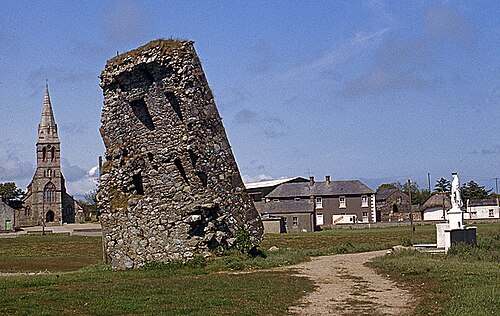
The ruined tower and graveyard
View the structures from the public route and look at how the elevated graveyard sits beside the lake. The tower’s appearance does not establish a safe visitor interior.

heritage · Wexford
Our Lady’s Island brings a pilgrimage landscape into contact with a coastal lagoon. Ruined buildings, a graveyard and the public pilgrim route give the place several layers of meaning. Begin with the landward approach and let the relationship between water and built remains shape a quiet visit.
From research
Choose this for religious heritage and a short lakeside outing. The name can be misleading: the visitor site is on a peninsula, reached from the village. You do not need to arrange a boat or attempt a tidal crossing to appreciate the setting.
Know before you book: This remains a place of worship and burial, with seasonal religious gatherings as well as ordinary visitors. Be considerate with conversation and photography. Paths near the lake can be affected by water and erosion; follow current notices and do not enter the ruined tower.
Place highlights
View the structures from the public route and look at how the elevated graveyard sits beside the lake. The tower’s appearance does not establish a safe visitor interior.
Pause where the permitted path gives a view across the water. Keep to the route rather than entering reeds, shoreline habitat or a flooded section to continue a circuit.
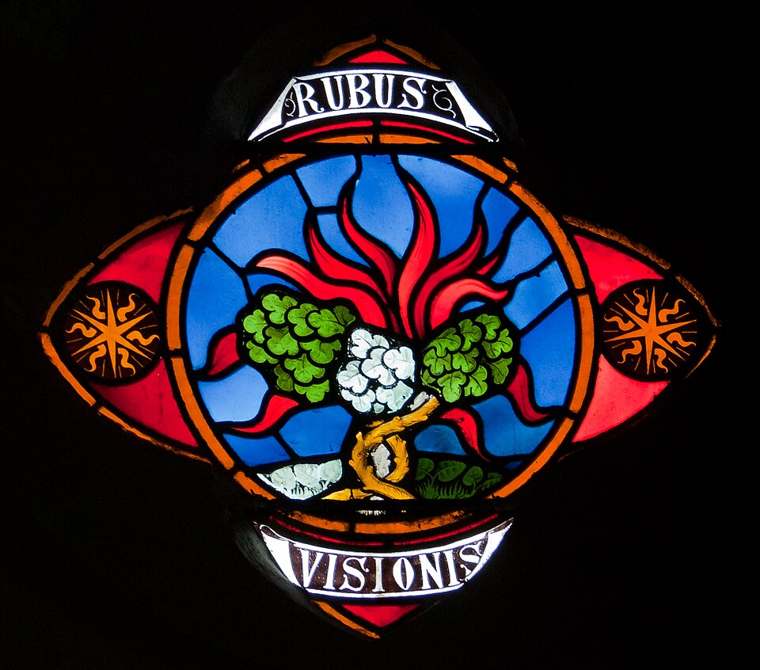
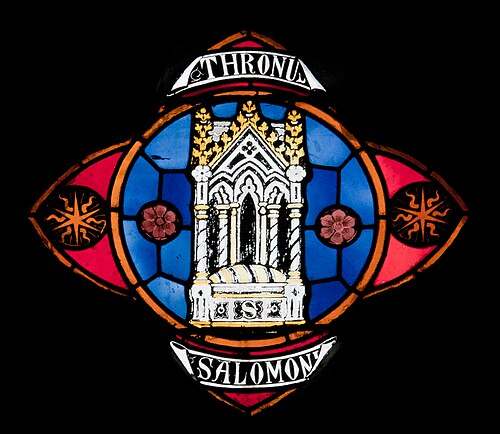
Notice the waypoints and religious imagery encountered on the public route. The nearby parish church belongs to an active worshipping community; interior access depends on its own arrangements.
The story behind the visit
Discover Ireland describes a long religious history, including a monastery traditionally associated with St Abban and later Augustinian settlement. The surviving ruins and pilgrimage use connect different periods rather than preserving one complete monastery in its original state. Source ↗
Despite its name, the site is a peninsula. Wexford’s film office identifies the ruined tower as a gateway to the graveyard and says its interior is no longer accessible. This distinction allows a meaningful outdoor heritage visit without assuming that every historic building can be entered. Source ↗
The parish continues to organise a pilgrimage season with services and processions. These are dated religious events, not a continuous sightseeing programme. Outside those dates, appreciate the setting respectfully and check separately if attending worship or a particular organised gathering is your purpose. Source ↗
Visitor information
Use Our Lady’s Island village near Rosslare and the signed public heritage approach. The official tourism coordinate is a locality reference, not a verified gate or a route across water. The nearby parish church and peninsula should be visited according to their respective notices. Official visitor information ↗
Confirm current access and visitor arrangements with the operator.
No. The heritage site is on a peninsula with a land approach from the village. Do not attempt a water or tidal crossing. Source ↗
The council film-office description says the tower is no longer accessible inside. View it from the public route. Source ↗
Not necessarily. The annual programme has specific dates. Check the parish information rather than assuming year-round daily events. Source ↗
Nearby options
Explore other places in the area, then use live directions to plan your journey.
nature
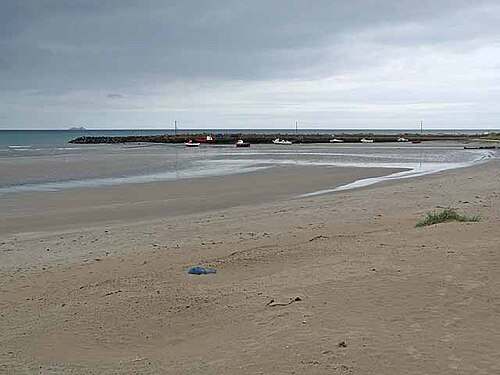
Carne combines an east-facing sandy beach with the working scale of a small harbour. A visit can be as simple as pausing at the shore, looking along the strand and watching the relationship between beach and…
Open place page →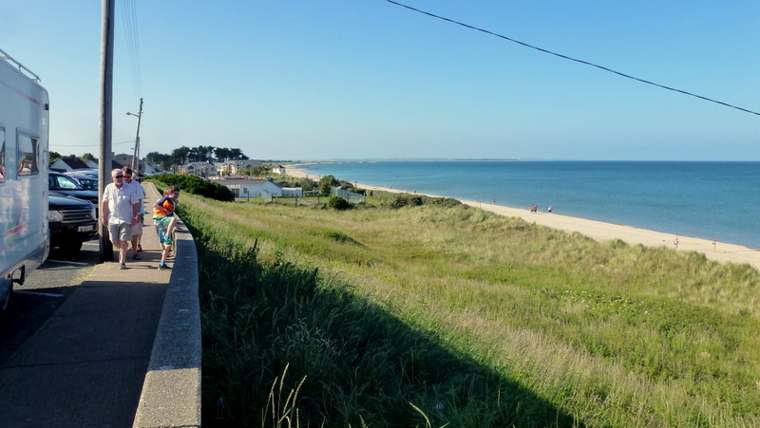
nature
Rosslare Strand is a long coastal landscape that changes with the tide and weather. Choose a short section of beach and give it time: the timber groynes, shifting sand and wide seaward view offer more to…
Open place page →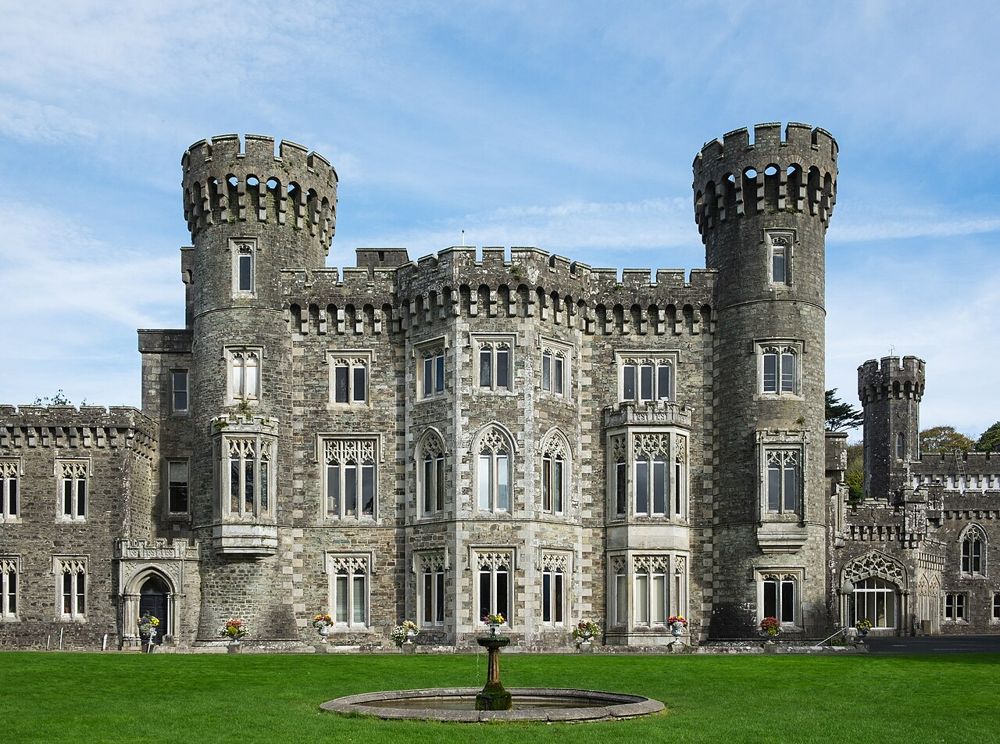
heritage
Johnstown is easiest to enjoy as an estate day with several choices, rather than simply a castle ticket. The Gothic house provides the image, but lakeside paths and the agricultural museum give the visit a…
Open place page →
heritage
Kilmore Quay is a village to explore at walking pace, with a working harbour at its centre and a memorial landscape looking out to sea. Give the public waterfront and village streets time together. The…
Open place page →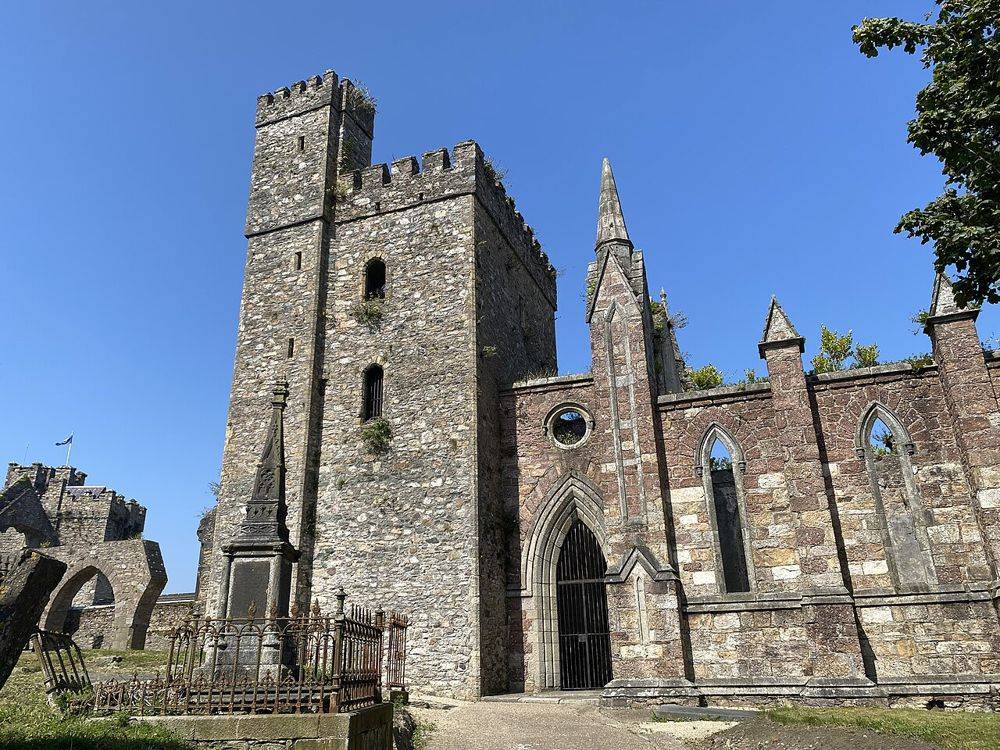
heritage
Selskar is a rewarding interruption to a Wexford town walk because the ruins sit inside the modern street pattern. It is not a large countryside abbey: the interest is in finding the medieval town beneath…
Open place page →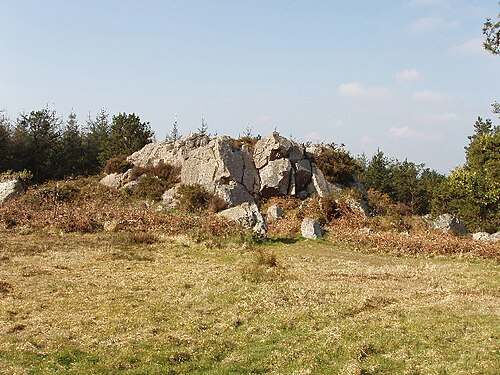
nature
Forth Mountain’s rocky outcrops give a modest Wexford hill a distinctive character. The marked walking trail links woodland with more open ground, where the shape and texture of the rocks become part of the…
Open place page →Location & access
This remains a place of worship and burial, with seasonal religious gatherings as well as ordinary visitors. Be considerate with conversation and photography. Paths near the lake can be affected by water and erosion; follow current notices and do not enter the ruined tower.
52.21074, -6.38127 · Reference point; confirm the correct entrance and access. Map © OpenStreetMap contributors.
Orientation only: a verified public entrance is not established by this pin. Use the operator arrival information before travel.