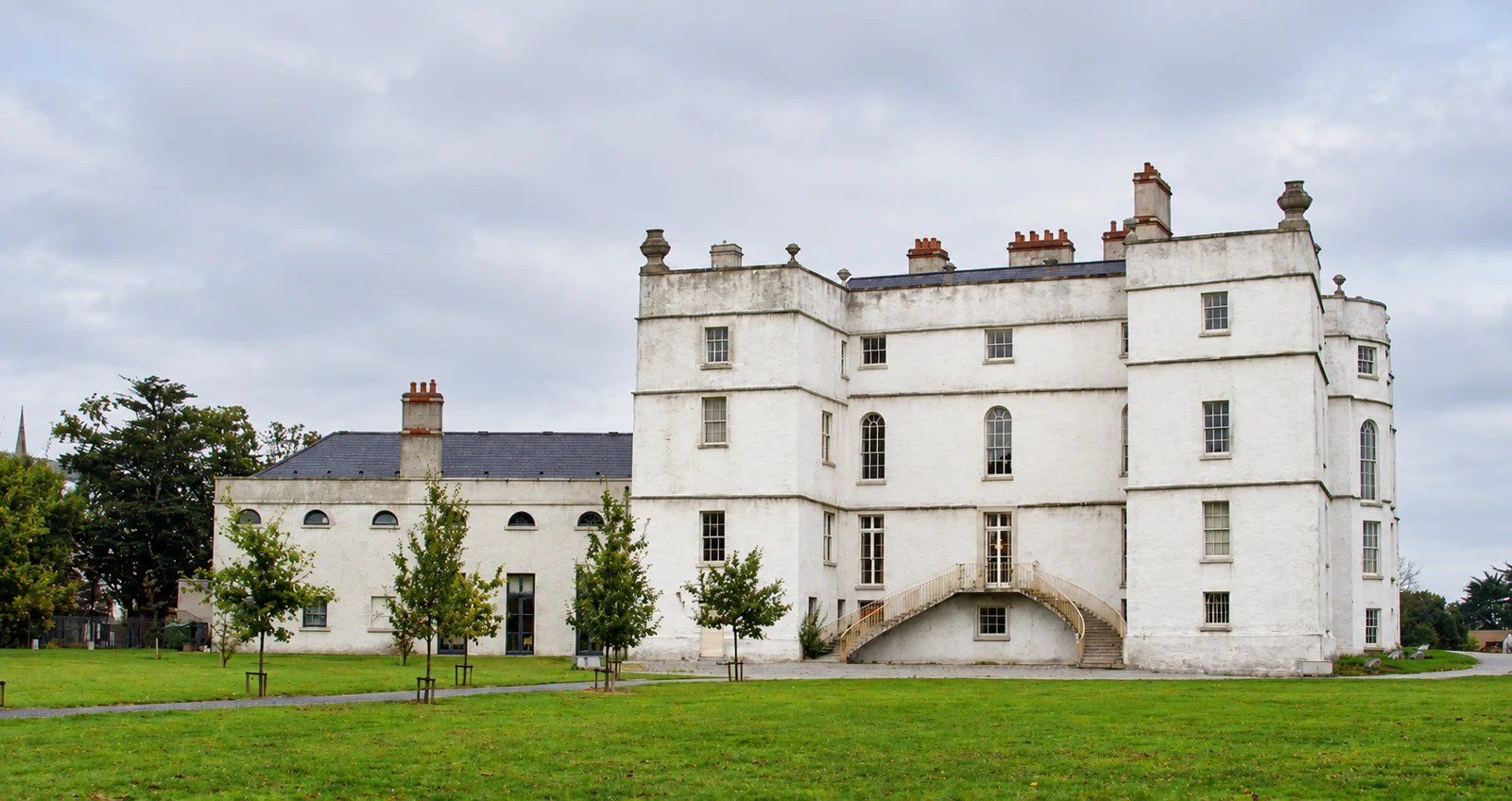
Four flanker towers
Start outside to read the building’s fortified-house origins.
heritage · Dublin
An Elizabethan fortified house with later decorative interiors in Rathfarnham.
Source-based editorial assessment · out of 10
Fortified-house origins and later decorative interiors make a clear architectural comparison. It is a focused house-and-history visit, with changing art displays adding another possible interest.
The suburban location and seasonal timetable need checking before travel. Published lift and visitor facilities assist planning, while groups must arrange tours and specific access needs directly.
Best for: A fortified house transformed into a residence
Planning blend: 7.0 / 10 · Sustainability: unrated
Experience considers the reward and depth of this particular stop. Visitor friendliness considers practical ease: arrival, booking, physical demands, cost and flexibility. These are editorial judgements based on linked information, not visitor averages or a claim of a personal visit.
Assessed . Supporting guide source-check date: 15 October 2026. The assessment date does not mean every linked source was newly checked.
The blend uses (40 × Experience + 55 × Visitor friendliness) ÷ 95, rounded to the nearest half point. Missing sustainability does not affect it. A missing current visit score is not zero and has no blend.
A high score is not a safety clearance or a guarantee of step-free access. Food-stop scores concern the planned visit, not an untested meal. Read the scale and scope · Suggest a correction.
From research
Choose it to see how a defensive-looking house became an elegant residence. It suits visitors interested in architecture and interiors more than dramatic ruined battlements.
Before you go: Opening is seasonal. Check the OPW page for the day, last admission and any changes to tours or exhibitions.
Place highlights
Start outside to read the building’s fortified-house origins.
Compare later decorative rooms with the defensive impression of the exterior.
Check which portraits, rooms and current exhibitions form part of your visit.
The story behind the visit
Rathfarnham Castle was built for Adam Loftus, a churchman and politician who became Archbishop of Dublin and Lord Chancellor of Ireland. Its four flanker towers make the Elizabethan fortified-house form readable from outside. That first impression is useful because the building did not remain fixed in that early identity. Later owners changed how it looked and how its rooms were used. Source ↗
An extensive eighteenth-century remodelling brought the work of architects including William Chambers and James “Athenian” Stuart into the house’s history. The visit therefore offers a contrast between protection and display: an exterior associated with defence leads to interiors shaped by status, comfort and fashion. Rather than looking for one pure period, notice those overlapping decisions. Compare a room’s decoration with what the building suggested before you entered. A guided explanation can help connect the layers, while current exhibitions give another reason to check the programme before visiting. This is a house best appreciated through details rather than a race around the rooms. Source ↗
Dated visitor information
Rathfarnham, Dublin D14 K3T6. Use the castle’s visitor entrance; check current operator directions rather than routing to the wider neighbourhood. Official visitor information ↗
Source information checked 15 October 2026; confirm current access and visitor arrangements with the operator.
No. It is an Elizabethan fortified house with substantial later remodelling. Source ↗
No. The official page gives different seasonal schedules. Source ↗
Arrange group tours in advance with the castle. Source ↗
Nearby options
Distances are straight-line estimates between catalogue pins, within 30 km. Roads, entrances and walking routes may be much longer. Known closed places are excluded; inclusion does not confirm opening today.
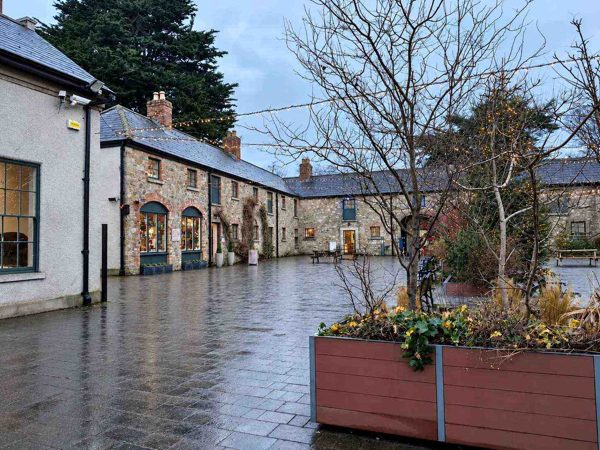
nature · 3.2 km
Woodland, lawns, a walled garden and a craft courtyard at the foot of the Dublin Mountains.
Open place page →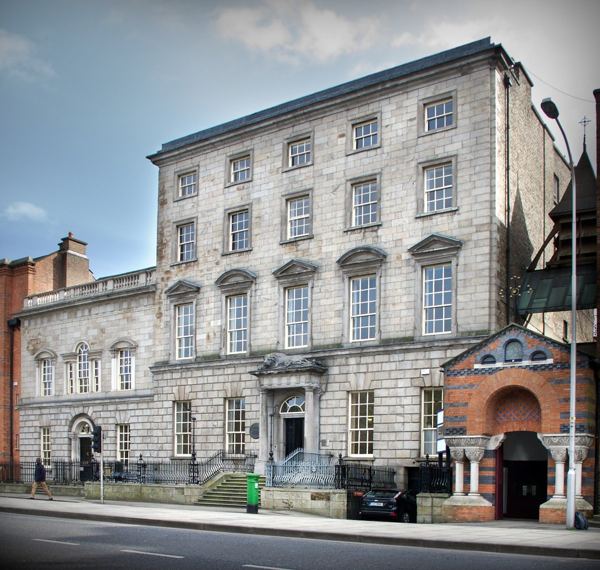
heritage · 4.5 km
A museum of Irish writing on St Stephen’s Green, combining manuscripts with voices, sound and installations.
Open place page →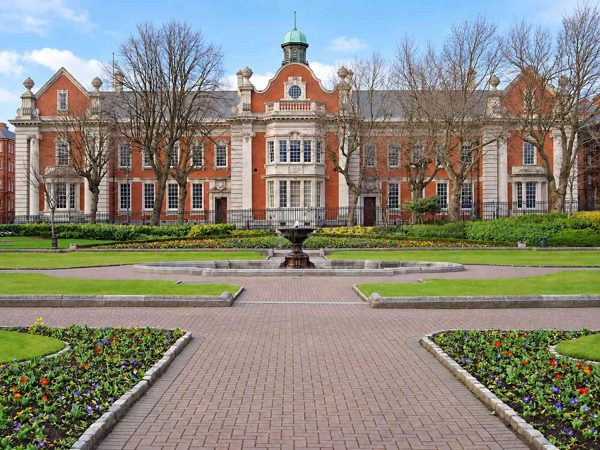
attraction · 4.6 km
A neighbourhood walk through Dublin’s weaving, trade and brewing history, with independent streets and separately ticketed attractions.
Open place page →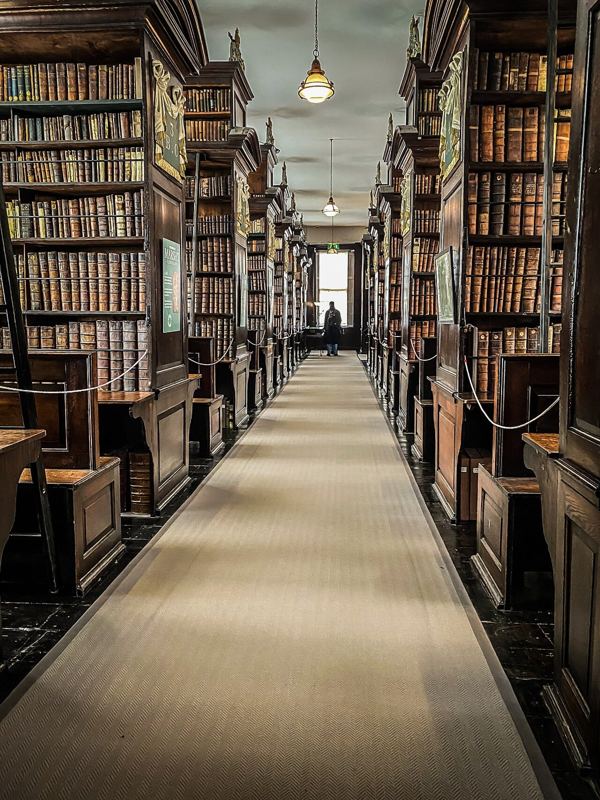
heritage · 4.6 km
Marsh’s Library offers a small-scale encounter with historic books, oak shelves and the reading spaces of an early public library. It stands beside St Patrick’s Cathedral but is a separate visit.
Open place page →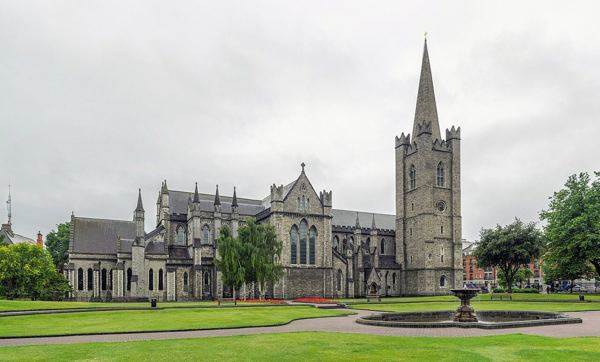
heritage · 4.6 km
St Patrick’s is Ireland’s national cathedral in the Church of Ireland tradition, with literary connections, monuments and a continuing pattern of worship. It is a separate visit from Christ Church Cathedral.
Open place page →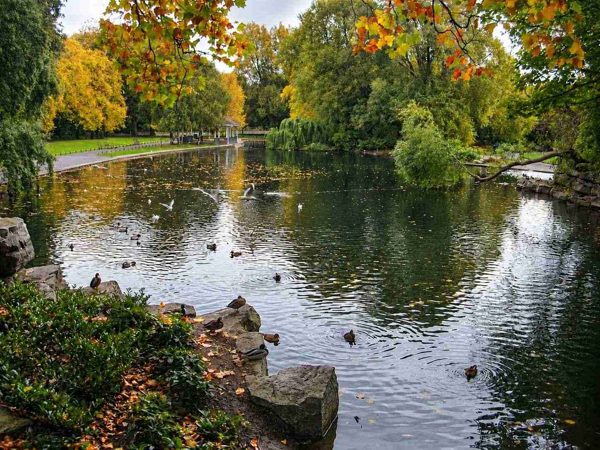
nature · 4.7 km
St Stephen’s Green is a free public park at the top of Grafton Street, with a Victorian layout, lake, planting and memorial sculpture. It can be a breathing space within a city day rather than another timed…
Open place page →One accessible visitor account describes asking reception for background before exploring independently, then returning with questions afterwards. It is a useful way to approach rooms whose changes may not be obvious on first glance. This is a single account, not a promise that staff can provide a private tour on arrival.
Original paraphrases of public visitor accounts. These are limited perspectives, not a representative survey or a claim of our own visit. Use current operator information for access and opening.
Location & access
Opening is seasonal. Check the OPW page for the day, last admission and any changes to tours or exhibitions.
53.29880, -6.28290 · Reference point; confirm the correct entrance and access. Map © OpenStreetMap contributors.
Source-based place brief. A catalogue reference is not a live availability check or a report of a personal visit.
Visitor details checked 15 October 2026. Page content updated 2026-10-21.