The Martello tower
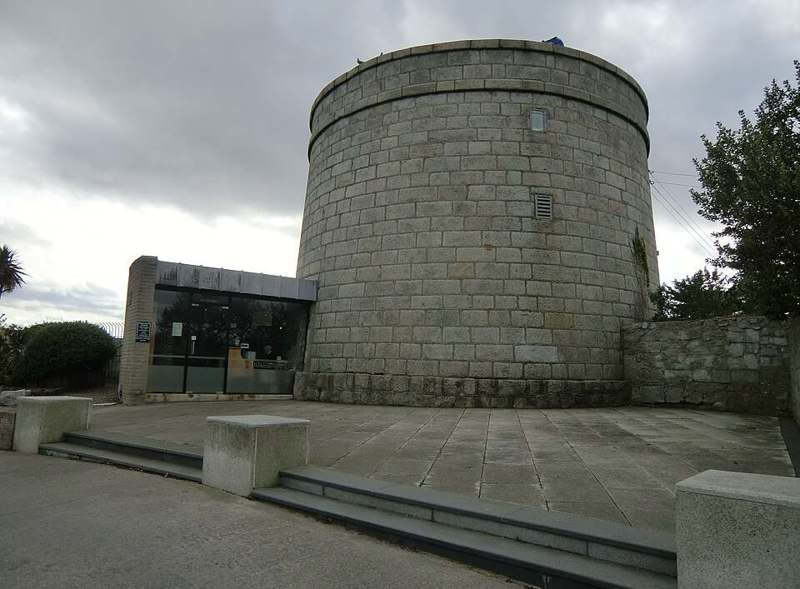
Look at the compact circular shape and substantial masonry before entering. The building’s original defensive role helps explain the form of the rooms you will explore.

heritage · Dublin
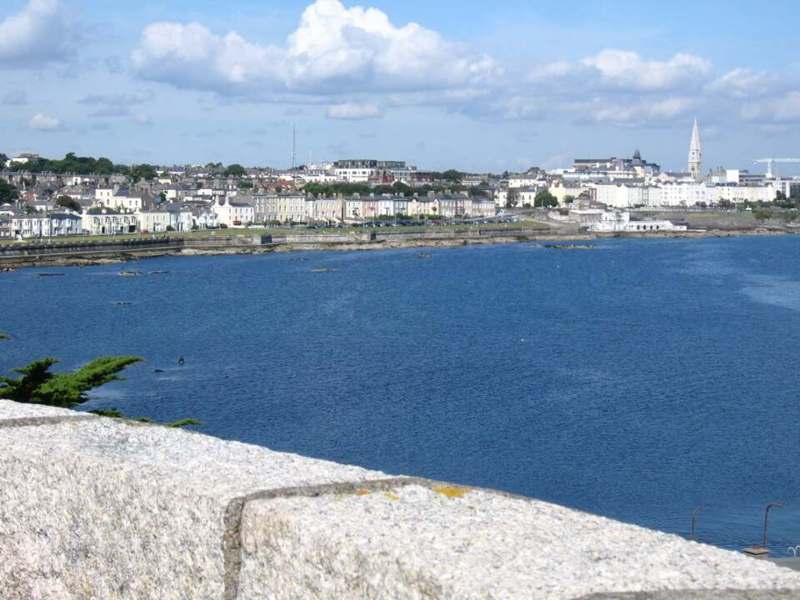
The Joyce Tower at Sandycove joins a small museum to one of literature’s best-known settings. Its thick walls began as coastal defence; Joyce later made the tower the opening scene of Ulysses. A visit works best when you give equal attention to the rooms and the sea around them.
From research
Choose this for a literary stop on Dublin’s south coast, with a strong sense of place. Begin with the museum’s Joyce material, then connect the living area and outward views with the story. You can enjoy that connection without treating the visit as a test of your reading.
Know before you book: The tower is not wheelchair accessible. Take care on the stairs and follow the volunteers’ instructions about movement and the roof. Do not climb the ramparts. Outdoor views depend on conditions and on which parts of the route are open during your visit.
Place highlights
Look at the compact circular shape and substantial masonry before entering. The building’s original defensive role helps explain the form of the rooms you will explore.
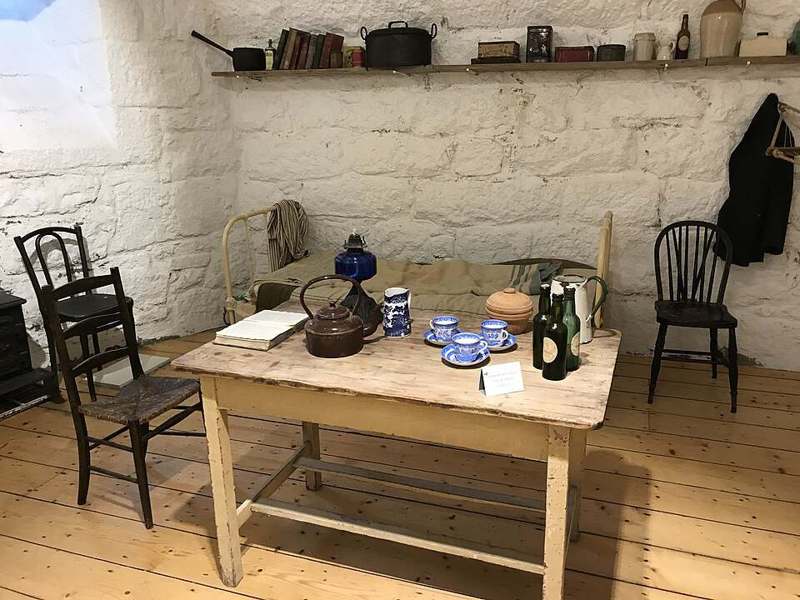
The room brings the opening setting of Ulysses into a physical scale. Historical photographs show earlier arrangements; follow the museum’s current interpretation rather than expecting every object to remain in the same position.
Look for books, personal possessions and other material connected with the writer. Choose a few objects to read closely, allowing their context to matter more than simply spotting famous names.
The story behind the visit
The tower was ordered in 1804 as part of a coastal defence network responding to the threat of Napoleonic invasion. The attack it was built for never arrived. Later letting to private tenants changed the use of a building designed for a very different purpose. Source ↗
Oliver St John Gogarty rented the tower in 1904, and Joyce’s brief stay became part of its enduring literary identity. The opening of Ulysses draws on this place. Separating the real visit from the novel’s characters makes the connection more interesting than a simple claim that the room illustrates a true event. Source ↗
Architect Michael Scott bought the tower in 1954 with a museum in mind. Sylvia Beach, who published Ulysses, opened the museum on 16 June 1962. Its later extension allowed more space for the collection while the original tower remained the central reason for visiting. Source ↗
Visitor information
Use Sandycove Point, Dún Laoghaire, A96 FX33. The operator recommends Sandycove & Glasthule DART station for the rail approach. Its linked Google Maps place identifies the tower; the marker is an orientation reference, not certification of an accessible entrance. Official visitor information ↗
Confirm current access and visitor arrangements with the operator.
Yes. The operator lists free admission and welcomes walk-ins, while groups should reserve in advance. Source ↗
No. The Tower and Museum is at Sandycove Point. The James Joyce Centre occupies a Georgian house in central Dublin. Source ↗
Follow the volunteers’ instructions and the conditions on the day. The stairs and roof have constraints; this guide does not promise every part is available to every visitor. Source ↗
Nearby options
Explore other places in the area, then use live directions to plan your journey.
heritage
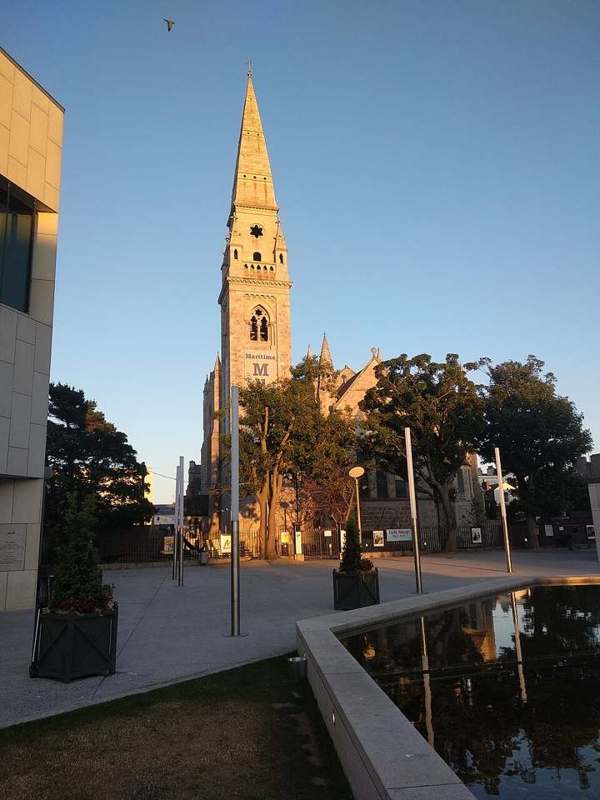
The National Maritime Museum of Ireland gives Dún Laoghaire’s seafront a deeper context. Inside the former Mariners’ Church, ships, navigation equipment and personal stories connect the harbour with journeys…
Open place page →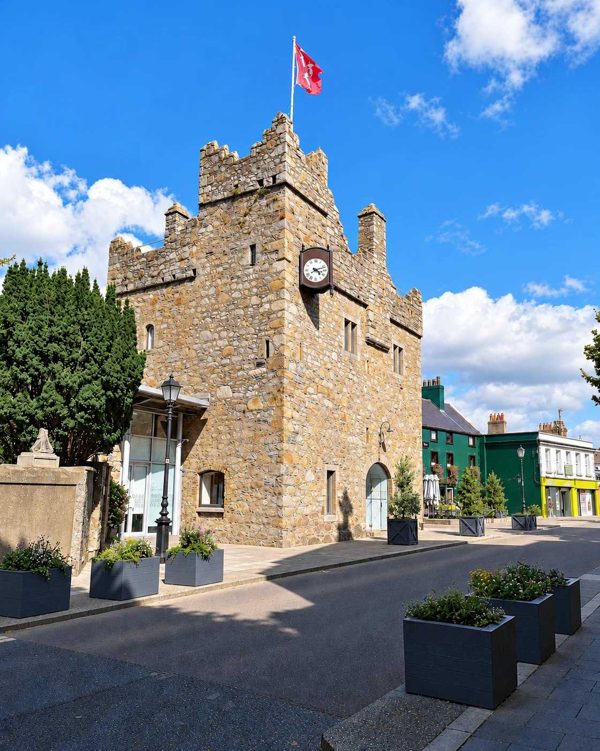
heritage
A small medieval townhouse castle where a guided tour uses actors, history and literary interpretation.
Open place page →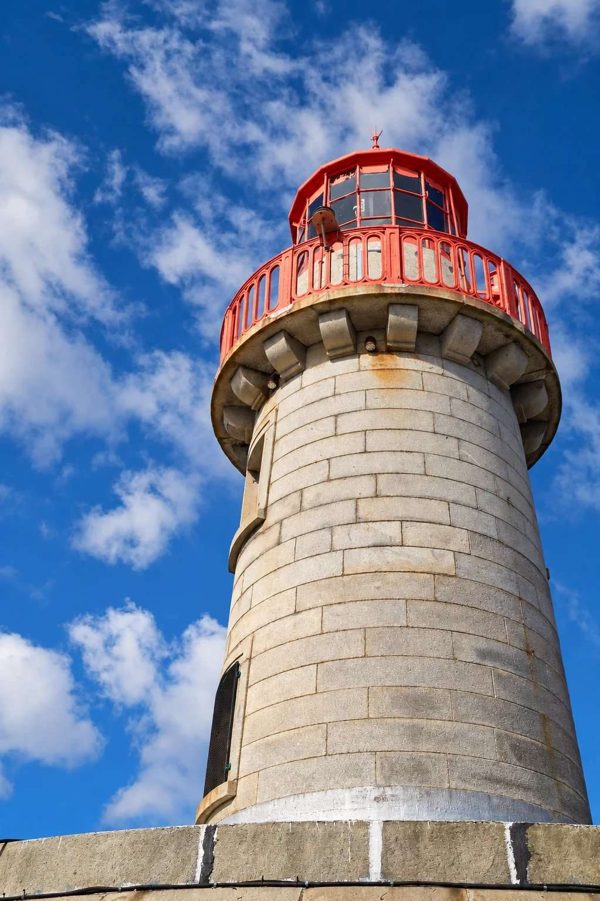
coast
An out-and-back harbour walk on Dún Laoghaire’s East Pier, with views across the boats and bay.
Open place page →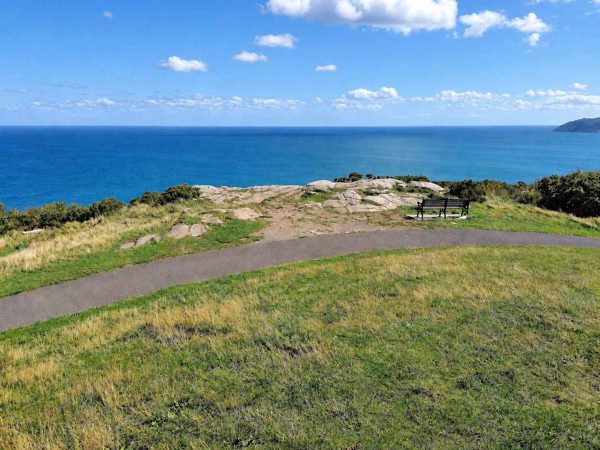
nature
A wooded climb to the obelisk and coastal views above Dalkey and Killiney.
Open place page →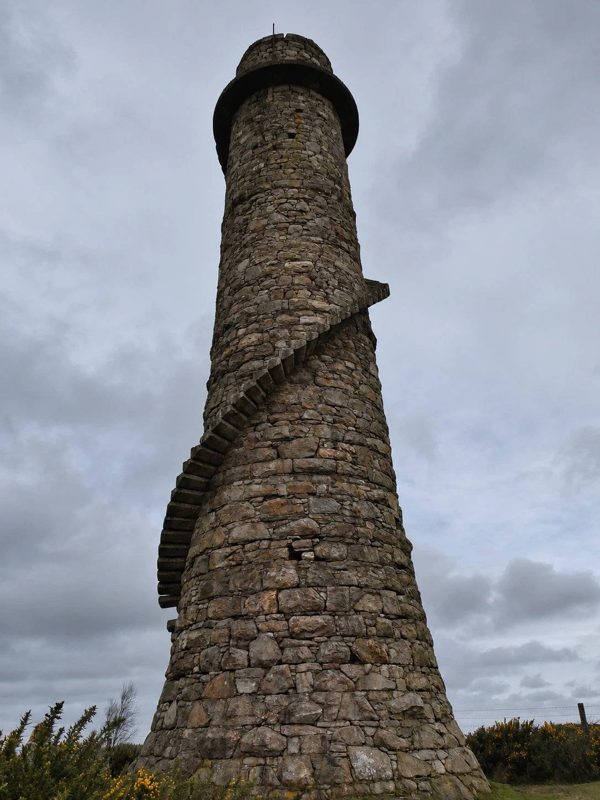
nature
A woodland walk linking an industrial chimney with a separate hilltop viewpoint.
Open place page →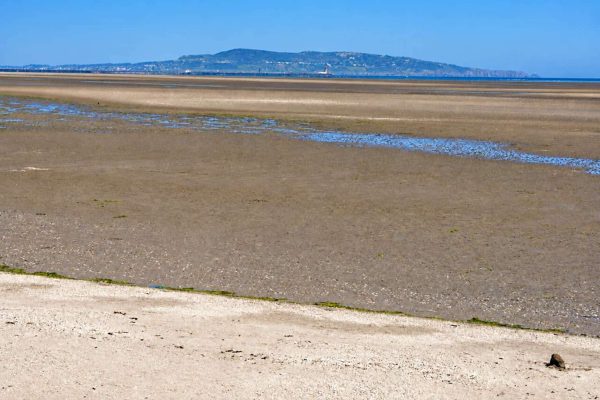
coast
A broad tidal strand and coastal promenade on the south side of Dublin Bay.
Open place page →Location & access
The tower is not wheelchair accessible. Take care on the stairs and follow the volunteers’ instructions about movement and the roof. Do not climb the ramparts. Outdoor views depend on conditions and on which parts of the route are open during your visit.
53.28866, -6.11364 · Reference point; confirm the correct entrance and access. Map © OpenStreetMap contributors.
Orientation only: a verified public entrance is not established by this pin. Use the operator arrival information before travel.