Skip to content
THELAZYNICK

Republic of Ireland · 10 researched places

Carlow: things to do & places to visit

Carlow works best as a county of small, contrasting visits rather than one headline attraction. The town museum gives context before the surviving castle wall; Brownshill takes you far further back, with the size of one stone doing most of the storytelling. Around Tullow, gardens and a lived-in house offer a quieter day. Southward, the Barrow, Borris and St Mullins reward a slower pace, while the Nine Stones is a weather-dependent change of scale. Do not dismiss the county because a stop is short. Several well-chosen visits, with time between them, make more sense here than expecting every place to fill half a day.

Numbered guide to the places below, with a map for each stop. Numbers help you browse; they are not a visitor ranking. Dated closures are shown on the cards and take priority over sightseeing suggestions.

10 places

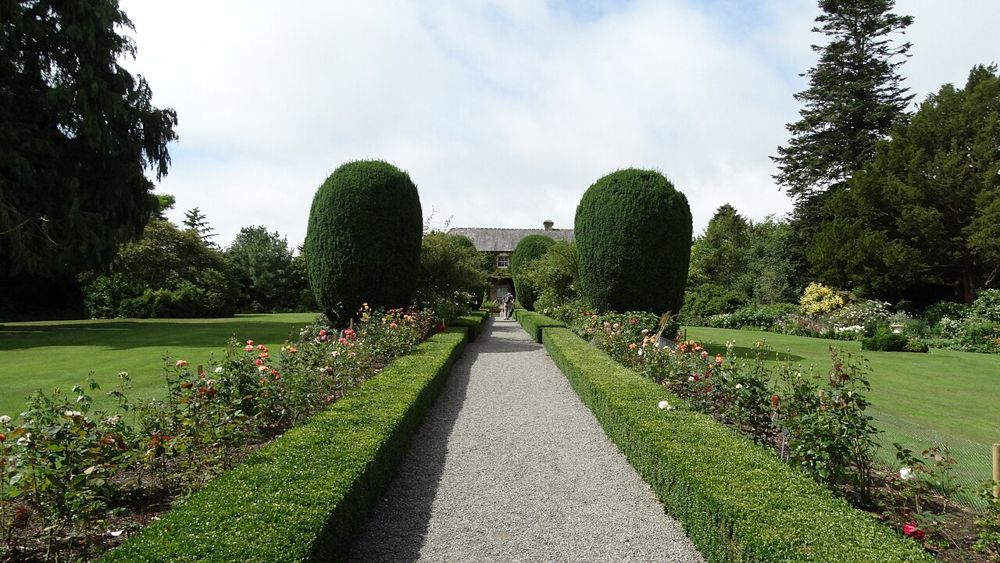
A gravel path leading towards the house through Altamont Gardens
A gravel path leading towards the house through Altamont Gardens. Resized from the credited source photograph; conditions and access may have changed. Colin Park · CC BY-SA 2.0

nature

1. Altamont Gardens

Altamont is a garden for wandering rather than ticking off a grand house. Formal planting gives way to a lake, mature trees and a more enclosed glen towards the Slaney. That shift is the pleasure: you can have a gentle garden visit without committing to every lower path.

Worth your time? Choose it as the anchor of a Tullow-area garden day. Huntington offers a different, house-and-family story nearby. If you are travelling with someone who needs an even surface, settle the route first; the longer riverside descent should not be assumed to match the easier upper garden.

Show location map

Reference point; check the guide for the correct visitor entrance. Map © OpenStreetMap contributors.

View location map ↗ · Reference pin; confirm the visitor entrance.

Read the guide →
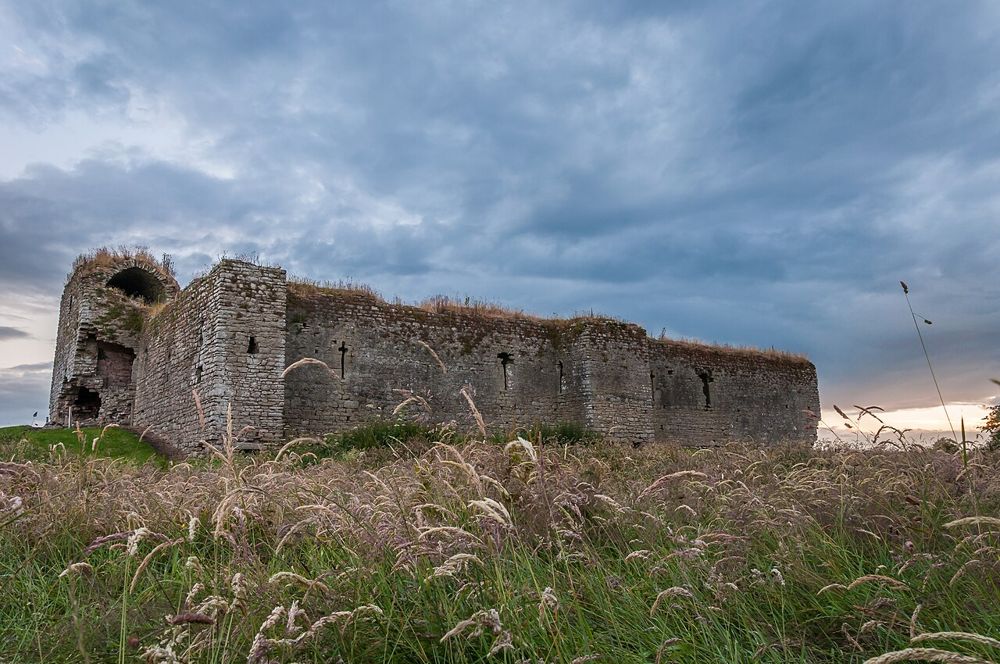
Ballymoon Castle’s low stone enclosure at sunset
Ballymoon Castle’s low stone enclosure at sunset. Resized from the credited source photograph; conditions and access may have changed. Poleary91 · CC BY-SA 4.0

heritage

2. Ballymoon Castle

Ballymoon is a different sort of castle visit: a low, broad enclosure in a field, with walls that let you read a plan rather than climb a tower. Its spare appearance is the attraction. Walk slowly around the permitted interior and look for the traces of rooms and working spaces against the perimeter.

Worth your time? Choose it for an unscripted-looking heritage stop near Bagenalstown, particularly if you enjoy ruins without elaborate presentation. Do not expect a staffed visitor centre or dramatic rooftop views. It is a useful contrast to the more theatrical shell at Duckett’s Grove.

Show location map

Reference point; check the guide for the correct visitor entrance. Map © OpenStreetMap contributors.

View location map ↗ · Reference pin; confirm the visitor entrance.

Read the guide →
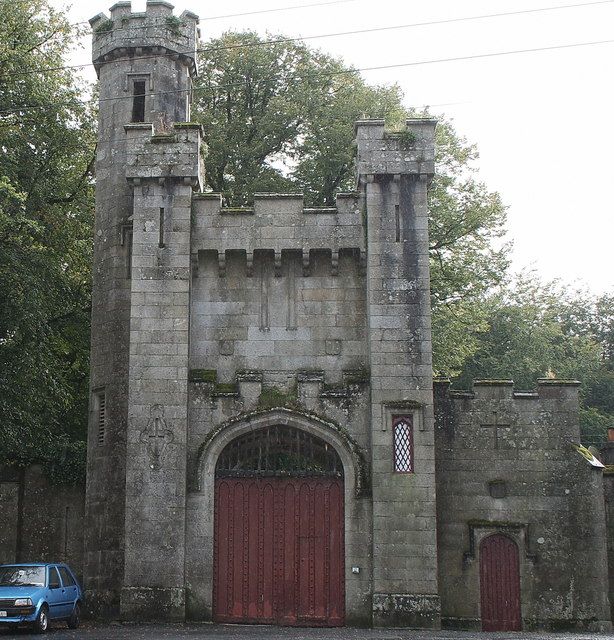
Stone entrance gateway at Borris House
The stone entrance gateway at Borris House. This shows the estate’s arrival setting, not the main house frontage or current visitor arrangements. Resized from the credited source. Sarah777 · CC BY-SA 2.0

heritage

3. Borris House

Borris House is a reason to stop in Borris rather than treating the village as a junction on the way to the mountains. The house’s family history gives the architecture a different context from an anonymous stately home. Arrange a tour and let the rooms explain the estate, rather than assuming the grounds are a public park.

Worth your time? Choose it if country-house history is a main interest, then leave time for the village or a separate viaduct walk. If no public tour fits your date, change the plan; a private event venue is not automatically open for casual visitors.

Show location map

Reference point; check the guide for the correct visitor entrance. Map © OpenStreetMap contributors.

View location map ↗ · Reference pin; confirm the visitor entrance.

Read the guide →
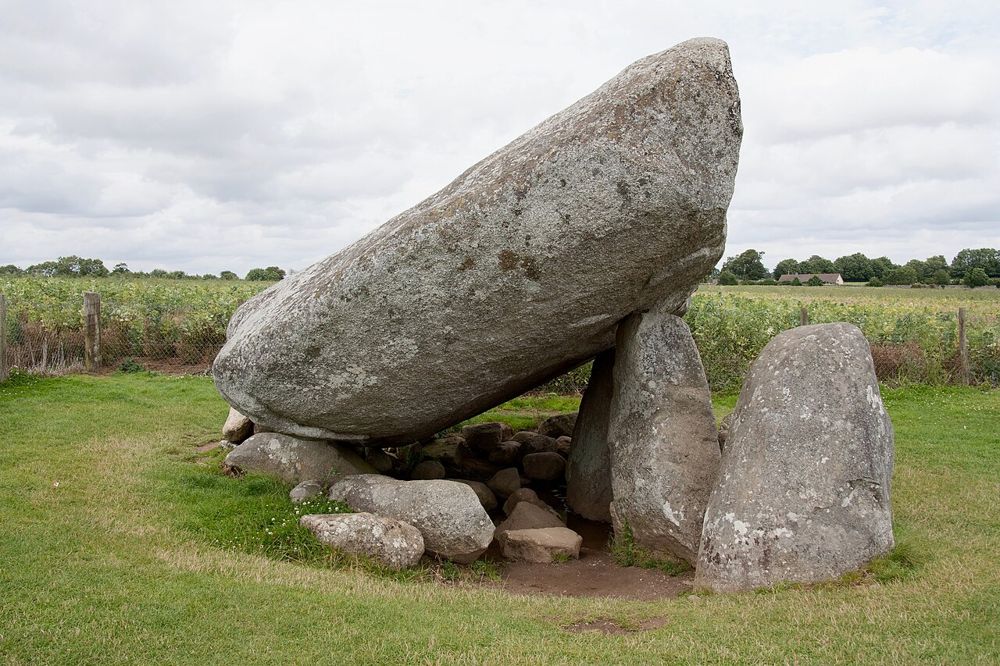
The huge capstone and supporting stones of Brownshill Dolmen
The huge capstone and supporting stones of Brownshill Dolmen. Resized from the credited source photograph; conditions and access may have changed. Elliot Tucker · CC BY-SA 4.0

heritage

4. Brownshill Dolmen

Brownshill is one of those stops that becomes more impressive as you get closer. From the road it can read as a low group of stones; beside it, the enormous sloping capstone changes the scale. The useful question is not how long a tour takes, but how people organised the work of building a tomb like this.

Worth your time? Make it a deliberate short stop near Carlow town, perhaps with Duckett’s Grove. It suits anyone interested in prehistoric engineering. If you want a visitor centre full of objects and explanations, this open-field monument will feel spare.

Show location map

Reference point; check the guide for the correct visitor entrance. Map © OpenStreetMap contributors.

View location map ↗ · Reference pin; confirm the visitor entrance.

Read the guide →
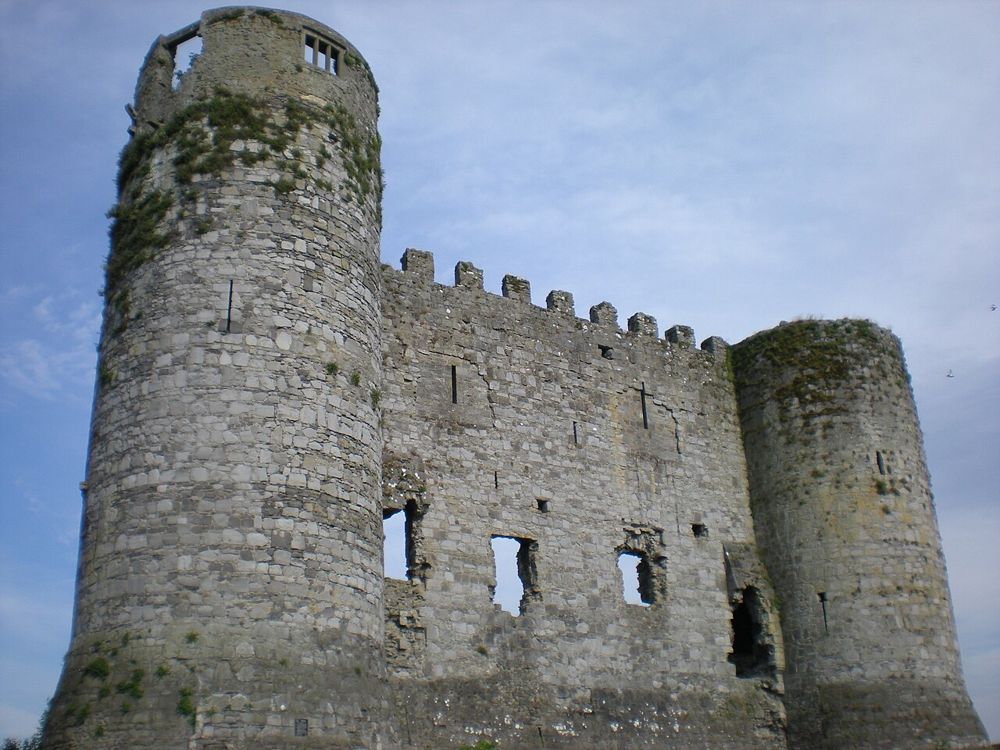
The surviving wall and towers of Carlow Castle
The surviving wall and towers of Carlow Castle. Resized from the credited source photograph; conditions and access may have changed. Age Bosma · CC BY-SA 3.0

heritage

5. Carlow Castle

Carlow Castle is a fragment with presence: a tall surviving wall and rounded towers beside the Barrow, rather than a complete building you can explore room by room. It is worth seeing on a town walk, provided that is the visit you expect. The museum nearby supplies much of the context the ruin itself cannot.

Worth your time? Make it a short heritage stop while already in Carlow. Do not plan a long interior castle tour. A viewpoint from lawful public space can still be worthwhile if the immediate enclosure is restricted.

Show location map

Reference point; check the guide for the correct visitor entrance. Map © OpenStreetMap contributors.

View location map ↗ · Reference pin; confirm the visitor entrance.

Read the guide →
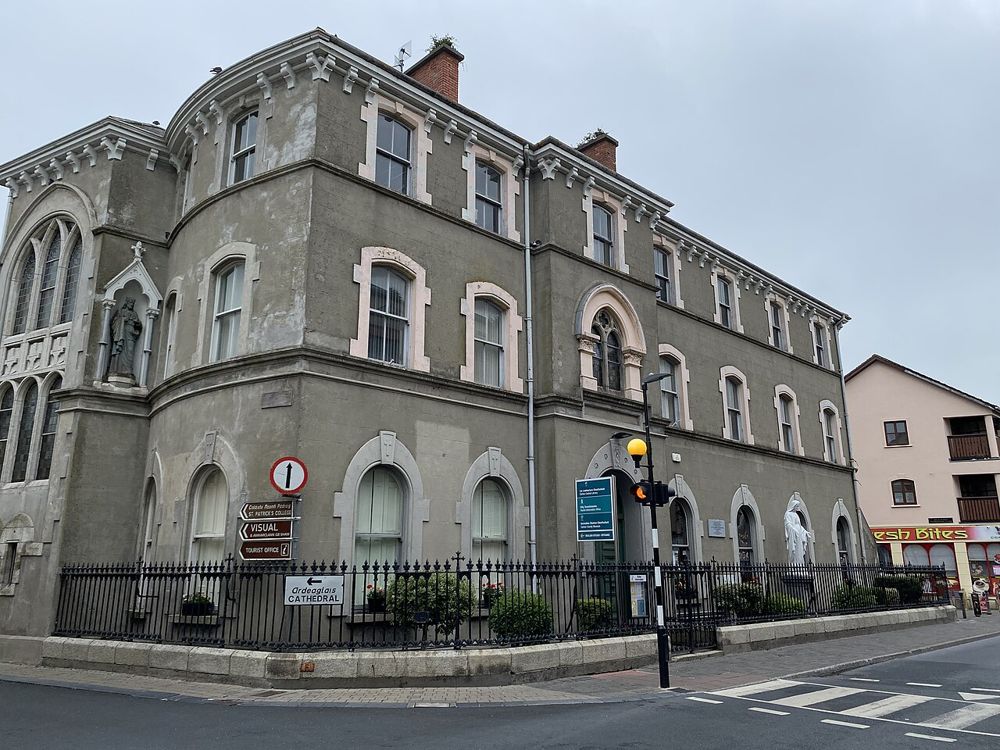
The exterior of Carlow County Museum
The exterior of Carlow County Museum. Resized from the credited source photograph; conditions and access may have changed. 瑞丽江的河水 · CC BY-SA 4.0

attraction

6. Carlow County Museum

The County Museum is a useful answer to the question of what Carlow adds beyond a few scattered ruins. Its objects pull the county’s religious, working and political history into one manageable indoor visit. Enter through the tourist office and give the collection time to make connections you would miss on a car-based sightseeing day.

Worth your time? Use it early in a Carlow town walk, especially if you want context before seeing the castle. It is a local museum rather than a vast national collection; that is an advantage if you want a focused visit without committing most of the day.

Show location map

Reference point; check the guide for the correct visitor entrance. Map © OpenStreetMap contributors.

View location map ↗ · Reference pin; confirm the visitor entrance.

Read the guide →
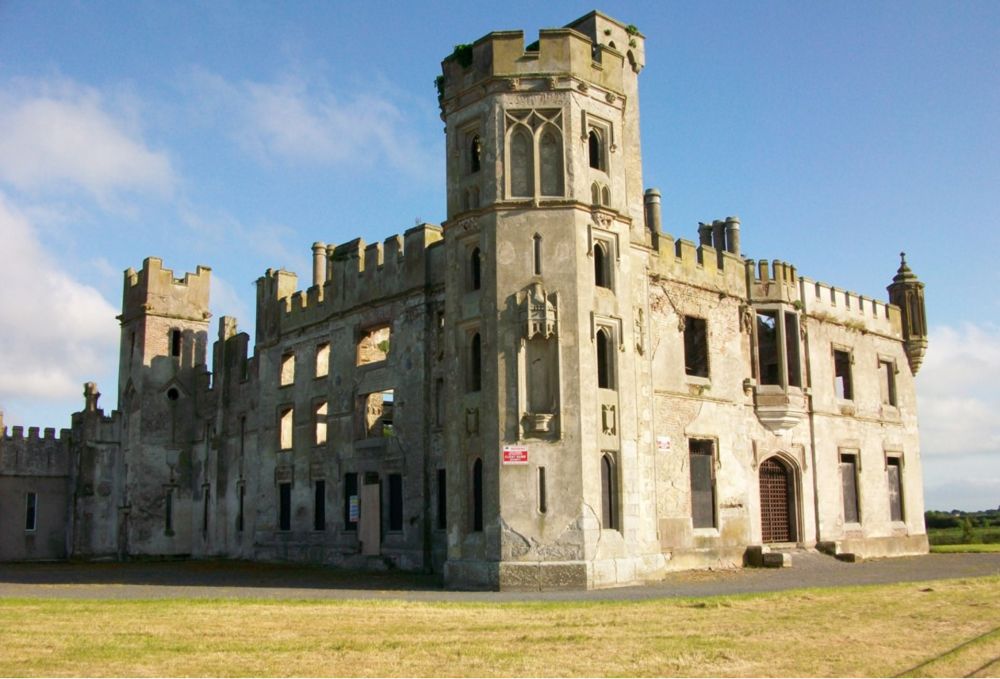
The ruined Gothic mansion at Duckett’s Grove
The ruined Gothic mansion at Duckett’s Grove. Resized from the credited source photograph; conditions and access may have changed. Irlandahijo · CC BY-SA 3.0

heritage

7. Duckett’s Grove

Duckett’s Grove is all silhouette: turrets, tall windows and a mansion that looks more medieval than its history actually is. The ruined house makes the first impression, but the restored walled gardens give you a reason to stay after the camera goes away. Approach it as a ruin and landscape, not a furnished castle.

Worth your time? It is a strong choice for a relaxed Carlow outing or a pause between Carlow town and Tullow. Brownshill adds a much older monument to the same general area. Skip the expectation of elaborate interiors; that belongs to a different kind of country-house visit.

Show location map

Reference point; check the guide for the correct visitor entrance. Map © OpenStreetMap contributors.

View location map ↗ · Reference pin; confirm the visitor entrance.

Read the guide →
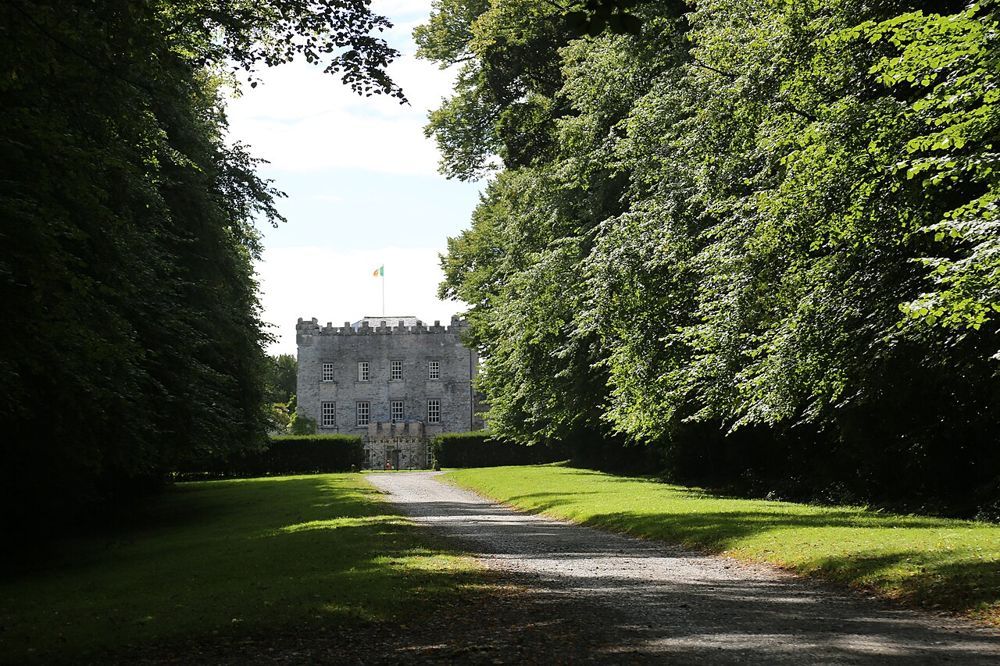
Huntington Castle in Clonegal, County Carlow
Huntington Castle in Clonegal, County Carlow. Resized from the credited source photograph; conditions and access may have changed. Anna Maria 4574 · CC BY-SA 4.0

heritage

8. Huntington Castle and Gardens

Huntington is appealing because it feels like a house with strong and sometimes unexpected personalities, rather than a neutral collection of period rooms. The old trees and garden walks provide the calm part; a house tour introduces family history and the unusual religious story associated with the basement.

Worth your time? Choose the house tour if you enjoy the peculiar details of country houses. Choose gardens alone only if that is the admission you actually want. This is a lived-in historic property, so access is scheduled and the story may be more personal than a conventional museum presentation.

Show location map

Reference point; check the guide for the correct visitor entrance. Map © OpenStreetMap contributors.

View location map ↗ · Reference pin; confirm the visitor entrance.

Read the guide →
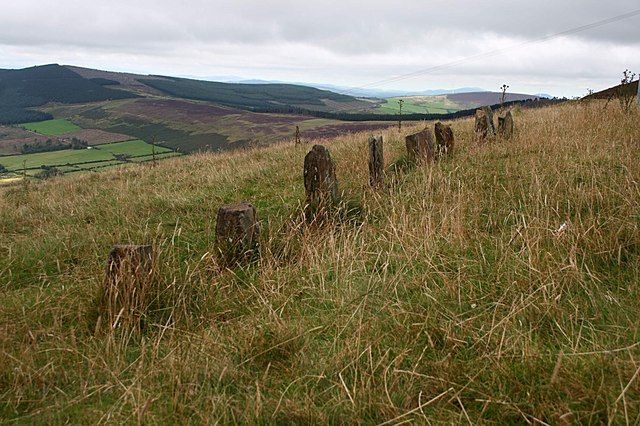
The stone alignment at the Nine Stones on Mount Leinster’s shoulder
The stone alignment at the Nine Stones on Mount Leinster’s shoulder. Resized from the credited source photograph; conditions and access may have changed. kevin higgins · CC BY-SA 2.0

nature

9. Nine Stones Viewing Point

The Nine Stones gives a wide view from the shoulder of Mount Leinster without requiring you to commit to the summit. The small row of stones is easy to overlook beside the scale of the countryside. Stop for the landscape first; decide on any longer walk only after checking weather and the route.

Worth your time? It is a sensible scenic stop when travelling around the Blackstairs in clear conditions. It is much less rewarding if low cloud covers the view. Do not turn a drive to the viewpoint into an unplanned mountain ascent simply because a surfaced service road continues uphill.

Show location map

Reference point; check the guide for the correct visitor entrance. Map © OpenStreetMap contributors.

View location map ↗ · Reference pin; confirm the visitor entrance.

Read the guide →
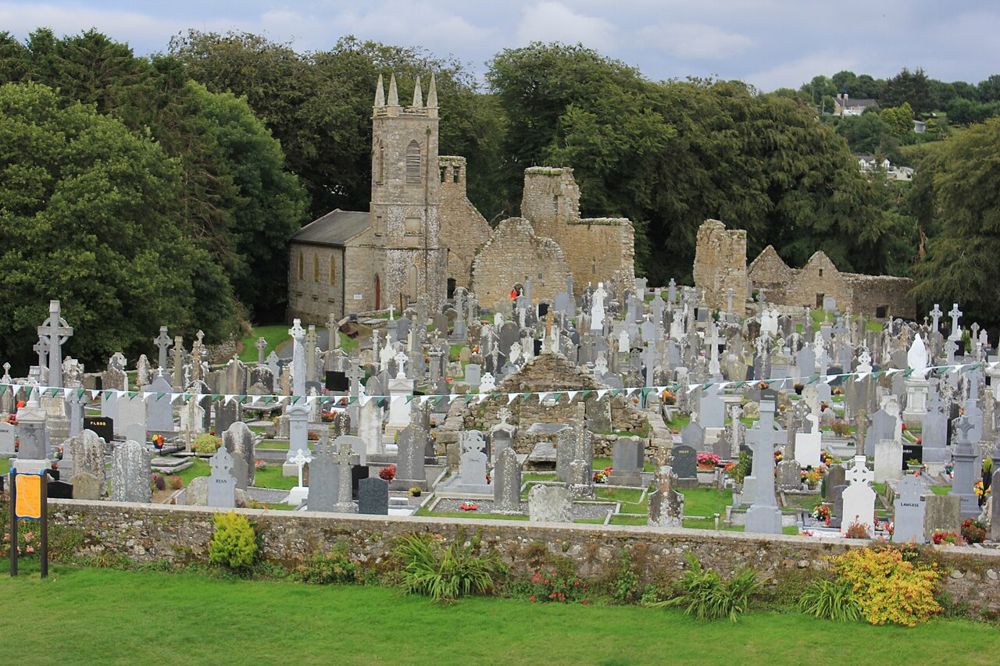
The graveyard and monastic remains at St Mullins
The graveyard and monastic remains at St Mullins. Resized from the credited source photograph; conditions and access may have changed. James Keppel · CC BY-SA 4.0

heritage

10. St Mullins Monastic Site

St Mullins is best approached slowly from the Barrow: a riverside village below, a cluster of religious ruins and a graveyard above. It does not announce itself with one spectacular intact building. The appeal is in finding the relationship between the church remains, tower stump and long-used burial ground.

Worth your time? Choose it for a reflective Barrow Valley stop, perhaps with Borris or Graiguenamanagh. It suits people who enjoy piecing together a historic site. If you need a fully interpreted indoor museum visit, check the heritage centre separately rather than assuming it is open.

Show location map

Reference point; check the guide for the correct visitor entrance. Map © OpenStreetMap contributors.

View location map ↗ · Reference pin; confirm the visitor entrance.

Read the guide →

Researched guides with original summaries of linked public visitor accounts. These are limited perspectives, not personal visits or visitor-average scores. Opening and access notices take priority over older accounts. How we rate · Suggest a correction.

Explore all 32 counties →

More Ireland tools & field guides

Copper Coast 7-Stop Audio & Driving GuideChoose your stops, hear the English or Hindi audio, and print a coastal day.Dublin Places & Local CollectionsCompare visitor places, local collections and public transport planning notes.Glendalough Field GuidePlan the monastic valley, lakes and a walk that fits your day.Ireland Salary & Budget CalculatorUnderstand take-home pay and plan an Irish monthly budget.