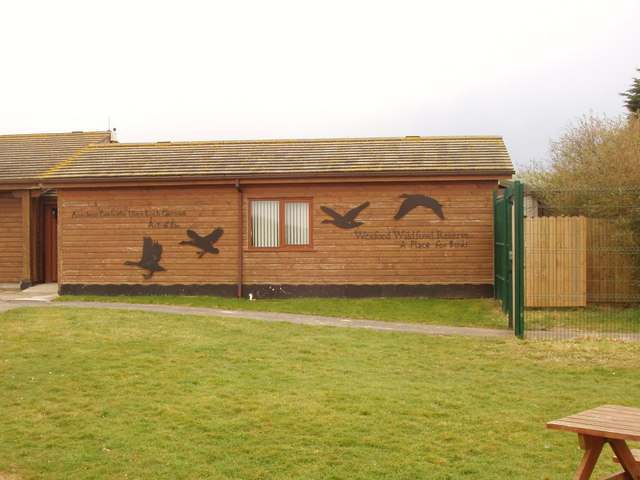
The visitor centre
Start with the interpretation to understand the reclaimed land and the birds using it. Ask about current sightings and any access changes before choosing where to spend your time.

nature · Wexford
Wexford Wildfowl Reserve is a place to watch a landscape carefully rather than walk straight through it. Fields, shallow water and harbour margins provide feeding and resting ground for birds. Begin at the visitor centre, then let the hides give you different views without disturbing the wildlife.
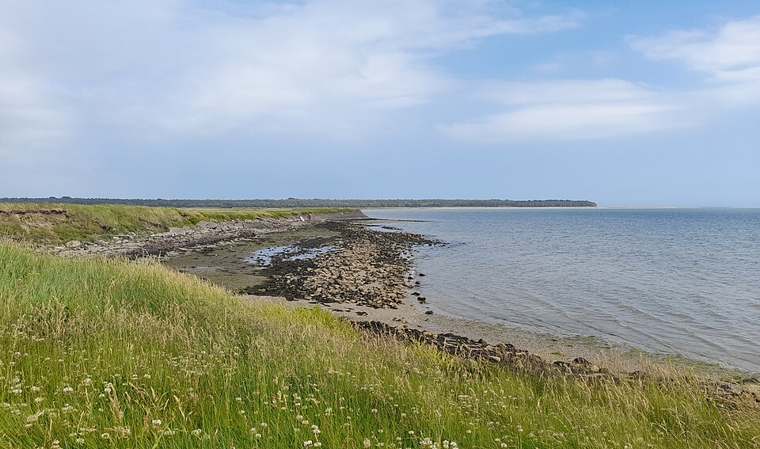
From research
Choose this for birdwatching and an introduction to the North Slob. Winter migrants make the colder months especially interesting, but sightings are never guaranteed. Bring binoculars if you have them and allow enough time to wait quietly instead of moving from hide to hide in a hurry.
Know before you book: The reserve includes managed farmland as well as visitor facilities. Keep to the permitted visitor routes and hides; the wider North Slob roads and fields are not an open walking circuit. Enter viewing spaces quietly and give other people room to watch.
Place highlights
Start with the interpretation to understand the reclaimed land and the birds using it. Ask about current sightings and any access changes before choosing where to spend your time.
Settle at a viewing point and watch how birds use the different areas. A quiet pause can reveal more than trying to approach a flock or repeatedly changing position.
Look at the relationship between agricultural fields, water channels and the harbour. This is a managed habitat whose value depends on both its geography and the way people use the land.
The story behind the visit
The reserve is jointly managed by the National Parks and Wildlife Service and BirdWatch Ireland. It occupies part of the North Slob, with other land remaining private farmland. That distinction explains why the public visit is organised around specific facilities rather than unrestricted access across the fields. Source ↗
Migratory birds use the area for feeding and roosting, with Greenland white-fronted geese among its important winter visitors. The reserve’s relationship with the harbour and neighbouring Raven makes sense at landscape scale: different places support different parts of the birds’ daily lives. Source ↗
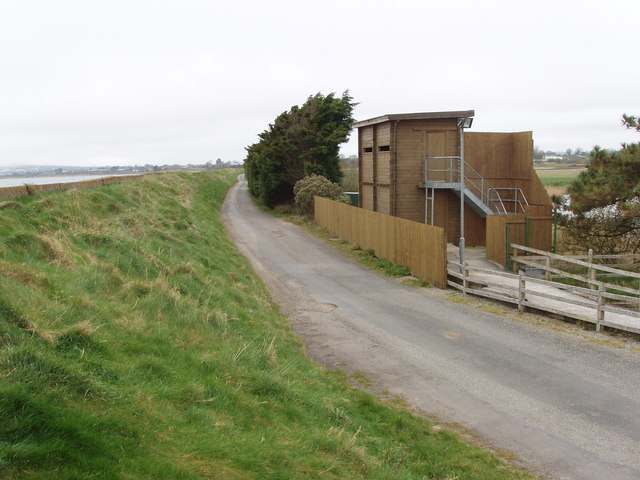
The visitor centre, observation points and hides allow people to learn about that landscape while limiting disturbance. BirdWatch Ireland asks visitors to remain on marked routes and avoid opening gates or crossing fences. Watching from the designated places is part of the conservation work, not a lesser substitute for approaching wildlife. Source ↗
Visitor information
Use Wexford Wildfowl Reserve, North Slob, Ardcavan, Y35 EY89. Follow the signed lane described on the operator’s visit page. The NPWS coordinates identify the reserve area, not a verified entrance; keep to the public visitor route on arrival. Official visitor information ↗
Confirm current access and visitor arrangements with the operator.
Do not assume access across farmland or reserve roads. The public visit uses the designated facilities and marked routes. Source ↗
No. Species and numbers vary with migration and local conditions. Ask about current sightings and treat any photograph as a record of its capture date. Source ↗
Yes. The operator lists free admission, with advance contact requested for schools and larger groups. Source ↗
Nearby options
Explore other places in the area, then use live directions to plan your journey.
heritage
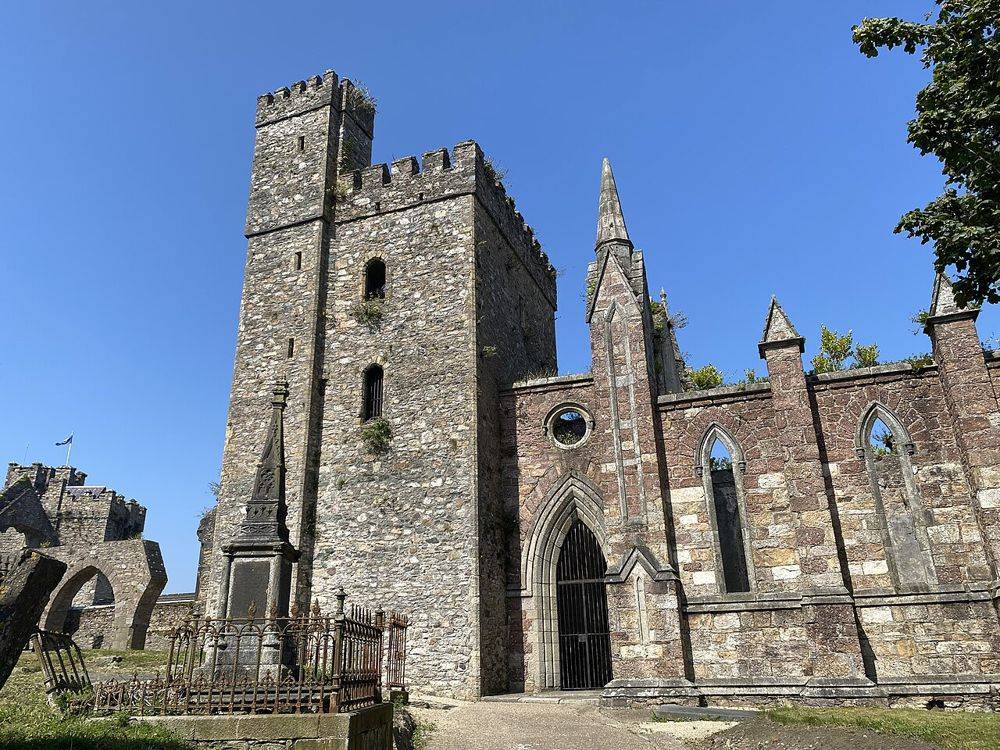
Selskar is a rewarding interruption to a Wexford town walk because the ruins sit inside the modern street pattern. It is not a large countryside abbey: the interest is in finding the medieval town beneath…
Open place page →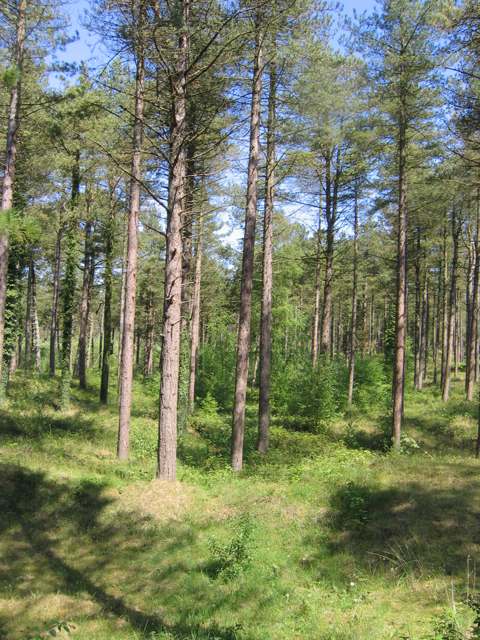
nature
The Raven brings pine woodland, dunes and the edge of Wexford Harbour into one coastal landscape. Follow the marked woodland loop to see how the character changes beneath the trees and towards the open shore.…
Open place page →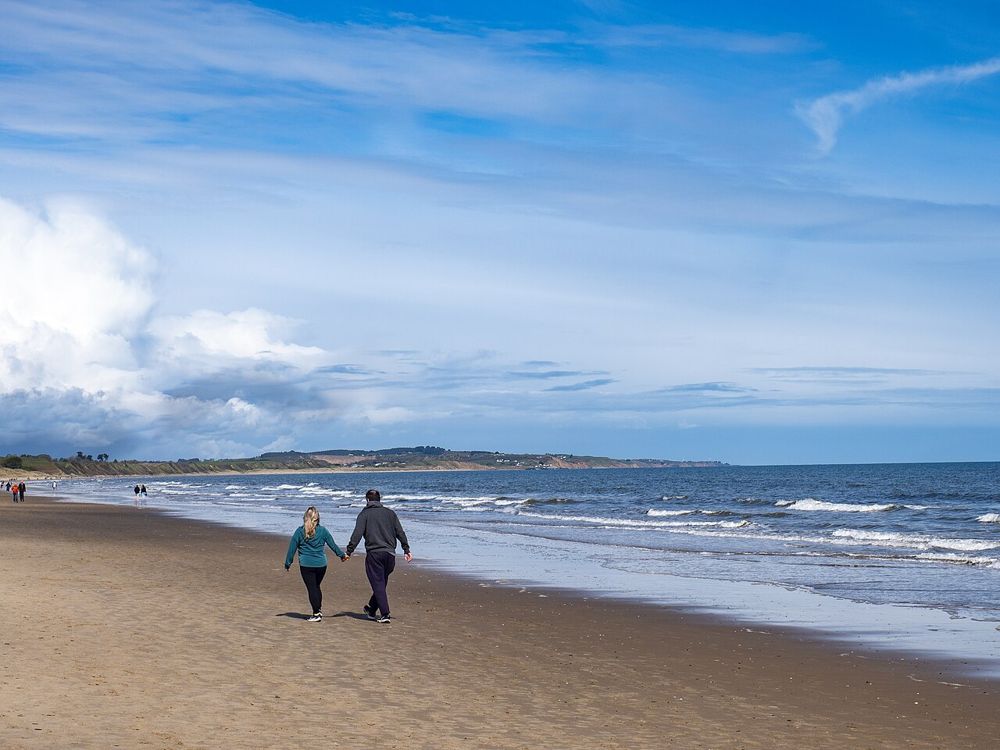
coast
Curracloe is about room to walk: a broad sandy shore backed by dunes, with the Raven woodland nearby if you want a change from open sea. The film connection may explain the name recognition, but the everyday…
Open place page →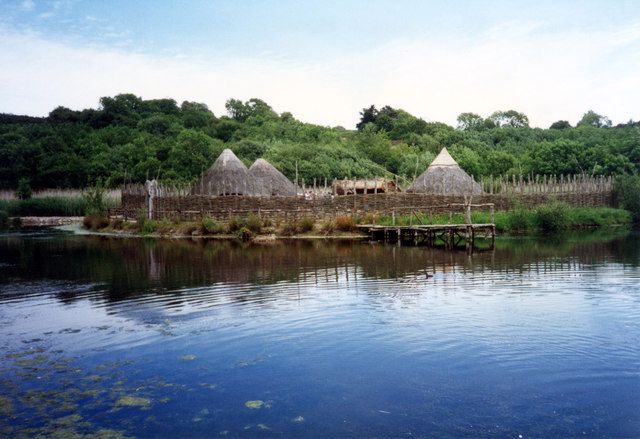
attraction
The Heritage Park is a walk through reconstructed buildings and landscapes, with enough space between them for the changes in time to register. It works particularly well when Irish archaeology has begun to…
Open place page →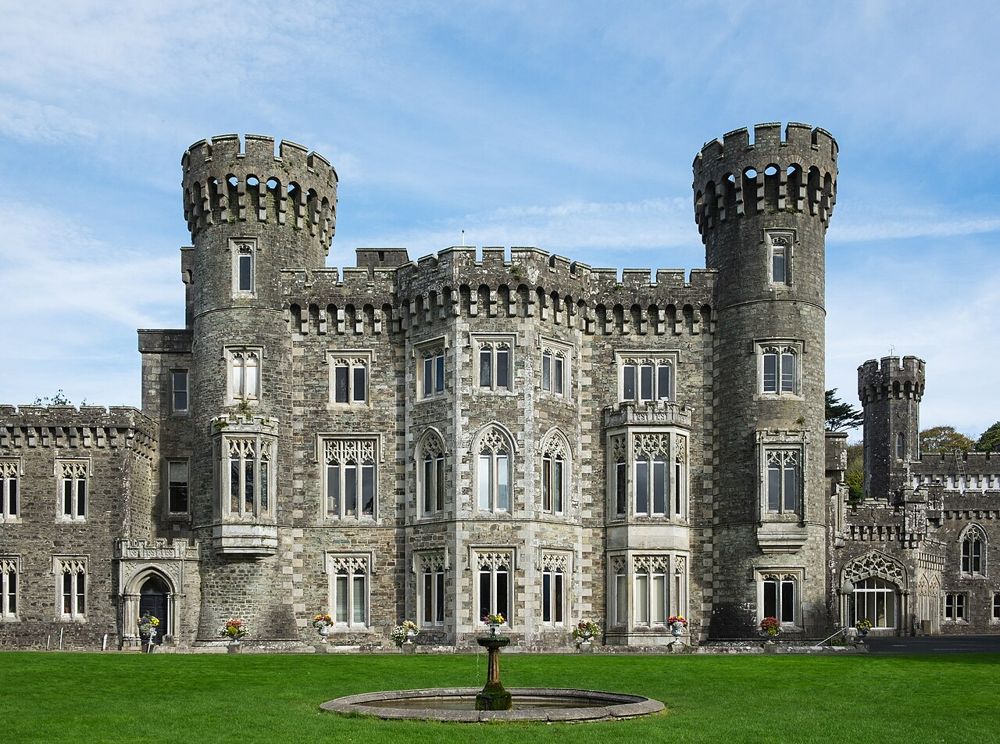
heritage
Johnstown is easiest to enjoy as an estate day with several choices, rather than simply a castle ticket. The Gothic house provides the image, but lakeside paths and the agricultural museum give the visit a…
Open place page →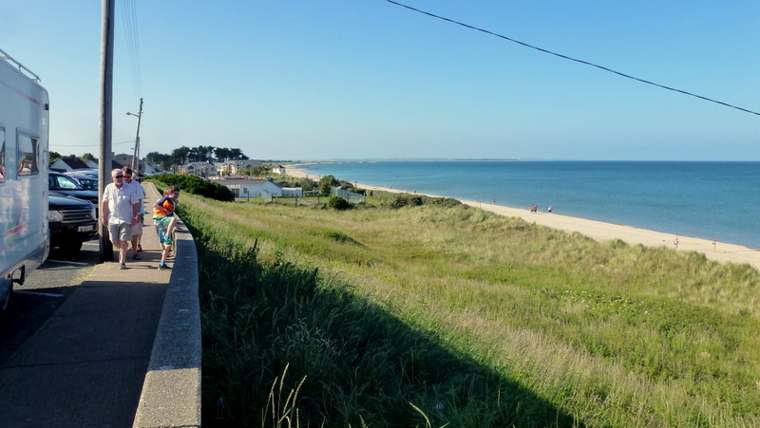
nature
Rosslare Strand is a long coastal landscape that changes with the tide and weather. Choose a short section of beach and give it time: the timber groynes, shifting sand and wide seaward view offer more to…
Open place page →Location & access
The reserve includes managed farmland as well as visitor facilities. Keep to the permitted visitor routes and hides; the wider North Slob roads and fields are not an open walking circuit. Enter viewing spaces quietly and give other people room to watch.
52.35900, -6.41600 · Reference point; confirm the correct entrance and access. Map © OpenStreetMap contributors.
Orientation only: a verified public entrance is not established by this pin. Use the operator arrival information before travel.