Skip to content
TheLazyNick

heritage · Antrim

Old Church Centre Cushendun

Cushendun’s Old Church Centre opens at weekends, with visiting times sometimes changed by events. The sandstone former church now serves as an arts, community and heritage venue. Its tower, small churchyard and restored interior connect a nineteenth-century congregation with the village’s continuing cultural life and the work of local preservation volunteers.

Add to planSaved trips & places

Saved on this browser. No account needed.

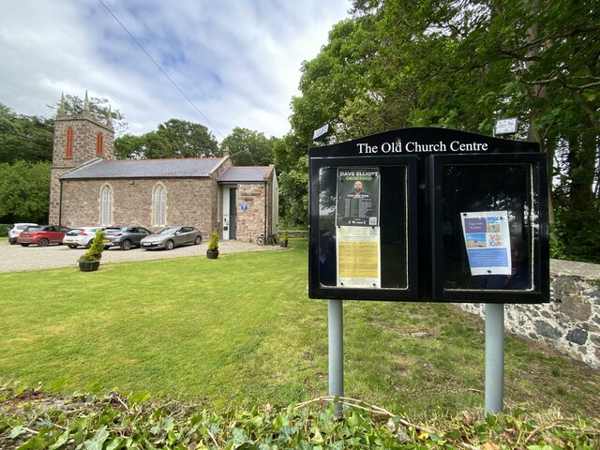
The restored Old Church Centre in Cushendun
The restored Old Church Centre in Cushendun Photo: Kenneth Allen ↗ · CC BY-SA 2.0

From research

Is this worth your time?

Choose the Old Church for a compact heritage visit that shows a historic building finding a new public purpose. Check the weekend opening and event programme before travelling. A concert or performance requires its own arrangements, while a quieter visitor opening gives more opportunity to appreciate the building, its history and the setting around it.

Know before you book: Saturday and Sunday noon–4pm; events can vary visitor access. Book performances separately.

Place highlights

What you will actually see

01

Sandstone and tower

Look at the locally quarried red sandstone and the tower’s tapering corner pinnacles. The small building has a clear architectural identity within its tree-lined setting. Walk carefully around the public approach and give the exterior time before entering, rather than viewing the centre only as a room for events.

02

The adapted interior

Inside, consider how a former place of worship now accommodates heritage, arts and community activity. Follow the current exhibition or visitor interpretation, and respect any event preparation. The changed use is part of the building’s story; it is no longer an ordinary working parish church.

03

The churchyard

The small churchyard includes the graves of Ronald McNeill, Baron Cushendun, and his cousin Ada McNeill. Their different public lives add another connection with the village. Keep to appropriate paths, leave memorials untouched and treat the burial ground with the same consideration as any active place of remembrance.

The story behind the visit

The story behind the place

The church was built around 1840 for the Church of Ireland community, with Michael Harrison of Glenmona playing an important role. Its locally quarried sandstone and distinctive pinnacled tower give it a family resemblance to other churches in the Glens while retaining its own character. The congregation was small, but summer visitors added to its numbers. Literary figures associated with worship here included Louis MacNeice and John Masefield, adding a cultural connection to the building’s religious and local history. Source ↗

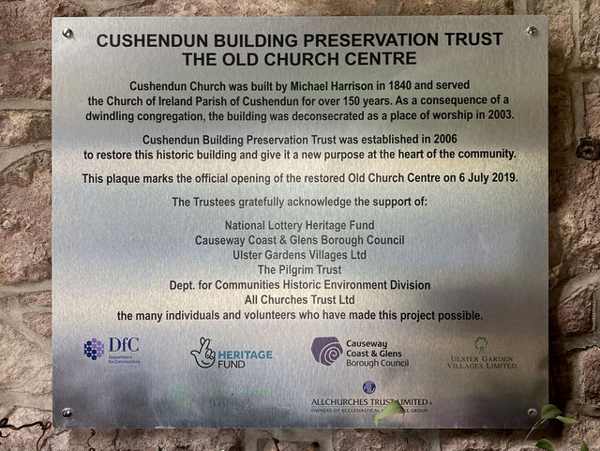
As the congregation declined, the church eventually ceased regular religious use and was deconsecrated in 2003. In 2006 local people formed Cushendun Building Preservation Trust and began working to secure a future for it. The restored centre opened in 2019 after years of campaigning and fundraising. Its present programme of performances, heritage events and community activity gives the building a shared role beyond the congregation for which it was originally constructed. Looking at the surviving architecture alongside that new use shows preservation as an ongoing local effort, rather than simply the retention of an attractive exterior. Source ↗

Visitor information

Tickets, timing and access

Opening
Saturday and Sunday noon–4pm; times may vary during events.Confirm with the operator ↗
Admission
Check the arrangement for ordinary visiting; performances and special events have separate tickets.Confirm with the operator ↗
Booking
Book any ticketed event through the centre’s current programme.Confirm with the operator ↗
Access
Contact the centre about mobility or other access requirements.Confirm with the operator ↗
Duration
Allow around 45 minutes for the building and heritage interpretation.Confirm with the operator ↗
Seasonal
Check the programme before travelling, since events can alter weekend access.Confirm with the operator ↗

Getting to the entrance

The centre is at 1 Church Lane, Cushendun. Use the named Old Church Centre location, beyond the village’s main street. Official visitor information ↗

Your questions, answered

Confirm current access and visitor arrangements with the operator.

Is the Old Church still used as a parish church?

It was deconsecrated in 2003 and now operates as an arts, community and heritage centre. Source ↗

Does weekend visiting include an evening performance?

No. Consult and book the separate event programme. Source ↗

Nearby options

Nearby places to explore

Explore other places in the area, then use live directions to plan your journey.

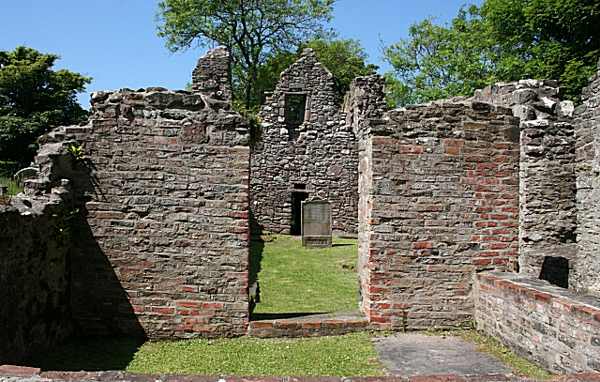
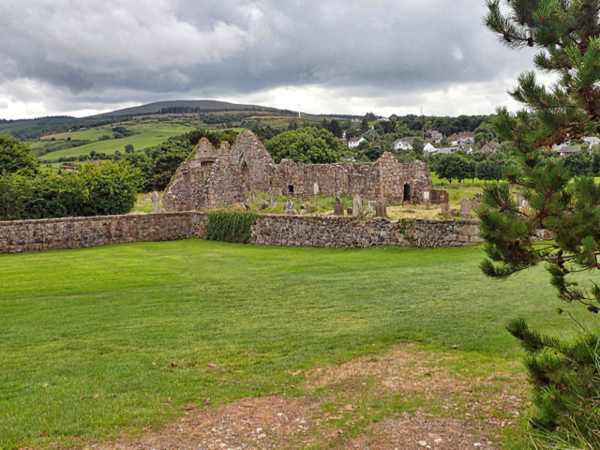
The walls and open interior of Layd Old Church.
The walls and open interior of Layd Old Church. Photo: Anne Burgess ↗ · CC BY-SA 2.0

heritage

Layd Old Church

Layd is a ruined church and burial ground, so visit quietly and leave graves and carved stones undisturbed. DfC lists free public access, subject to temporary works restrictions. The roofless remains near…

Open place page →
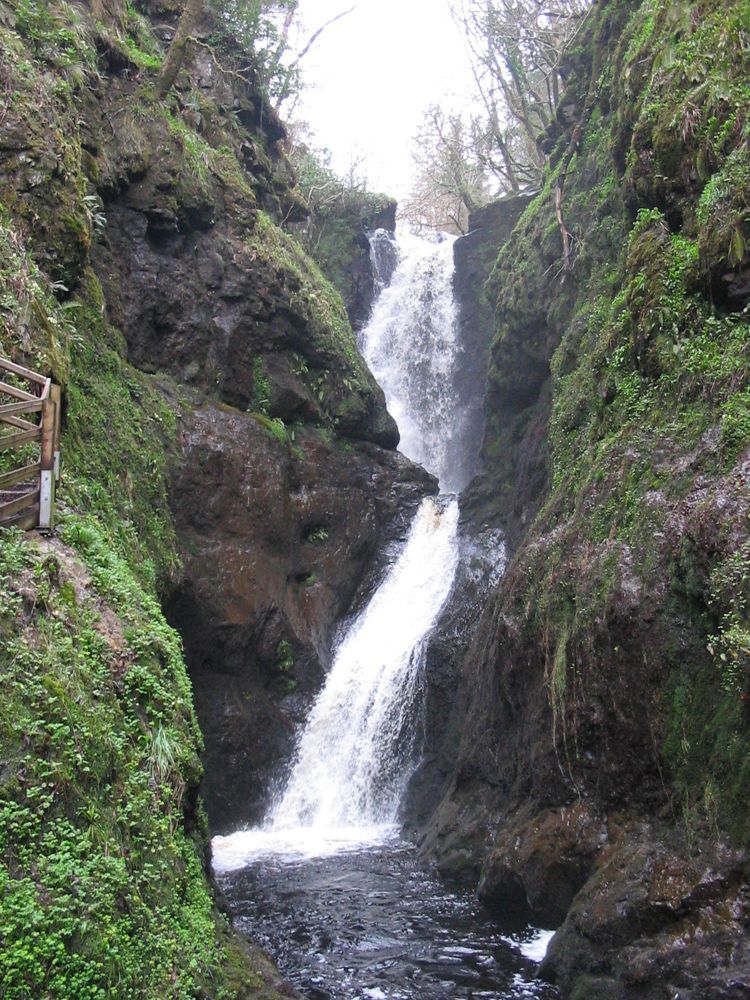
A waterfall in Glenariff Forest Park
A waterfall in Glenariff Forest Park. Source photograph dated 2005. Credited source photograph; appearance and access may have changed. Resized from the original. Photo: Kateshortforbob ↗ · CC BY-SA 3.0

nature

Glenariff Forest Park

Glenariff offers a change of texture after the Antrim coast: trees, river gorges and falling water instead of open headlands. The wooded setting makes the descent feel enclosed and the wider glen views more…

Open place page →
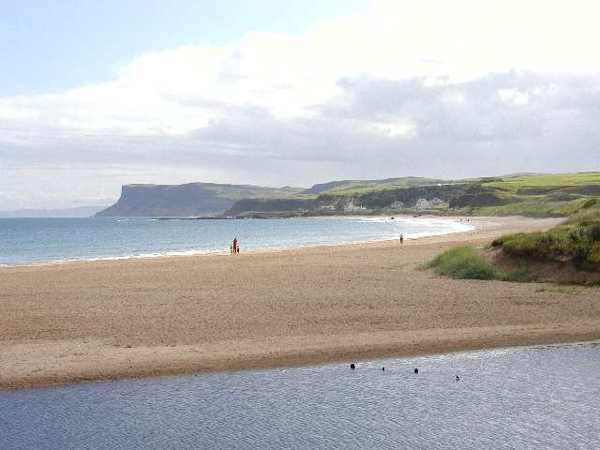
Ballycastle Beach with Fair Head beyond
Ballycastle Beach with Fair Head beyond. Resized for display. Photo: Kenneth Allen ↗ · CC BY-SA 2.0

coast

Ballycastle Beach

Ballycastle Beach runs from the marina pier towards Pans Rock, with sand, some shingle and views towards Rathlin Island and Fair Head. Its western promenade places the shore close to town facilities. A visit…

Open place page →
The roofless church and burial ground at Bonamargy Friary.
The roofless church and burial ground at Bonamargy Friary. Photo: Mick Garratt ↗ · CC BY-SA 2.0

heritage

Bonamargy Friary

Bonamargy Friary is a roofless religious ruin near Ballycastle, with surviving church and cloister features beside a burial ground. Founded around 1500, it became closely associated with the MacDonnell family.…

Open place page →
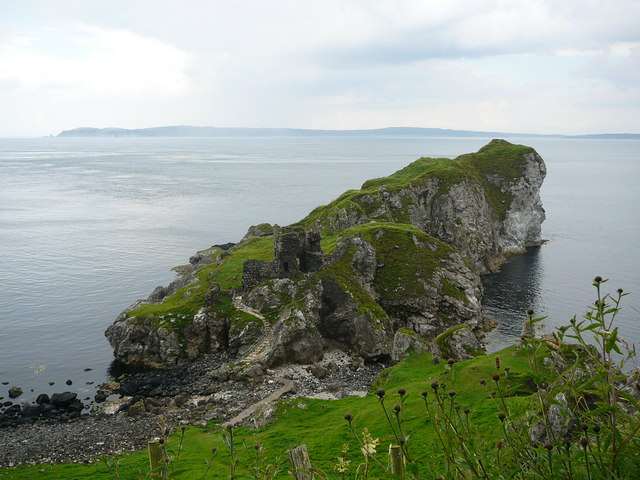
Kinbane’s chalk headland and castle beside the sea
Kinbane’s chalk headland and castle beside the sea. Resized for display. Photo: Colin Park ↗ · CC BY-SA 2.0

heritage

Kinbane Castle

Kinbane Castle occupies a chalk headland below the Causeway Coast near Ballycastle. Its ruined tower and enclosure are interesting in their own right, but the relationship between masonry, cliffs and sea gives…

Open place page →

External visitor reviews

Find the matching listing and reviews on Google Maps ↗

Part of a bigger journey

Location & access

Getting your bearings

Saturday and Sunday noon–4pm; events can vary visitor access. Book performances separately.

55.12718, -6.04458 · Reference point; confirm the correct entrance and access. Map © OpenStreetMap contributors.

Orientation only: a verified public entrance is not established by this pin. Use the operator arrival information before travel.

Sources & place context

Browse more Ireland places →