The natural arches
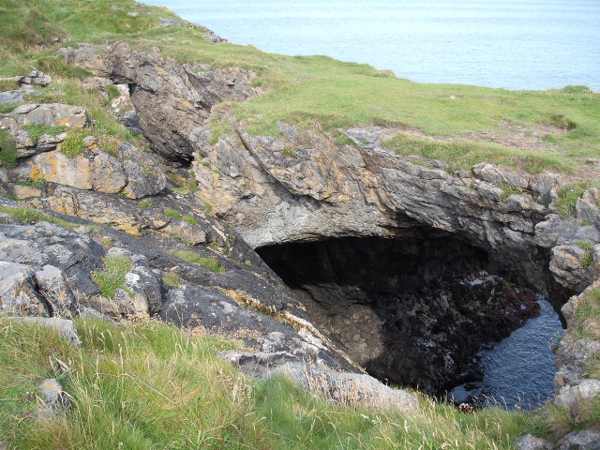
Look at the rock bridges and the way the sea has opened spaces in the coast. Pause on the established public route and look carefully. Watch your footing as well as the view; keep well away from exposed edges for photographs.

coast · Donegal
The Fairy Bridges and Wishing Chair sit beside the sea at Bundoran, combining natural rock formations with local folklore. The arches and blowholes make the coastline visually distinctive, while the nearby stone chair carries a tradition of wishes. Enjoy both from the established public route without approaching openings or exposed edges.
From research
Choose this stop for a short walk where landscape and storytelling meet. It works well as part of a Bundoran outing, with no need to expect a dramatic spray display on demand. Keep children close and let sea conditions decide how far along the permitted route you go rather than searching for the closest possible view.
Know before you book: This is an exposed outdoor visit. Tide, weather and local restrictions can change access; keep well back from cliffs and moving water.
Place highlights
Look at the rock bridges and the way the sea has opened spaces in the coast. Pause on the established public route and look carefully. Watch your footing as well as the view; keep well away from exposed edges for photographs.
Find the named stone feature and read its folklore without treating the tradition as history. Compare this feature with the wider surroundings. Use permitted approaches, leave plants and wildlife undisturbed and avoid shortcuts across adjoining land or fragile coastal vegetation.
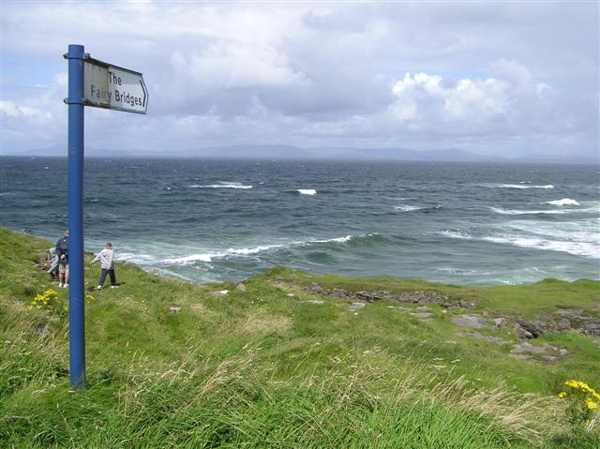
Use the established approach from Tullan Strand Road or the signed Roguey route. Choose a comfortable turning point before conditions limit the return. A shorter visit still reveals the place’s character; you need not reach every visible landmark.
The story behind the visit
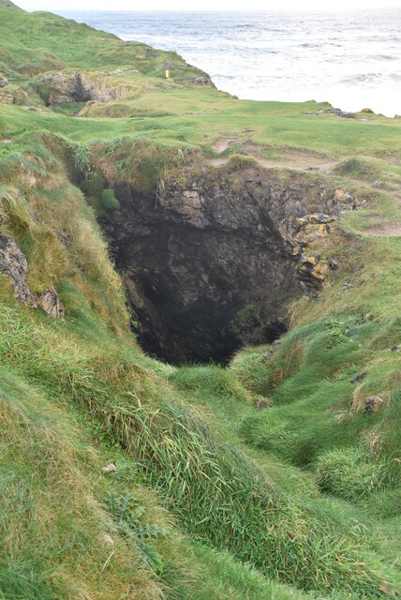
The Fairy Bridges are natural coastal formations whose unusual shapes have attracted stories as well as visitors. Fáilte Ireland describes blowholes where water can surge upwards under suitable tidal conditions. That spectacle depends on the sea and is not a scheduled event. It is better understood from a secure position on the visitor route, leaving space around openings and avoiding the assumption that a quiet-looking gap in the rock will remain dry. Source ↗
Local tradition associates the formations with fairies and gives the neighbouring Wishing Chair a ritual of contemplation and secret wishes. These stories are part of the area’s visitor heritage, but they should be presented as folklore rather than evidence of supernatural powers. The attraction is the combination: a memorable natural coast and the meanings people have attached to it. A short walk with time to read and look can convey both, without climbing onto fragile formations or moving closer to breaking waves. Source ↗
Visitor information
Use Tullan Strand Road or the established coastal walking approach from Bundoran. Follow current barriers and keep away from blowhole openings. Official visitor information ↗
Confirm current access and visitor arrangements with the operator.
No. Choose a shorter permitted outing that fits conditions and leaves a straightforward return. Source ↗
No. This is a land-based visit; water activities need separate current safety advice. Source ↗
Nearby options
Explore other places in the area, then use live directions to plan your journey.
coast
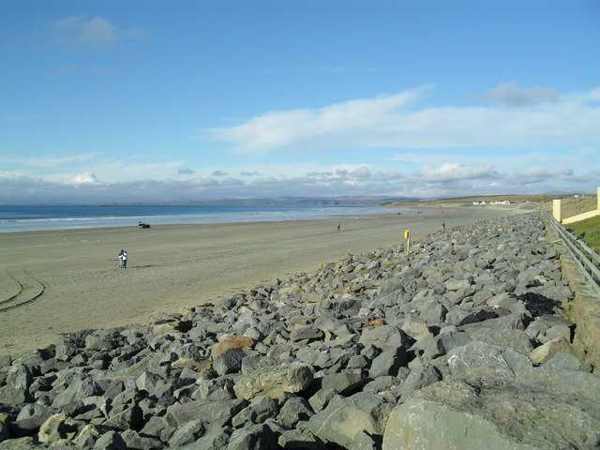
Rossnowlagh is a long, west-facing sandy beach on Donegal Bay, framed by the Coolmore cliffs to the south and the coast towards Durnesh to the north. Its broad scale is best appreciated slowly, from the public…
Open place page →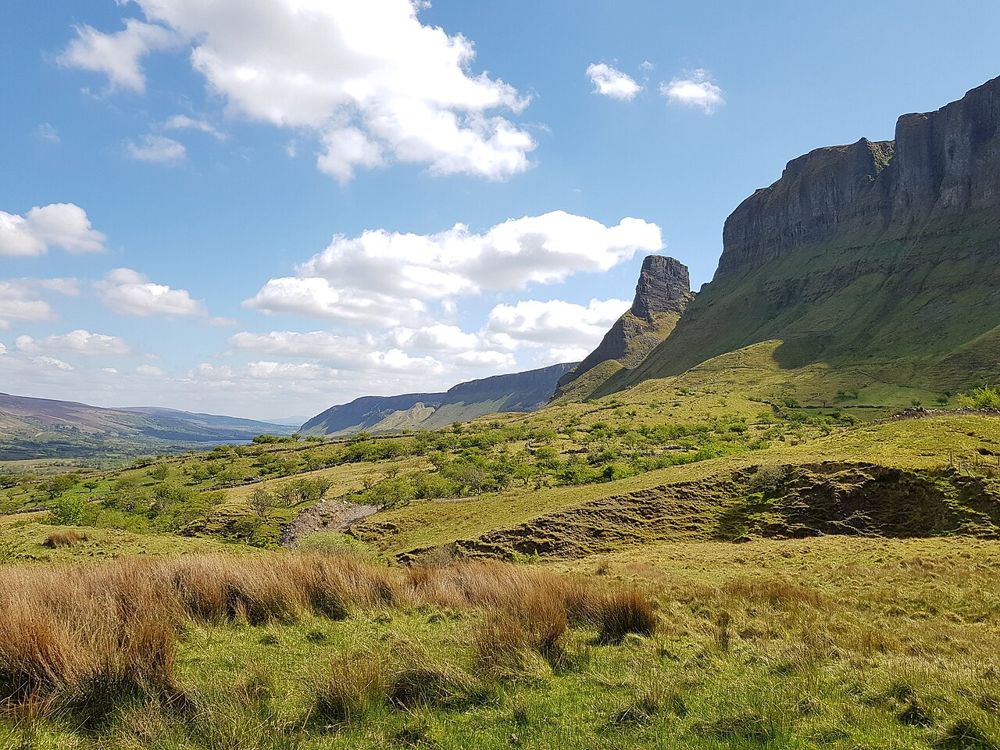
nature
The rock formations above Glenade give north Leitrim an unexpectedly theatrical skyline. Eagle’s Rock and neighbouring Hag’s Leap are better approached first as a landscape to look at from an authorised…
Open place page →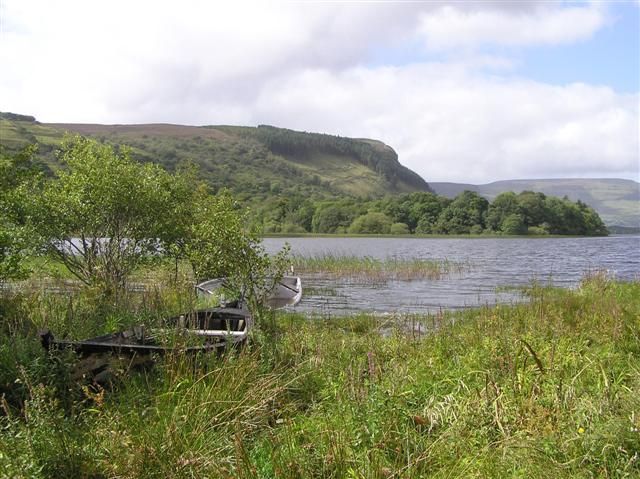
nature
Glenade Lough sits between steep valley sides, giving a short stop a surprisingly enclosed, almost amphitheatre-like feel. The lake is quiet to look at, but access around it needs care: a beautiful shoreline…
Open place page →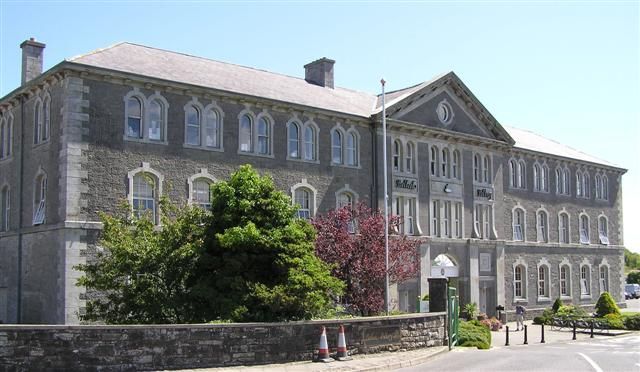
attraction
Belleek is most interesting when you see the work behind the delicate finished pieces. A pottery tour can turn an ornamental object in a shop into a sequence of skilled tasks and decisions.
Open place page →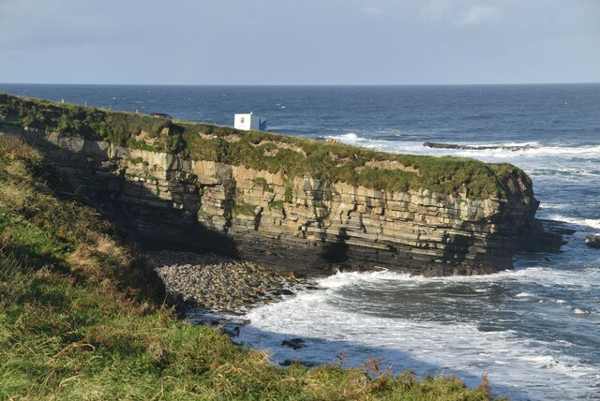
coast
Mullaghmore Head combines a coastal road, Atlantic views and the setting of a small harbour village in north Sligo. The headland is known for powerful surf, but a land-based visit is complete without entering…
Open place page →
nature
The Gleniff Horseshoe is a scenic road circuit beneath the Dartry Mountains in north Sligo. Steep mountain faces enclose the valley, while views open towards Donegal Bay. Keep the visit on the public road and…
Open place page →Location & access
This is an exposed outdoor visit. Tide, weather and local restrictions can change access; keep well back from cliffs and moving water.
54.49042, -8.27133 · Reference point; confirm the correct entrance and access. Map © OpenStreetMap contributors.
Orientation only: a verified public entrance is not established by this pin. Use the operator arrival information before travel.