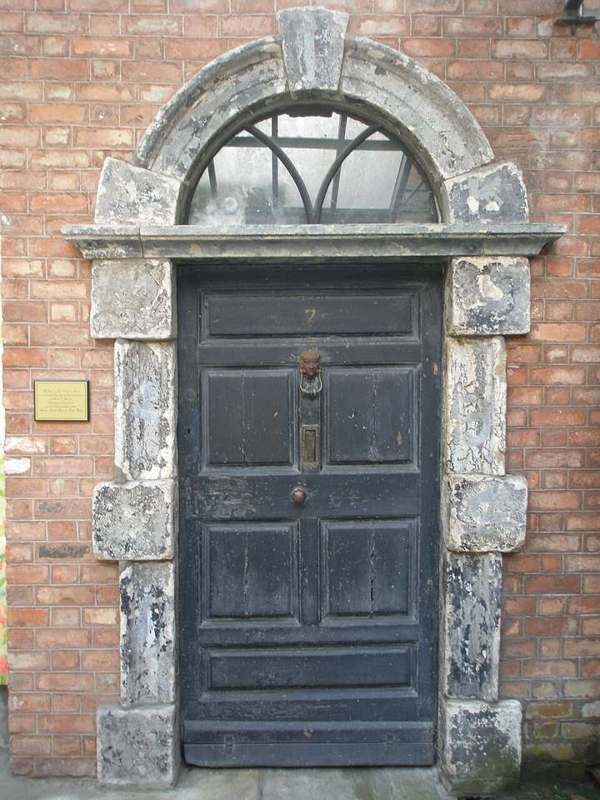
The door from No. 7 Eccles Street
The preserved door in the courtyard connects the real city with the fictional address of Leopold and Molly Bloom. Take time to separate the surviving object from the vanished house it once belonged to.

heritage · Dublin
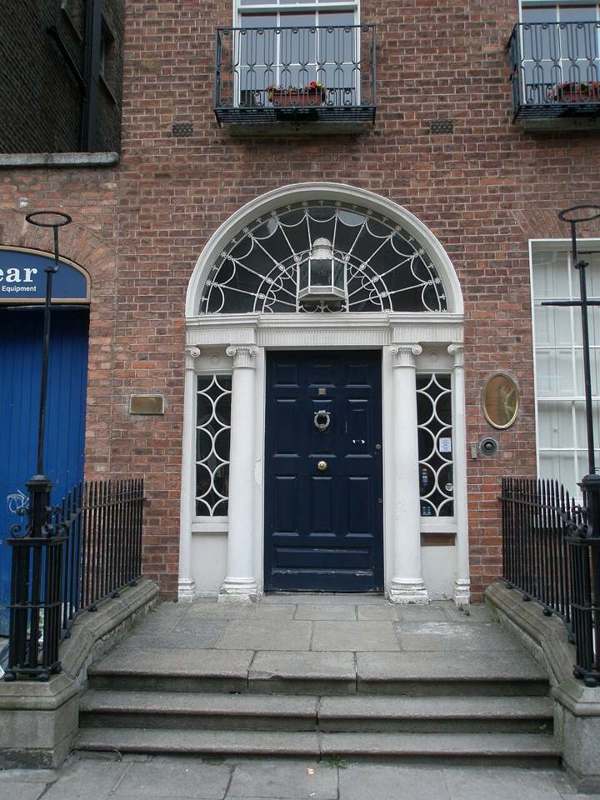
The James Joyce Centre is a way into the writer’s Dublin through a Georgian house, art and objects associated with his work. You do not need to have finished Ulysses to enjoy it. Start with the building, then use a few recognisable details to connect the fiction with the city.
From research
Choose this for a literary indoor stop with architectural interest. Give the courtyard door and the decorated rooms time of their own, rather than reading every panel at the same speed. If you want to continue into the streets, book the walking tour as a separate activity.
Know before you book: Joyce never lived in this house. It is a museum and cultural centre whose connections include people and places appearing in his writing. Only the ground floor is wheelchair accessible according to Visit Dublin; confirm your intended route if access to particular rooms matters.
Place highlights
The preserved door in the courtyard connects the real city with the fictional address of Leopold and Molly Bloom. Take time to separate the surviving object from the vanished house it once belonged to.
Look at the plasterwork as well as the literary interpretation. The Maginni and Kenmare rooms have their own histories, and their decoration helps explain the house’s earlier life.
Paul Joyce’s murals interpret the episodes of Ulysses visually. Use them as an invitation to explore the novel’s variety, rather than expecting one straightforward illustration of the whole book.
The story behind the visit
No. 35 North Great George’s Street was built in 1784 for the Earl of Kenmare. Saved from demolition through the efforts of David Norris and others, it was restored and opened to the public as the Centre in June 1996. Its survival is part of the visit’s story. Source ↗
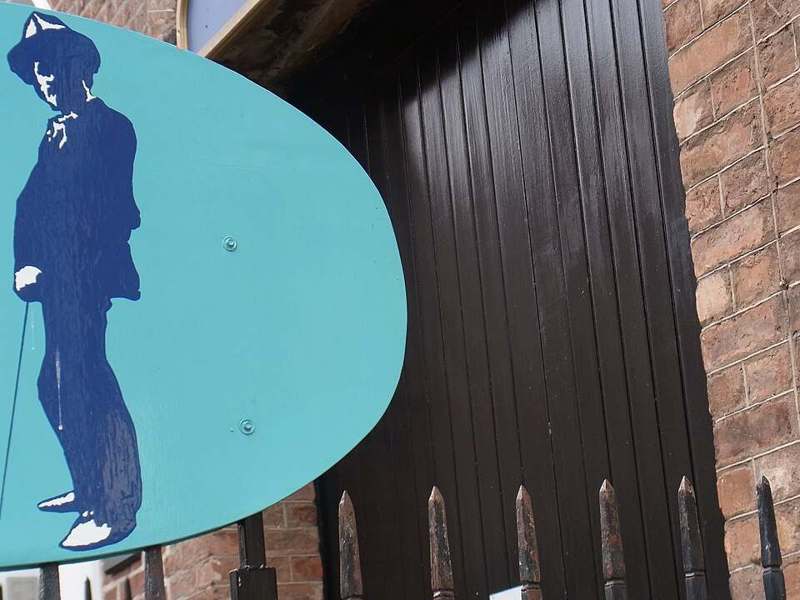
Denis J. Maginni ran a dance academy here and appears in Ulysses. The ground-floor room named for him retains original plasterwork, with dancing medallions added during his time. This gives the house a direct link with a Dublin character Joyce transformed into fiction. Source ↗
The Centre combines exhibitions with readings, performances, lectures and the Bloomsday Festival. That wider programme makes it an active place for literature as well as a collection. Check individual event arrangements rather than assuming a talk, screening or performance accompanies ordinary admission. Source ↗
Visitor information
Use 35 North Great George’s Street, Dublin 1, D01 WK44. This is the city-centre townhouse, not the Joyce Tower at Sandycove. Visit Dublin’s published map point locates the property; follow the Centre’s own entrance and access arrangements when you arrive. Official visitor information ↗
Confirm current access and visitor arrangements with the operator.
No. The Centre explicitly says he never lived in this house. Its connection includes Denis Maginni, whose dance academy operated here and who appears in Ulysses. Source ↗
No. The James Joyce Centre is on North Great George’s Street. The James Joyce Tower and Museum is a separate attraction in Sandycove. Source ↗
The Centre lists walking tours and admission as separate bookings. Review the selected ticket’s terms instead of assuming the basic entry ticket includes a walk. Source ↗
Nearby options
Explore other places in the area, then use live directions to plan your journey.
heritage
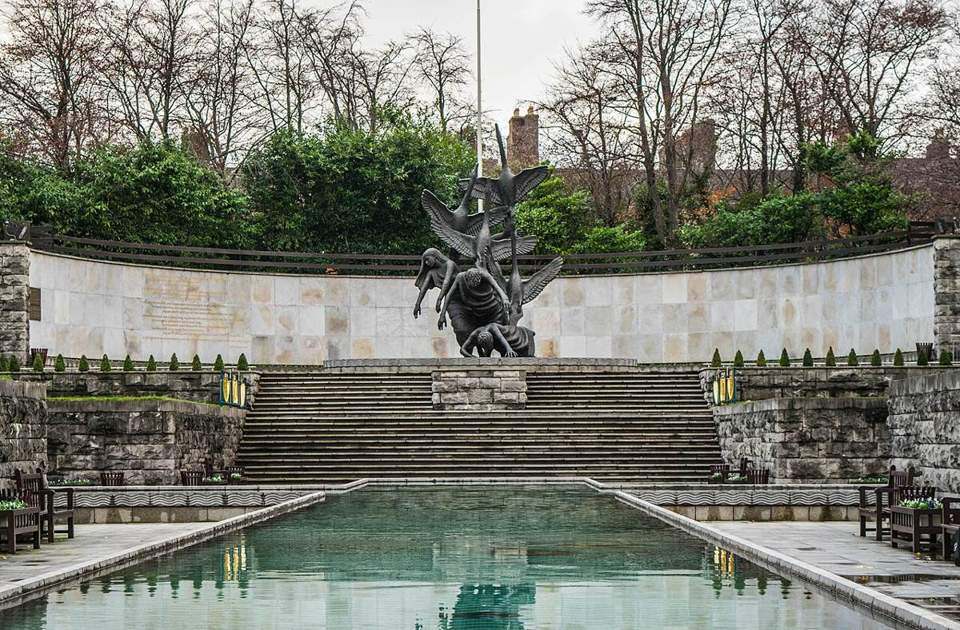
Pause at Parnell Square for a memorial whose meaning is carried by water, broken weapons and a dramatic group of birds. The Garden of Remembrance rewards a slow circuit: first take in the shape of the pool,…
Open place page →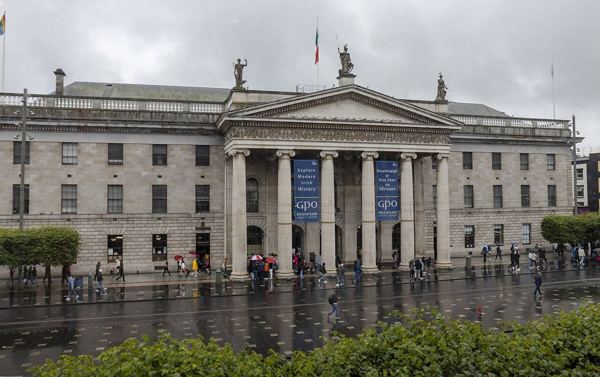
heritage
Explore the Easter Rising from the building that became its headquarters. The GPO Museum combines objects, film and interactive interpretation beneath a working Dublin landmark.
Open place page →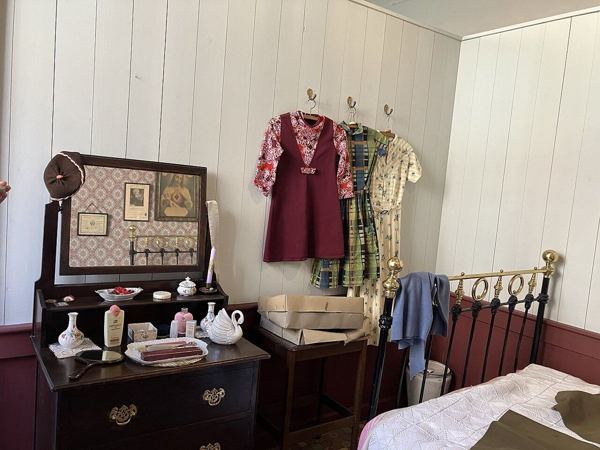
heritage
One house tells a larger Dublin story: Georgian ambition, conversion into tenements and the lives of families who made their homes here. A guided visit supplies the human context.
Open place page →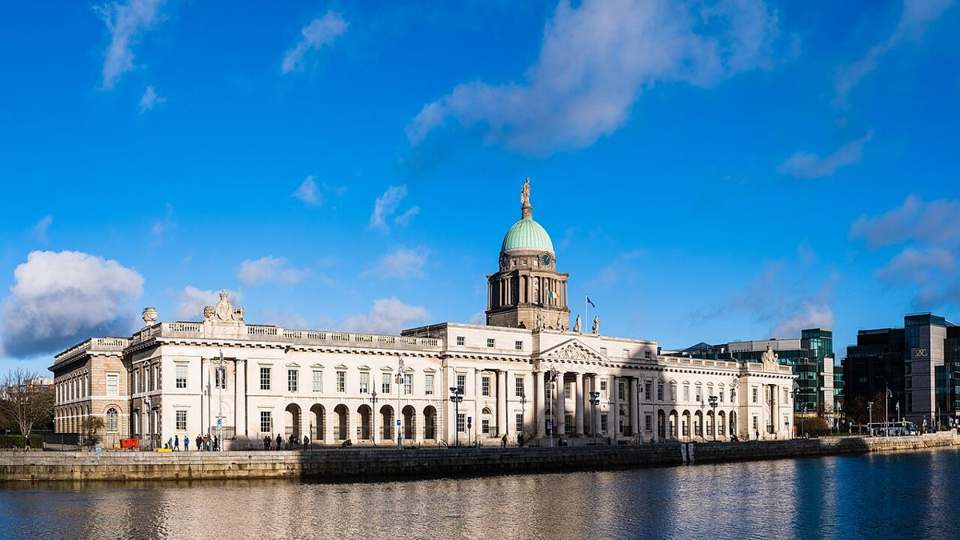
heritage
Give the Custom House more time than a photograph from the opposite quay. Its visitor centre connects the building’s architecture with the events that damaged and reshaped it, then sends you back outside with…
Open place page →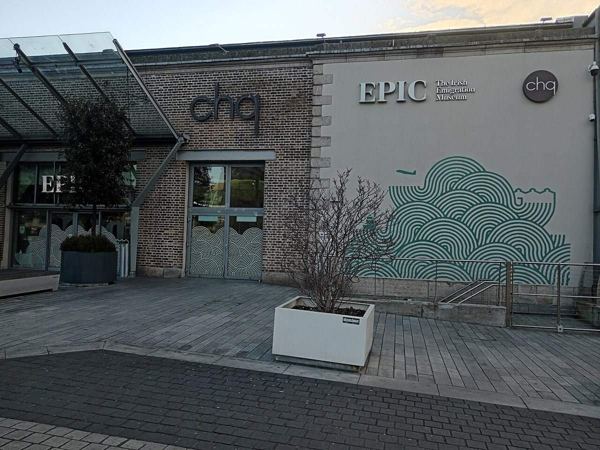
heritage
EPIC explores Irish emigration through interactive galleries in the CHQ building. It follows the reasons people left and the cultural, scientific and social influence of lives built abroad.
Open place page →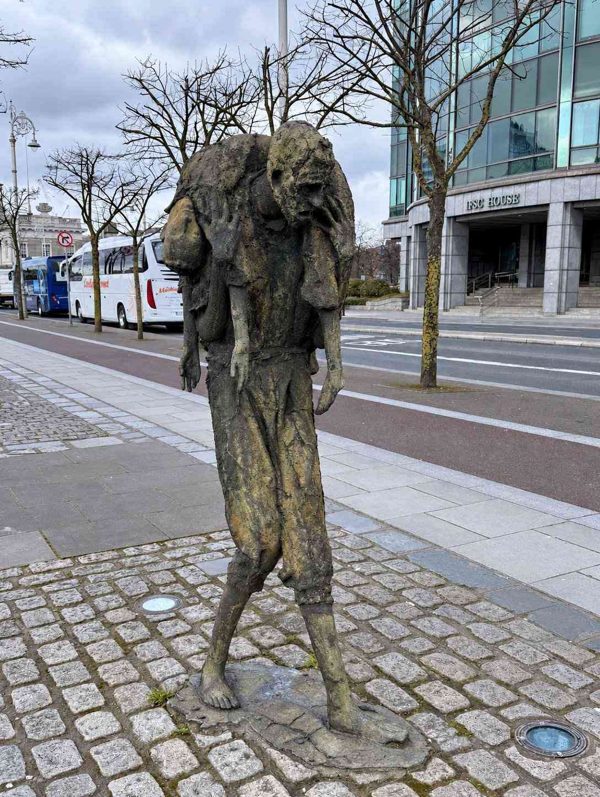
attraction
Rowan Gillespie’s public sculpture on Custom House Quay, a place for reflection on famine and emigration.
Open place page →Location & access
Joyce never lived in this house. It is a museum and cultural centre whose connections include people and places appearing in his writing. Only the ground floor is wheelchair accessible according to Visit Dublin; confirm your intended route if access to particular rooms matters.
53.35419, -6.25998 · Reference point; confirm the correct entrance and access. Map © OpenStreetMap contributors.
Orientation only: a verified public entrance is not established by this pin. Use the operator arrival information before travel.