The riverside composition
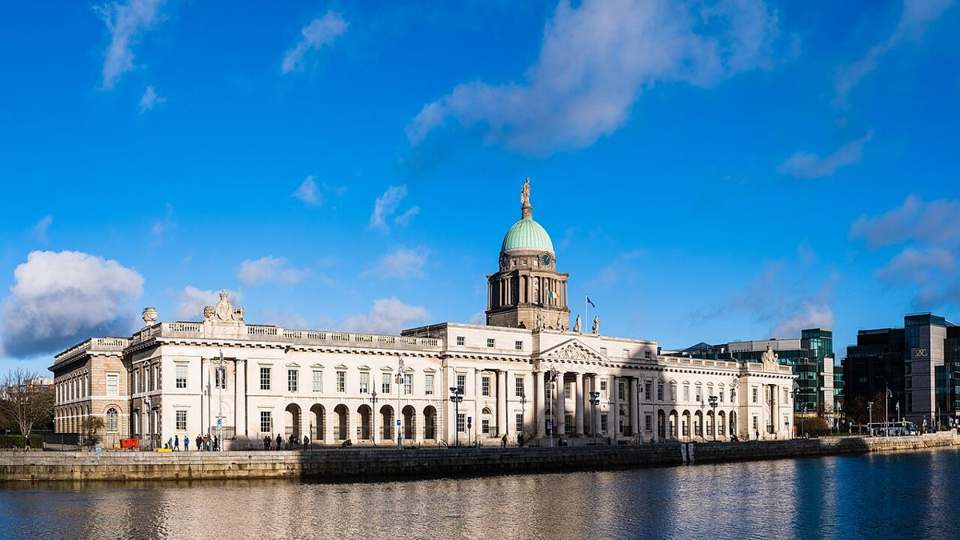
Compare the central dome and portico with the long wings beside them. Looking from across the Liffey helps reveal the full frontage before you study it at closer range.

heritage · Dublin
Give the Custom House more time than a photograph from the opposite quay. Its visitor centre connects the building’s architecture with the events that damaged and reshaped it, then sends you back outside with details to look for along the facade.
From research
Choose this stop for a compact introduction to architecture, government and the War of Independence in one building. Look at the exterior before entering, follow the exhibition, then return to the river-facing side to connect the story with the stonework.
Know before you book: Choose between guided and self-guided admission. Plan for the designated visitor-centre route: a ticket does not establish access to government offices or every room. For mobility access, the OPW asks for contact at least three days ahead.
Place highlights
Compare the central dome and portico with the long wings beside them. Looking from across the Liffey helps reveal the full frontage before you study it at closer range.
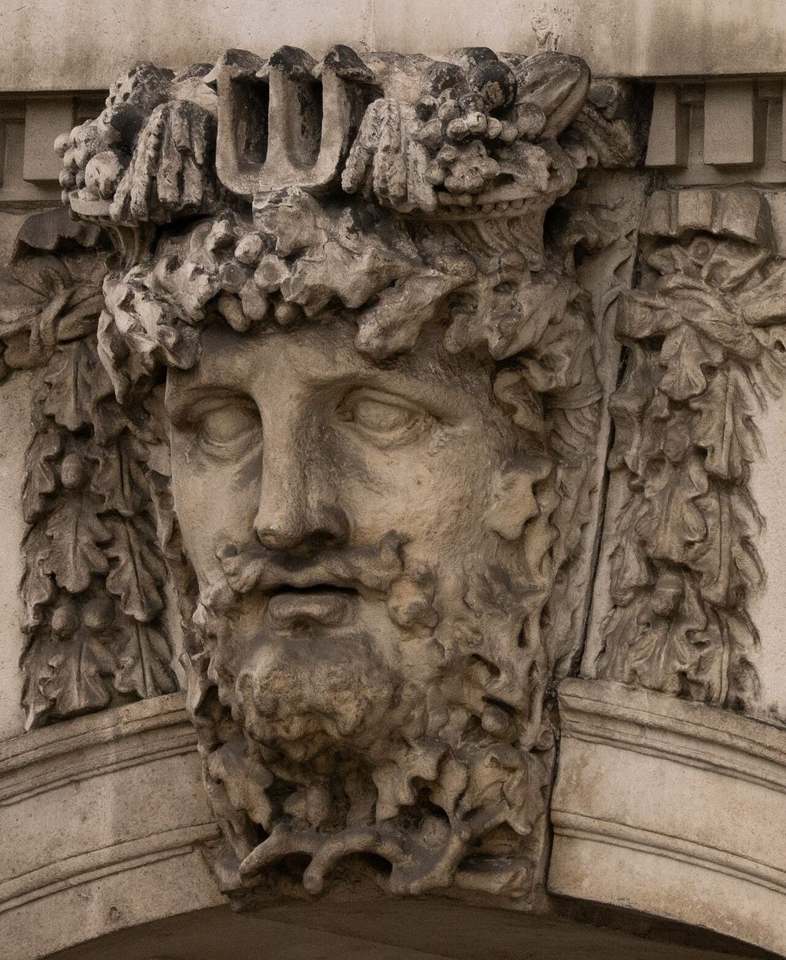
Look for Edward Smyth’s carved heads among the exterior details. These are architectural sculptures rather than a separate attraction; use the visitor interpretation to understand their symbolism.
Follow the building’s story through its construction, the fire and its restoration. Visit Dublin describes audio, visual and interactive interpretation, with guided and self-guided ways to explore.
The story behind the visit
James Gandon’s Custom House was completed in 1791 after a decade of construction. It began as the headquarters of the Commissioners of Custom and Excise, while local government became its dominant role by the early twentieth century. Source ↗
The building was devastated by fire in May 1921 during the War of Independence. The National Inventory of Architectural Heritage records its rebuilding in the 1920s, including the reconstructed cupola. The restored silhouette therefore carries a later chapter as well as Gandon’s original design. Source ↗
The present visitor experience opened in November 2021. Developed by the Department of Housing, the OPW and Fáilte Ireland, it uses a chronological exhibition to connect the building with the people and events around it. The centre occupies the building’s central area, with public access from Custom House Quay. Source ↗
Visitor information
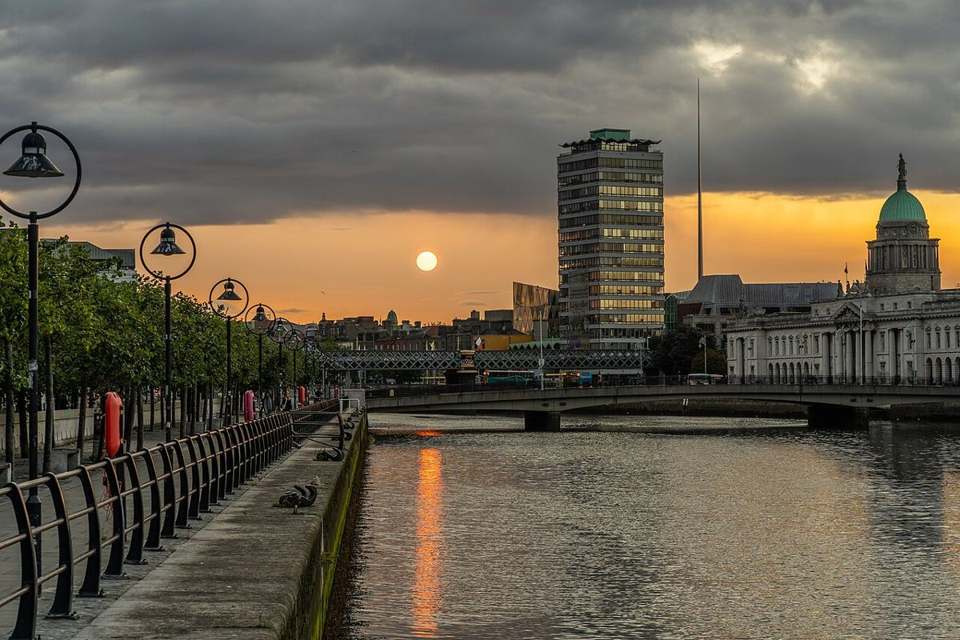
Use Custom House Quay, Dublin 1, D01 W6X0, on the north bank of the Liffey between Butt Bridge and Talbot Memorial Bridge. The official map point locates the building, not an independently verified entrance; follow the visitor-centre signs and any access arrangements agreed with staff. Official visitor information ↗
Confirm current access and visitor arrangements with the operator.
No. The OPW offers guided and self-guided admission at different prices. Select the visit type that suits you. Source ↗
The visitor experience occupies the central area described in the official launch information. Follow its designated public route rather than assuming wider office access. Source ↗
You can decide to look at the building from public streets, but the planned 90-minute visit is for the visitor-centre experience and some exterior viewing. Source ↗
Nearby options
Explore other places in the area, then use live directions to plan your journey.
attraction
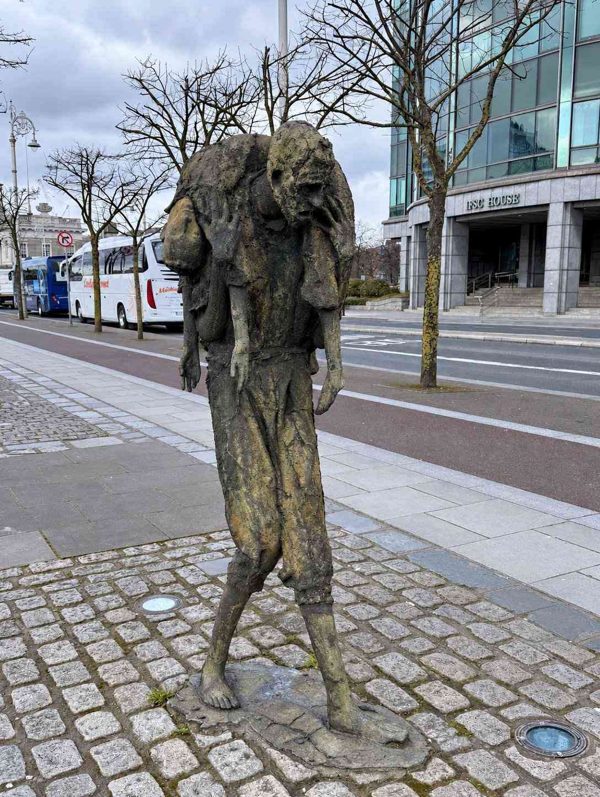
Rowan Gillespie’s public sculpture on Custom House Quay, a place for reflection on famine and emigration.
Open place page →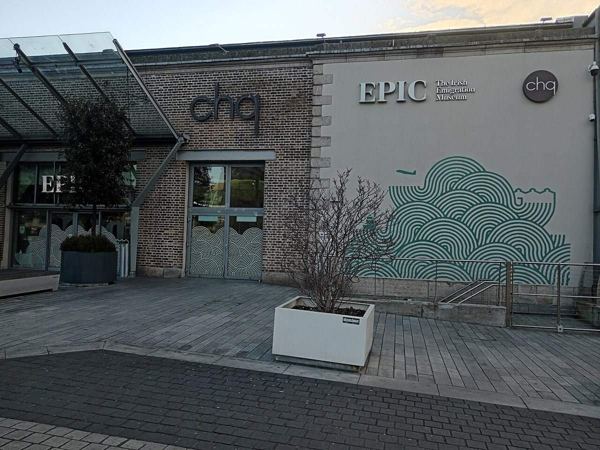
heritage
EPIC explores Irish emigration through interactive galleries in the CHQ building. It follows the reasons people left and the cultural, scientific and social influence of lives built abroad.
Open place page →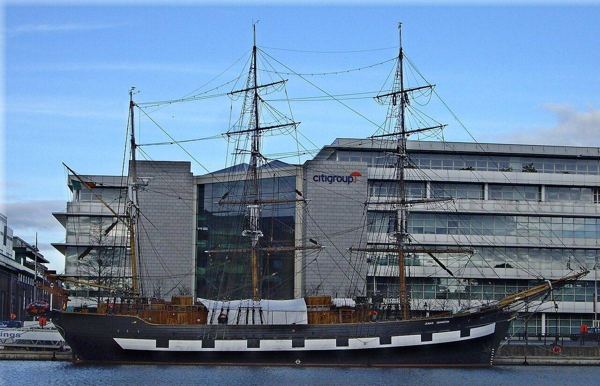
heritage
Board a replica emigrant ship for a guided account of the people who crossed the Atlantic during the Great Famine. The physical setting makes a useful companion to EPIC’s broader migration story.
Open place page →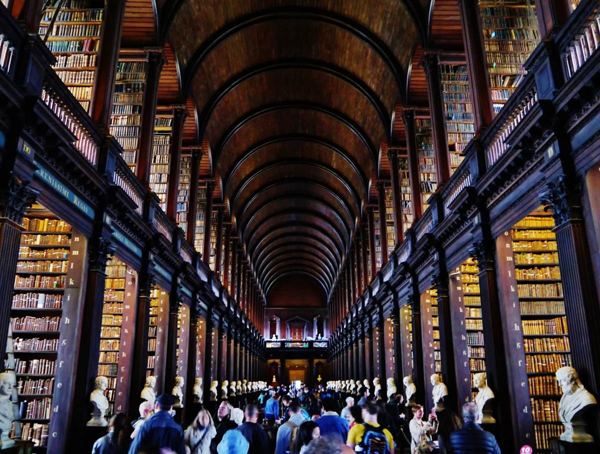
heritage
See a 1,200-year-old illuminated manuscript, walk through the Old Library's Long Room and decide whether the newer digital exhibition is worth adding to your Dublin day.
Open place page →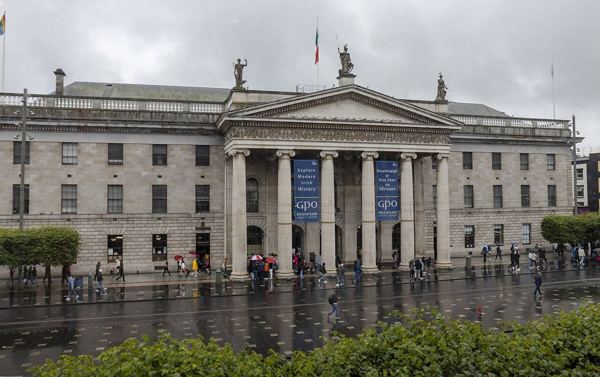
heritage
Explore the Easter Rising from the building that became its headquarters. The GPO Museum combines objects, film and interactive interpretation beneath a working Dublin landmark.
Open place page →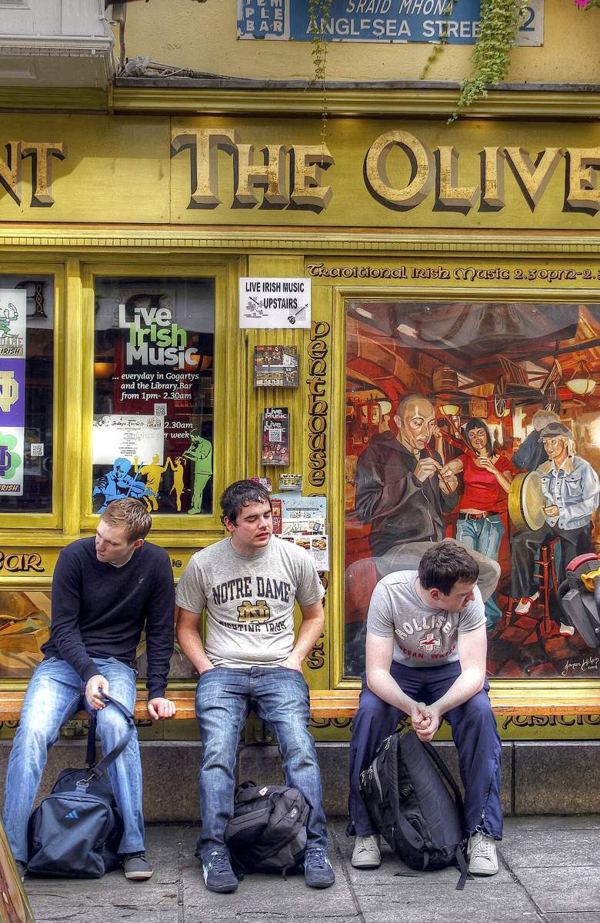
city
Explore Temple Bar as a small cultural neighbourhood: public art in the lanes, photography on Meeting House Square and a film at the IFI can make a better afternoon than simply following the busiest pub…
Open place page →Location & access
Choose between guided and self-guided admission. Plan for the designated visitor-centre route: a ticket does not establish access to government offices or every room. For mobility access, the OPW asks for contact at least three days ahead.
53.34837, -6.25313 · Reference point; confirm the correct entrance and access. Map © OpenStreetMap contributors.
Orientation only: a verified public entrance is not established by this pin. Use the operator arrival information before travel.