Skip to content
TheLazyNick

heritage · Galway

Clifden Castle

Clifden Castle’s front entrance has a steep drop; keep this an exterior ruin visit on the permitted approach. The surviving shell is a nineteenth-century Gothic Revival house built for John D’Arcy, rather than a medieval fortress. Its setting and decorative standing stones add interest, with fragile fabric requiring care throughout the visit.

Add to planSaved trips & places

Saved on this browser. No account needed.

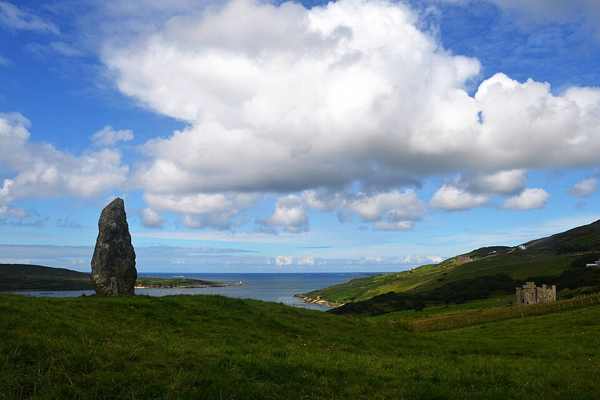
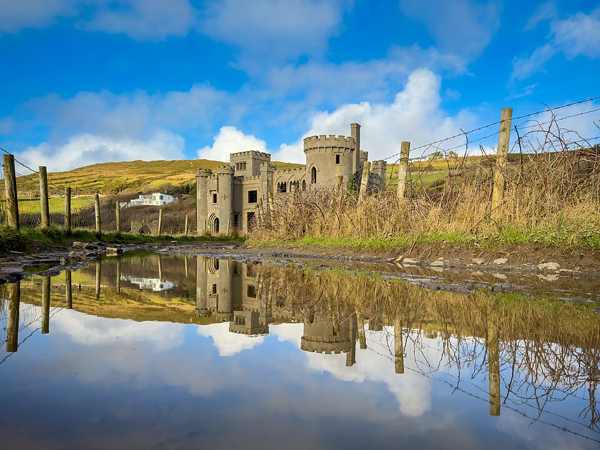
The ruined Gothic Revival house at Clifden Castle
The ruined Gothic Revival house at Clifden Castle Photo: Michael Deligan ↗ · CC BY-SA 4.0

From research

Is this worth your time?

Choose Clifden Castle for an outdoor architectural walk when ground conditions and daylight suit your party. The ruined house rewards looking from a safe distance rather than trying to reach upper levels or enter unstable spaces. Follow the permitted route, respect any closure and private-land signs, and leave enough time for the return walk.

Know before you book: Dangerous front entrance and fragile ruin: do not climb walls, enter unstable spaces or cross a closed or private route.

Place highlights

What you will actually see

01

The Gothic Revival shell

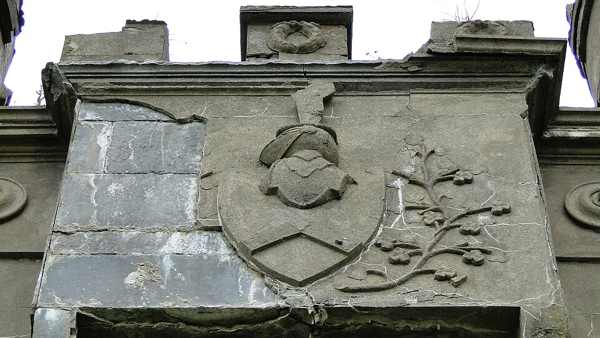
Look at the silhouette and surviving architectural forms from safe ground. This was designed as a country house in a revival style, so its castle-like appearance should not be mistaken for evidence of a medieval fortress. Keep clear of openings, loose masonry and any area that appears unstable.

02

Decorative standing stones

John D’Arcy erected standing stones on the property to imitate older monuments elsewhere in Ireland. View any visible examples from the permitted route, leaving them untouched. Their interest belongs to the designed nineteenth-century setting, not to an assumption that they are prehistoric archaeological remains.

03

The wider setting

The walk and landscape are part of the outdoor experience, but the route crosses a property with its own access conditions. Follow signs and turn back if the approach is closed. Do not improvise a route across fields or use the ruined building as a shortcut or shelter.

The story behind the visit

The story behind the place

John D’Arcy built Clifden Castle between 1812 and 1815 in the Gothic Revival style. Despite its name and ruined appearance, it is a nineteenth-century house rather than a surviving medieval stronghold. The decorative standing stones belong to the same interest in an evocative landscape: D’Arcy had them erected to imitate ancient monuments. Keeping their origin in mind allows visitors to appreciate the designed setting without assigning the stones an archaeological age they do not possess. Source ↗

The house declined during the later nineteenth century as famine and changes in the D’Arcy family’s fortunes affected the property. It eventually became a bare shell, with materials removed during its deterioration. The surviving ruin therefore shows both the original architectural ambition and the consequences of later loss. Earlier photographs of the house appear in local history books and the town library, offering a way to see the building before its losses became so extensive. An exterior visit can still reveal the character of the house while respecting the fragility of the remains and the restrictions of the approach. Source ↗

Visitor information

Tickets, timing and access

Opening
Outdoor visit in daylight only when the permitted approach is open; obey closure and private-land signs.Confirm with the operator ↗
Admission
No staffed interior tour is included in this exterior ruin visit.Confirm with the operator ↗
Booking
Check local visitor information for current approach conditions before making a special trip.Confirm with the operator ↗
Access
The front entrance has a steep drop. Stay outside unsafe spaces and never climb the ruin.Confirm with the operator ↗
Duration
Allow about 75 minutes for the approach, exterior and return, depending on your starting point.Confirm with the operator ↗
Seasonal
Wet ground and short winter daylight can make the outdoor approach unsuitable.Confirm with the operator ↗

Getting to the entrance

Use the named Clifden Castle location at Clifden Demesne and the permitted visitor approach. Do not treat the orientation pin as parking or permission to cross fields. Official visitor information ↗

Your questions, answered

Confirm current access and visitor arrangements with the operator.

Are the standing stones prehistoric?

No. John D’Arcy erected them to imitate older standing stones. Source ↗

Can I use the front doorway to enter the house?

The front entrance has a steep drop. Keep to a safe exterior view and avoid the front entrance. Source ↗

Nearby options

Nearby places to explore

Explore other places in the area, then use live directions to plan your journey.

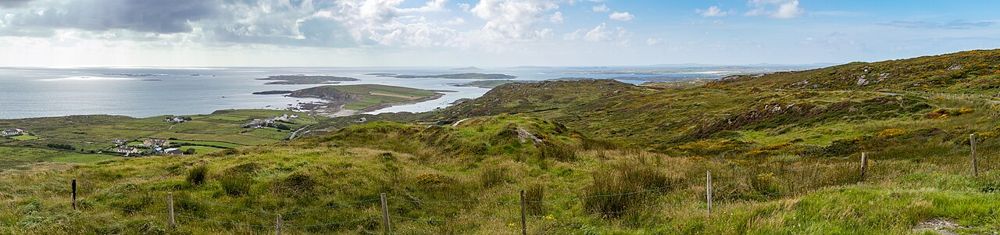
Coastal panorama from the Sky Road near Clifden
Coastal panorama from the Sky Road near Clifden. Source photograph; conditions and access may have changed. Photo: Superbass ↗ · CC BY-SA 4.0

coast

Sky Road, Clifden

The Sky Road climbs away from Clifden into a view of bays, small islands and the Connemara coastline. Its reward is the widening perspective, not a single building at the end. It suits a clear-weather pause…

Open place page →
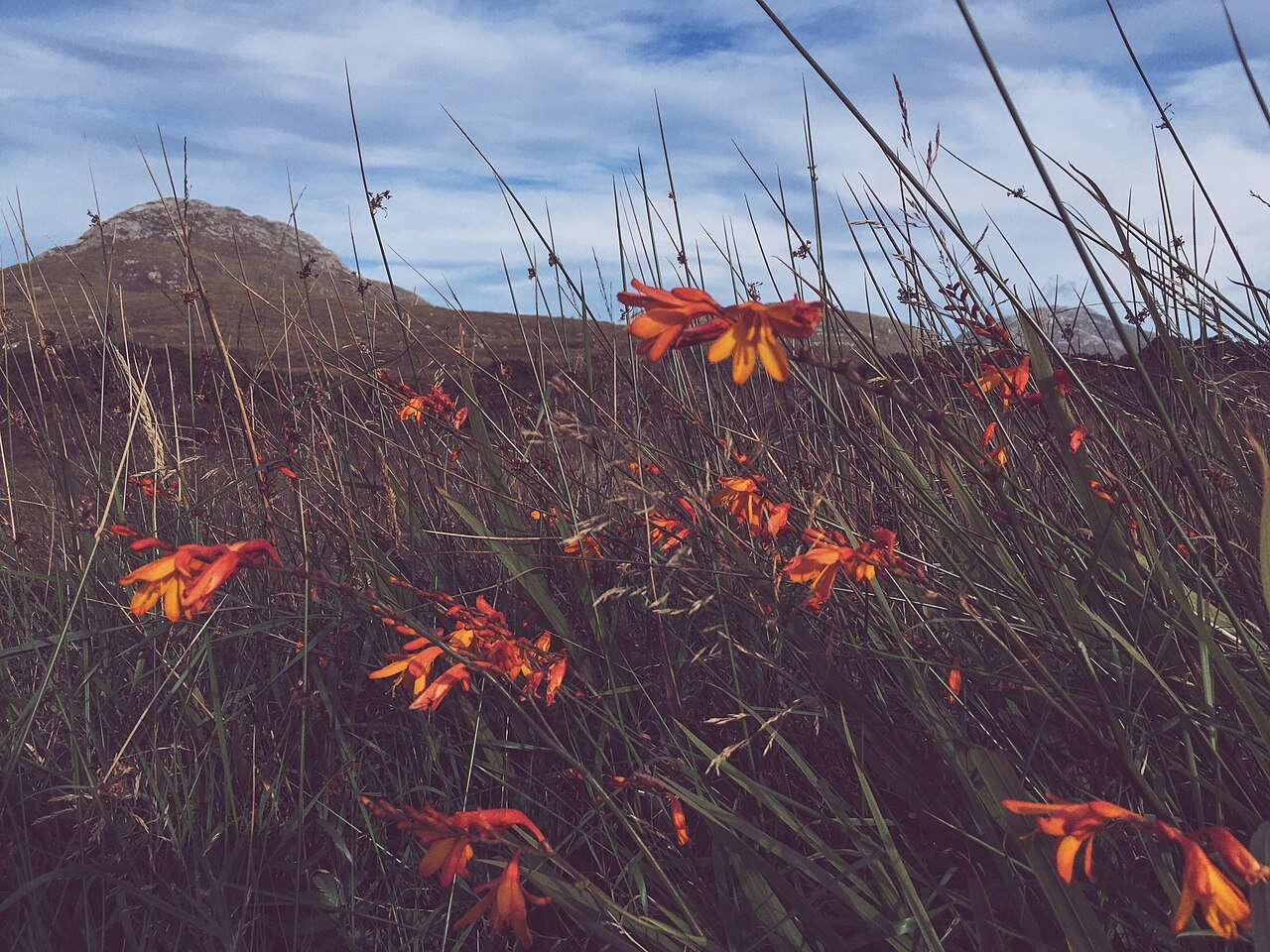
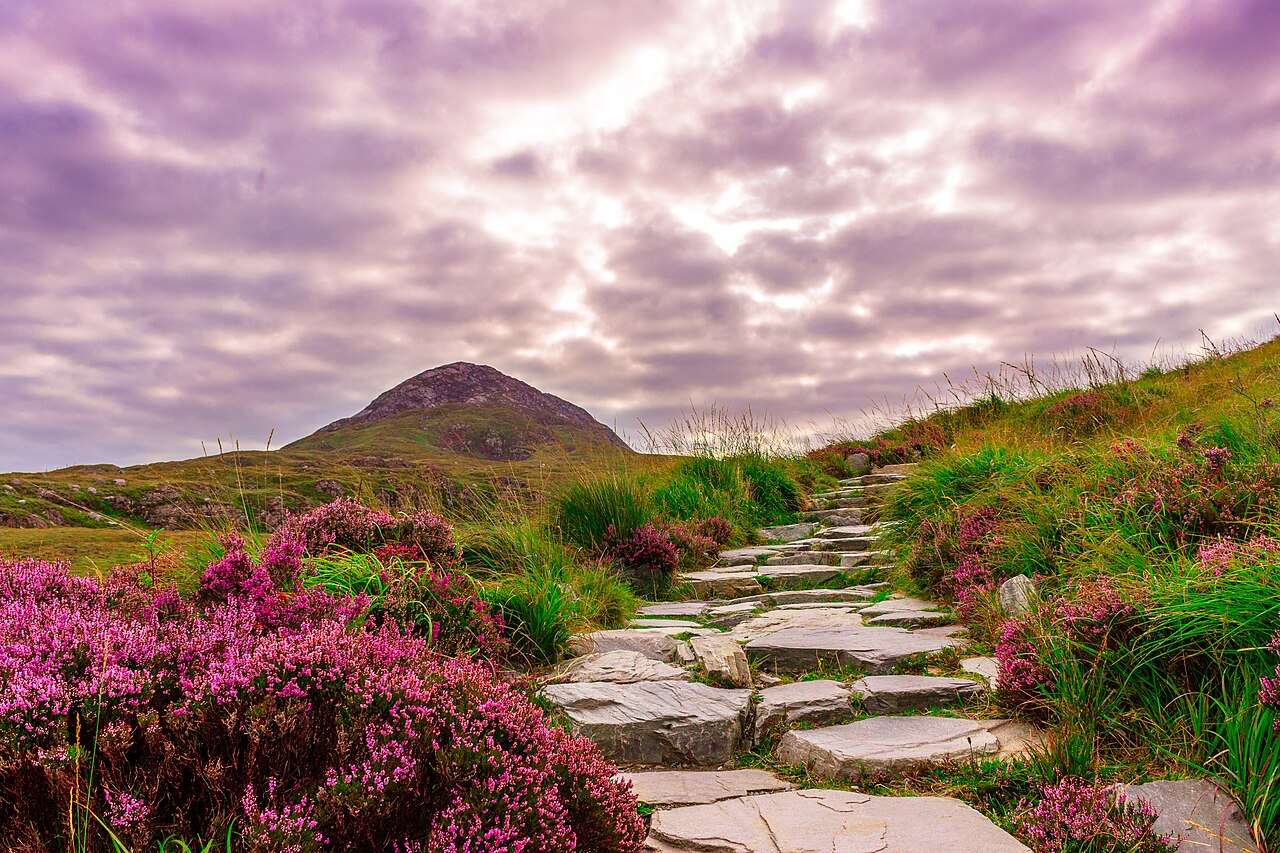
Stone path climbing Diamond Hill in Connemara
Stone path on Diamond Hill in Connemara. Historical source photograph; current trail access and conditions may differ. Photo: Jonas_Fehre ↗ · CC0

nature

Diamond Hill

Diamond Hill offers a clearly defined way into Connemara’s upland landscape, with lower and upper walking options that should be chosen for the day’s conditions.

Open place page →
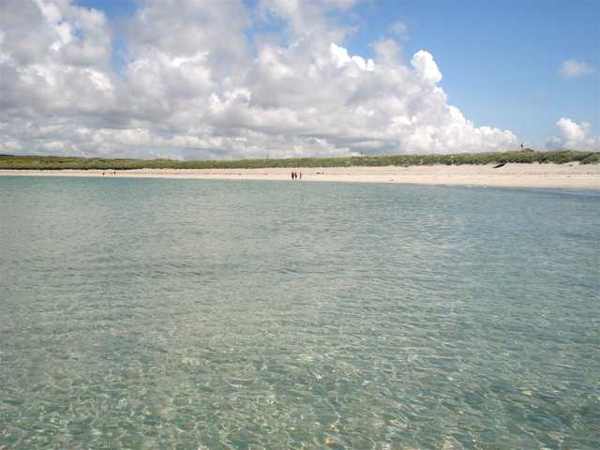
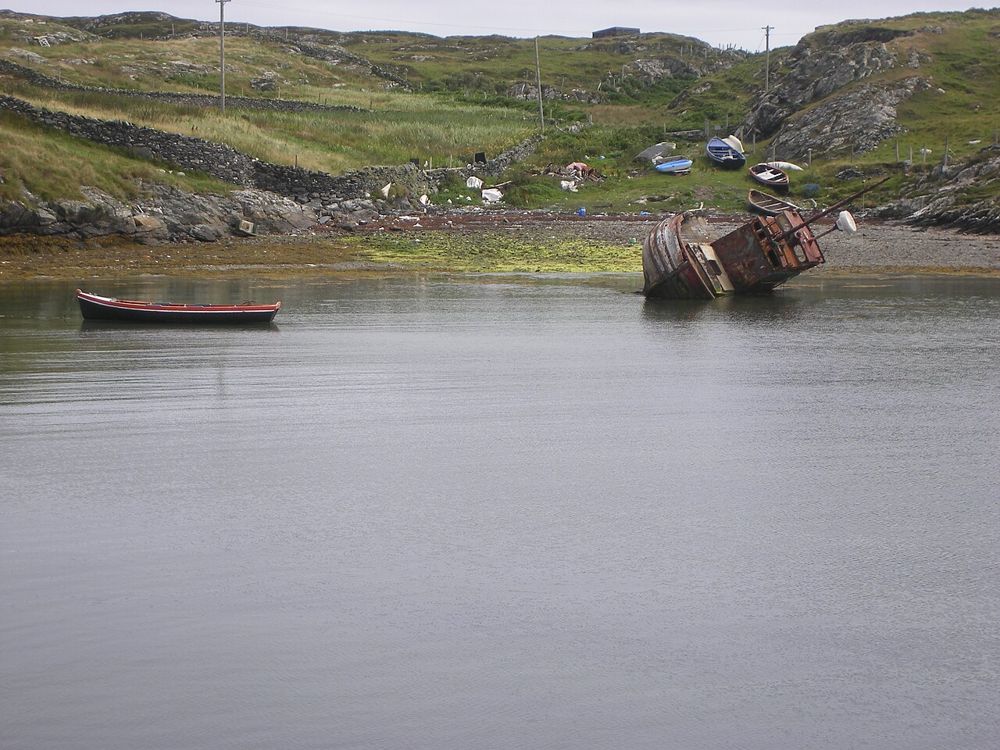
Harbour and shoreline on Galway’s Inishbofin Island
Harbour and shoreline on Galway’s Inishbofin Island. Source photograph; conditions and access may have changed. Photo: Alvaro ↗ · CC BY 2.5

coast

Inishbofin Island, Galway

Inishbofin begins with a crossing from Cleggan and rewards arriving with a small plan. Harbour life, island lanes and coastal walks provide enough interest without trying to march around every edge. This is a…

Open place page →

External visitor reviews

Find the matching listing and reviews on Google Maps ↗

Part of a bigger journey

Location & access

Getting your bearings

Dangerous front entrance and fragile ruin: do not climb walls, enter unstable spaces or cross a closed or private route.

53.49178, -10.05673 · Reference point; confirm the correct entrance and access. Map © OpenStreetMap contributors.

Orientation only: a verified public entrance is not established by this pin. Use the operator arrival information before travel.

Sources & place context

Browse more Ireland places →