From research
Is this worth your time?
Choose the North Cathedral for a layered account of Cork’s Catholic religious life and architectural change. Its present form contains rebuilding, extension and liturgical adaptation, so a careful visit looks for different phases rather than one untouched original design. The sculpture adds another focus, while the parish’s current religious purpose determines when and how sightseeing fits.
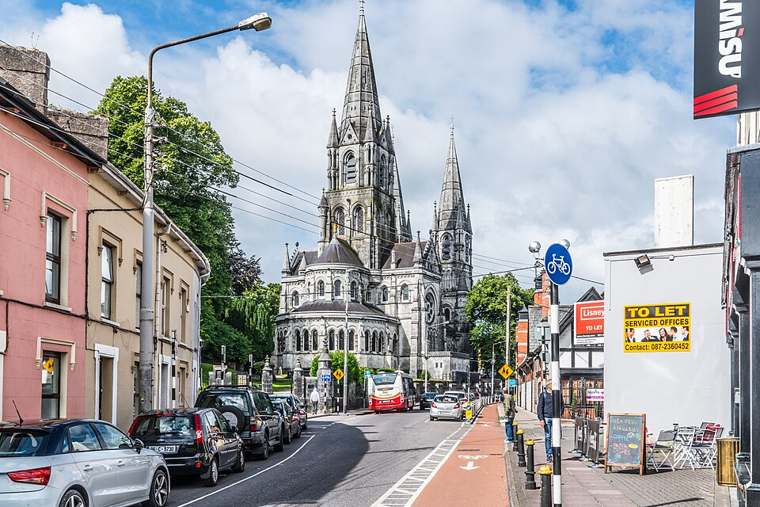
Know before you book: This is Cork’s Catholic North Cathedral, separate from Saint Fin Barre’s Cathedral and from St Anne’s Church at Shandon.
The story behind the visit
The story behind the place
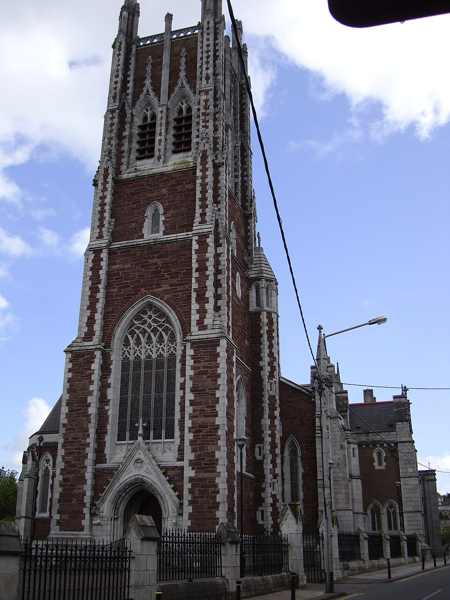
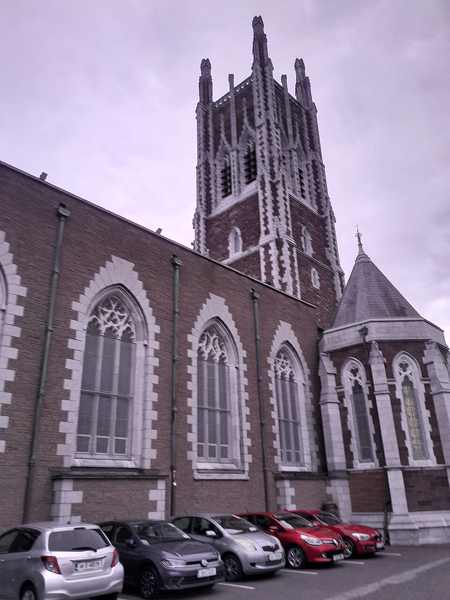
Construction of the cathedral began in 1799 and it was dedicated in 1808 under Bishop Francis Moylan. The parish history identifies sandstone with limestone dressings and an early Gothic Revival character. A severe fire in 1820 left the shell standing, after which architect George Pain directed rebuilding and extended the sanctuary. The cathedral reopened in 1828, meaning that its early nineteenth-century story already includes substantial loss, repair and redesign rather than a single uninterrupted building campaign. Source ↗
Later changes continued that process. John Hogan’s carved wooden saints and apostles, originally commissioned for the reredos, occupy a different setting today. A western tower followed in the nineteenth century, while twentieth-century extension changed the sanctuary again. The 1996 renovation and reordering, guided by architect Richard Hurley, sought to draw those elements into a more coherent whole and bring the congregation around the altar. These phases make the cathedral a record of changing needs in architecture and worship. The most rewarding approach is to connect a visible feature with its particular period, while recognising that the building remains a place of religious practice rather than a historical interior frozen at one date. Source ↗