Skip to content
TheLazyNick

heritage · Cork

Elizabeth Fort

Elizabeth Fort provides a compact way to read Cork from above and understand the defensive role of the hill south of the city centre. The courtyard is the easier part of the visit; the walls involve a steep stone climb.

Add to planSaved trips & places

Saved on this browser. No account needed.

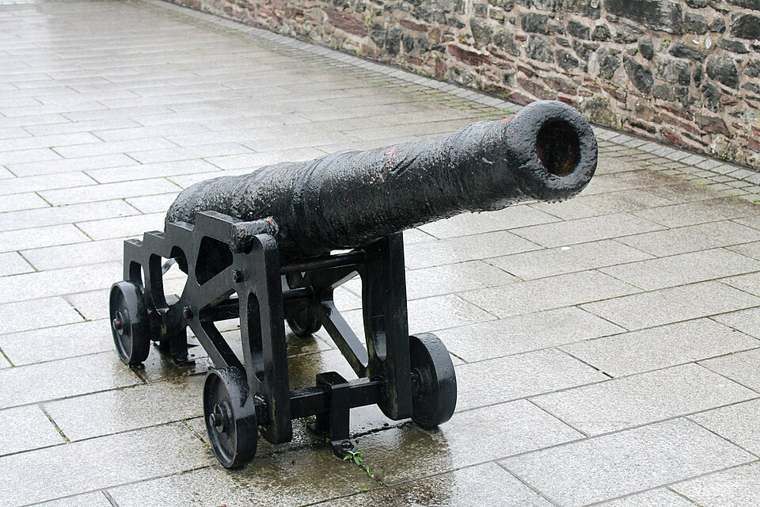
A cannon displayed at Elizabeth Fort.
A cannon displayed at Elizabeth Fort. Photo: Vimalkvn ↗ · CC BY-SA 4.0

From research

Is this worth your time?

Choose Elizabeth Fort for a compact look at Cork's fortified landscape close to the city centre. Decide whether you want the free general visit or a separately arranged guided option, and distinguish the courtyard from stair-accessed wall walks.

Know before you book: Winter Monday closure applies to the published timetable. Special evening events are separate from normal visiting hours.

Place highlights

What you will actually see

01

Ramparts and the city below

The view from the ramparts explains the strategic importance of the rocky site. Look outward towards the city before turning back to the enclosed space. The contrast between elevation and confinement is part of the fort’s meaning, connecting the defensive layout with the surrounding streets and buildings.

02

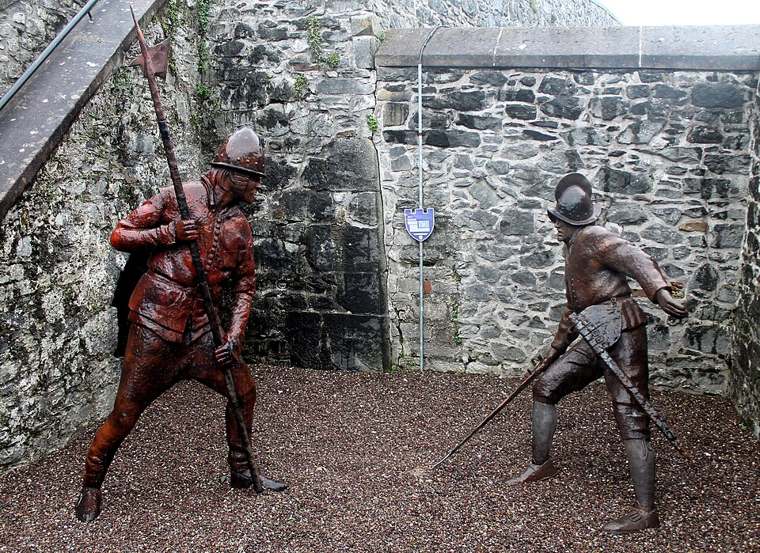
A courtyard with several histories

The buildings inside the walls belong to later uses as well as to the fort’s original military purpose. Read the interpretation for the transition from soldiers to prisoners and police. This approach makes the site’s long working life visible without assuming that every surviving structure dates from its seventeenth-century rebuilding.

The story behind the visit

A fort above Cork’s changing city

Elizabeth Fort was first constructed in 1601, when the English administration sought stronger control of Cork during a period of conflict. After an attack by townspeople in 1603, it was repaired, then substantially rebuilt in stone in 1624–26. Much of that later star-shaped work survives. The position above the city is fundamental to its history: the fort was intended to oversee a place below it, not merely defend its own enclosure. Source ↗

The site’s later uses connect military history with confinement, policing and relief. It served as a convict depot before transportation, became an RIC station and was used as a food depot during the Great Famine. A Garda station followed in the twentieth century and remained in use until 2013. These changes make the courtyard a record of changing institutions, rather than a setting that belongs exclusively to one siege. Source ↗

Visitor information

Tickets, timing and access

Opening and seasonal access
October–April: Tuesday–Saturday 10:00–17:00; Sunday 12:00–17:00. Monday opening is listed only for May–September.Confirm with the operator ↗
Admission
General admission is free. Guided tours and audio guides are paid options; confirm current ticket prices when booking.Confirm with the operator ↗
Booking
Council offers online guided-tour booking. Groups should arrange their visit in advance, especially larger groups.Confirm with the operator ↗
Physical access
Courtyard wheelchair access and an accessible toilet are listed. Walls require a small, steep stone staircase.Confirm with the operator ↗
Time to allow
Allow 45–60 minutes as a planning estimate; add the selected guided tour if booked.Confirm with the operator ↗
Seasonal notes
Winter Monday closure applies to the published timetable. Special evening events are separate from normal visiting hours.Confirm with the operator ↗

Getting to the entrance

Elizabeth Fort, Barrack Street, Cork City, T 12C 8A 0. Use the signed public entrance rather than a map point against an exterior wall. Official visitor information ↗

Your questions, answered

Confirm current access and visitor arrangements with the operator.

Do I need to book this visit?

Council offers online guided-tour booking. Groups should arrange their visit in advance, especially larger groups. Source ↗

What should I know about physical access?

Courtyard wheelchair access and an accessible toilet are listed. Walls require a small, steep stone staircase. Source ↗

Nearby options

Nearby places to explore

Explore other places in the area, then use live directions to plan your journey.

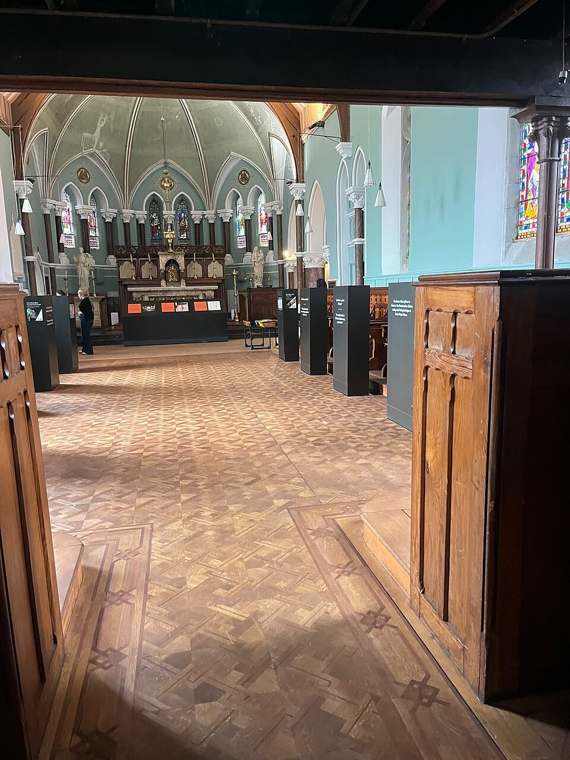
The church interior at Nano Nagle Place in Cork.
The church interior at Nano Nagle Place in Cork. Photo: Luaslou ↗ · CC BY-SA 4.0

heritage

Nano Nagle Place

Nano Nagle Place joins a museum of education and social change with gardens and an active community setting. It offers a quieter way into Cork’s history, with paid interpretation inside and outdoor spaces that…

Open place page →
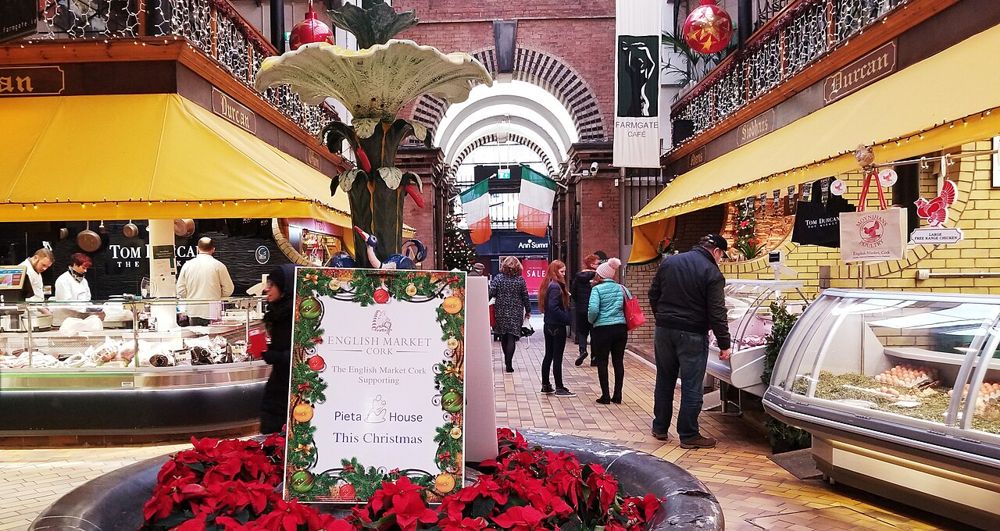
The covered interior of Cork’s English Market
The covered interior of Cork’s English Market. Source photograph; conditions and access may have changed. Resized from the credited original. Photo: Dan Curran ↗ · CC BY-SA 4.0

attraction

The English Market

The best way to visit the English Market is to behave a little more like a shopper. Look at what is being sold, leave room at the counters and buy something that interests you. A short, attentive browse gives…

Open place page →
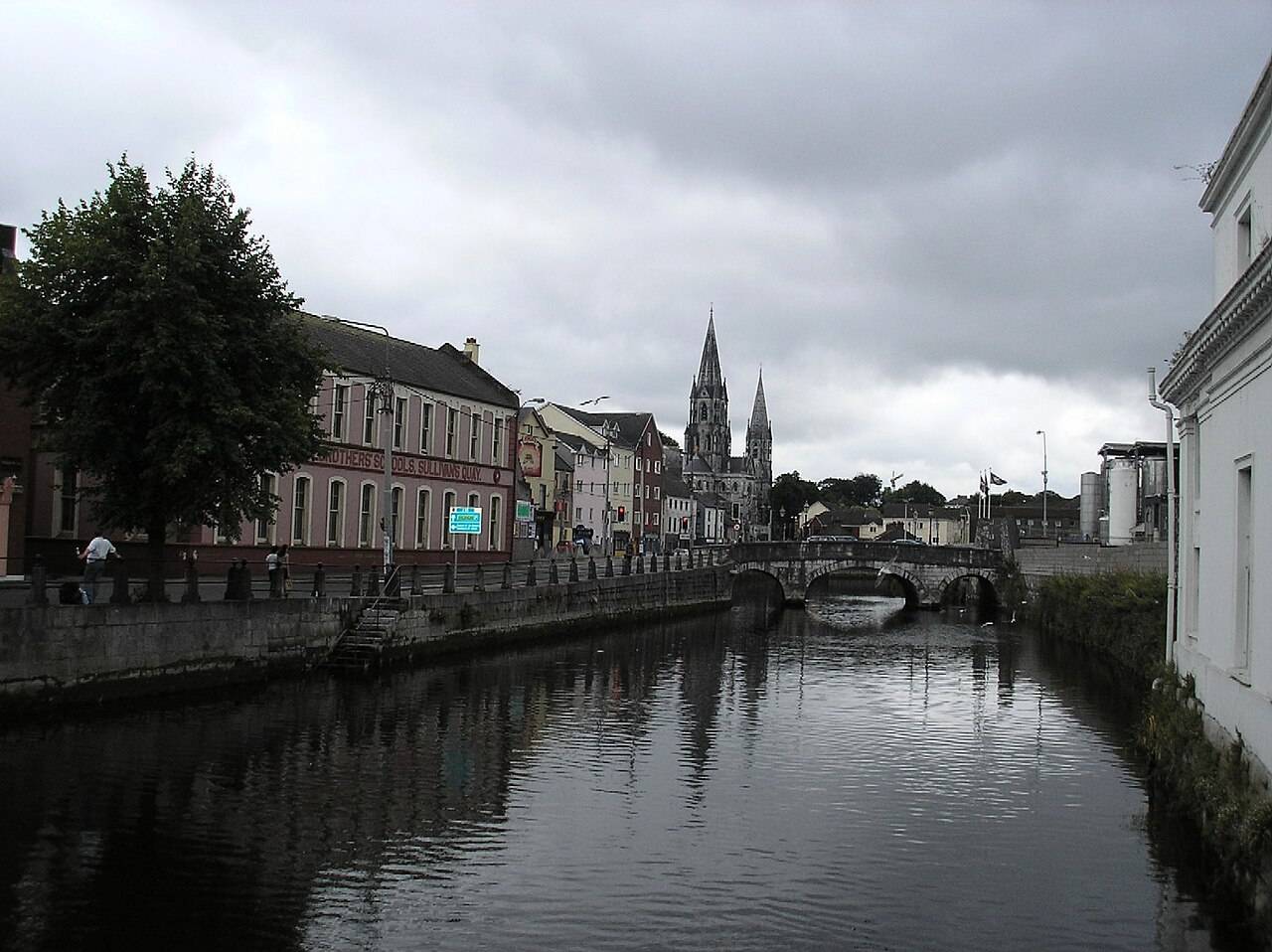
River Lee and buildings in Cork city
River Lee and buildings in Cork city. Source photograph; current access and conditions may differ. Photo: Valdoria ↗ · Public domain

city

Cork City

Cork City offers a compact urban break built around streets, food-market culture and the relationship between the centre, the river channels and the hills beyond.

Open place page →

External visitor reviews

Find the matching listing and reviews on Google Maps ↗

Part of a bigger journey

Location & access

Getting your bearings

Winter Monday closure applies to the published timetable. Special evening events are separate from normal visiting hours.

51.89442, -8.47745 · Reference point; confirm the correct entrance and access. Map © OpenStreetMap contributors.

Orientation only: a verified public entrance is not established by this pin. Use the operator arrival information before travel.

Sources & place context

Browse more Ireland places →