Tools of production
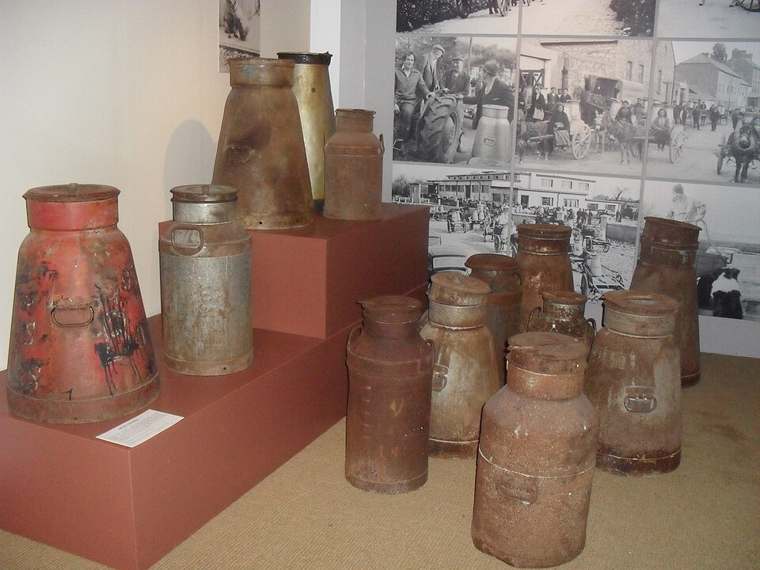
Look at the shapes and working parts of the butter-making artefacts. Consider which tasks each object performed and how changes in equipment would have affected the people making butter at home or commercially.

heritage · Cork
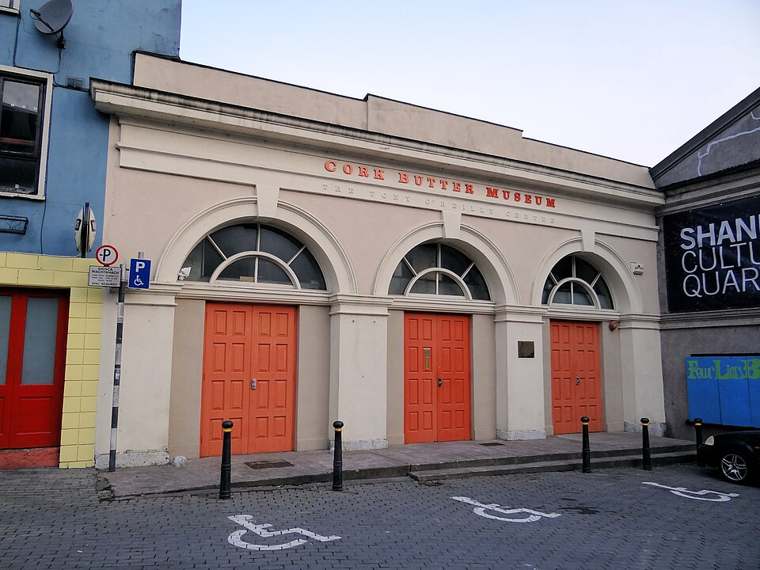
The Butter Museum makes Cork’s trading history tangible through an everyday food. Its small scale suits visitors who would rather understand how butter was made, packaged and sold than add another grand house to the day.
From research
Choose this small museum for a different thread of Cork history: butter production, trade and the objects that accompanied them. It is a focused indoor stop that pairs naturally with time in the Shandon area.
Know before you book: January/February have weekend-only hours; other months differ. Demonstration timing and seating should be checked directly.
Place highlights
Look at the shapes and working parts of the butter-making artefacts. Consider which tasks each object performed and how changes in equipment would have affected the people making butter at home or commercially.
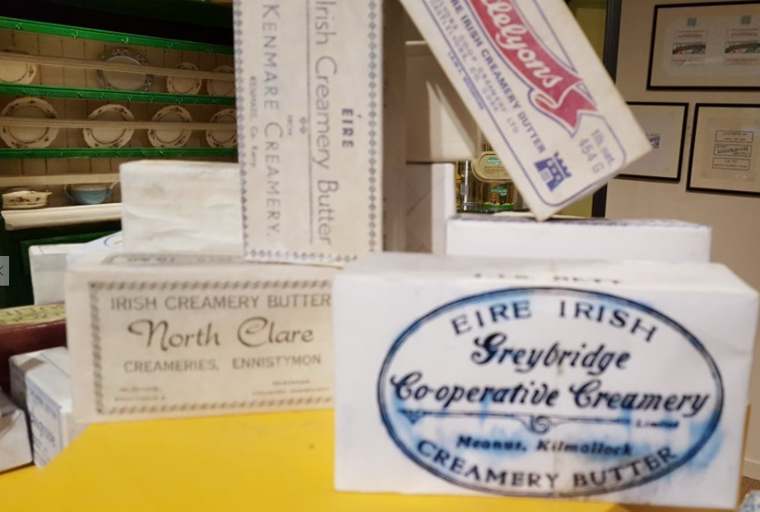
Spend time with the printed wrappers rather than glancing at them as decoration. Compare typography, producer names and regional references: small differences reveal how a familiar food carried a particular place or business identity.
A demonstration, when available, connects the displayed tools with a physical process. Watch how the material changes and ask about the stages involved; the practical experience gives the historical objects a clearer purpose.
The story behind the visit
The museum’s objects turn butter from a familiar food into a subject of production, trade and changing household habits. Equipment and packaging offer different ways into that story: one shows how a product was made, the other how it was identified and sold. This is a useful place to look closely at ordinary materials that might otherwise be discarded, and to think about the labour behind an everyday purchase. Source ↗
The wrapper collection is particularly revealing. Its surviving designs come from creameries, shops and dairy farms, recording local identities as well as changes in branding and food standards. Names, lettering and claims about purity become evidence of how producers addressed shoppers. The museum has also worked with University College Cork students to digitise wrappers for the Digital Repository of Ireland, extending their preservation beyond the display case. Source ↗
Visitor information
O’Connell Square, Shandon, Cork, T 23H 004. Choose the approach to suit your mobility rather than assuming the shortest walking route is step-free. Official visitor information ↗
Confirm current access and visitor arrangements with the operator.
Ordinary museum tickets are available online. Butter demonstrations cannot be prepaid or reserved; seating is limited and offered on arrival. Groups of 10 or more should arrange a visit ahead. Source ↗
Operator lists step-free museum access and a visitor lift, but no large-format wheelchair bathroom. Hill approaches and some pavements are difficult; the Pope’s Quay–Dominic Street route has steps. Source ↗
Nearby options
Explore other places in the area, then use live directions to plan your journey.
heritage
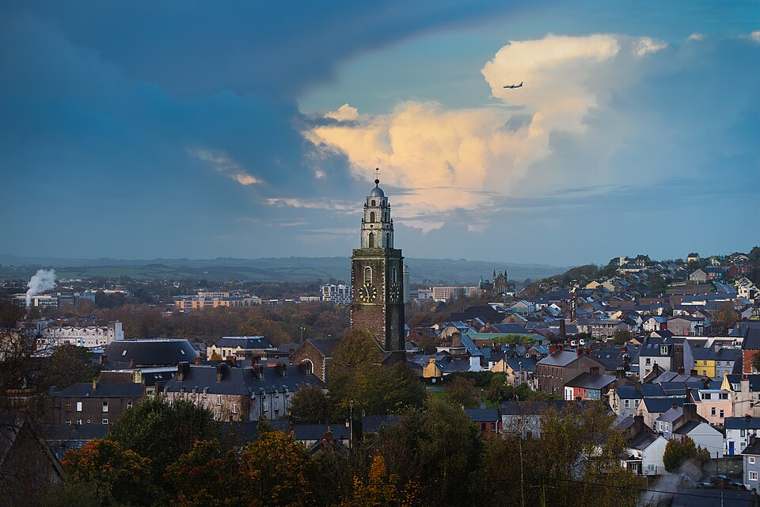
St Anne’s places a working church beneath one of Cork’s most recognisable towers. Choose between a church-only visit and the narrow stair climb. The current tower experience is a climb for the view, with bell…
Open place page →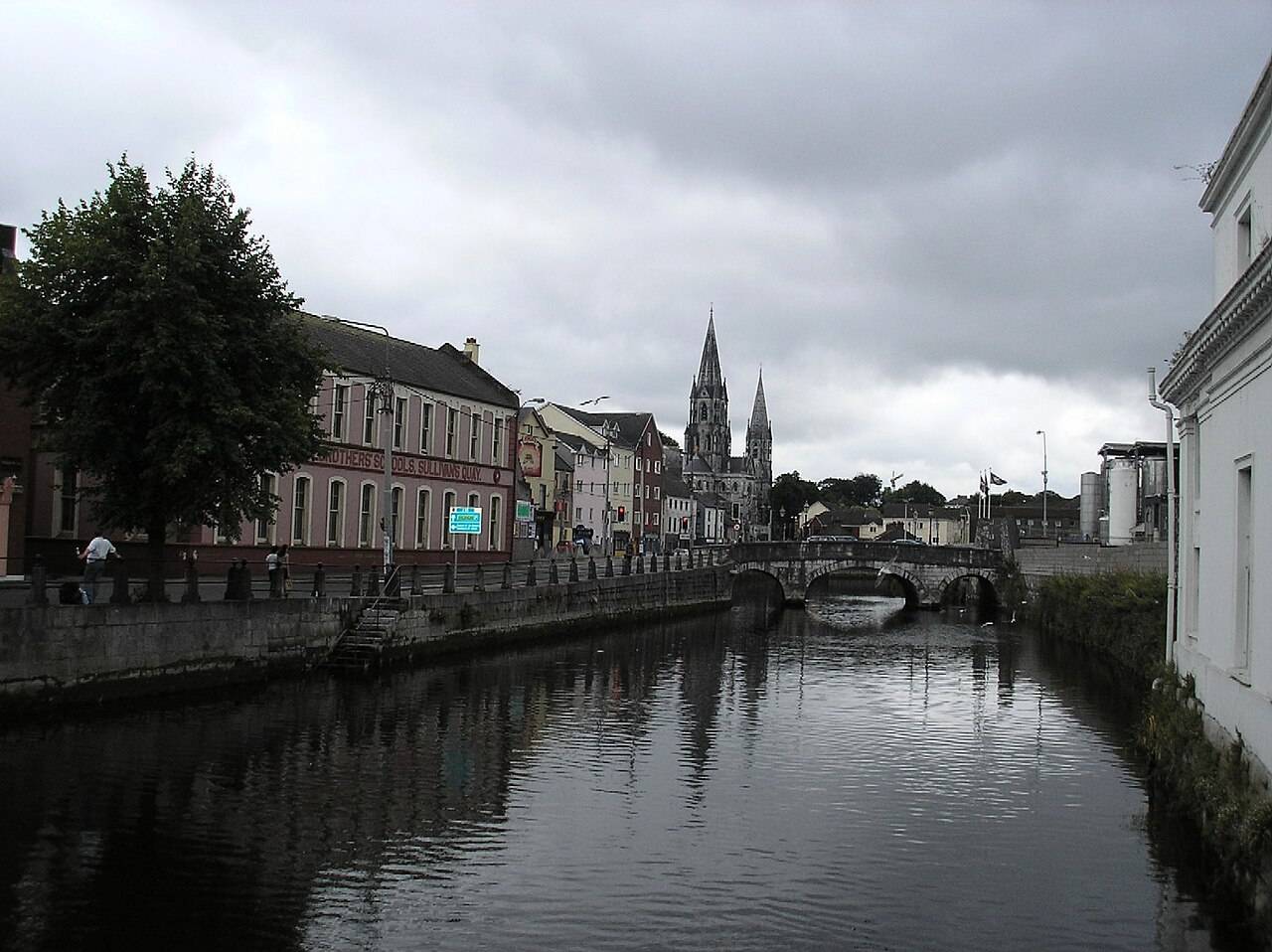
city
Cork City offers a compact urban break built around streets, food-market culture and the relationship between the centre, the river channels and the hills beyond.
Open place page →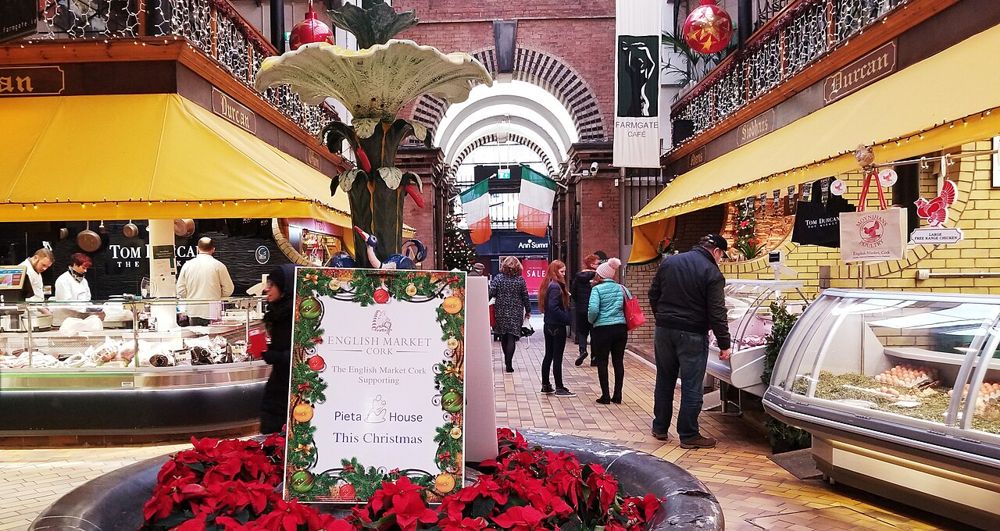
attraction
The best way to visit the English Market is to behave a little more like a shopper. Look at what is being sold, leave room at the counters and buy something that interests you. A short, attentive browse gives…
Open place page →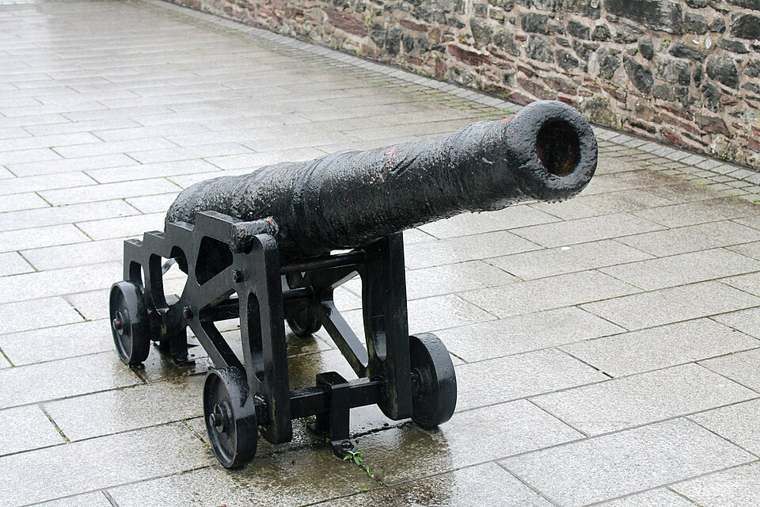
heritage
Elizabeth Fort provides a compact way to read Cork from above and understand the defensive role of the hill south of the city centre. The courtyard is the easier part of the visit; the walls involve a steep…
Open place page →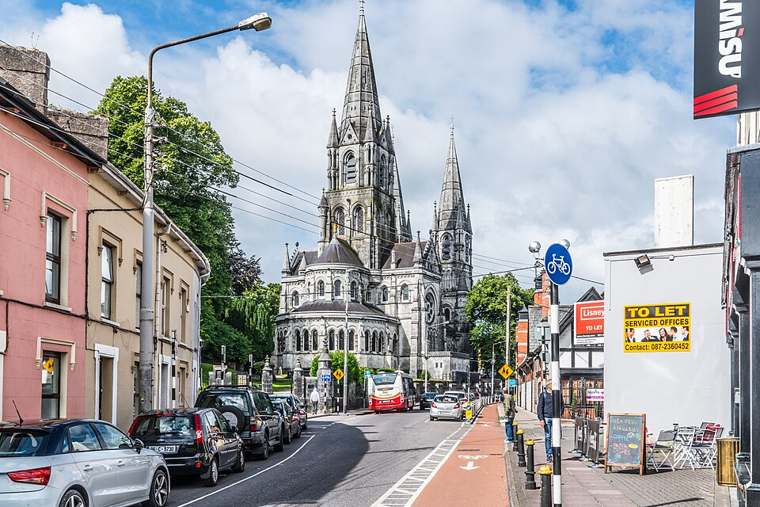
heritage
William Burges’ nineteenth-century cathedral is a richly detailed Cork landmark, with carved stone, stained glass and carefully designed interiors. It remains an active place of worship, so sightseeing hours…
Open place page →
heritage
Nano Nagle Place joins a museum of education and social change with gardens and an active community setting. It offers a quieter way into Cork’s history, with paid interpretation inside and outdoor spaces that…
Open place page →Location & access
January/February have weekend-only hours; other months differ. Demonstration timing and seating should be checked directly.
51.90276, -8.47673 · Reference point; confirm the correct entrance and access. Map © OpenStreetMap contributors.
Orientation only: a verified public entrance is not established by this pin. Use the operator arrival information before travel.