Exterior stone and spires
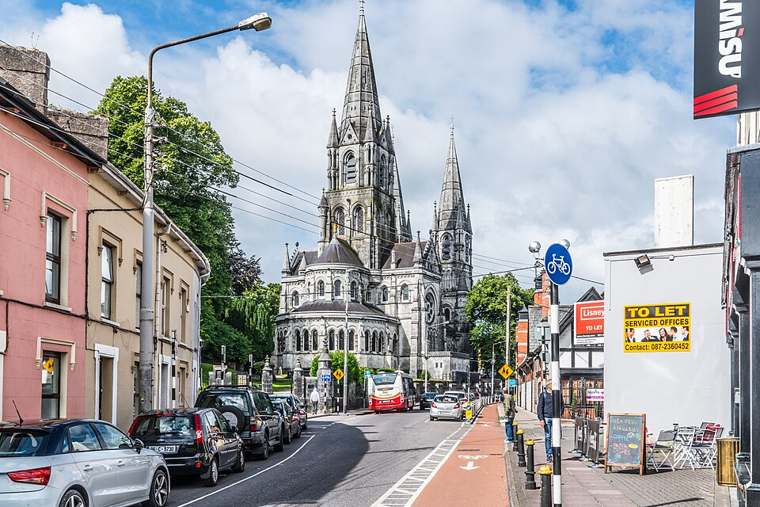
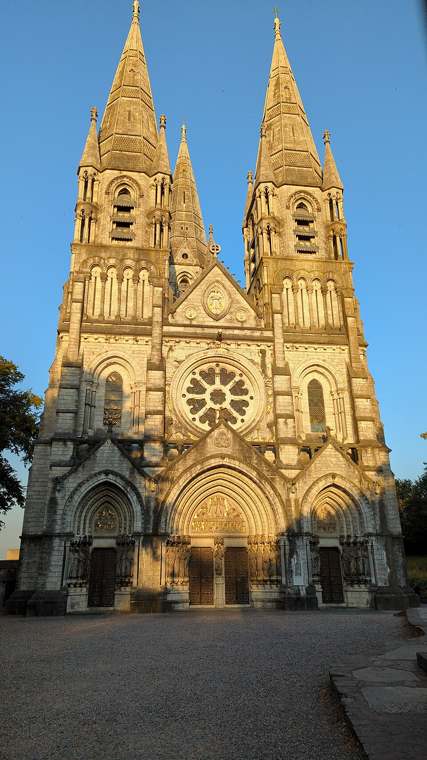
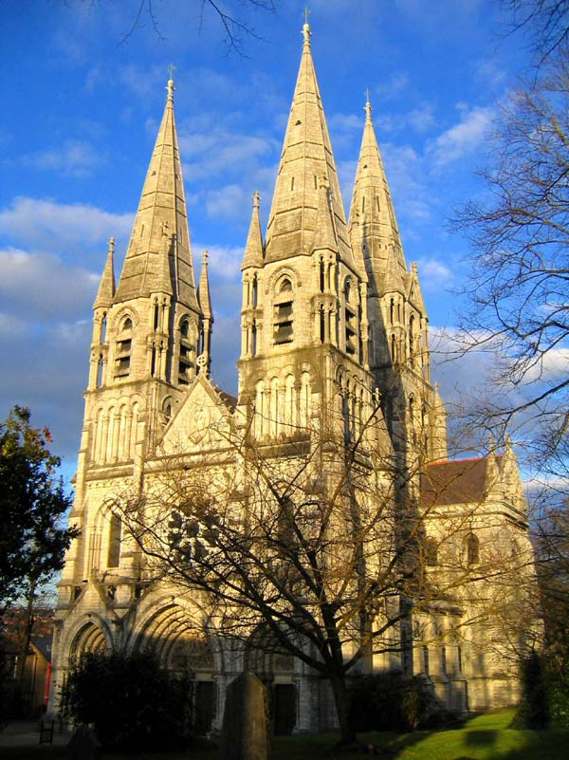
Look at the limestone towers as part of a complete design, then move closer to the carved surfaces. Comparing the large silhouette with smaller details reveals how Burges worked at both urban and intimate scales.

heritage · Cork
William Burges’ nineteenth-century cathedral is a richly detailed Cork landmark, with carved stone, stained glass and carefully designed interiors. It remains an active place of worship, so sightseeing hours and services are separate.
From research
Choose St Fin Barre's for the decorative detail of its architecture, stained glass and carving. Set aside a sightseeing window outside worship, especially in winter when Sunday access is reserved for services.
Know before you book: November–March Sundays are reserved for services. Services and events may also restrict sightseeing at other times.
Place highlights
Look at the limestone towers as part of a complete design, then move closer to the carved surfaces. Comparing the large silhouette with smaller details reveals how Burges worked at both urban and intimate scales.
Allow time for the windows rather than treating them as background colour. Their relationship with pale interior stone changes the experience of the space, and individual scenes reward slower attention during a sightseeing visit.
Look across different materials: marble, carved stone, mosaics and metalwork. The consistency of attention to these elements makes the interior feel designed as a whole, extending well beyond the main architectural structure.
The story behind the visit
William Burges became architect of the present cathedral in 1862 after a competition that attracted sixty-three entries. His building belongs to a much older religious site rather than representing the beginning of worship here. A medieval cathedral was followed by a classical replacement before the present design took shape. That sequence gives the visit another dimension: the familiar skyline is one chapter in a changing architectural history on the same site. Source ↗
Burges’ design extends from the overall form to sculpture, mosaics, furniture and metalwork. Cork limestone shapes the towers and spires, while red Cork marble and pale Bath stone contribute to the interior. Stained glass adds another layer of colour. Moving between those materials is a rewarding way to explore: the cathedral’s richness comes from relationships between structure, surface and decoration, not only from the height of its exterior spires. Source ↗
Visitor information
Bishop Street, Cork, T 12 K 710. Official visitor information ↗
Confirm current access and visitor arrangements with the operator.
Use the official booking link; contact the cathedral for groups. Source ↗
Cathedral wheelchair accessible. No public toilets or visitor parking on site. Source ↗
Nearby options
Explore other places in the area, then use live directions to plan your journey.
heritage
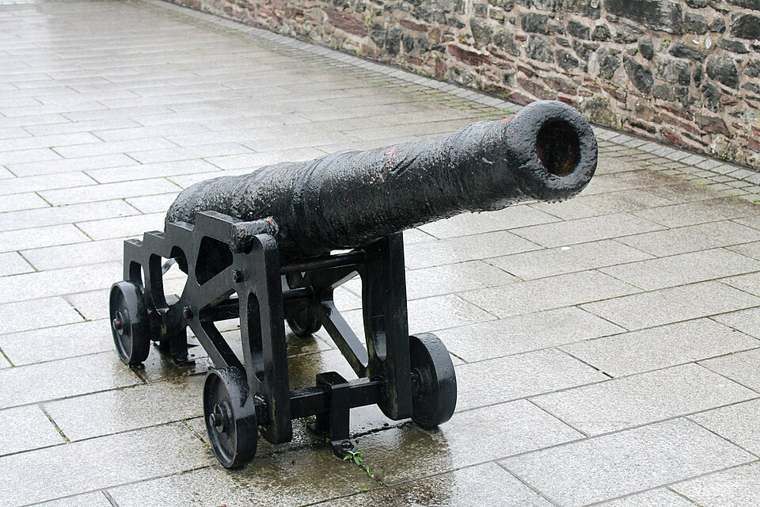
Elizabeth Fort provides a compact way to read Cork from above and understand the defensive role of the hill south of the city centre. The courtyard is the easier part of the visit; the walls involve a steep…
Open place page →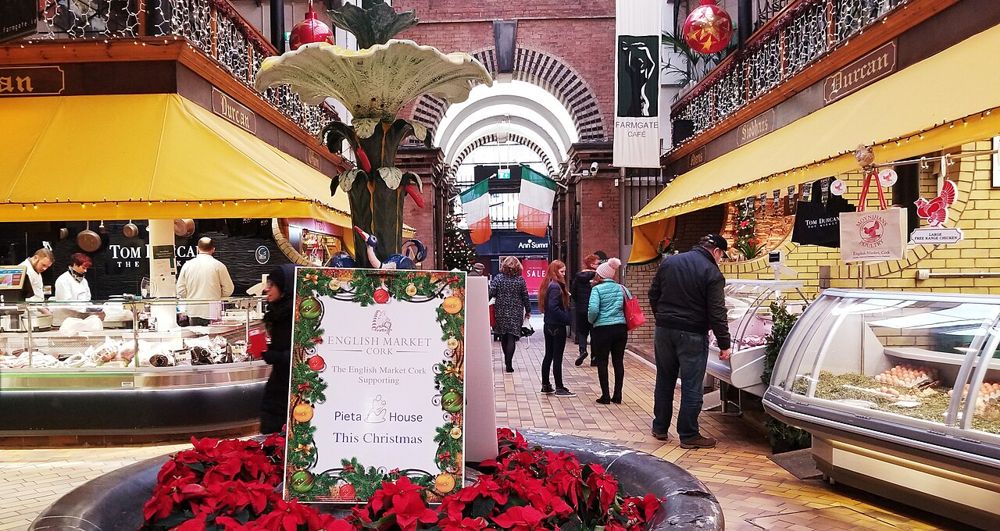
attraction
The best way to visit the English Market is to behave a little more like a shopper. Look at what is being sold, leave room at the counters and buy something that interests you. A short, attentive browse gives…
Open place page →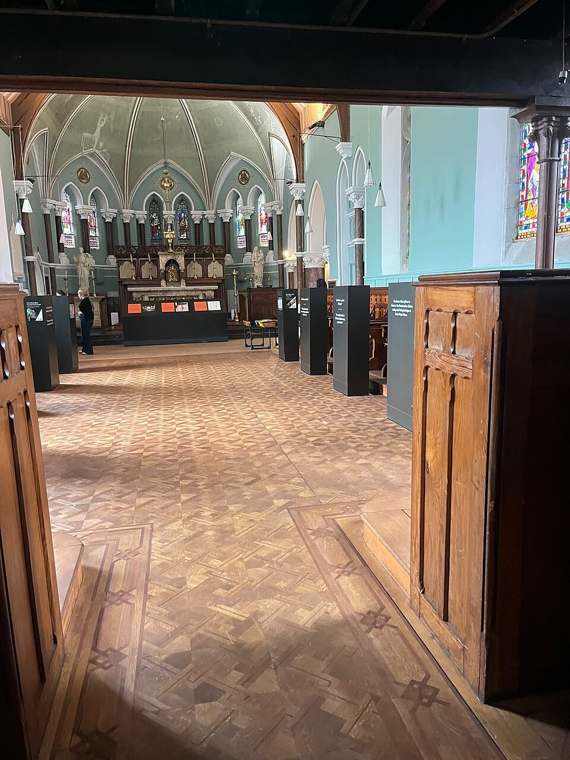
heritage
Nano Nagle Place joins a museum of education and social change with gardens and an active community setting. It offers a quieter way into Cork’s history, with paid interpretation inside and outdoor spaces that…
Open place page →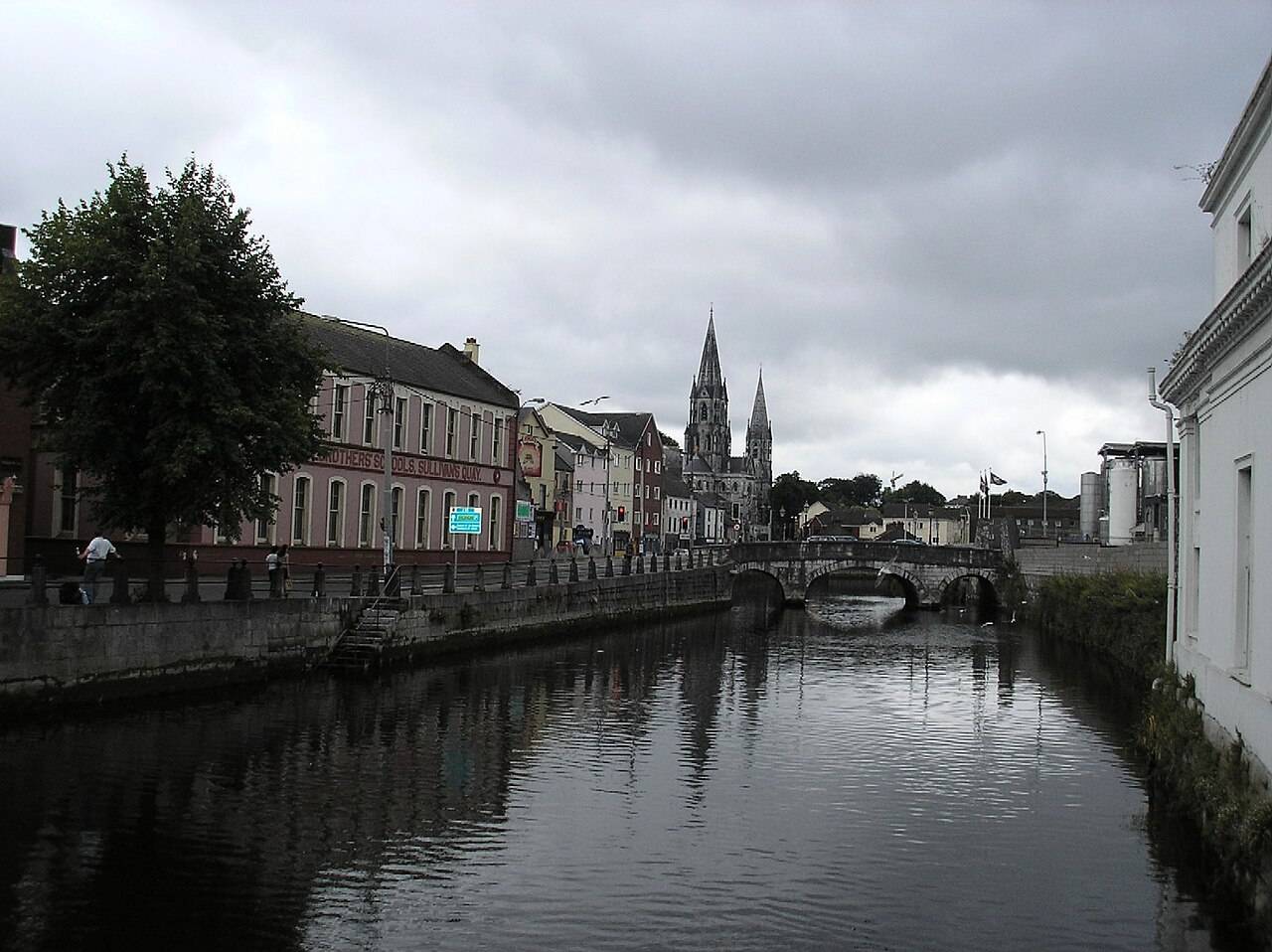
city
Cork City offers a compact urban break built around streets, food-market culture and the relationship between the centre, the river channels and the hills beyond.
Open place page →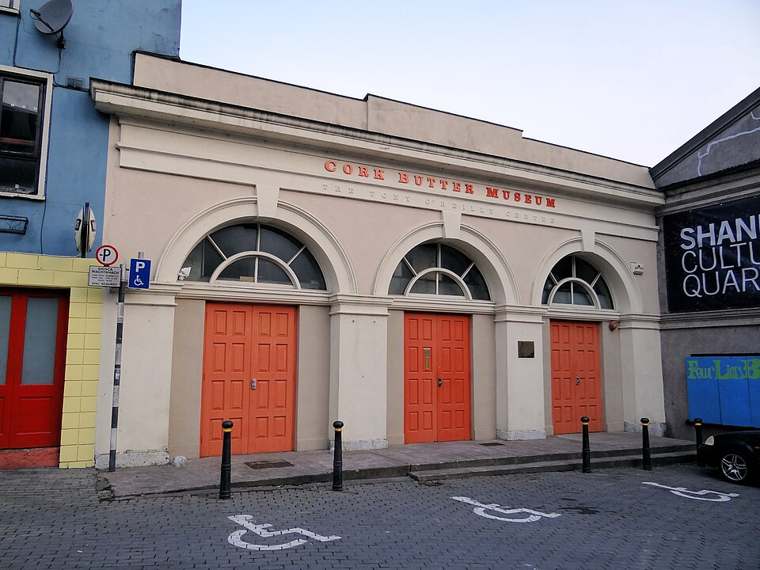
heritage
The Butter Museum makes Cork’s trading history tangible through an everyday food. Its small scale suits visitors who would rather understand how butter was made, packaged and sold than add another grand house…
Open place page →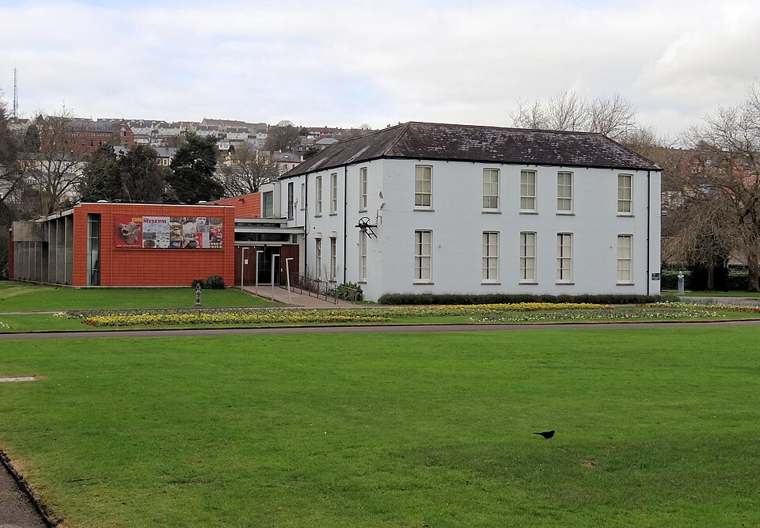
heritage
A free museum in Fitzgerald Park exploring Cork’s material history through archaeology, local collections and changing exhibitions. It pairs an indoor cultural visit with time in the surrounding park.
Open place page →Location & access
November–March Sundays are reserved for services. Services and events may also restrict sightseeing at other times.
51.89436, -8.48016 · Reference point; confirm the correct entrance and access. Map © OpenStreetMap contributors.
Orientation only: a verified public entrance is not established by this pin. Use the operator arrival information before travel.