Excavated Cork
Look for objects recovered through archaeological work in the city. Pottery, tools and other everyday materials can reveal trading connections and living conditions that are difficult to picture from the present streets alone.

heritage · Cork
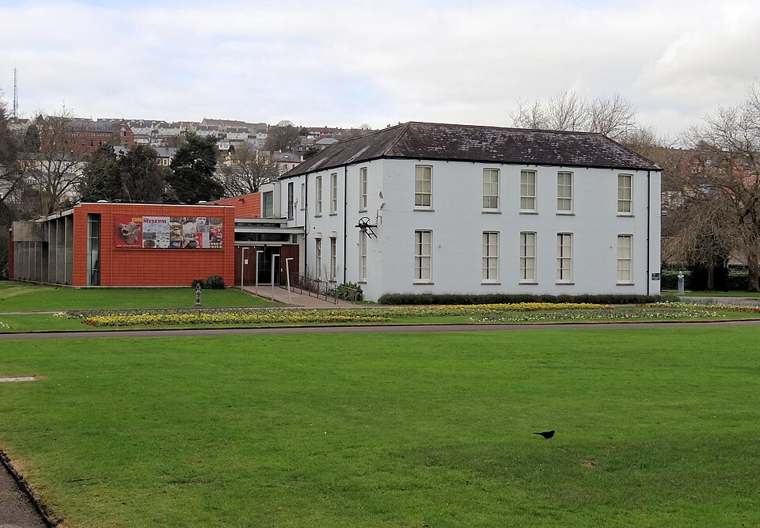
A free museum in Fitzgerald Park exploring Cork’s material history through archaeology, local collections and changing exhibitions. It pairs an indoor cultural visit with time in the surrounding park.
From research
Choose Cork Public Museum for a free introduction to local history and archaeology within Fitzgerald Park. Give the museum its own opening-time check before planning the rest of a park visit around it.
Know before you book: Follow the council’s 2026 timetable and check holiday closures before travelling.
Place highlights
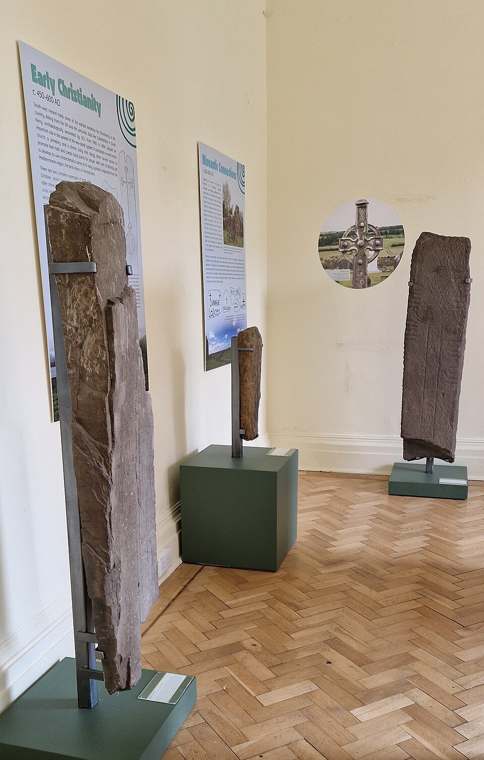
Look for objects recovered through archaeological work in the city. Pottery, tools and other everyday materials can reveal trading connections and living conditions that are difficult to picture from the present streets alone.
The archaeological collections include evidence of skilled craftworking from sites such as Garryduff. Attend to the material and technique of the objects on display, and read their excavation context rather than judging them only by appearance.
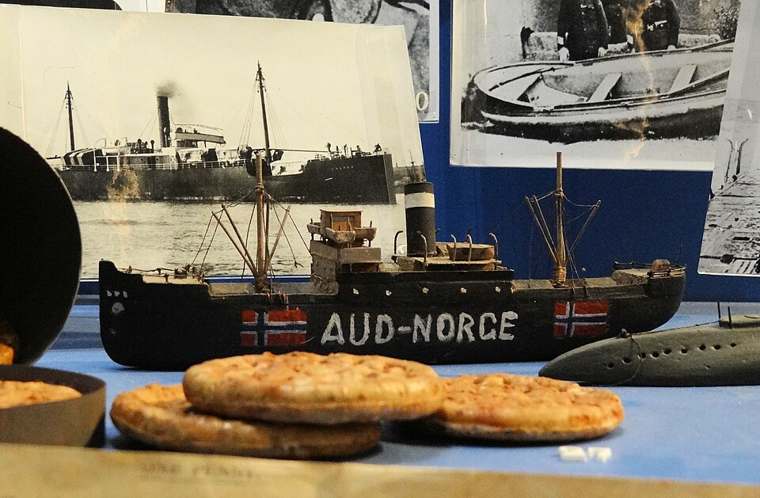
Check the current galleries for the museum’s accounts of Cork people and historical events. These displays broaden the visit beyond archaeology, connecting individual objects with the social and political changes that shaped the city.
The story behind the visit
Archaeology has shaped Cork Public Museum’s collections since its first curator, M. J. O’Kelly, combined museum work with his role as Professor of Archaeology at University College Cork. Material from excavations across Cork and Munster forms a major part of the holdings. This makes the museum more than a collection of attractive old objects: it is also a record of research into how people occupied and changed the region. Source ↗
The council’s exhibition programme connects that material evidence with people, places and modern historical events. Displays address subjects including Cork’s archaeological past, the Irish Revolution and the Great War, while changing exhibitions provide further routes into the collections. In Fitzgerald Park, the setting offers a contrast between an outdoor urban landscape and objects recovered from much earlier ones. Choose a few themes and follow them closely rather than trying to give every case equal attention. Source ↗
Visitor information
Fitzgerald Park, the Mardyke, Cork, T 12 V 0AA. Official visitor information ↗
Confirm current access and visitor arrangements with the operator.
Prebook group visits and guided tours through the museum. Source ↗
The council identifies the museum as wheelchair accessible and provides a visual museum guide. Contact staff for specific access needs. Source ↗
Nearby options
Explore other places in the area, then use live directions to plan your journey.
heritage
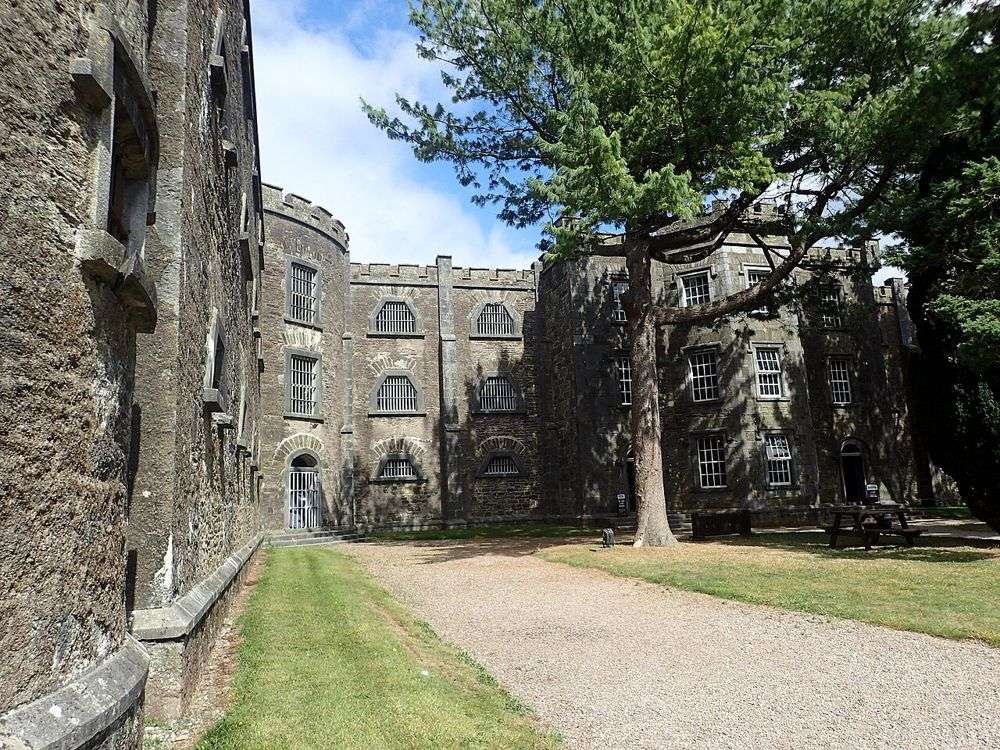
Behind Cork City Gaol’s grand exterior are small stories of repeated imprisonment, poverty and authority. The building works best when you follow individual prisoners through its cells and corridors. It brings…
Open place page →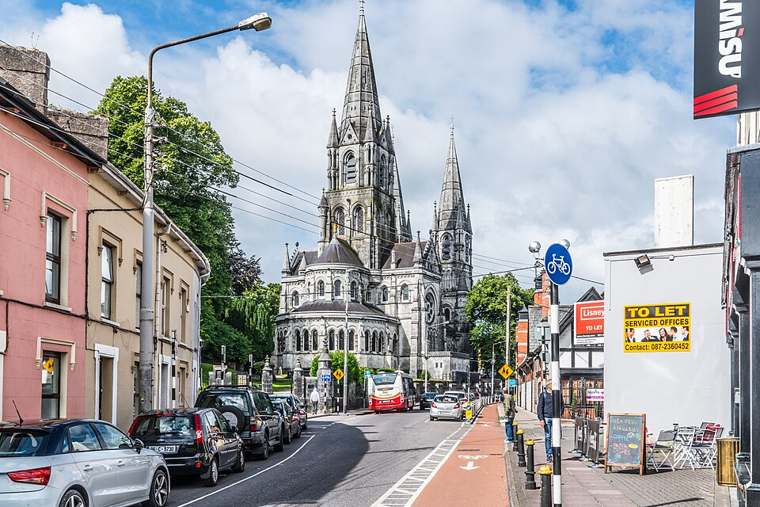
heritage
William Burges’ nineteenth-century cathedral is a richly detailed Cork landmark, with carved stone, stained glass and carefully designed interiors. It remains an active place of worship, so sightseeing hours…
Open place page →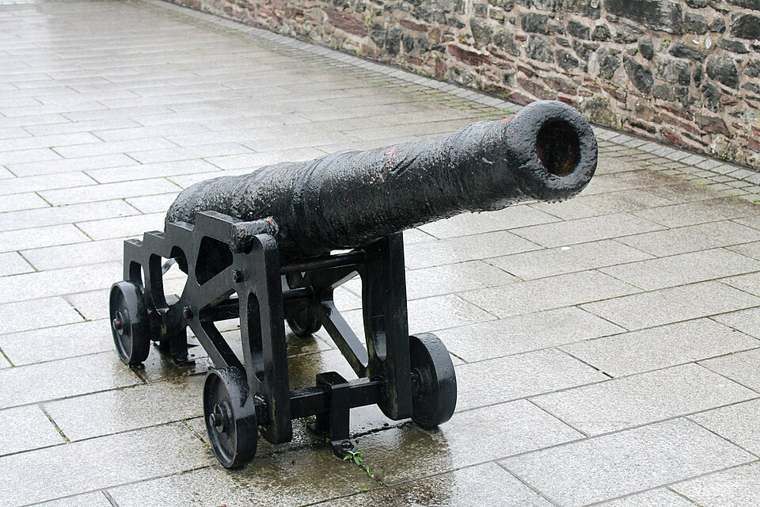
heritage
Elizabeth Fort provides a compact way to read Cork from above and understand the defensive role of the hill south of the city centre. The courtyard is the easier part of the visit; the walls involve a steep…
Open place page →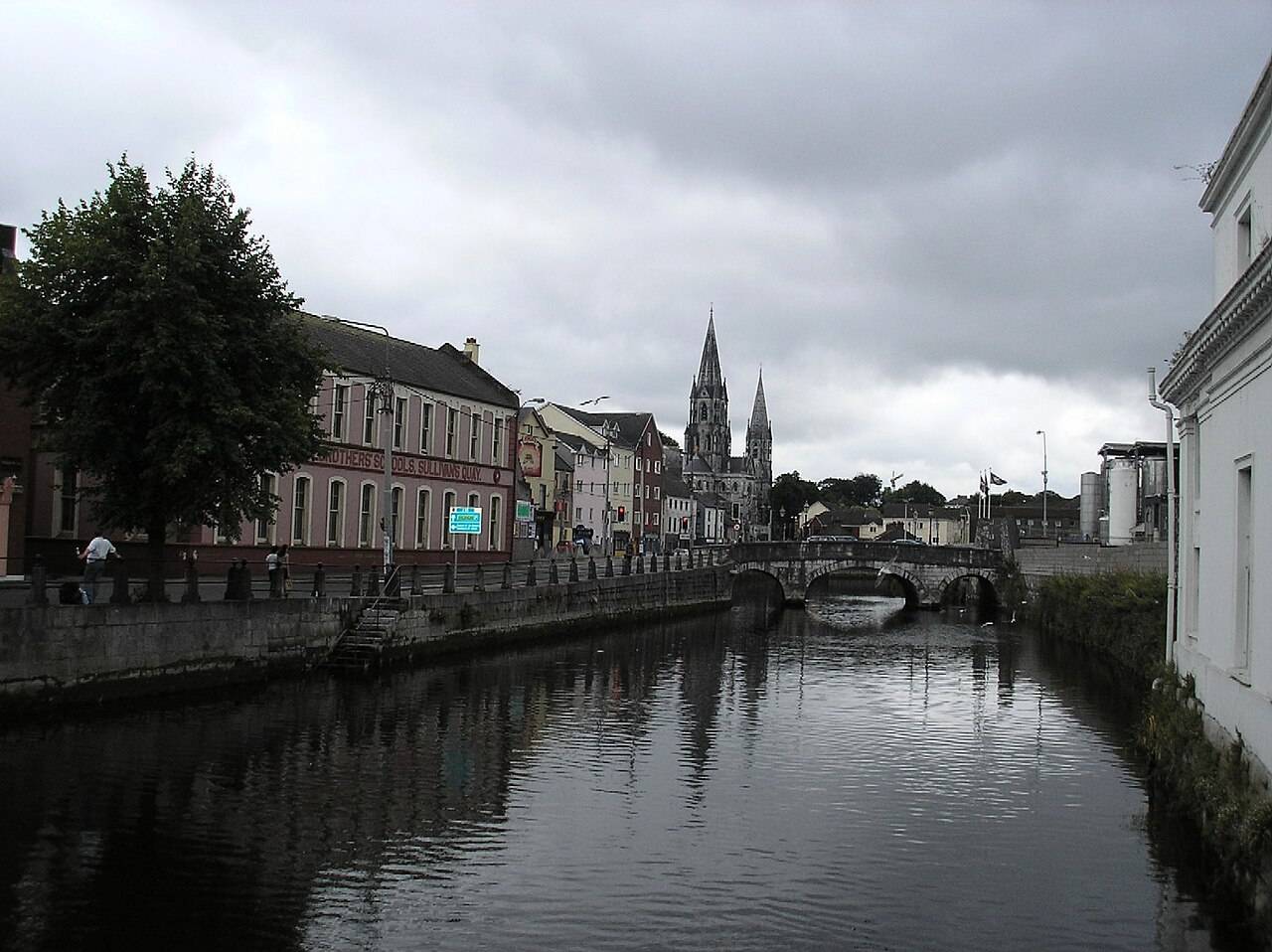
city
Cork City offers a compact urban break built around streets, food-market culture and the relationship between the centre, the river channels and the hills beyond.
Open place page →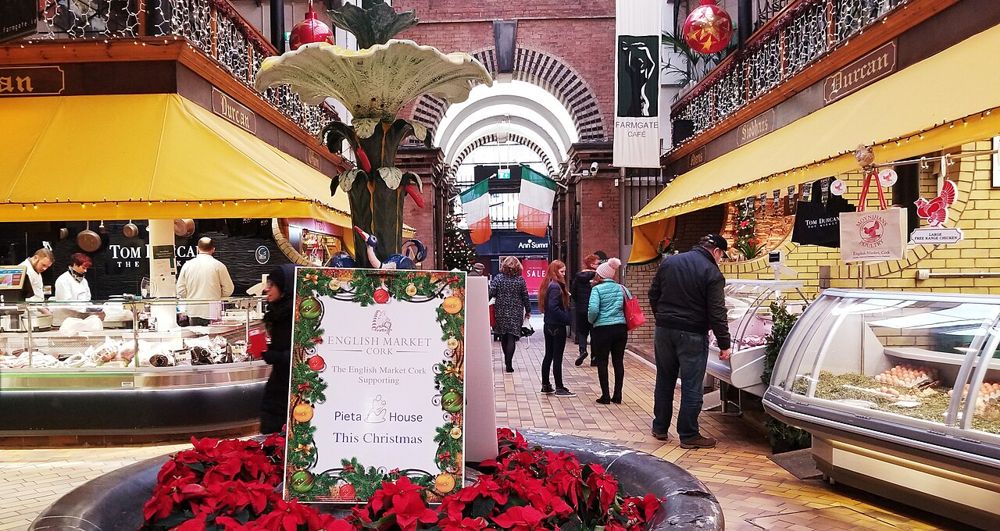
attraction
The best way to visit the English Market is to behave a little more like a shopper. Look at what is being sold, leave room at the counters and buy something that interests you. A short, attentive browse gives…
Open place page →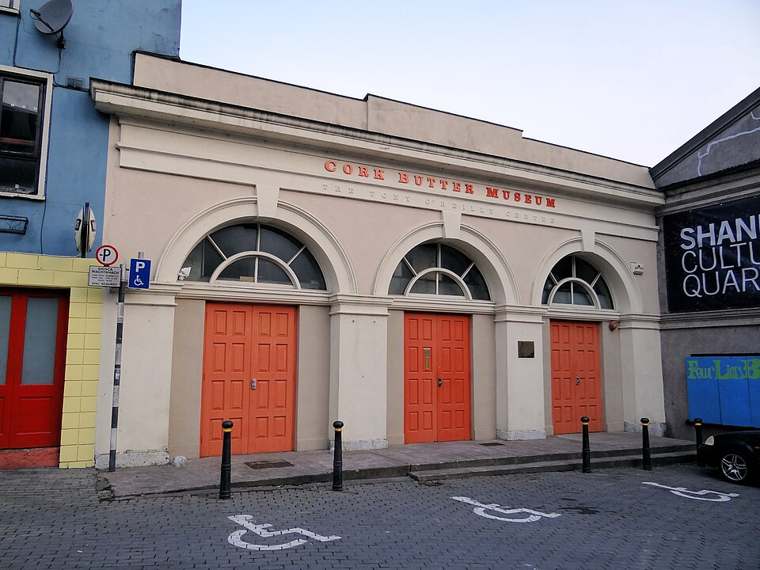
heritage
The Butter Museum makes Cork’s trading history tangible through an everyday food. Its small scale suits visitors who would rather understand how butter was made, packaged and sold than add another grand house…
Open place page →Location & access
Follow the council’s 2026 timetable and check holiday closures before travelling.
51.89613, -8.49431 · Reference point; confirm the correct entrance and access. Map © OpenStreetMap contributors.
Orientation only: a verified public entrance is not established by this pin. Use the operator arrival information before travel.