Contrasting stonework
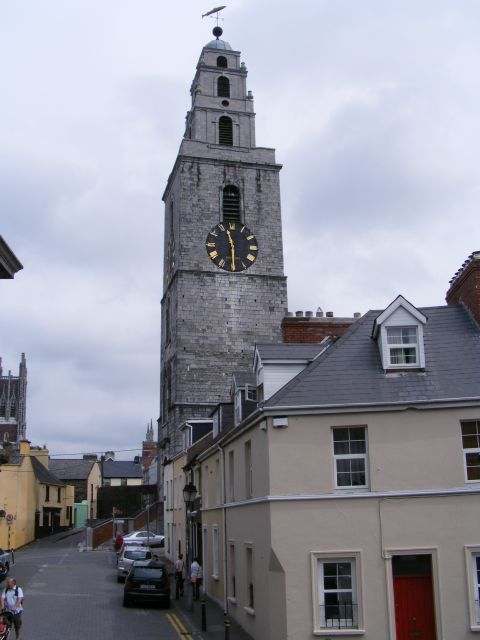
Compare the red and pale faces from street level. Their different materials make the tower appear to change character as you move around Shandon, well before you enter the church or start the stairs.

heritage · Cork
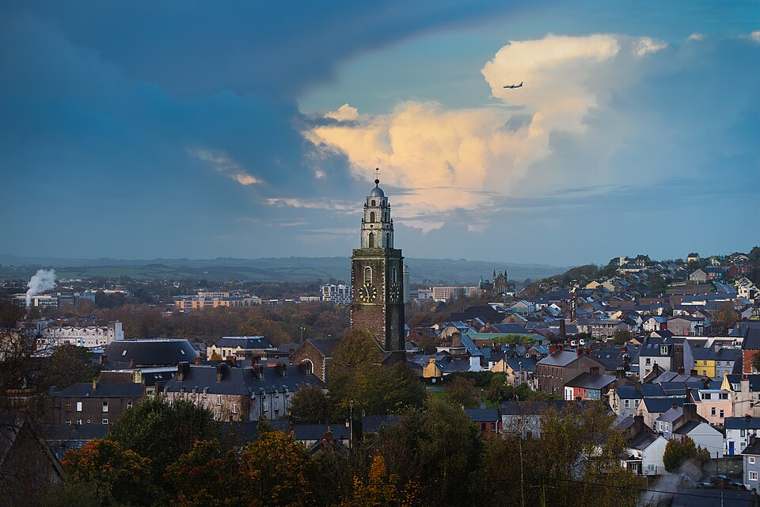
St Anne’s places a working church beneath one of Cork’s most recognisable towers. Choose between a church-only visit and the narrow stair climb. The current tower experience is a climb for the view, with bell ringing unavailable.
From research
Choose Shandon for the tower climb and the outlook over Cork, provided you can manage the steps. The current no-bell-ringing notice changes the experience: plan for the view, without promising an opportunity to play the bells.
Know before you book: Winter hours are shorter. Weather and religious services can change access. Bell ringing is currently unavailable.
Place highlights
Compare the red and pale faces from street level. Their different materials make the tower appear to change character as you move around Shandon, well before you enter the church or start the stairs.
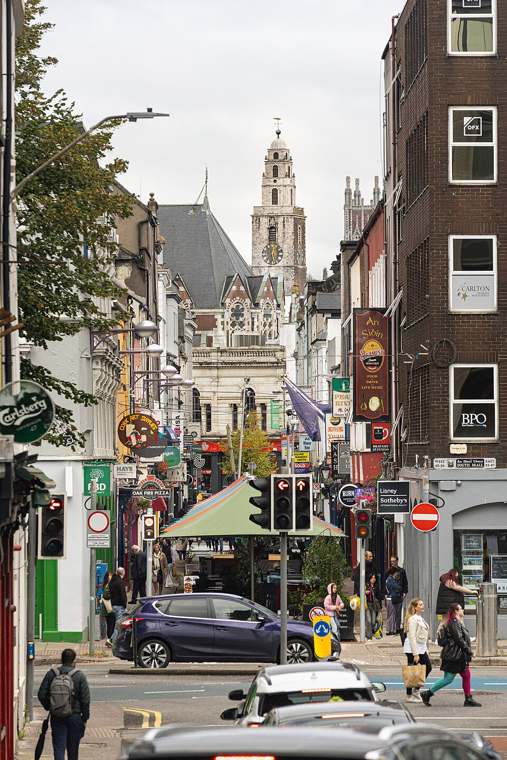
Look for the four clock faces and the salmon above them. The clock connects the tower with everyday civic timekeeping as well as with church life; its nickname belongs to Cork’s local humour.
When the climb is suitable and open, the balcony gives a wide view across Cork’s roofs and steeples. It is a chance to connect the skyline seen from the street with the city’s wider layout.
The story behind the visit
St Anne’s has served a worshipping congregation since 1722, giving the building a continuing role beyond its familiar place in photographs of Cork. The church and tower belong to the same landmark, but they invite different kinds of attention: the church is a place of worship, while the tower reveals how a city landmark is built and maintained. Look at the building from the surrounding streets before deciding whether to climb. Source ↗
The tower’s contrasting faces are made from red sandstone on the north and east and pale limestone on the south and west. Above them sits a salmon weather vane. The clock, installed in 1847, acquired the local nickname “Four Faced Liar” because its faces did not always agree. These details make the tower interesting even without bell ringing, which is currently unavailable. Source ↗
Visitor information
Eason’s Hill, Shandon, Cork, T 23 YN 88. Walking from the city centre is recommended; on-street parking is limited. Official visitor information ↗
Confirm current access and visitor arrangements with the operator.
Individuals/families can buy online or in person; advance tickets do not provide timed slots or remove queues. Groups of 10 or more must prebook. Source ↗
Tower has 132 steps and narrows sharply; no lift. Church wheelchair entrance is from St Anne’s Park side with staff help. No public toilets are listed. Source ↗
Nearby options
Explore other places in the area, then use live directions to plan your journey.
heritage
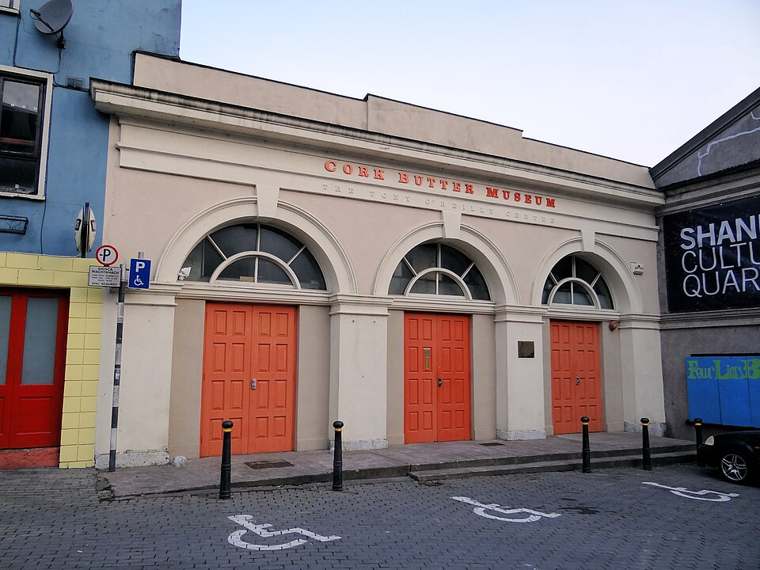
The Butter Museum makes Cork’s trading history tangible through an everyday food. Its small scale suits visitors who would rather understand how butter was made, packaged and sold than add another grand house…
Open place page →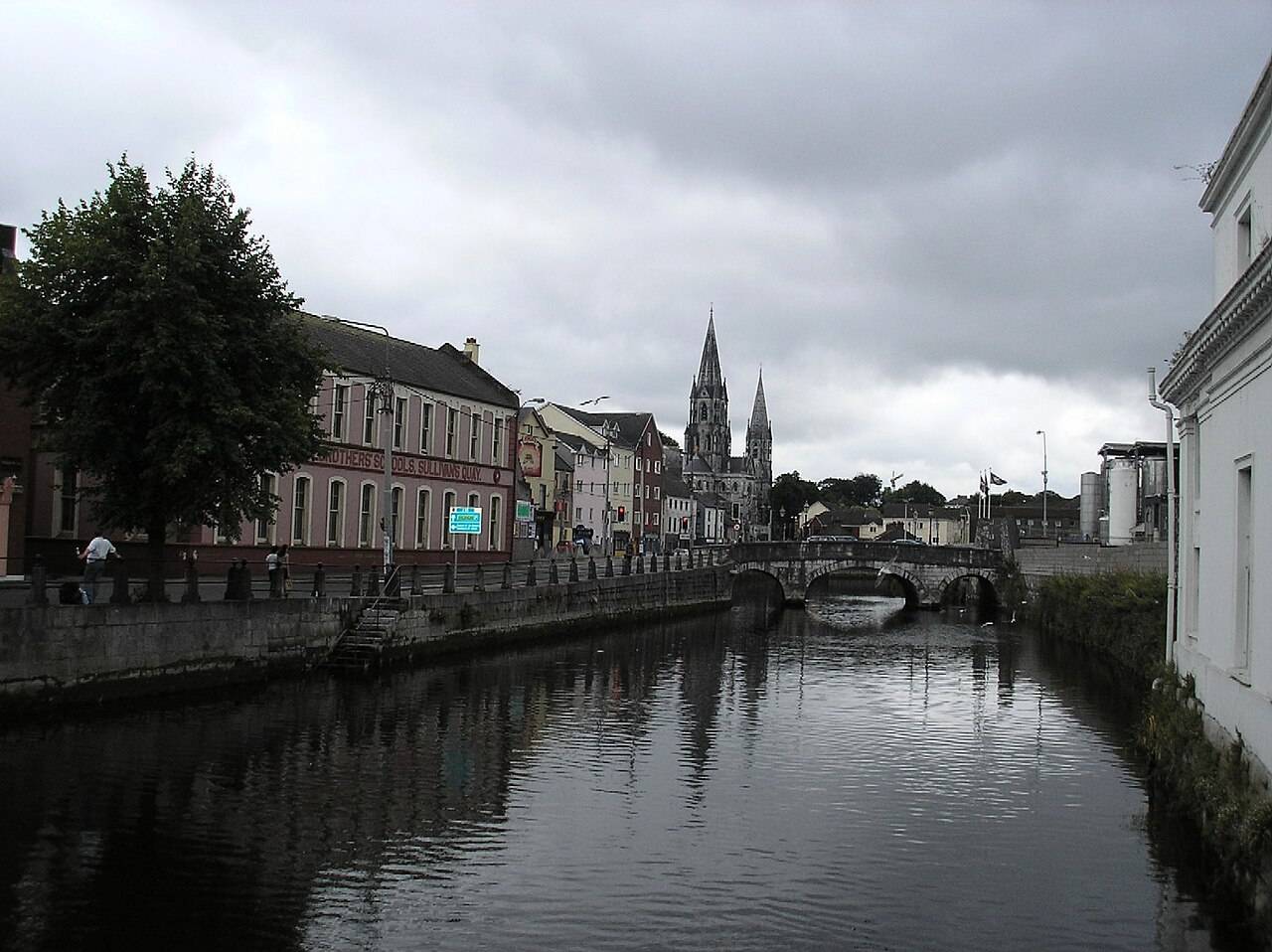
city
Cork City offers a compact urban break built around streets, food-market culture and the relationship between the centre, the river channels and the hills beyond.
Open place page →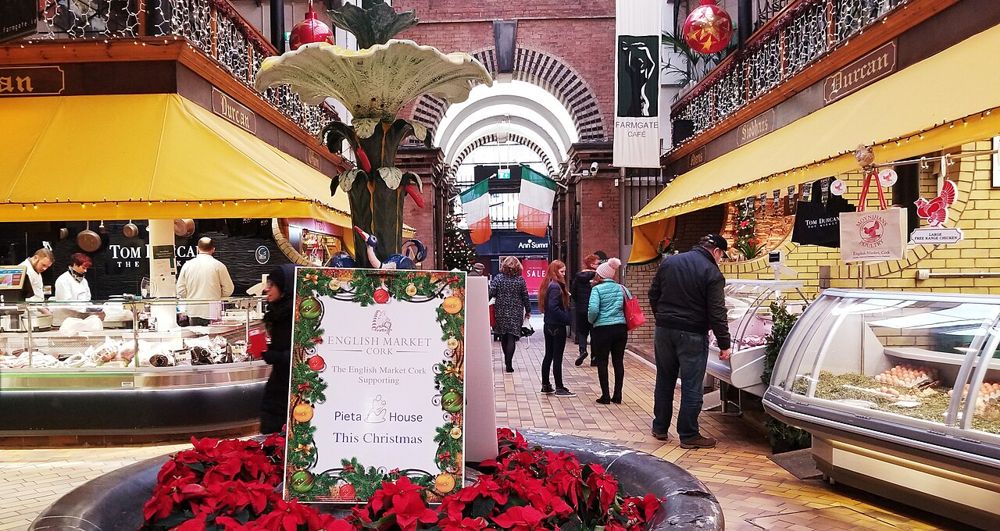
attraction
The best way to visit the English Market is to behave a little more like a shopper. Look at what is being sold, leave room at the counters and buy something that interests you. A short, attentive browse gives…
Open place page →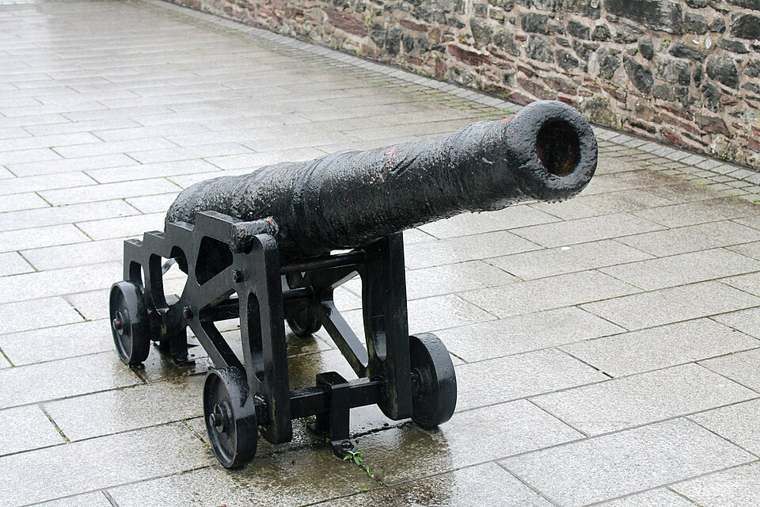
heritage
Elizabeth Fort provides a compact way to read Cork from above and understand the defensive role of the hill south of the city centre. The courtyard is the easier part of the visit; the walls involve a steep…
Open place page →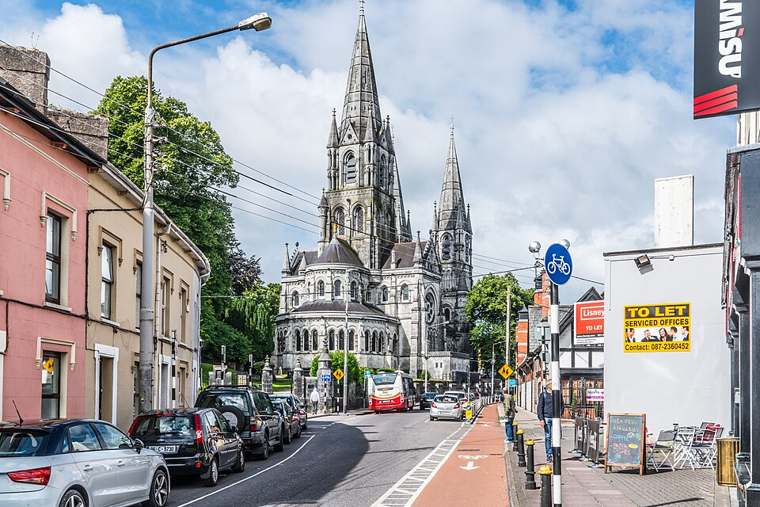
heritage
William Burges’ nineteenth-century cathedral is a richly detailed Cork landmark, with carved stone, stained glass and carefully designed interiors. It remains an active place of worship, so sightseeing hours…
Open place page →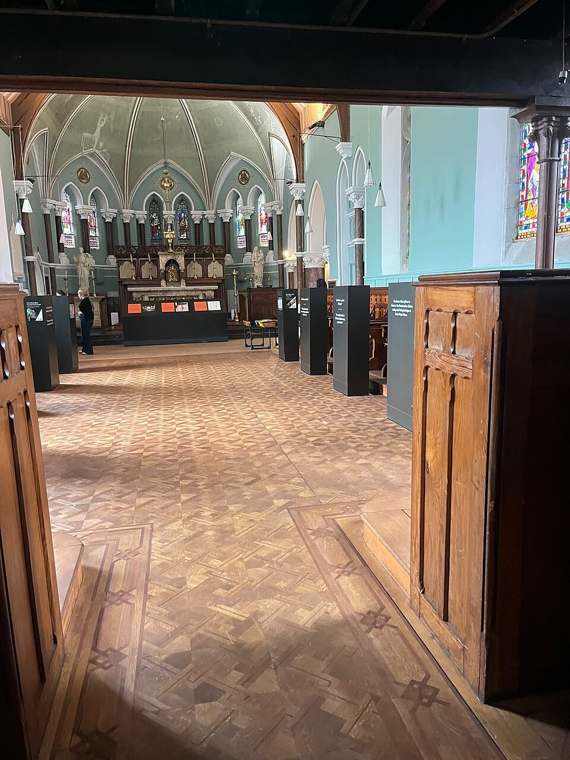
heritage
Nano Nagle Place joins a museum of education and social change with gardens and an active community setting. It offers a quieter way into Cork’s history, with paid interpretation inside and outdoor spaces that…
Open place page →Location & access
Winter hours are shorter. Weather and religious services can change access. Bell ringing is currently unavailable.
51.90325, -8.47589 · Reference point; confirm the correct entrance and access. Map © OpenStreetMap contributors.
Orientation only: a verified public entrance is not established by this pin. Use the operator arrival information before travel.