The surviving castle
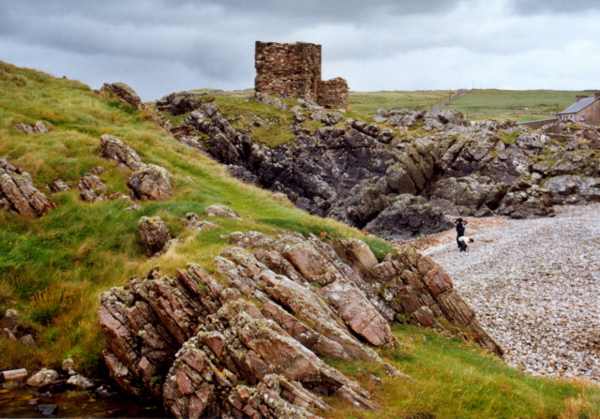
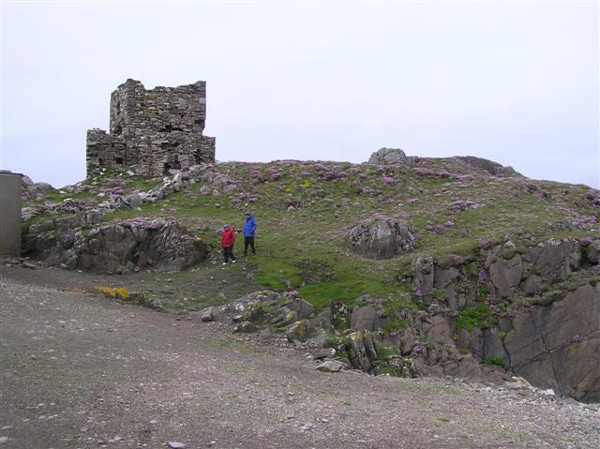
Look at the main surviving structure from the permitted approach and notice its position on rock. The ruin conveys scale without needing to enter confined spaces. Keep off walls and respect barriers around any unstable fabric.

heritage · Donegal
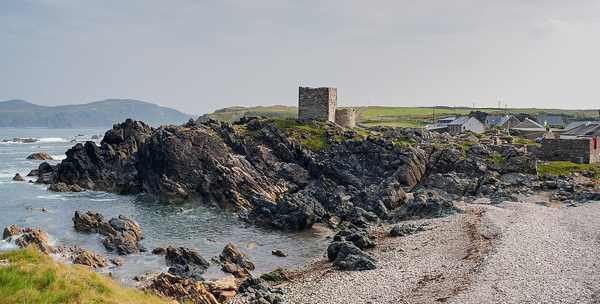
Carrickabraghy Castle stands on a rocky outcrop overlooking Trawbreaga Bay on the Isle of Doagh, Inishowen. Its surviving stonework and exposed coastal position make a compact heritage visit with a strong sense of place. Keep the outing on permitted ground around the ruins rather than expecting a restored interior or a climb.
From research
Choose Carrickabraghy for a short stop where the building and its position explain one another. Looking at the bay from ground level is as useful as examining the walls. The coastal setting can be windy, so allow flexibility and keep children close around uneven masonry, rock and the edge of the shore.
Know before you book: An unguided outdoor monument has uneven ground and fragile fabric. Stay on permitted approaches, keep off masonry and respect local restrictions.
Place highlights
Look at the main surviving structure from the permitted approach and notice its position on rock. The ruin conveys scale without needing to enter confined spaces. Keep off walls and respect barriers around any unstable fabric.
Pause to look across Trawbreaga Bay from secure ground. The coast gives the castle its character and helps place it within Inishowen. Watch footing when turning towards the view rather than moving backwards for a photograph.
Consider how the remains once belonged to a larger fortified complex. Use interpretation where available instead of assuming every low wall is original or complete. Do not cross surrounding boundaries to trace an imagined full circuit.
The story behind the visit
The official visitor account dates the castle to the sixteenth century and associates it with the O’Dohertys of Inishowen. It records occupation by Phelim Breaslaigh O’Doherty around 1600 and identifies it among the peninsula’s surviving O’Doherty castles. Those connections give the ruin a local historical identity beyond its dramatic view. The present remains are evidence of a fortified residence, while the surrounding bay explains why the site remains visually distinctive to visitors. Source ↗
Fáilte Ireland describes a keep within a broader bawn or enclosure and records the castle as last inhabited in the seventeenth century. The surviving outline is therefore only part of a more extensive arrangement. Take time to distinguish the visible building from the larger complex described in interpretation, rather than expecting every earlier feature to stand intact. A ground-level visit can reveal the relationship between rock, walls and coast while leaving fragile fabric undisturbed and avoiding unsupported assumptions about interior access. Source ↗
Visitor information
Follow the signed Carrickabraghy Castle approach on the Isle of Doagh. Use the established public visitor area and keep coastal edges clear. Official visitor information ↗
Confirm current access and visitor arrangements with the operator.
No. Observe from permitted ground and leave historic masonry and stones undisturbed. Source ↗
Do not assume one. This guide covers the outdoor monument and its currently permitted approach. Source ↗
Nearby options
Explore other places in the area, then use live directions to plan your journey.
coast
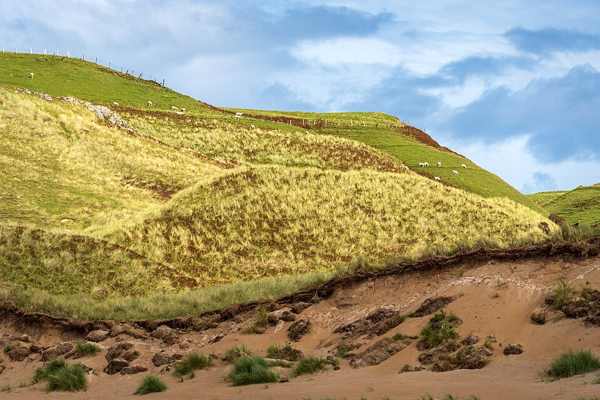
Swimming is not recommended at Five Fingers Strand because of strong currents. This Inishowen beach beside Trawbreaga Bay has a long sandy shore, tall dunes and sea stacks that give it an unusual name.…
Open place page →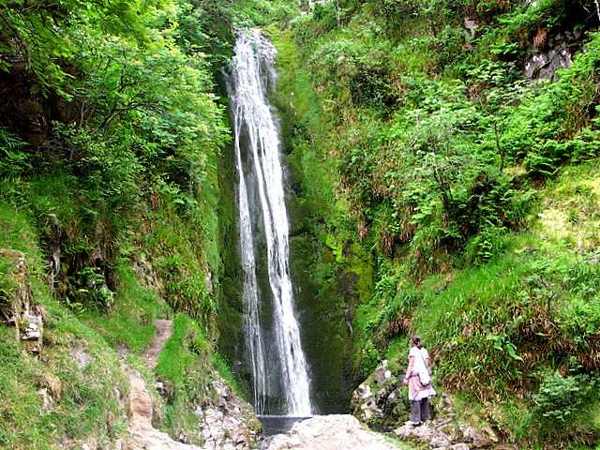
nature
Glenevin Waterfall is reached by a short valley walk near Clonmany on Inishowen. The approach is as much a part of the visit as the cascade: follow the established path beside the stream and let the enclosed…
Open place page →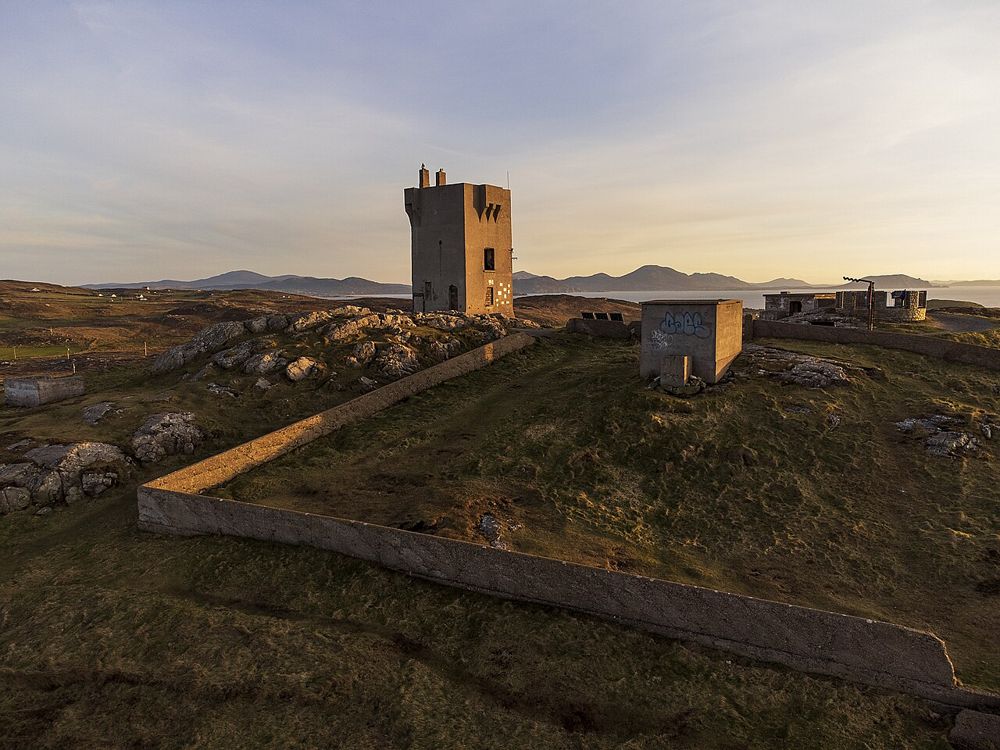
coast
Malin Head is a place to understand distance: the Atlantic fills the outlook, while low headland features and scattered buildings give scale to the exposure. The geographical label draws people here, but the…
Open place page →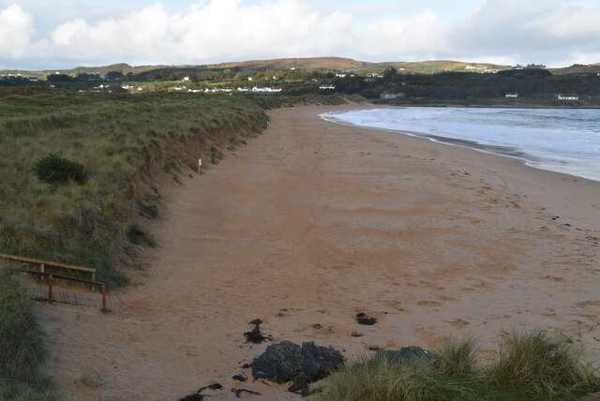
coast
Culdaff Beach brings sand, dunes, rock outcrops and a river mouth together on the Inishowen coast. Its interest lies in the different edges of the bay, not just the space for a beach walk. Start from the…
Open place page →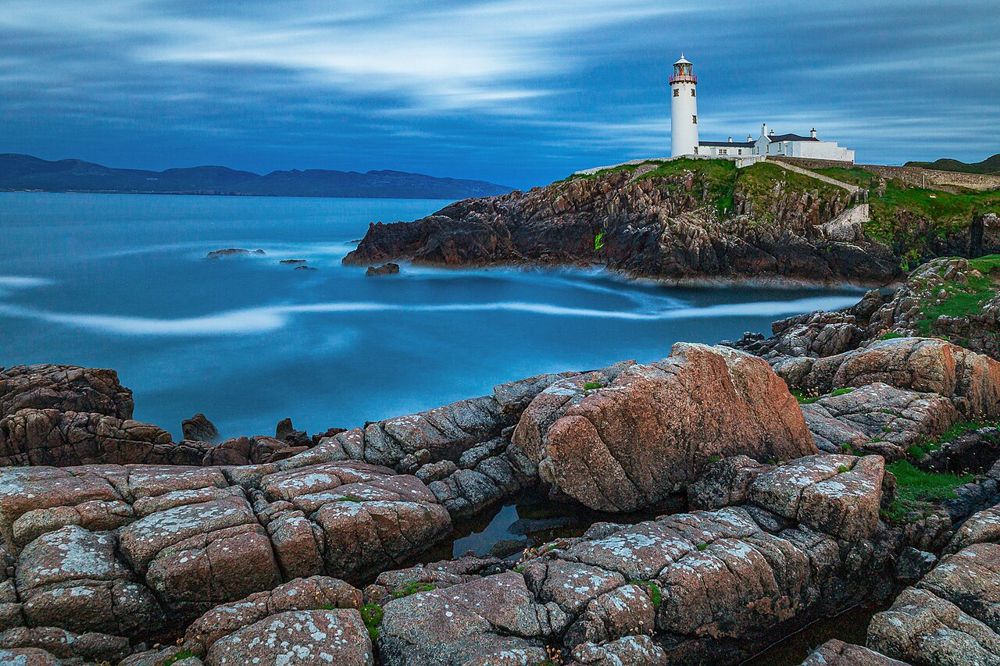
heritage
Fanad is immediately recognisable from its white lighthouse above dark rock and open water. A tour adds a reason to look beyond the façade: the purpose of the light, the keepers’ work and the coast’s maritime…
Open place page →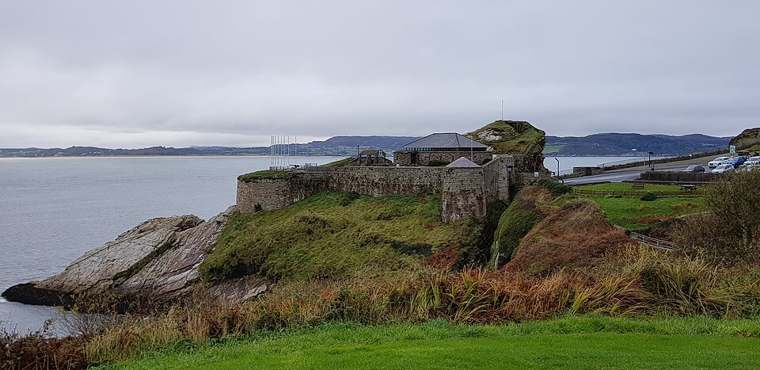
heritage
Fort Dunree places military history in a dramatic Inishowen coastal setting. Choose how much time belongs inside the museum and how much to the surrounding paths; an exposed outdoor extension asks for…
Open place page →Location & access
An unguided outdoor monument has uneven ground and fragile fabric. Stay on permitted approaches, keep off masonry and respect local restrictions.
55.31637, -7.37275 · Reference point; confirm the correct entrance and access. Map © OpenStreetMap contributors.
Orientation only: a verified public entrance is not established by this pin. Use the operator arrival information before travel.