From research
Is this worth your time?
Choose the Workhouse when you want to understand a more difficult side of Donegal’s history alongside its scenery. The audio exhibition suits an unhurried visit, but its subject may be challenging for very young children. Arrive well before the exhibition’s 4pm closing time and arrange school or group visits separately with the heritage team.
Know before you book: The November site opening is 10am–5pm, but the exhibition closes at 4pm. Confirm winter bookings beyond November directly.
The story behind the visit
The story behind the place
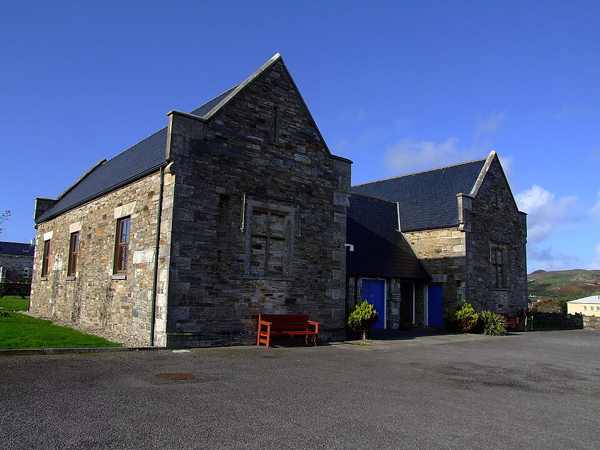
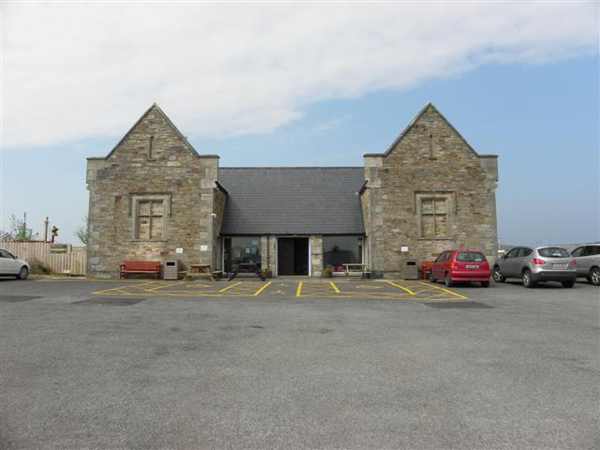
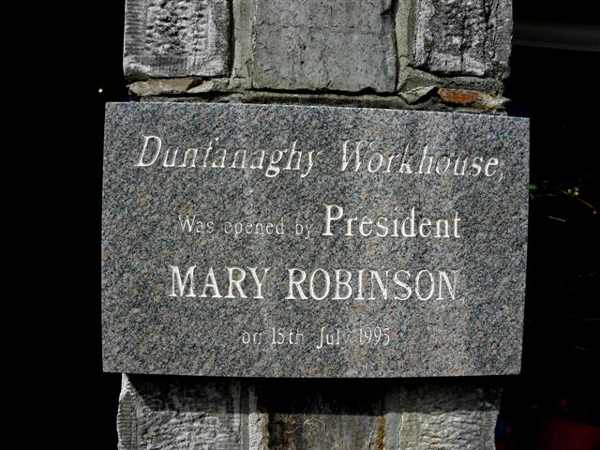
The Workhouse was built in 1845, at the beginning of the Great Famine. Its history places Dunfanaghy within a system intended to provide relief through institutions that also imposed demanding conditions on those seeking help. The exhibition approaches that period through the building and the story of Wee Hannah Herrity. The combination gives the visitor a local route into a history that can otherwise feel distant or abstract. It is worth allowing enough time to listen carefully rather than using the building merely as a backdrop. Source ↗
The surviving site now serves several public purposes, but the Famine exhibition remains a distinct historical experience within it. Original spaces have been adapted for interpretation and other community uses, while the short film adds a record of later village life. Those layers should be kept separate: a twentieth-century image of Dunfanaghy tells a different story from the account of the Workhouse during the Famine. Following both helps show how the village changed over time. The museum’s educational work continues through arranged school and group visits, with tours adapted to different ages and learning needs. Source ↗