Skip to content
TheLazyNick

heritage · Wexford

St Aidan's Cathedral

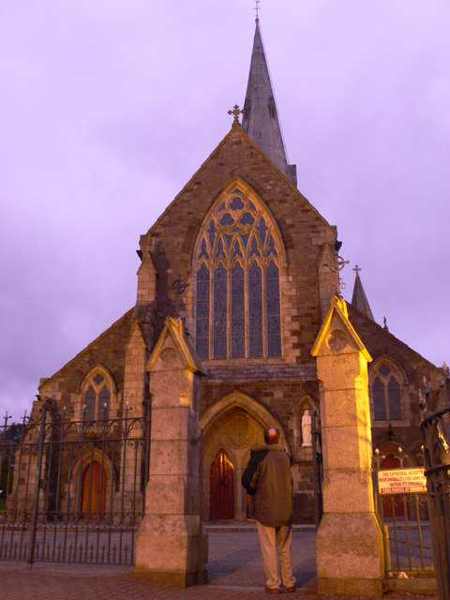
Saint Aidan’s Cathedral in Enniscorthy is a nineteenth-century Gothic Revival church associated with A. W. Pugin, built in stages around an earlier cathedral site. Appreciate its architecture alongside its continuing worship. Give the exterior time, then enter only when quiet visiting is appropriate.

Add to planSaved trips & places

Saved on this browser. No account needed.

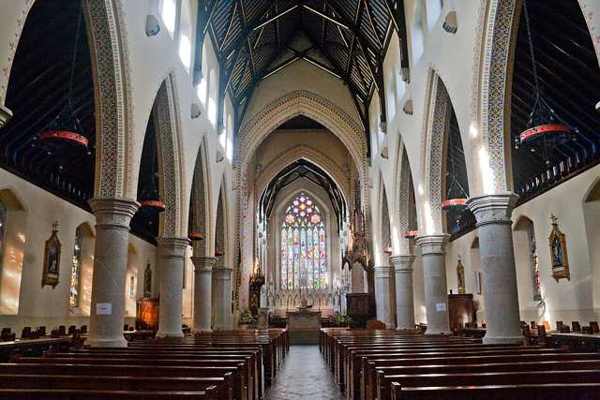
Nave of St Aidan’s Cathedral in Enniscorthy
Nave of St Aidan’s Cathedral in Enniscorthy. Resized for display. Photo: Andreas F. Borchert ↗ · CC BY-SA 4.0

From research

Is this worth your time?

Choose Saint Aidan’s if you enjoy tracing how a major church developed rather than attaching it to one building date. It fits a town visit without needing an organised attraction timetable. Contact the parish for specialist access; adjust plans around services and ceremonies.

Know before you book: This is an active place of worship. Services, funerals and private ceremonies take priority; interior access may change without a tourist timetable.

Place highlights

What you will actually see

01

The exterior form

Look at the relationship between the main church and tower from the public approach. The building developed through several phases, so the broad outline provides a useful introduction before individual decorative details begin to draw your attention.

02

Gothic Revival detail

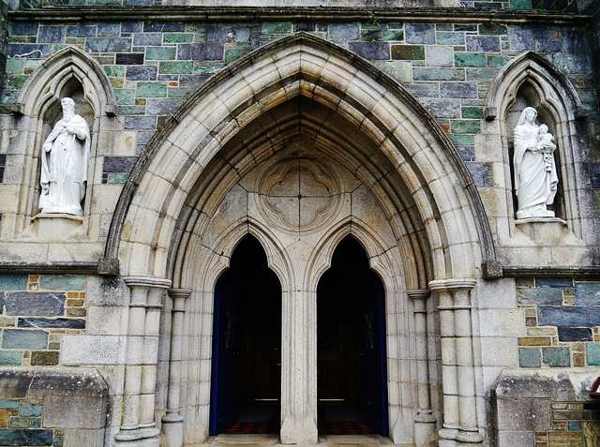
Where access permits, notice the pointed forms and the way the church directs attention along its main spaces. Move quietly and keep clear of worshippers. Architectural observation should fit the religious use of the building rather than interrupt it.

03

A living cathedral

Read the current parish notices before entering and take time to understand how the building is used today. Its history continues through services and community activity. A short respectful visit can be more rewarding than trying to inspect every corner.

The story behind the visit

The story behind the place

The parish history distinguishes the earlier cathedral dating from 1809 from the later building designed by A. W. Pugin. New plans were prepared in 1839, followed by a foundation stone in 1843. Construction proceeded in stages rather than replacing the earlier church in a single operation. This sequence matters when reading the site: an early date associated with the parish does not mean that the whole visible cathedral was standing in that form at the time. Source ↗

The choir and transept were ready in the 1840s, with the nave following before the older building within the construction site was removed. Work on the tower and further parts continued afterwards. The resulting cathedral therefore reflects a prolonged project rather than one simple moment of completion. Looking at its overall form with that history in mind adds interest to both exterior and interior. It also leaves the present religious purpose in view: the building remains a cathedral used by a community, not a static architectural exhibit. Source ↗

Visitor information

Tickets, timing and access

Opening
Check the parish’s current notices before a quiet daytime visit; Mass times are not visitor hours.Confirm with the operator ↗
Admission
Ask about any optional tour charges or donations; do not infer a museum ticket from church entry.Confirm with the operator ↗
Booking
Contact the parish for guided or group visits and any access requirements.Confirm with the operator ↗
Access
Use the visitor entrance permitted on the day and respect worshippers, barriers and restricted areas.Confirm with the operator ↗
Duration
Allow 45–60 minutes for the exterior and any permitted quiet interior visit.Confirm with the operator ↗
Seasonal
Religious festivals and ceremonies can change access; confirm before making a special journey.Confirm with the operator ↗

Getting to the entrance

Use the parish’s mapped cathedral location in Enniscorthy. Confirm current visitor access directly if steps, group arrangements or a particular interior feature are important. Official visitor information ↗

Your questions, answered

Confirm current access and visitor arrangements with the operator.

Can I sightsee during a service?

Give worship priority and postpone sightseeing, photography or group commentary until it is appropriate. Source ↗

Does this include a tower climb?

No. Do not assume tower, crypt or other restricted areas are open without a separately confirmed arrangement. Source ↗

Nearby options

Nearby places to explore

Explore other places in the area, then use live directions to plan your journey.

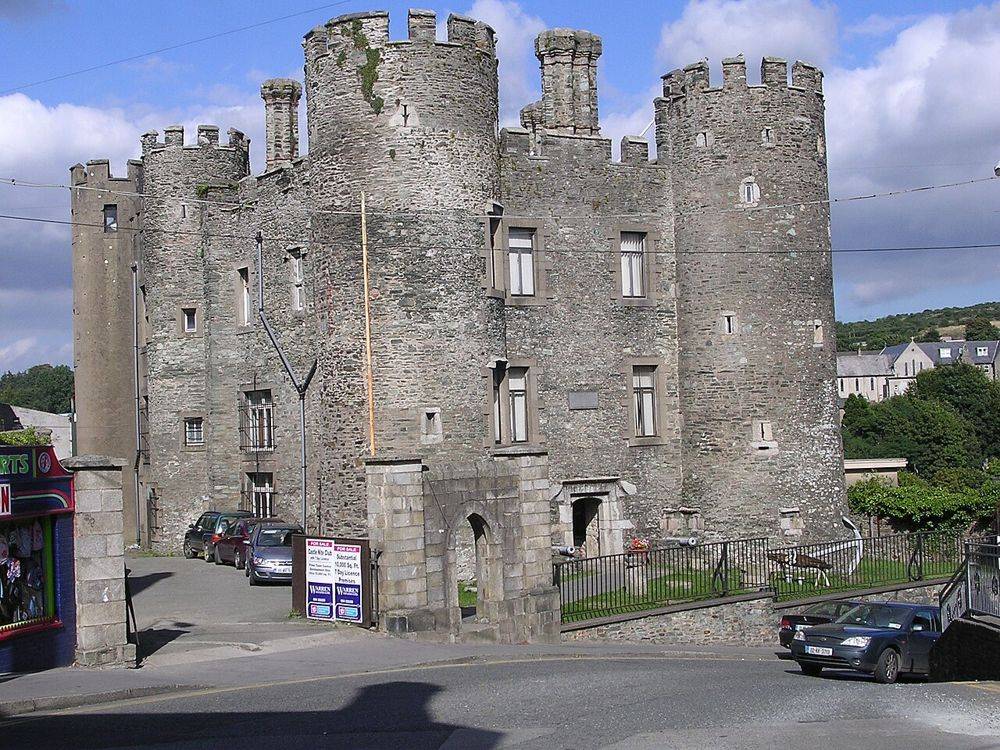
The stone towers and exterior of Enniscorthy Castle
The stone towers and exterior of Enniscorthy Castle. Resized from credited source. Photo: Przemysław Sakrajda ↗ · CC BY-SA 3.0

heritage

Enniscorthy Castle

Enniscorthy Castle is a town-centre building with several lives, not simply an empty medieval keep. Its exhibitions make sense when you are interested in the town as well as the defensive shell. Look outside…

Open place page →
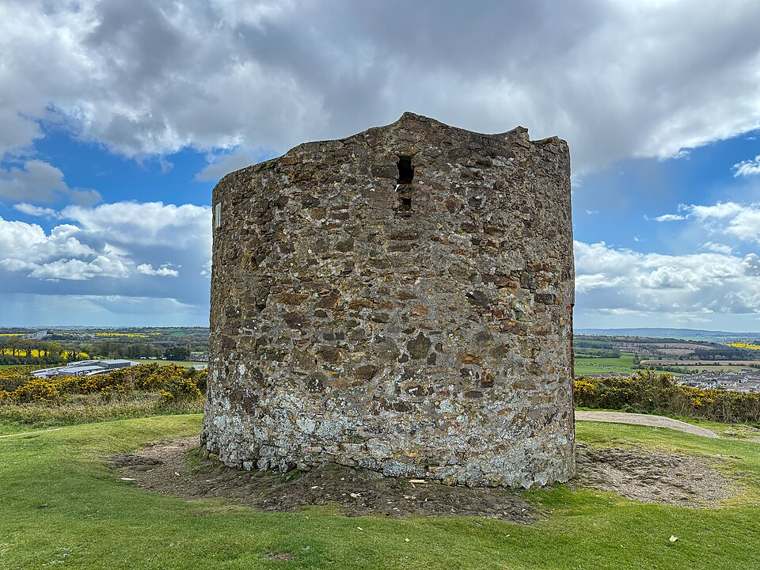
The ruined windmill on Vinegar Hill
The ruined windmill on Vinegar Hill. Resized and compressed from the credited photograph. Photo: 瑞丽江的河水 ↗ · CC BY-SA 4.0

heritage

Vinegar Hill Battlefield

Vinegar Hill gives Enniscorthy a striking backdrop and its history a physical setting. The ruined windmill on the summit is the immediate landmark, but a visit is also about the slopes and the town below. Take…

Open place page →
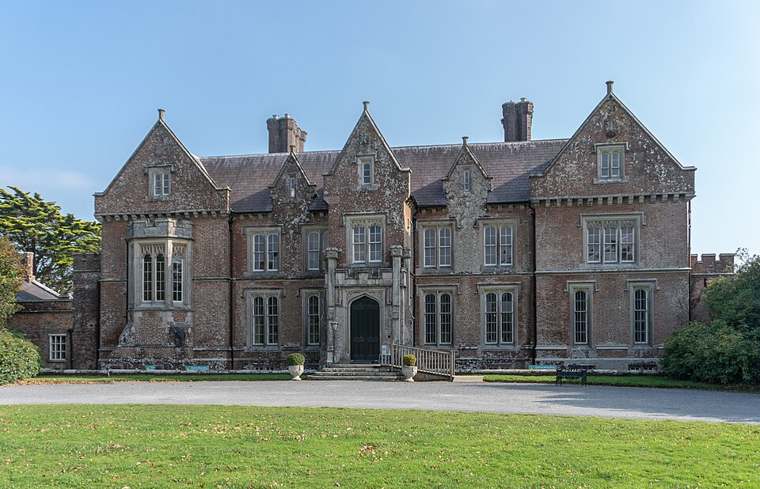
Wells House facade across its lawn
Wells House facade across its lawn. Resized and compressed from the credited photograph. Photo: Wikidee123 ↗ · CC BY-SA 4.0

heritage

Wells House and Gardens

Wells House is best approached as a designed landscape with a house at its centre. Formal garden patterns give way to woodland walks and family attractions, allowing different visitors to choose different…

Open place page →
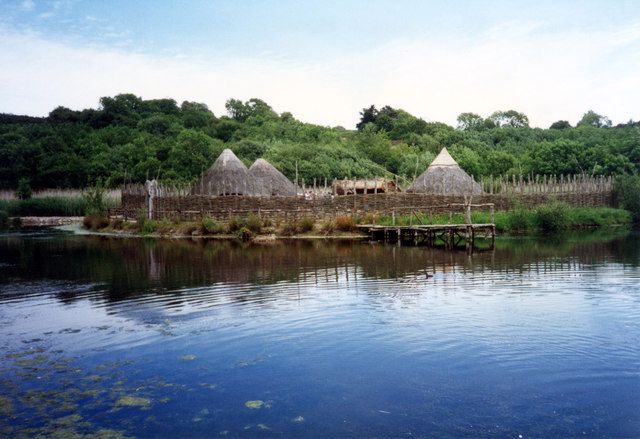
Historical 1996 crannog reconstruction at the Irish National Heritage Park
Historical 1996 view of a crannog reconstruction at the Irish National Heritage Park. The photographer notes uncertainty about the feature’s later location; this is historical context, not evidence of current displays or access. Resized from the credited source. Photo: Jo and Steve Turner ↗ · CC BY-SA 2.0

attraction

Irish National Heritage Park

The Heritage Park is a walk through reconstructed buildings and landscapes, with enough space between them for the changes in time to register. It works particularly well when Irish archaeology has begun to…

Open place page →
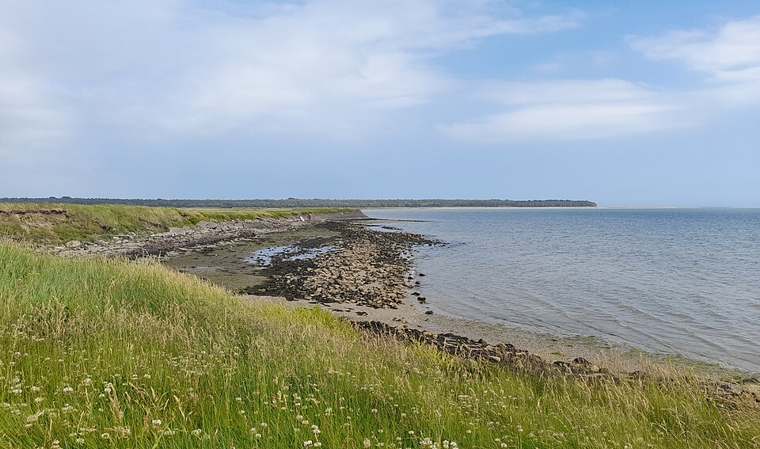
Coastal edge at Wexford Wildfowl Reserve on the North Slob
Coastal edge at Wexford Wildfowl Reserve on the North Slob. Resized and compressed from the credited photograph. Photo: John Paul ↗ · CC BY-SA 4.0

nature

Wexford Wildfowl Reserve

Wexford Wildfowl Reserve is a place to watch a landscape carefully rather than walk straight through it. Fields, shallow water and harbour margins provide feeding and resting ground for birds. Begin at the…

Open place page →
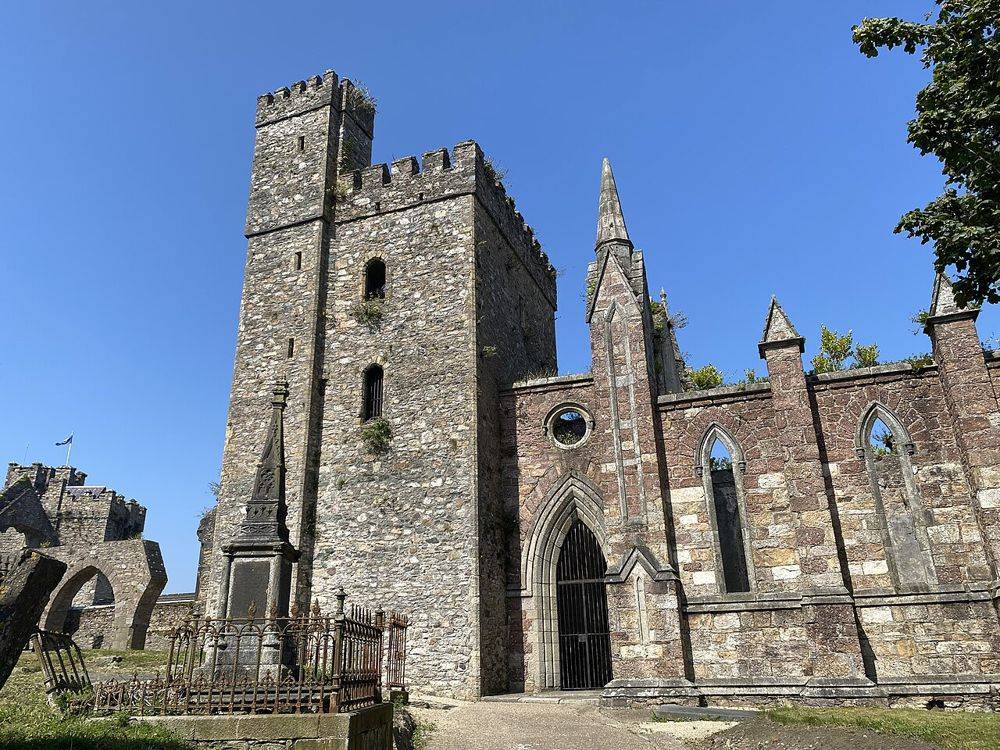
The tower and church ruins at Selskar Abbey in Wexford
The tower and church ruins at Selskar Abbey in Wexford. Resized from the credited source photograph; conditions and access may have changed. Photo: 瑞丽江的河水 ↗ · CC BY-SA 4.0

heritage

Selskar Abbey

Selskar is a rewarding interruption to a Wexford town walk because the ruins sit inside the modern street pattern. It is not a large countryside abbey: the interest is in finding the medieval town beneath…

Open place page →

External visitor reviews

Find the matching listing and reviews on Google Maps ↗

Part of a bigger journey

Location & access

Getting your bearings

This is an active place of worship. Services, funerals and private ceremonies take priority; interior access may change without a tourist timetable.

52.50264, -6.57306 · Reference point; confirm the correct entrance and access. Map © OpenStreetMap contributors.

Orientation only: a verified public entrance is not established by this pin. Use the operator arrival information before travel.

Sources & place context

Browse more Ireland places →