Skip to content
TheLazyNick

heritage · Meath

Skryne Church

Skryne is an unguided hilltop church ruin, with no tower climb or access beyond permitted ground included. The surviving medieval building is a landmark above the surrounding landscape. Look at its pointed arches, tower and carved detail while respecting the churchyard, neighbouring properties and the practical limits of a small local approach rather than a large visitor complex.

Add to planSaved trips & places

Saved on this browser. No account needed.

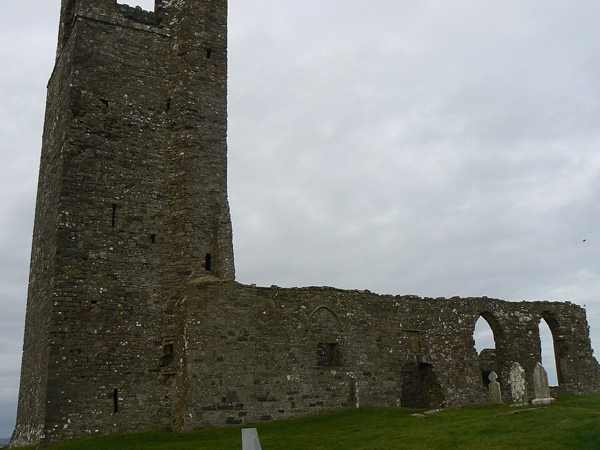
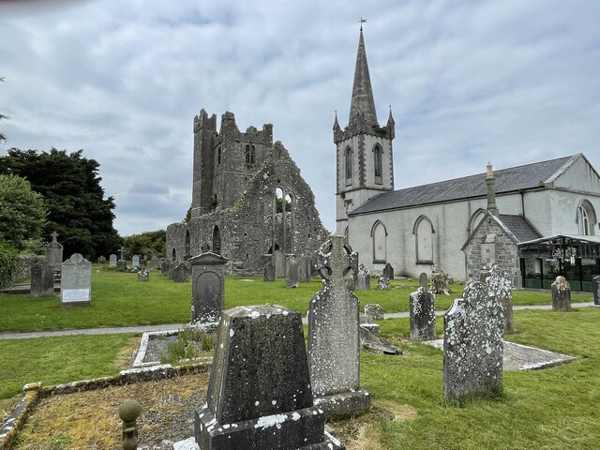
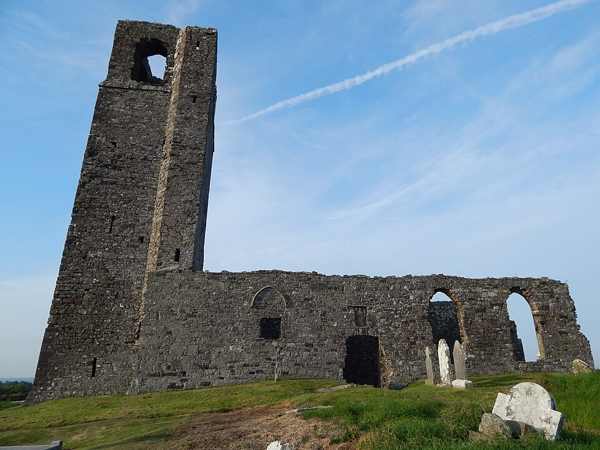
The tower and roofless church at Skryne.
The tower and roofless church at Skryne. Photo: Ianfhunter ↗ · CC BY 4.0

From research

Is this worth your time?

Choose Skryne if you enjoy a short stop combining architecture with a strong sense of place. The building is more informative when its church form and later religious associations are considered together. Spend time observing from secure areas instead of treating the hilltop as a reason to climb the ruin for a broader view.

Know before you book: The site’s association with St Colmcille belongs to a longer religious tradition than the standing medieval fabric. Historical identity does not establish entry to every opening or upper space.

Place highlights

What you will actually see

01

The towered church

Look at the relationship between the tower and surviving church body. The pointed arches help give the ruin its medieval character, while missing walls and roofs affect how its spaces now appear. Remain on permitted ground rather than following an apparent route into an unstable part.

02

The carved figure

The visitor account identifies a male figure above a doorway, traditionally associated with St Colmcille. Look where visible without touching or climbing. The suggested identity is interpretation, so the carving can be appreciated without presenting the attribution as a certain portrait.

03

The hilltop setting

The elevated position makes Skryne a distinctive local landmark. Enjoy the landscape from secure public areas, giving nearby homes and businesses their own space. The churchyard and ruin are not an unrestricted platform for climbing, picnicking on memorials or entering adjoining land.

The story behind the visit

The story behind the place

The standing church at Skryne belongs to the later medieval period, while the place has a longer association with St Colmcille, also known as Columba. The name is linked with a shrine of the saint and a tradition that his relics rested here. These are different kinds of evidence: the visible masonry tells a building story, while the name and tradition preserve a wider religious memory. Keeping them distinct avoids describing a surviving medieval wall as if it came directly from the saint’s lifetime. Source ↗

The tower and pointed arches give the ruined church a recognisable form despite the loss of its roof and other fabric. A carved figure adds another layer of interpretation, with a traditional identification that should remain qualified. The hilltop setting then connects the building to the surrounding countryside and settlement. A visit that balances those elements can be both short and substantial: first understand the church’s outline, then notice the carving and finally step back to consider the landmark as part of a living locality. None of those observations requires climbing the tower or crossing a private boundary for a more dramatic view. Source ↗

Visitor information

Tickets, timing and access

Opening
An unguided outdoor visit; follow any current site notices and barriers rather than assuming access to every part of the site.Confirm with the operator ↗
Admission
Plan an independent outdoor stop and follow the current access notices.Confirm with the operator ↗
Booking
This is an independent outdoor stop; arrange any specialist group activity separately.Confirm with the operator ↗
Access
Use the permitted churchyard approach; no tower climbing or access across neighbouring property.Confirm with the operator ↗
Duration
Allow about 30–45 minutes for a measured exterior visit.Confirm with the operator ↗
Seasonal
Daylight, weather and ground conditions affect the visit. A listed monument is not a guarantee of unrestricted access.Confirm with the operator ↗

Getting to the entrance

Follow the official Skryne Church location at Skreen rather than a generic Hill of Tara reference. Keep the small local approach and entrances clear. Official visitor information ↗

Your questions, answered

Confirm current access and visitor arrangements with the operator.

Is the standing church from St Colmcille’s lifetime?

No. The surviving medieval fabric belongs to a later period than the saint and the foundation tradition. Source ↗

Is the carved figure certainly St Colmcille?

The visitor account gives that as a traditional interpretation, not an undisputed identification. Source ↗

Nearby options

Nearby places to explore

Explore other places in the area, then use live directions to plan your journey.

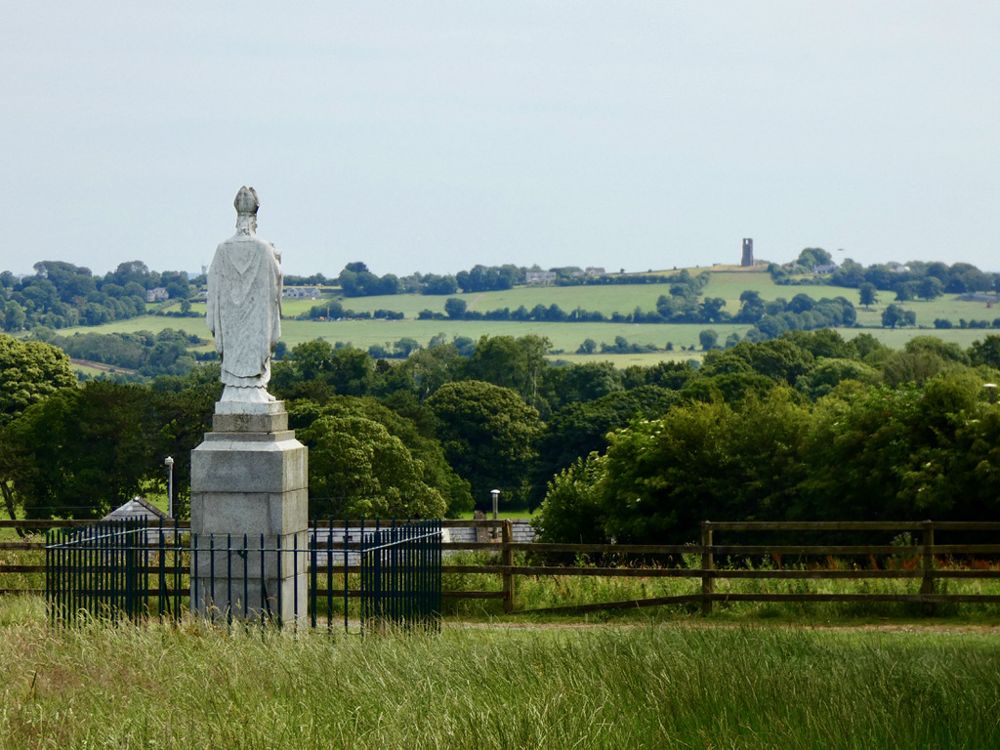
A statue and countryside view at the Hill of Tara
A statue and the surrounding countryside at the Hill of Tara. This photograph gives the hill’s setting rather than a close view of its archaeological earthworks. Resized from the credited source. Photo: Uppa66 ↗ · CC BY-SA 4.0

heritage

Hill of Tara

Tara asks you to slow down and read the ground. There is no surviving royal palace to walk through: banks, hollows and the Lia Fáil standing stone carry the story, with the Meath countryside opening out around…

Open place page →
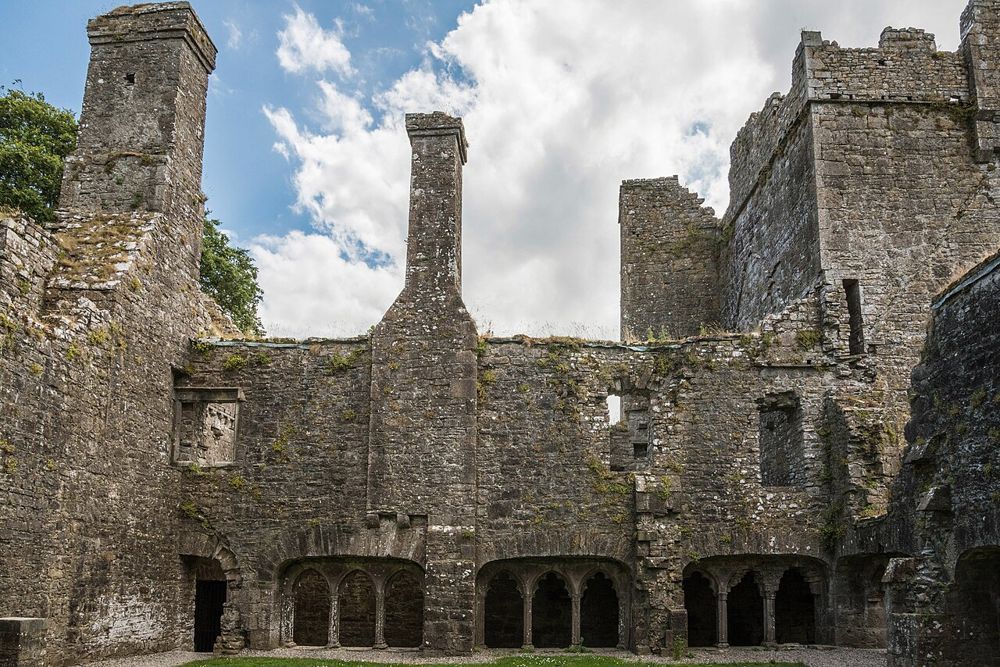
The surviving arcade and stone walls inside Bective Abbey
The surviving arcade and stone walls inside Bective Abbey. Source photograph; current access and conditions may differ. Resized from the credited source. Photo: Olliebailie ↗ · CC BY-SA 4.0

heritage

Bective Abbey

Bective is the Boyne Valley stop for people who enjoy looking closely at stonework. The surviving cloister arches frame small patches of countryside, while the heavier, fortified-looking additions make the…

Open place page →
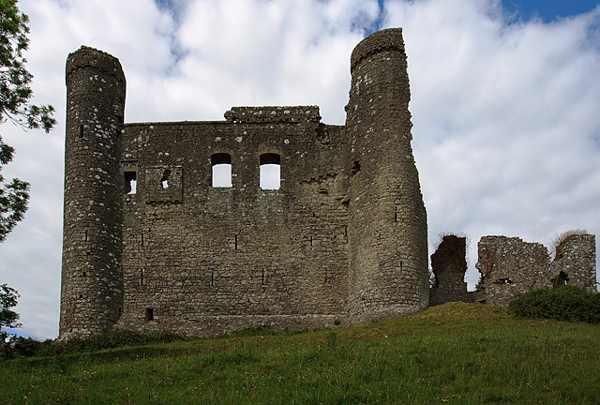
The surviving towers and wall at Dunmoe Castle.
The surviving towers and wall at Dunmoe Castle. Photo: Mike Searle ↗ · CC BY-SA 2.0

heritage

Dunmoe Castle

Dunmoe is an unguided castle ruin: stay on permitted ground and do not climb its surviving walls. Above the Boyne, the fragments retain the scale of a substantial towered residence despite the loss of much of…

Open place page →
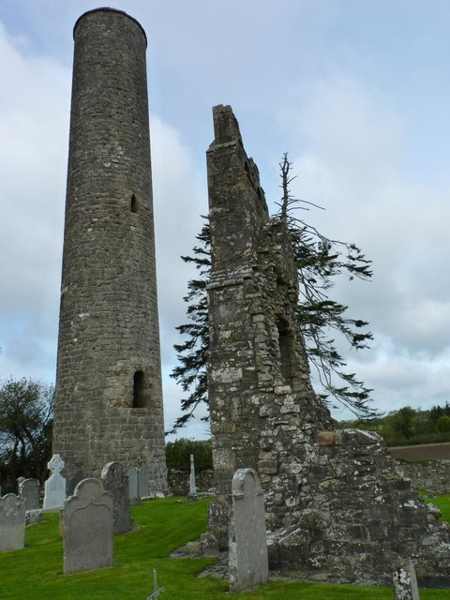
Abbey ruins and former church at Duleek
Abbey ruins and former church at Duleek. Resized for display. Photo: Nigel Thompson ↗ · CC BY-SA 2.0

heritage

Duleek Abbey

Duleek Abbey brings substantial medieval church ruins and a carved high cross into the centre of a living Meath village. The regional tourism authority lists free, year-round access. Take the visit as an…

Open place page →

External visitor reviews

Find the matching listing and reviews on Google Maps ↗

Part of a bigger journey

Location & access

Getting your bearings

The site’s association with St Colmcille belongs to a longer religious tradition than the standing medieval fabric. Historical identity does not establish entry to every opening or upper space.

53.58599, -6.56311 · Reference point; confirm the correct entrance and access. Map © OpenStreetMap contributors.

Orientation only: a verified public entrance is not established by this pin. Use the operator arrival information before travel.

Sources & place context

Browse more Ireland places →