Skip to content
TheLazyNick

heritage · Meath

Duleek Abbey

Duleek Abbey brings substantial medieval church ruins and a carved high cross into the centre of a living Meath village. The regional tourism authority lists free, year-round access. Take the visit as an outdoor encounter with an ecclesiastical landscape, allowing space for the graveyard and village around it rather than expecting a staffed museum.

Add to planSaved trips & places

Saved on this browser. No account needed.

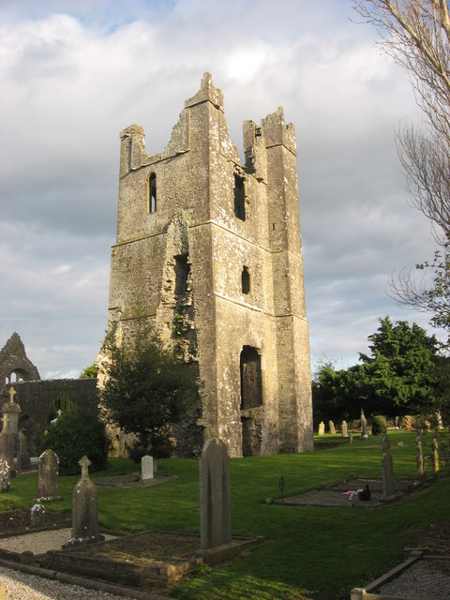
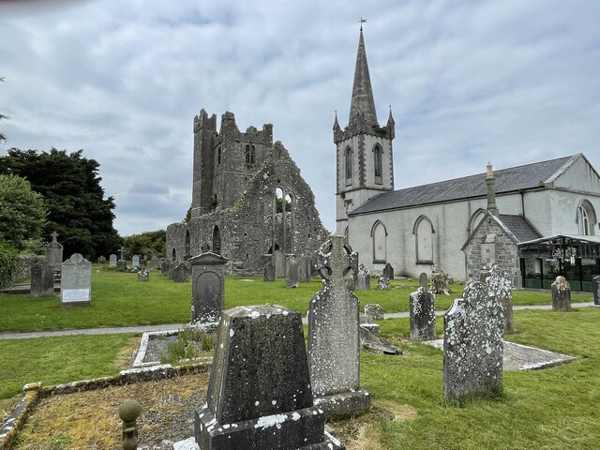
Abbey ruins and former church at Duleek
Abbey ruins and former church at Duleek. Resized for display. Photo: Nigel Thompson ↗ · CC BY-SA 2.0

From research

Is this worth your time?

Choose Duleek for a short heritage stop that rewards attention to different periods of religious use. The abbey can be worthwhile without extending the visit into a complete village trail. Walk slowly, leave gravestones and masonry untouched and give anyone using the burial ground the quiet and privacy their visit requires.

Know before you book: A self-guided outdoor ruin and graveyard setting; free access does not imply a staffed interior exhibition or permission to climb the masonry.

Place highlights

What you will actually see

01

The priory ruins

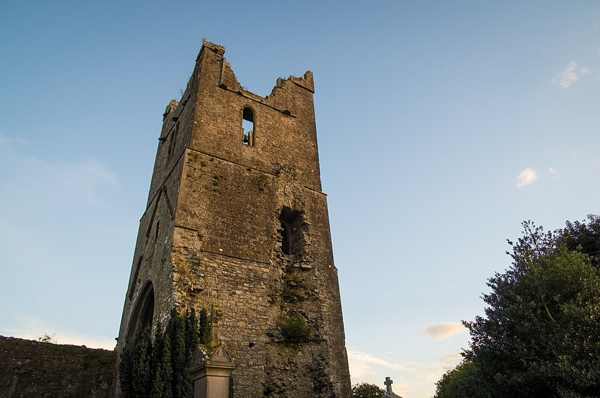
Look at the surviving church walls and openings as evidence of a much larger working religious place. Compare their scale with the surrounding village without trying to enter unsafe spaces. A clear view from the established approach can show the structure’s character without stepping onto walls or disturbing the ground.

02

The high cross

Pause to study the carved cross from a respectful distance. Changing light can make different details easier to see, so take time rather than touching the surface to trace a design. These weathered carvings belong to the monument and should remain undisturbed for the next visitor.

03

The wider ecclesiastical setting

The abbey is one part of Duleek’s longer religious history. Look for interpretation that distinguishes earlier associations from the surviving medieval fabric, and keep the surrounding graveyard in view as a place of continuing significance. A town-wide heritage trail is an optional separate extension, not a requirement for this stop.

The story behind the visit

The story behind the place

Boyne Valley interpretation associates Duleek with an early Christian settlement and St Cianán. The prominent surviving ruins belong to the later Augustinian priory of St Mary, established in the medieval period. Keeping those layers separate makes the place more legible: an early foundation tradition, later church buildings and subsequent use of the surrounding ground do not all belong to one moment. The high cross adds another form of religious expression to the site, complementing the much larger architectural remains. Source ↗

The abbey’s presence within the village is part of its value. It offers a way to understand ecclesiastical heritage through a small area of surviving fabric rather than through an isolated object or reconstructed scene. Regional tourism includes Duleek among the Boyne Valley’s religious sites, while the local heritage trail connects it with a wider town history. Visitors can choose how far to extend that context. An attentive circuit of the accessible exterior, with time to look at carving and masonry, can be complete on its own and leaves space for the living community around the monument. Source ↗

Visitor information

Tickets, timing and access

Opening
The regional tourism listing states access year round; choose daylight and respect local restrictions.Confirm with the operator ↗
Admission
The official regional listing states free admission.Confirm with the operator ↗
Booking
This guide covers a self-guided outdoor visit; arrange any guided activity separately.Confirm with the operator ↗
Access
Respect the graveyard, uneven ground and ruin boundaries; do not climb the structures.Confirm with the operator ↗
Duration
Allow 30–45 minutes for the abbey and exterior details.Confirm with the operator ↗
Seasonal
Weather and ground conditions can affect an outdoor visit in every season.Confirm with the operator ↗

Getting to the entrance

Use the linked St Mary’s Abbey location in Duleek village and follow local access signs. Approach the ruins with respect for the surrounding graveyard. Official visitor information ↗

Your questions, answered

Confirm current access and visitor arrangements with the operator.

Does free entry include a guided tour?

This guide covers the outdoor self-guided site; confirm any guided activity separately. Source ↗

Must I walk the whole Duleek Heritage Trail?

No. The abbey can be a short standalone stop; the wider trail is an optional extension. Source ↗

Nearby options

Nearby places to explore

Explore other places in the area, then use live directions to plan your journey.

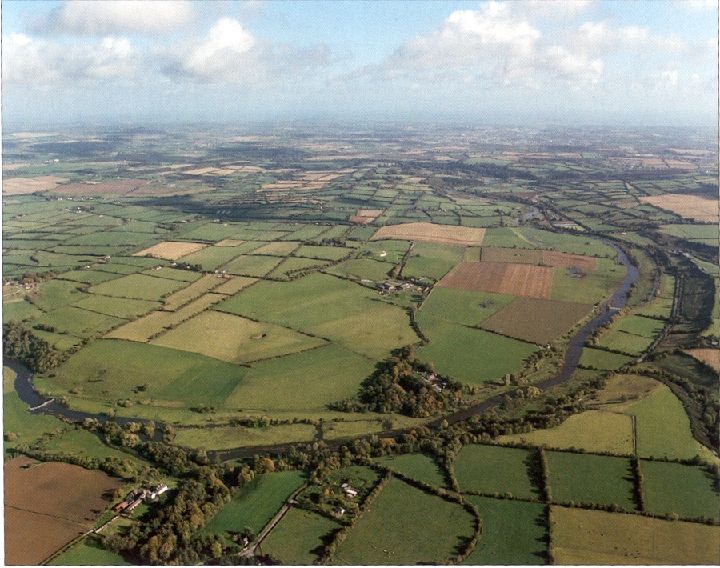
Aerial view of the Brú na Bóinne landscape and bend of the River Boyne
Aerial context view of the Brú na Bóinne landscape and bend of the River Boyne. This does not identify the visitor entrance or establish monument access. Photo: Pasztilla ↗ · Public domain

heritage

Brú na Bóinne

Brú na Bóinne is a planned archaeological visit, with the visitor centre and official shuttle system forming part of the experience rather than an optional prelude.

Open place page →
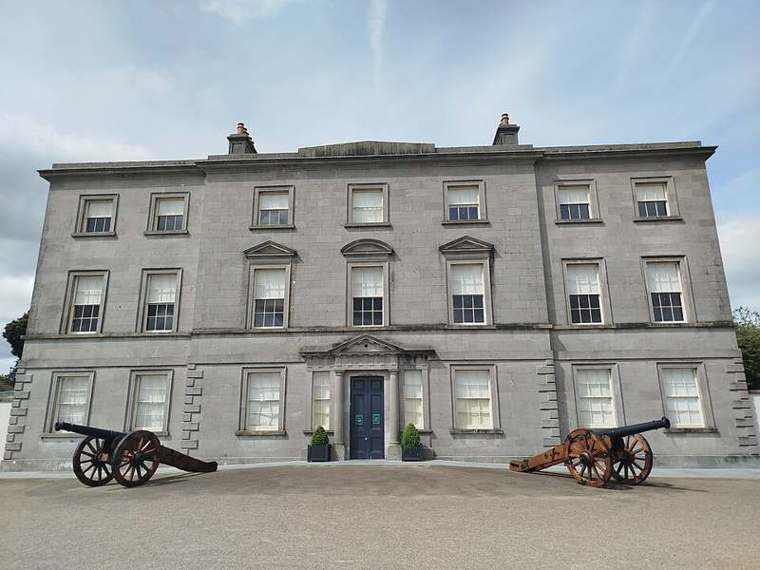
The front of Oldbridge House with cannon outside
Oldbridge House photographed in May 2025. The house interior is closed; the current visitor experience is in the stable yard. Resized and compressed; no crop. Photo: Sheila1988 ↗ · CC0

heritage

Battle of the Boyne Visitor Centre and Oldbridge Estate

At Oldbridge, a riverside landscape becomes a way to understand the Battle of the Boyne. Begin with the visitor interpretation and then give the estate walks time of their own. Looking across the ground helps…

Open place page →
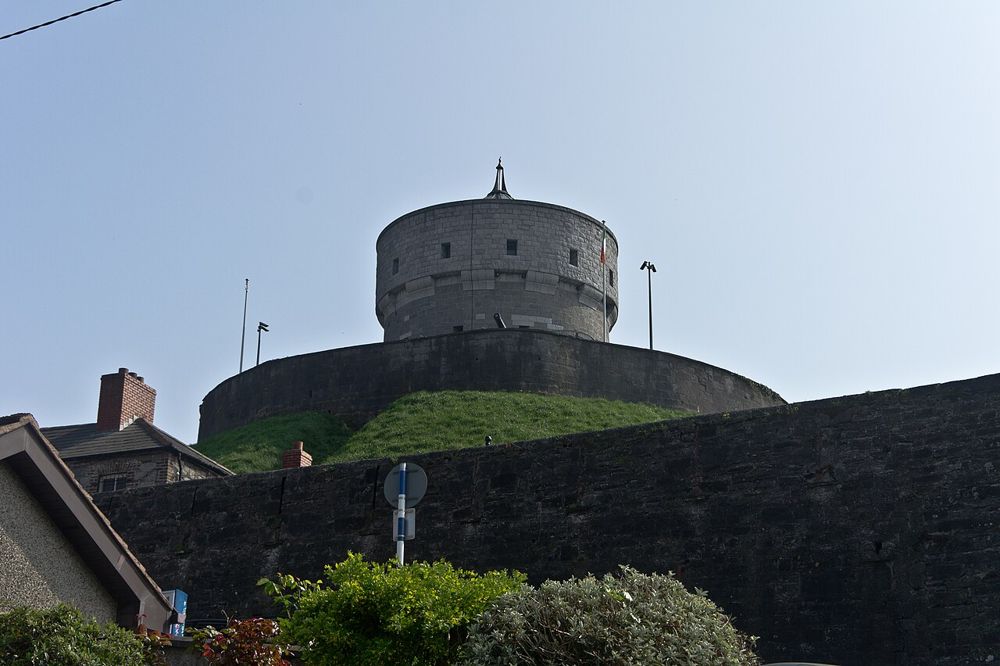
Millmount’s round fort above the grassy mound in Drogheda
Millmount’s round fort above the grassy mound in Drogheda. Source photograph; current access and conditions may differ. Resized from the credited source. Photo: William Murphy from Dublin, Ireland ↗ · CC BY-SA 2.0

attraction

Drogheda Museum Millmount

Millmount gives Drogheda both a lookout and a local history collection. The mound rises above the streets, so the town becomes easier to understand geographically before the exhibits add its human detail.…

Open place page →
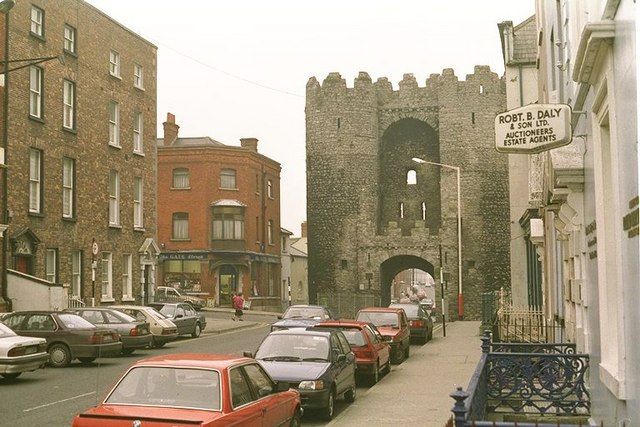
St Laurence’s Gate in Drogheda’s streetscape
St Laurence’s Gate in Drogheda’s streetscape. Source photograph dated 1983. Source photograph; current access and conditions may differ. Resized from the credited source. Photo: Raymond Okonski ↗ · CC BY-SA 2.0

heritage

St Laurence’s Gate

St Laurence’s Gate is a compact but memorable piece of medieval Drogheda. Two tall towers and the arch between them turn an ordinary street into a glimpse of the defended town. It works best as part of a walk,…

Open place page →
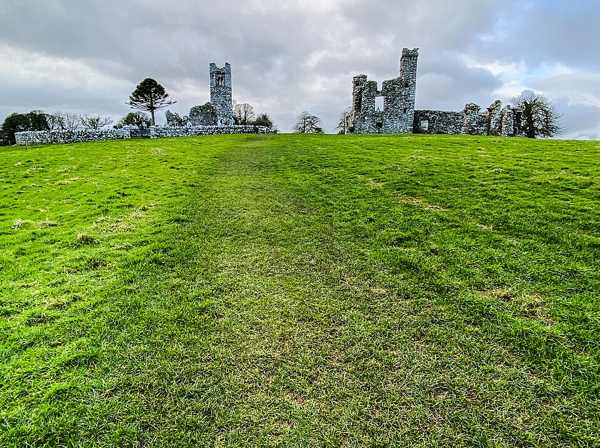
Ruined church on the Hill of Slane
Ruined church on the Hill of Slane. Resized for display. Photo: Dieglop ↗ · CC BY-SA 4.0

heritage

Hill of Slane

The Hill of Slane is an unguided outdoor monument with uneven ground, old masonry and a burial-ground setting to respect. Above Slane village, ruined religious buildings share an elevated outlook across the…

Open place page →
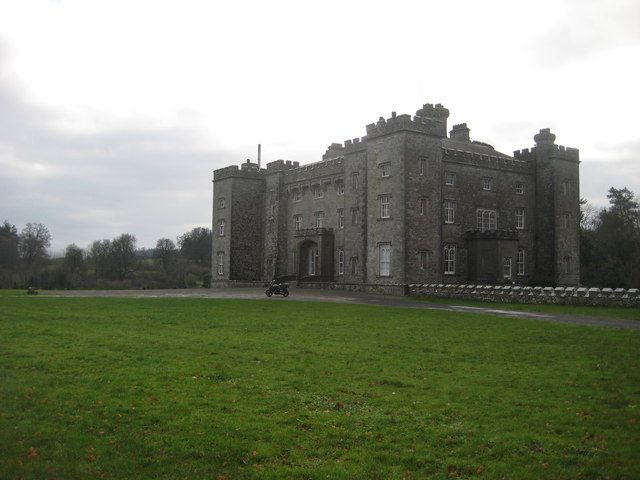
The castellated exterior of Slane Castle
The castellated exterior of Slane Castle in the Boyne Valley. Resized from the credited source; appearance and access may have changed. Photo: Jamie Carroll ↗ · CC BY-SA 2.0

heritage

Slane Castle

Slane is a country house with a second life as a concert landmark. A castle tour connects the rooms and family history with the musicians who made its sloping grounds famous. That mix is the reason to come: it…

Open place page →

External visitor reviews

Find the matching listing and reviews on Google Maps ↗

Part of a bigger journey

Location & access

Getting your bearings

A self-guided outdoor ruin and graveyard setting; free access does not imply a staffed interior exhibition or permission to climb the masonry.

53.65506, -6.41883 · Reference point; confirm the correct entrance and access. Map © OpenStreetMap contributors.

Orientation only: a verified public entrance is not established by this pin. Use the operator arrival information before travel.

Sources & place context

Browse more Ireland places →