From research
Is this worth your time?
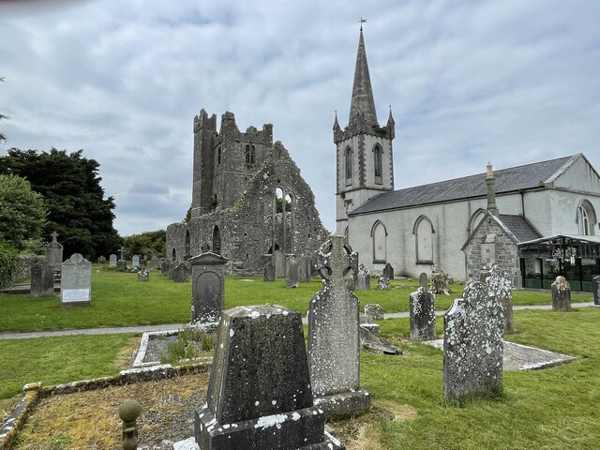
Choose the hill if you enjoy an archaeological place that can be explored slowly without a formal exhibition. The ruined church and college deserve attention alongside the wider view. Keep historical evidence distinct from later tradition, and stay on permitted ground rather than assuming that towers or roofless buildings are safe to climb.
Know before you book: No tower climb or staffed indoor visitor experience is included. Keep off historic walls and respect graves, barriers and current local restrictions.
The story behind the visit
The story behind the place
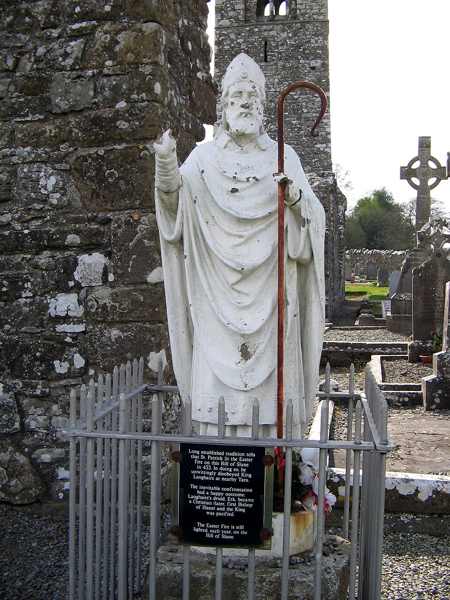
The hill carries a tradition that Saint Patrick lit a Paschal fire here in defiance of the king at Tara. That story is an important part of its religious identity, but it should be presented as tradition rather than confused with the date of the surviving ruins. OPW describes a much longer sequence of religious activity, including early church foundations and later medieval rebuilding. The visible buildings represent only some of the phases associated with the place. Source ↗
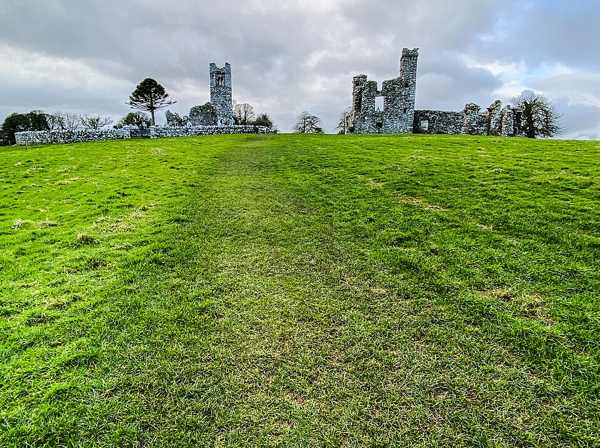
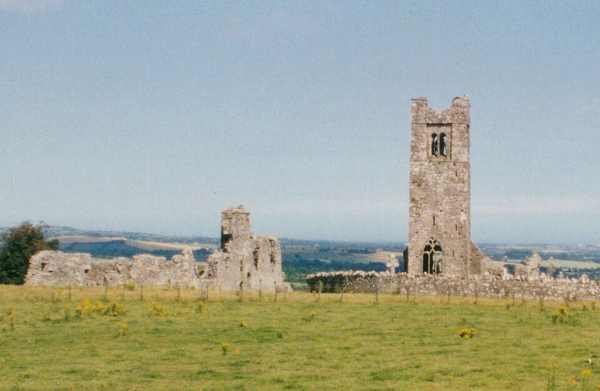
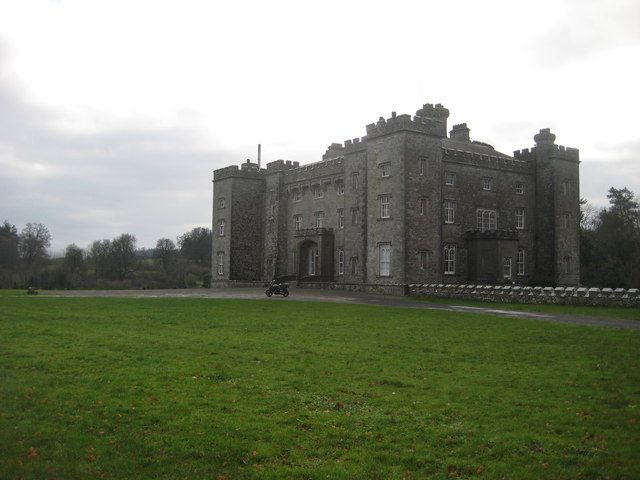
The surviving church, tower and college connect the hill with late medieval and early modern religious life. The college was established under the patronage of the Flemings, the family associated with Slane, before dissolution in the sixteenth century changed its fortunes. Looking at how these remains relate to the burial enclosure helps turn an apparently scattered ruin into a more coherent site. A quiet ground-level visit can convey that history without assuming access to upper structures or reducing the whole place to a single legendary event. The church’s Gothic tower and surviving three-light window provide architectural details to compare with the college ruins, giving the visit a focus beyond the distant view. Source ↗