Skip to content
TheLazyNick

heritage · Cork

Red Abbey

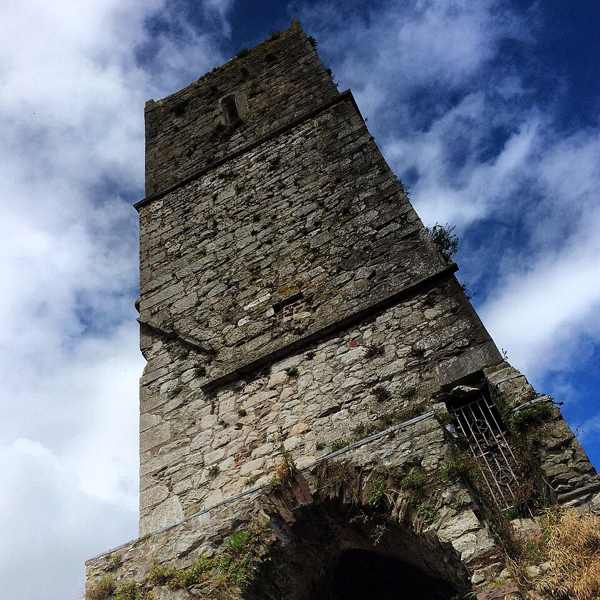
The Red Abbey is a surviving tower viewed from public urban areas; entry and climbing are outside this visit. In Cork’s south-side streets, it provides a conspicuous link with a much larger medieval religious complex. Look at the tower’s proportions and position, while keeping present-day traffic, neighbouring properties and any barriers separate from the historic building story.

Add to planSaved trips & places

Saved on this browser. No account needed.

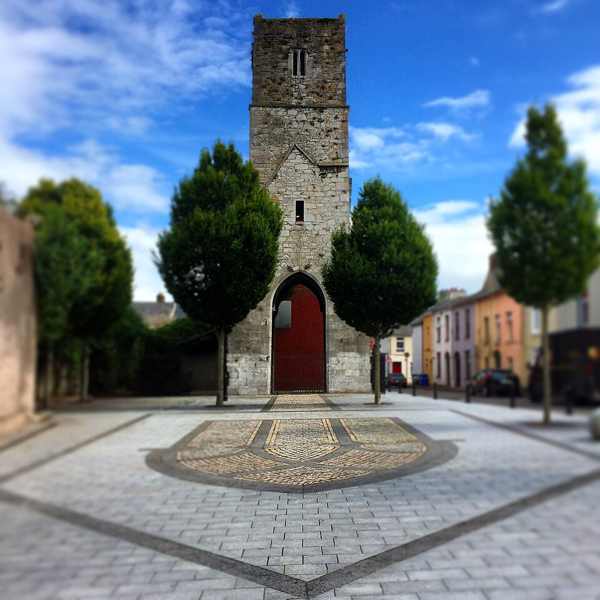
The Red Abbey tower within Cork’s present-day streetscape.
The Red Abbey tower within Cork’s present-day streetscape. Photo: Michael Waldron ↗ · CC BY-SA 4.0

From research

Is this worth your time?

Choose this stop if you want a short encounter with Cork’s medieval fabric between larger visits. The tower rewards looking upward and considering what is missing around it, but it is not a complete abbey tour. A few deliberate viewpoints from public areas can explain its significance better than searching for an entrance.

Know before you book: The former church and associated buildings do not survive as a complete visitable complex. Do not infer tower access from the monument’s prominence or historic importance.

Place highlights

What you will actually see

01

The surviving tower

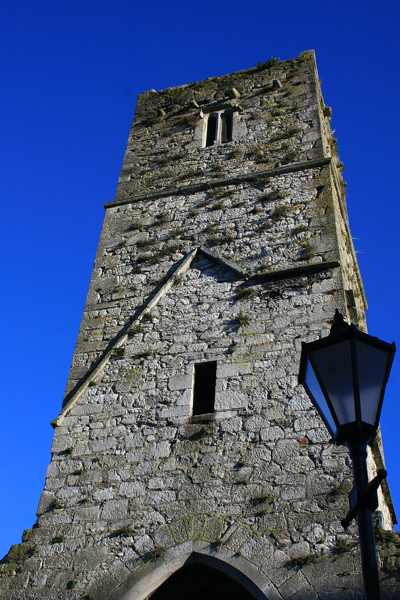
Observe the square form and the way the tower rises above the surrounding streets. Its survival can be understood as a fragment of a larger church rather than a freestanding monument designed in isolation. Use public pedestrian areas instead of stepping into traffic for a symmetrical photograph.

02

The missing complex

Consider how a church and other friary buildings once related to the standing tower. The present urban surroundings differ greatly from the original religious setting. Interpretation is useful here precisely because most of the complex has gone; avoid turning an imagined plan into directions through neighbouring property.

03

A changing city

Look at the contrast between the medieval survivor and the buildings around it. Later use, fire and redevelopment shaped what remains. The visit can connect different periods of Cork’s history without claiming that every nearby wall or street surface belongs to the abbey.

The story behind the visit

The story behind the place

The Red Abbey was an Augustinian foundation in medieval Cork. The surviving square tower represents only part of that religious establishment, yet its visibility makes it an important marker within the modern city. The national tourism account places the foundation in the later medieval period and identifies the tower as a rare survivor from that era. Its significance is therefore both architectural and urban: a single piece of masonry helps locate a former institution whose full buildings and open spaces no longer survive. Source ↗

The friars remained for a period after the Reformation, and the former complex later acquired an industrial use as a sugar refinery. Fire in the late eighteenth century destroyed much of what remained, helping explain why the tower now appears detached from its original context. These changes connect the religious site with the city’s later commercial history rather than leaving it frozen in a medieval moment. Looking at the survivor from public ground allows those successive roles to be considered together. The absence of an interior visitor route is consistent with that fragmentary condition, not a reason to seek access through surrounding premises. Source ↗

Visitor information

Tickets, timing and access

Opening
An unguided outdoor visit; follow any current site notices and barriers rather than assuming access to every part of the site.Confirm with the operator ↗
Admission
Plan an independent outdoor stop and follow the current access notices.Confirm with the operator ↗
Booking
This is an independent outdoor stop; arrange any specialist group activity separately.Confirm with the operator ↗
Access
Exterior viewing from public areas only; no tower entry, climbing or access through neighbouring property.Confirm with the operator ↗
Duration
Allow about 20–30 minutes for a short urban exterior stop.Confirm with the operator ↗
Seasonal
Daylight, weather and ground conditions affect the visit. A listed monument is not a guarantee of unrestricted access.Confirm with the operator ↗

Getting to the entrance

Use the official Red Abbey reference in Cork city’s south-side streets. Keep public footways clear and do not confuse the tower location with a visitor-centre entrance. Official visitor information ↗

Your questions, answered

Confirm current access and visitor arrangements with the operator.

Is there an abbey interior to tour?

No complete abbey complex survives as an interior visitor attraction; the focus is the standing tower and its context. Source ↗

Was the site always used for worship?

No. The former complex later accommodated a sugar refinery before a destructive fire. Source ↗

Nearby options

Nearby places to explore

Explore other places in the area, then use live directions to plan your journey.

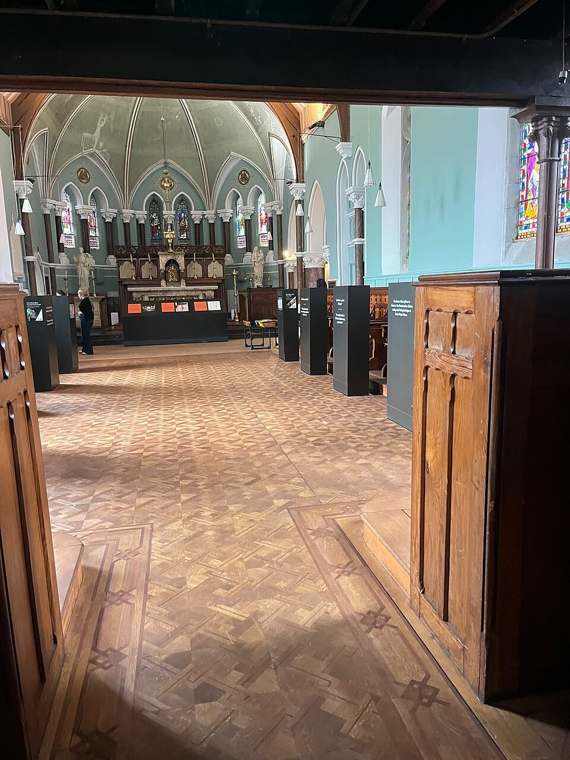
The church interior at Nano Nagle Place in Cork.
The church interior at Nano Nagle Place in Cork. Photo: Luaslou ↗ · CC BY-SA 4.0

heritage

Nano Nagle Place

Nano Nagle Place joins a museum of education and social change with gardens and an active community setting. It offers a quieter way into Cork’s history, with paid interpretation inside and outdoor spaces that…

Open place page →
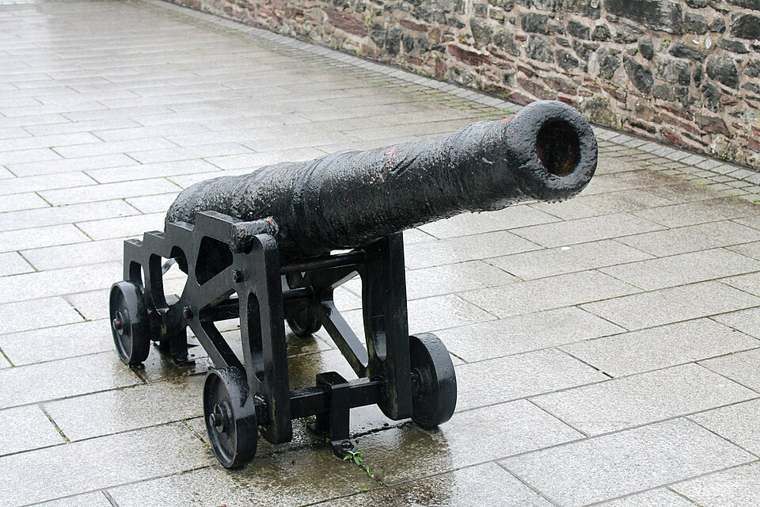
A cannon displayed at Elizabeth Fort.
A cannon displayed at Elizabeth Fort. Photo: Vimalkvn ↗ · CC BY-SA 4.0

heritage

Elizabeth Fort

Elizabeth Fort provides a compact way to read Cork from above and understand the defensive role of the hill south of the city centre. The courtyard is the easier part of the visit; the walls involve a steep…

Open place page →
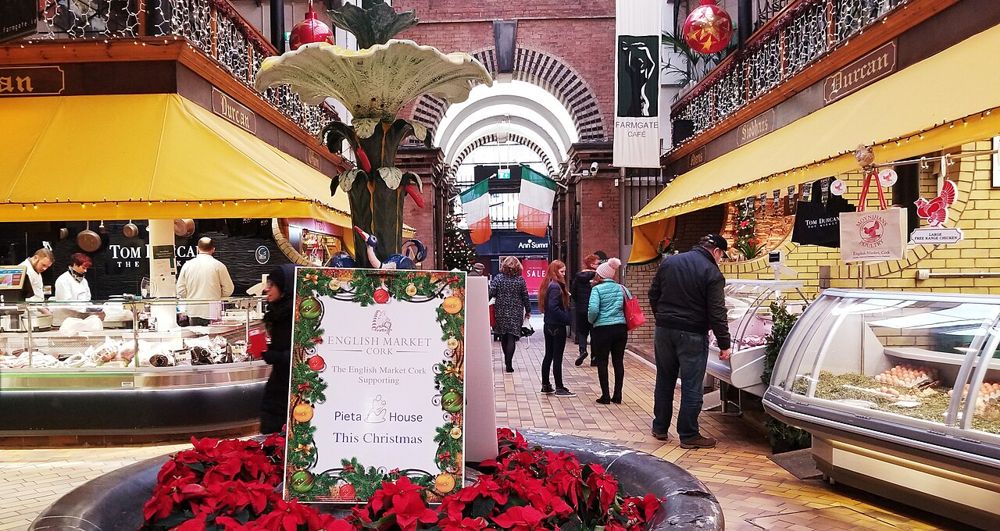
The covered interior of Cork’s English Market
The covered interior of Cork’s English Market. Source photograph; conditions and access may have changed. Resized from the credited original. Photo: Dan Curran ↗ · CC BY-SA 4.0

attraction

The English Market

The best way to visit the English Market is to behave a little more like a shopper. Look at what is being sold, leave room at the counters and buy something that interests you. A short, attentive browse gives…

Open place page →
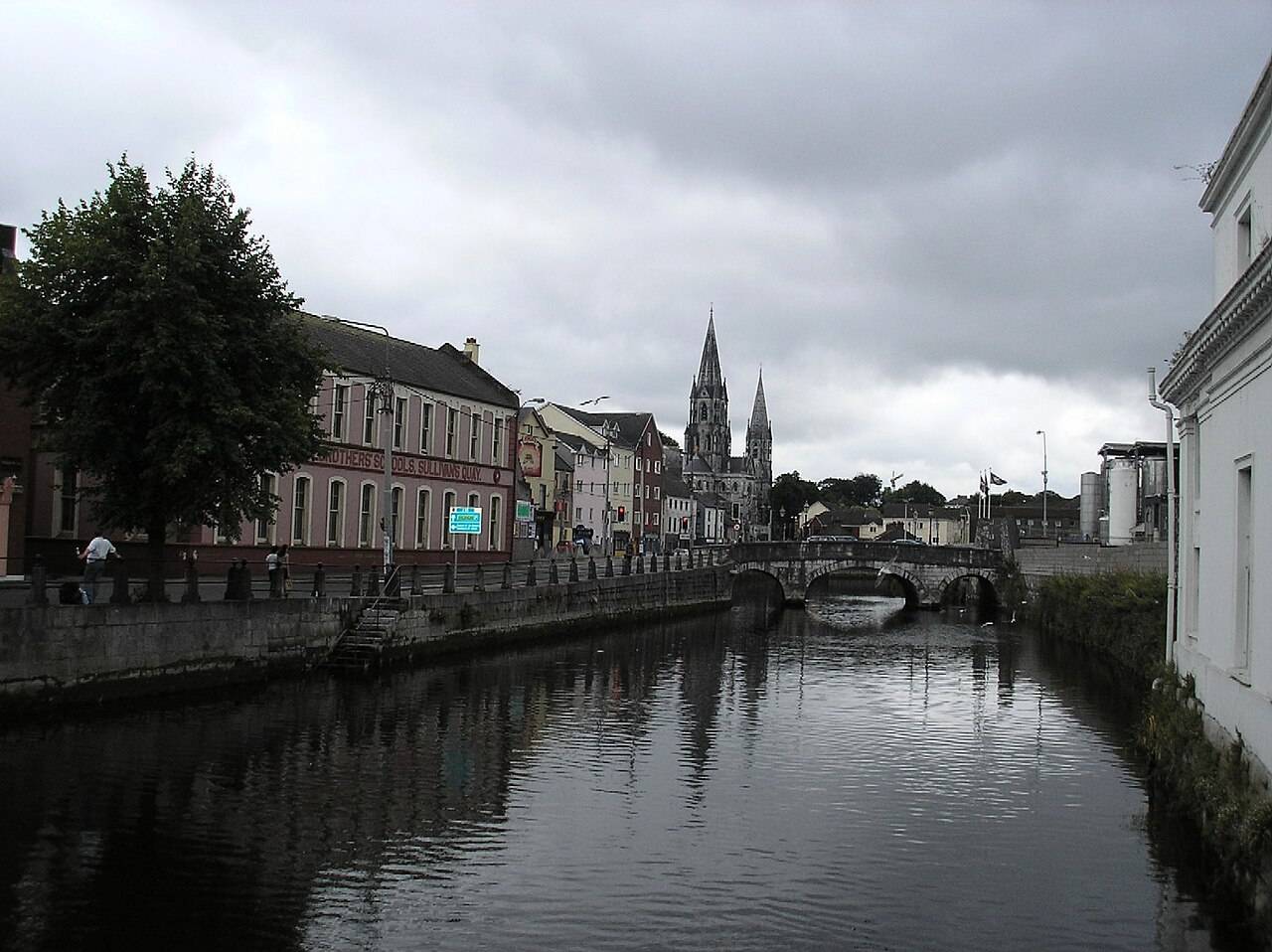
River Lee and buildings in Cork city
River Lee and buildings in Cork city. Source photograph; current access and conditions may differ. Photo: Valdoria ↗ · Public domain

city

Cork City

Cork City offers a compact urban break built around streets, food-market culture and the relationship between the centre, the river channels and the hills beyond.

Open place page →

External visitor reviews

Find the matching listing and reviews on Google Maps ↗

Part of a bigger journey

Location & access

Getting your bearings

The former church and associated buildings do not survive as a complete visitable complex. Do not infer tower access from the monument’s prominence or historic importance.

51.89409, -8.47238 · Reference point; confirm the correct entrance and access. Map © OpenStreetMap contributors.

Orientation only: a verified public entrance is not established by this pin. Use the operator arrival information before travel.

Sources & place context

Browse more Ireland places →