Skip to content
TheLazyNick

heritage · Mayo

Murrisk Abbey

Murrisk Abbey stands beside Clew Bay with Croagh Patrick rising behind it, but the religious buildings deserve a visit in their own right. The church and domestic remains provide a smaller, more contained heritage outing than the mountain pilgrimage. Explore the permitted ground carefully and let the relationship between ruins, bay and mountain give the site its context.

Add to planSaved trips & places

Saved on this browser. No account needed.

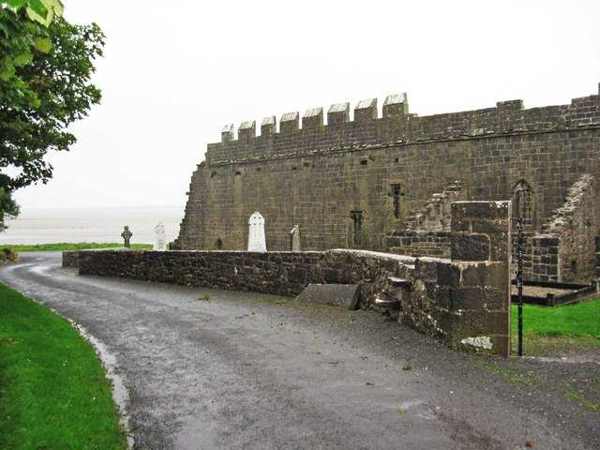
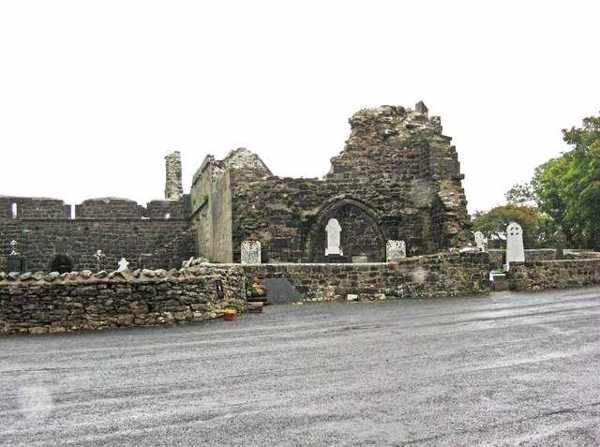
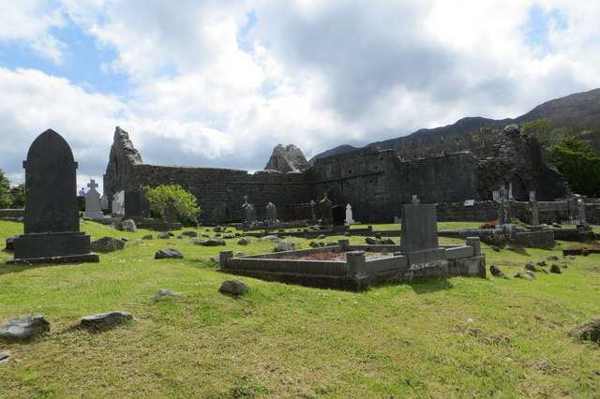
Murrisk Abbey ruins and graveyard
Murrisk Abbey ruins and graveyard. Resized for display. Photo: Robert Ashby ↗ · CC BY-SA 2.0

From research

Is this worth your time?

Choose Murrisk if you want an unguided medieval monument without committing to a mountain climb. It rewards a slow look at the walls and setting. Keep the visit distinct from Croagh Patrick: suitable footwear and care around old masonry matter here, while any mountain route needs a separate plan.

Know before you book: This is an unguided national monument. Uneven ground and fragile masonry require care; keep to permitted areas and do not climb the ruins.

Place highlights

What you will actually see

01

The church remains

Look at the surviving church from the permitted ground, noticing its proportions and relationship to the rest of the complex. Let gaps and openings help you read the building, without climbing walls or moving stone to obtain a better view.

02

Domestic buildings

The adjoining remains recall that a religious community needed spaces for daily living as well as worship. Trace their relationship to the church where the visitor route allows. Avoid assuming that every enclosed or roofless area is safe to enter.

03

Bay and mountain

Pause to look at the setting between Clew Bay and Croagh Patrick. The abbey’s religious history connects it with the mountain, but the shoreline position gives this visit its own character. Keep your attention on footing when turning towards the view.

The story behind the visit

The story behind the place

OPW dates the foundation to around 1456 and identifies Hugh O’Malley, a Gaelic chieftain, as its founder for the Augustinian friars. The abbey was dedicated to Saint Patrick and associated with the Croagh Patrick pilgrimage. These connections place the ruins within both local patronage and a wider religious landscape. Looking from the surviving buildings towards the mountain helps explain that relationship without turning the abbey visit into the start of a climb. Source ↗

The surviving complex includes a small church and domestic buildings, giving some sense of a community whose life combined prayer with ordinary daily needs. OPW also records a tradition that relics of Saint Patrick were held here; that should be understood as a reported tradition rather than a surviving display. The present monument is unguided, so careful observation matters more than expecting a staffed exhibition. Keep the masonry undisturbed and allow the setting to provide context for what remains, rather than guessing at missing structures. Source ↗

Visitor information

Tickets, timing and access

Opening
Plan a daylight visit and follow any current OPW or local access notices.Confirm with the operator ↗
Admission
No ticketed guided product is advertised; follow current local arrangements.Confirm with the operator ↗
Booking
This is an unguided monument, without a scheduled tour departure.Confirm with the operator ↗
Access
Use permitted ground with care around uneven surfaces and historic masonry.Confirm with the operator ↗
Duration
Allow 30–45 minutes for the ruins and their setting.Confirm with the operator ↗
Seasonal
The exposed shore can be wet or windy; do not climb walls or cross barriers.Confirm with the operator ↗

Getting to the entrance

Follow the signed abbey approach at Murrisk near Croagh Patrick. The OPW map point is an orientation reference for the monument, separate from the mountain trail. Official visitor information ↗

Your questions, answered

Confirm current access and visitor arrangements with the operator.

Is a mountain climb part of the visit?

No. The abbey is a separate heritage stop; plan Croagh Patrick independently. Source ↗

Is there an indoor exhibition?

OPW presents an unguided monument. Do not expect a staffed museum or guaranteed sheltered interior. Source ↗

Nearby options

Nearby places to explore

Explore other places in the area, then use live directions to plan your journey.

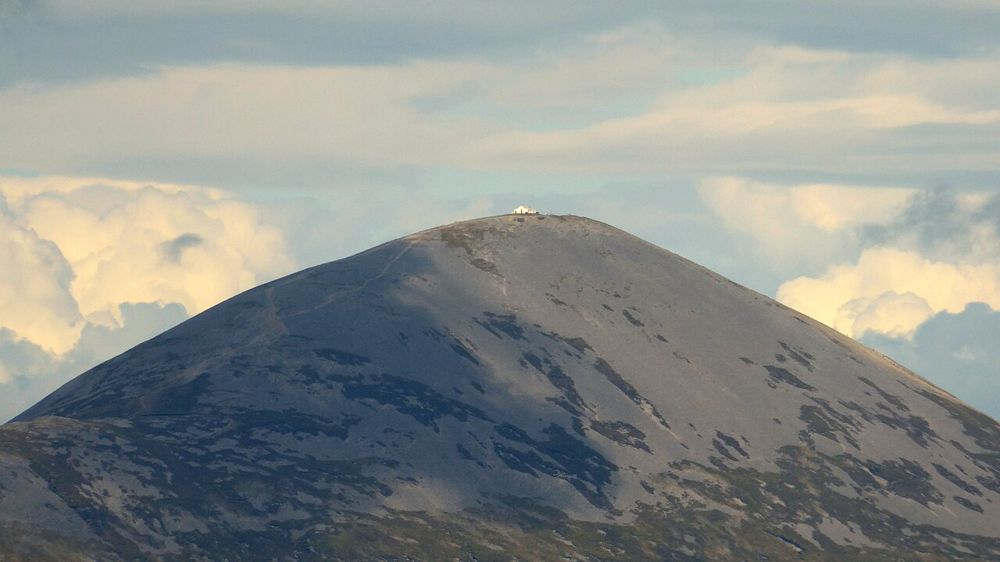
Croagh Patrick rising above the Mayo landscape
Croagh Patrick rising above the Mayo landscape. Source photograph; conditions and access may have changed. Photo: Vicuna R ↗ · CC BY-SA 2.0

nature

Croagh Patrick

Croagh Patrick rises above Clew Bay with a history that matters to many people before they take a step uphill. Some come as pilgrims, others for the mountain and the view. Either way, a climb is a substantial…

Open place page →
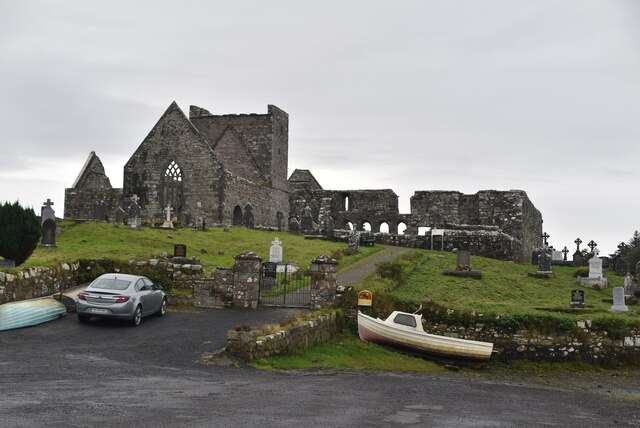
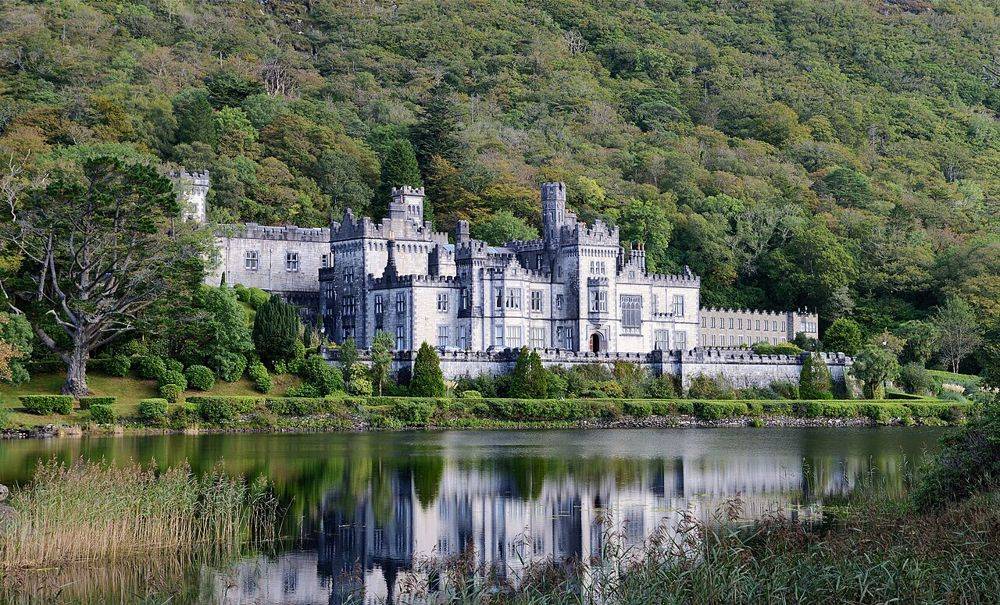
Burrishoole Friary beside the water
Burrishoole Friary beside the water. Resized for display. Photo: N Chadwick ↗ · CC BY-SA 2.0

heritage

Burrishoole Abbey

Burrishoole Abbey stands beside an inlet of Clew Bay near Newport, where a surviving church and cloister fragments sit within a quiet burial landscape. The Dominican foundation combines local family history…

Open place page →
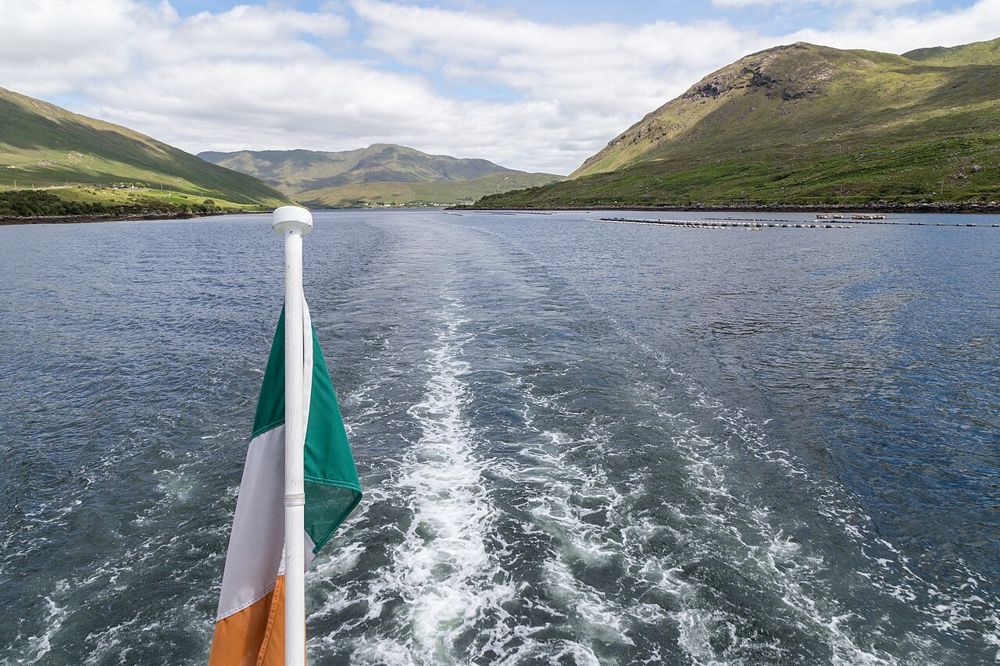
Killary Harbour framed by Connemara mountain slopes
Killary Harbour framed by Connemara mountain slopes. Source photograph; conditions and access may have changed. Photo: JoachimKohler-HB ↗ · CC BY-SA 4.0

nature

Killary Harbour

Killary’s long inlet gives north Connemara a different kind of coastline: mountain slopes frame a narrow strip of water, and the view changes as you move along its southern shore. You can appreciate the…

Open place page →
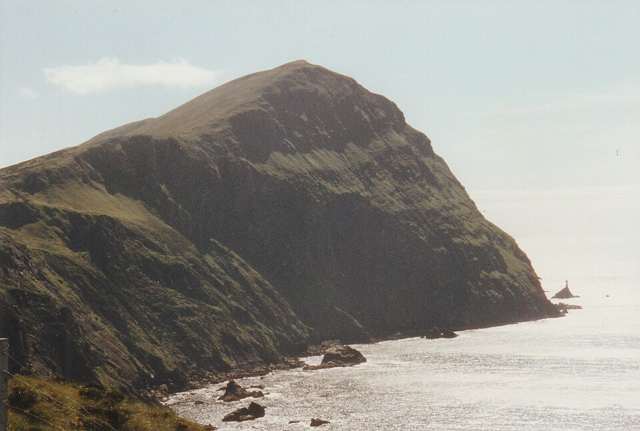
Clare Island’s high coastal cliffs above the Atlantic
Clare Island’s high coastal cliffs above the Atlantic. Resized for display. Photo: Ridiculopathy ↗ · CC0

nature

Clare Island

Clare Island lies at the entrance to Clew Bay, combining a working island community, coastal scenery and a long history. Begin with the ferry from Roonagh and a confirmed return. Harbour views and quiet roads…

Open place page →
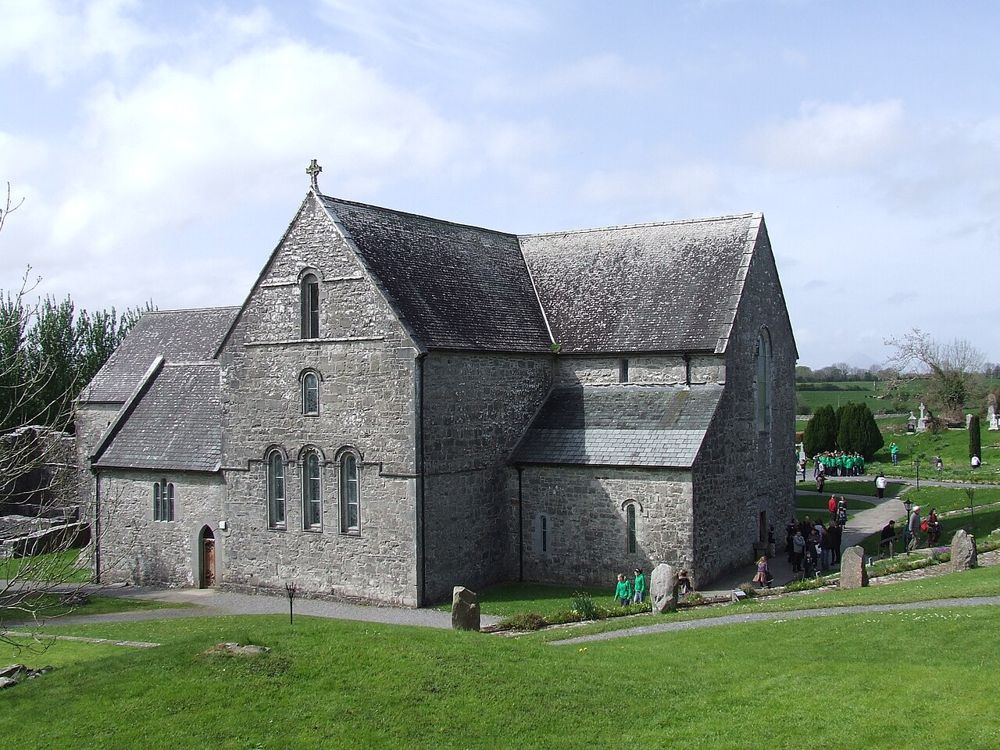
Eastern elevation of Ballintubber Abbey
Eastern elevation of Ballintubber Abbey. Source photograph; conditions and access may have changed. Photo: Laurel Lodged ↗ · CC0

heritage

Ballintubber Abbey

Ballintubber is a living church as well as an old abbey, and that changes the way to visit. The building, cloister remains and grounds reward quiet attention, while worship and local use continue around them.…

Open place page →

External visitor reviews

Find the matching listing and reviews on Google Maps ↗

Part of a bigger journey

Location & access

Getting your bearings

This is an unguided national monument. Uneven ground and fragile masonry require care; keep to permitted areas and do not climb the ruins.

53.78198, -9.63955 · Reference point; confirm the correct entrance and access. Map © OpenStreetMap contributors.

Orientation only: a verified public entrance is not established by this pin. Use the operator arrival information before travel.

Sources & place context

Browse more Ireland places →