Skip to content
TheLazyNick

heritage · Kildare

Moone High Cross

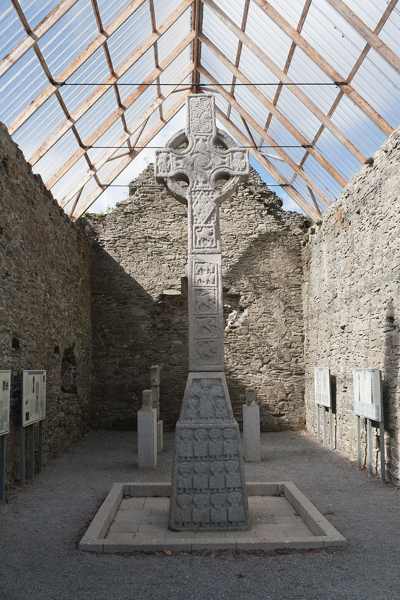
Moone High Cross is fragile carved granite, viewed within a protective shelter in the ruined church rather than handled or climbed. The tall cross combines biblical scenes with animal carving and a history of rediscovery and reassembly. Give the individual faces time, while respecting the burial-ground setting and current visitor boundaries.

Add to planSaved trips & places

Saved on this browser. No account needed.

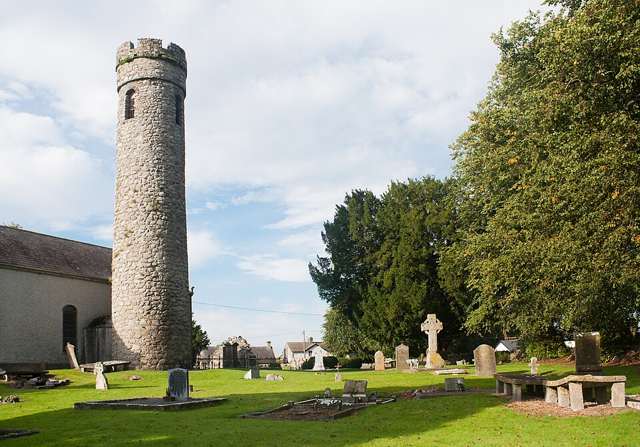
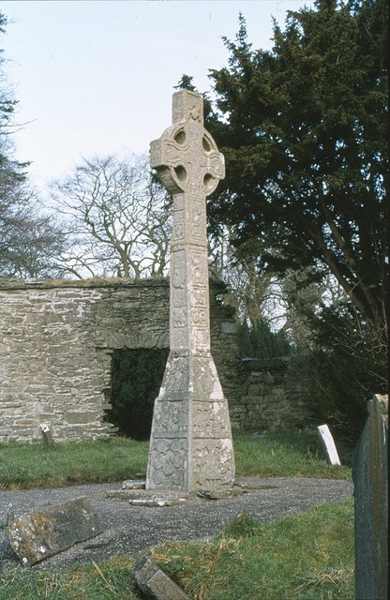
Moone High Cross in an earlier outdoor view
Moone High Cross in an earlier outdoor view. Resized for display. Photo: Kieran Campbell ↗ · CC BY-SA 2.0

From research

Is this worth your time?

Choose Moone if you enjoy an object whose small details reward a slower visit. Walking around the permitted viewing area reveals more than a single frontal photograph. Use interpretation to identify scenes and keep uncertain meanings distinct from clear surviving forms, without treating the protective roof as evidence of a staffed indoor museum.

Know before you book: This is an unguided historic place with uneven ground and fragile fabric. Respect current barriers, burial areas and the permitted approach; do not climb.

Place highlights

What you will actually see

01

The whole cross

Step back on permitted ground to understand the relationship between base, shaft and head. Its height can distract from the individual carved panels, so begin with the broad arrangement before moving your attention to smaller details.

02

Narrative panels

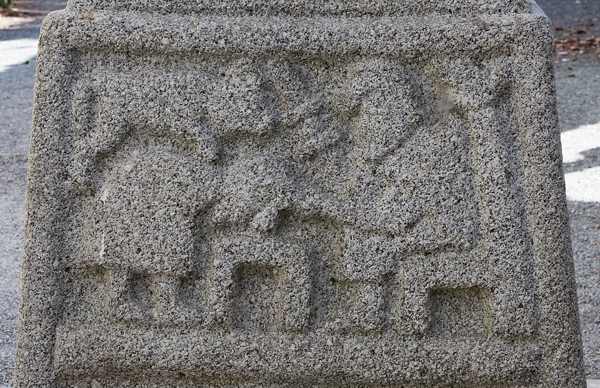
Compare the biblical scenes and repeated figures where the light allows. Official interpretation helps identify particular subjects. Leave every surface untouched, avoid rubbings and allow other visitors room to see without crowding the monument.

03

The church setting

Notice how the cross is protected within the ruined church and graveyard. The shelter supports conservation rather than recreating an original medieval room. Respect graves and current barriers while looking at the relationship between object, building and surrounding space.

The story behind the visit

The story behind the place

OPW places the cross in the early medieval period and describes its construction in three sections. Parts were rediscovered in 1835, while the middle shaft was located later in the nineteenth century, allowing the monument to be reassembled at its full height. That history matters when looking at an apparently complete ancient object: its present arrangement includes modern recovery and conservation rather than uninterrupted survival in exactly the same visible condition. Source ↗

The carvings include scenes identified as Daniel in the lions’ den, the loaves and fishes, the Crucifixion and the Apostles, alongside animals and birds. They offered a visual language of religious storytelling, while also demonstrating the stone-carver’s organisation of a complex surface. Look at how the scenes occupy different parts of the cross rather than assuming every figure can be read immediately. The protective roof reflects the continuing need to care for the sculpture, and a respectful visit leaves the granite untouched for future viewers. That reassembly followed two separate discoveries, with the missing middle section finally located in 1893; the present height therefore reflects a documented history of recovery and conservation. Source ↗

Visitor information

Tickets, timing and access

Opening
Visit in daylight and follow current local access notices.Confirm with the operator ↗
Admission
No staffed admission product is advertised; check any current local arrangements.Confirm with the operator ↗
Booking
Independent viewing has no scheduled departure; arrange specialist guiding separately.Confirm with the operator ↗
Access
Stay on the permitted visitor route; leave masonry and carved surfaces untouched.Confirm with the operator ↗
Duration
Allow about 45 minutes for the monument and its immediate setting.Confirm with the operator ↗
Seasonal
Wet surfaces and short daylight can affect the visit; wear suitable shoes.Confirm with the operator ↗

Getting to the entrance

Use the signed Moone High Cross approach in County Kildare and follow the current entrance into the church and burial-ground setting. Official visitor information ↗

Your questions, answered

Confirm current access and visitor arrangements with the operator.

Why is the cross under a roof?

The shelter protects the carved monument from weathering; it is part of its conservation. Source ↗

Has the cross always stood in this complete form?

No. Its sections were recovered and reassembled during the nineteenth century. Source ↗

Nearby options

Nearby places to explore

Explore other places in the area, then use live directions to plan your journey.

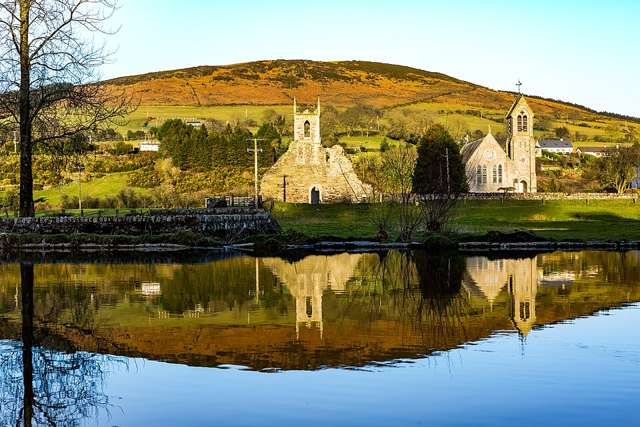
The church and abbey complex beside the River Slaney at Baltinglass
The church and abbey complex beside the River Slaney at Baltinglass. Resized for display. Photo: Digital Eye ↗ · CC BY-SA 4.0

heritage

Baltinglass Abbey

Baltinglass Abbey occupies the east bank of the River Slaney near the town centre. Surviving church arcades, carved stone and traces of the cloister make the Cistercian foundation readable even in ruin. A…

Open place page →
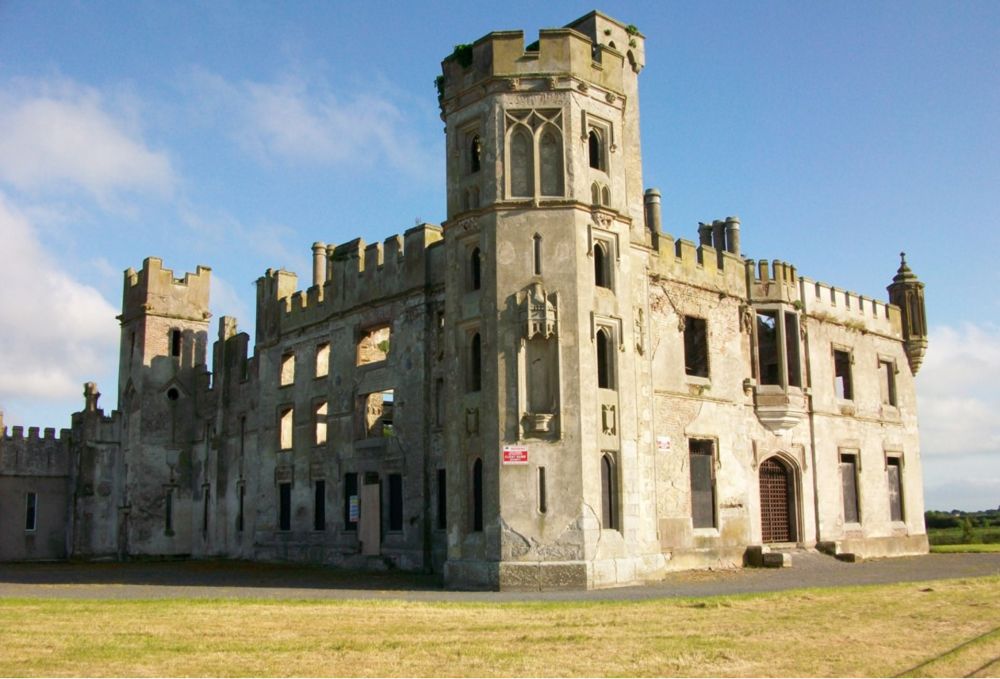
The ruined Gothic mansion at Duckett’s Grove
The ruined Gothic mansion at Duckett’s Grove. Resized from credited source. Photo: Irlandahijo ↗ · CC BY-SA 3.0

heritage

Duckett’s Grove

Duckett’s Grove is all silhouette: turrets, tall windows and a mansion that looks more medieval than its history actually is. The ruined house makes the first impression, but the restored walled gardens give…

Open place page →
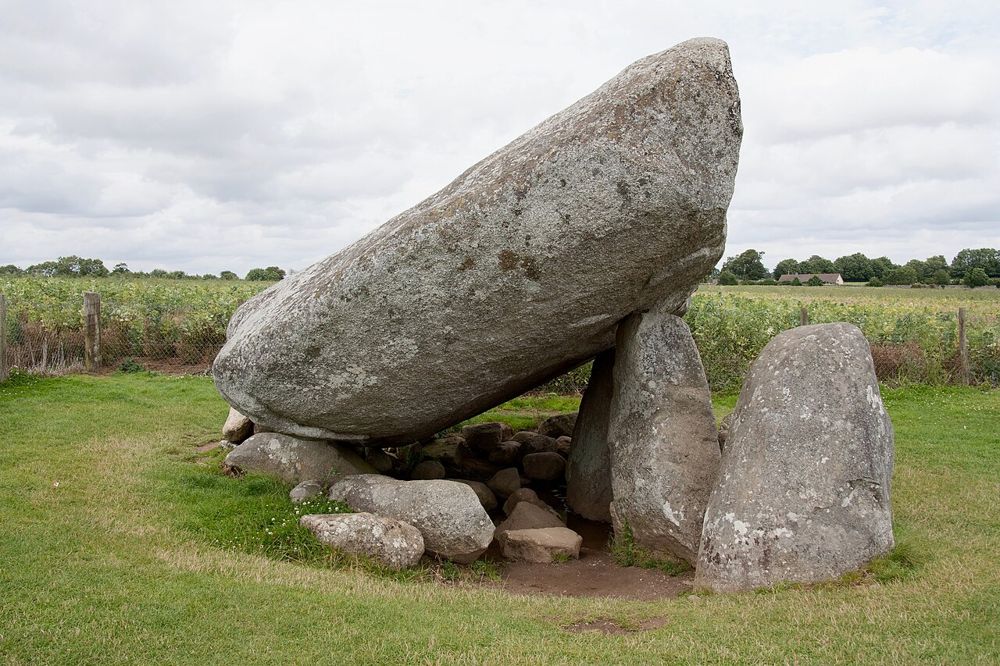
The huge capstone and supporting stones of Brownshill Dolmen
The huge capstone and supporting stones of Brownshill Dolmen. Resized from credited source. Photo: Elliot Tucker ↗ · CC BY-SA 4.0

heritage

Brownshill Dolmen

Brownshill is one of those stops that becomes more impressive as you get closer. From the road it can read as a low group of stones; beside it, the enormous sloping capstone changes the scale. The useful…

Open place page →
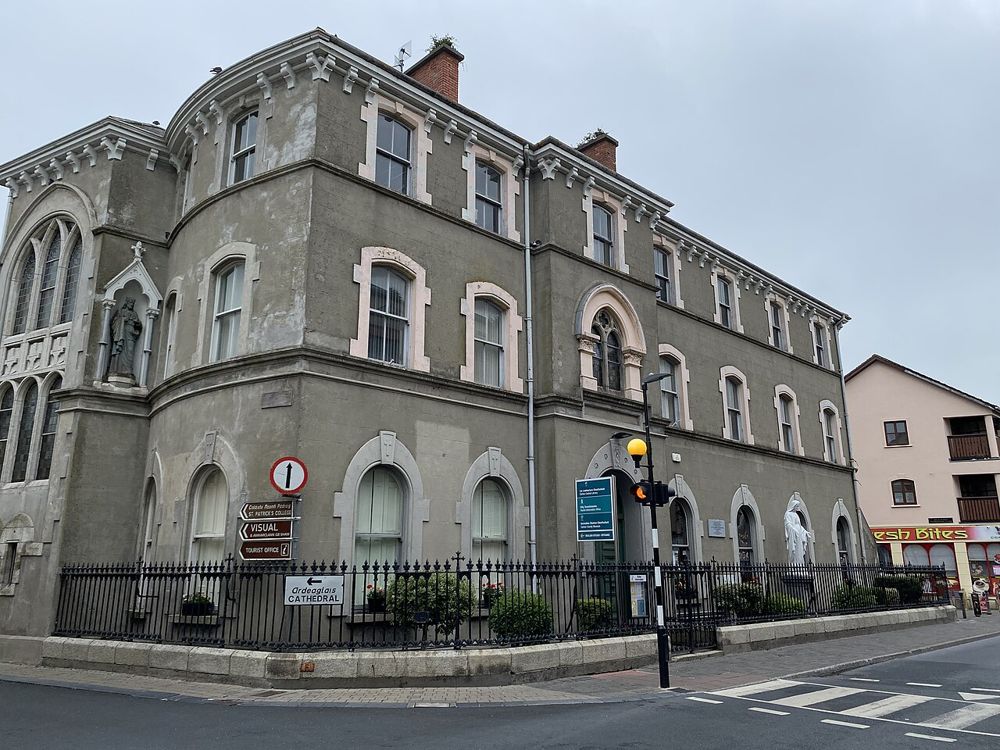
The exterior of Carlow County Museum
The exterior of Carlow County Museum. Resized from the credited source photograph; conditions and access may have changed. Photo: 瑞丽江的河水 ↗ · CC BY-SA 4.0

attraction

Carlow County Museum

The County Museum is a useful answer to the question of what Carlow adds beyond a few scattered ruins. Its objects pull the county’s religious, working and political history into one manageable indoor visit.…

Open place page →
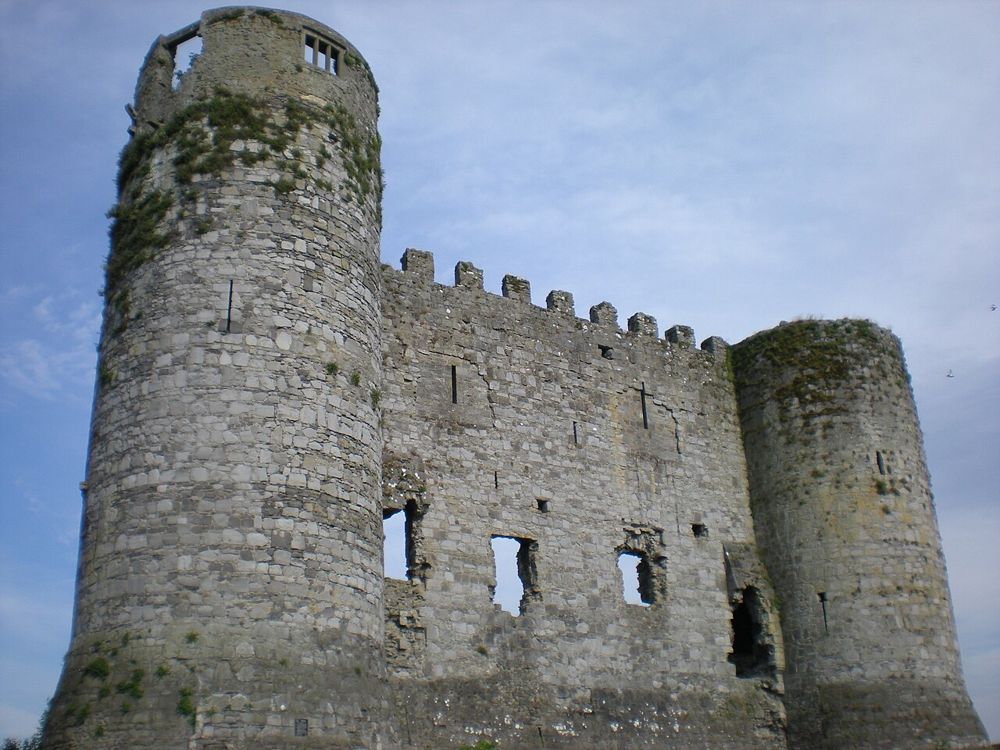
The surviving wall and towers of Carlow Castle
The surviving wall and towers of Carlow Castle. Resized from the credited source photograph; conditions and access may have changed. Photo: Age Bosma ↗ · CC BY-SA 3.0

heritage

Carlow Castle

Carlow Castle is a fragment with presence: a tall surviving wall and rounded towers beside the Barrow, rather than a complete building you can explore room by room. It is worth seeing on a town walk, provided…

Open place page →

External visitor reviews

Find the matching listing and reviews on Google Maps ↗

Part of a bigger journey

Location & access

Getting your bearings

This is an unguided historic place with uneven ground and fragile fabric. Respect current barriers, burial areas and the permitted approach; do not climb.

52.97936, -6.82537 · Reference point; confirm the correct entrance and access. Map © OpenStreetMap contributors.

Orientation only: a verified public entrance is not established by this pin. Use the operator arrival information before travel.

Sources & place context

Browse more Ireland places →