Skip to content
TheLazyNick

heritage · Wicklow

Baltinglass Abbey

Baltinglass Abbey occupies the east bank of the River Slaney near the town centre. Surviving church arcades, carved stone and traces of the cloister make the Cistercian foundation readable even in ruin. A visit rewards close attention to the building rather than an expectation of a staffed museum or reconstructed monastic rooms.

Add to planSaved trips & places

Saved on this browser. No account needed.

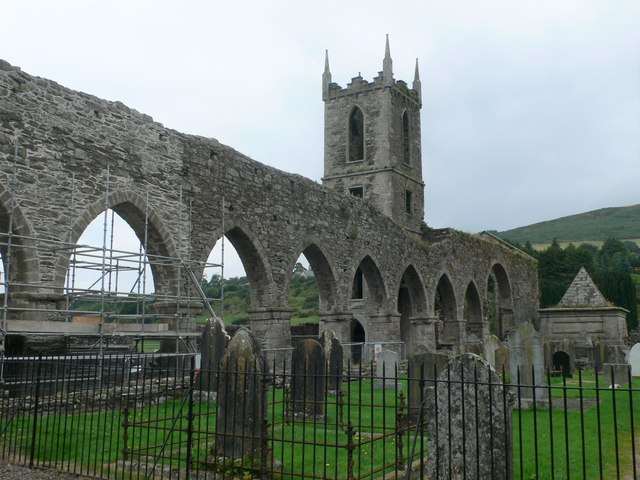
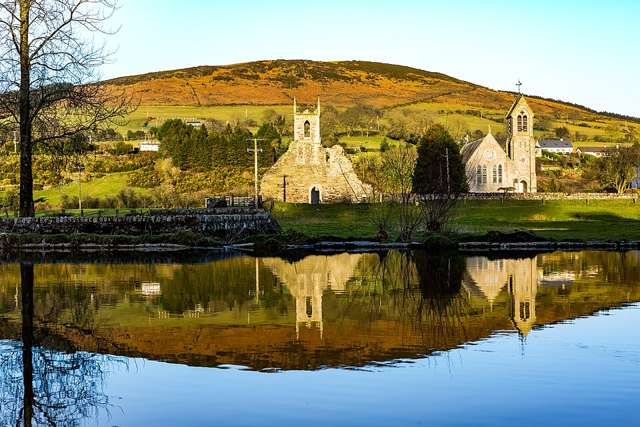
The church and abbey complex beside the River Slaney at Baltinglass
The church and abbey complex beside the River Slaney at Baltinglass. Resized for display. Photo: Digital Eye ↗ · CC BY-SA 4.0

From research

Is this worth your time?

Choose it for medieval architecture and an unhurried heritage stop in west Wicklow. The repeating arches offer an immediate visual focus, while the river and town help explain the setting. Leave time to look closely at the stonework instead of treating the abbey as a brief roadside photograph.

Know before you book: The abbey is a historic ruin in a churchyard setting. Follow local access notices, respect graves and avoid climbing masonry or entering any restricted part of the site.

Place highlights

What you will actually see

01

Nave arcades

The Gothic arches and alternating pillar forms are a principal feature of the church remains. Look along the surviving rhythm of the nave to recover a sense of the building’s former length, rather than focusing only on an isolated carved detail.

02

Carved stone

The decorative work combines influences described by the county visitor service as Cistercian and Irish Romanesque. Compare the treatment of openings, capitals and other surviving fragments from the permitted route, keeping hands and climbing away from vulnerable surfaces.

03

River setting

The east-bank position beside the Slaney helps connect the church with the practical landscape of monastic life. A town walk can complement the ruin, while the surviving traces of the cloister suggest that the original community occupied more than the church alone.

The story behind the visit

The story behind the place

Founded in 1148 by Diarmait Mac Murchada, Baltinglass was a Cistercian house associated with monks from Mellifont. The religious community occupied a much wider working complex than the surviving church alone suggests. The county heritage account connects the river with water supply and milling, reminding visitors that a monastery depended on land, labour and practical infrastructure as well as worship. Source ↗

The surviving arcades and carved features provide an architectural starting point, while a new county-supported heritage guide offers a more detailed account of the abbey. Use those remains to ask how spaces were divided and used, rather than assuming the present ruin reproduces its medieval appearance exactly. Later use, loss and conservation are also part of what is visible in the churchyard today. The visible fragments invite comparison: a wall line, an opening and a carved capital each preserve different kinds of information about the community and the people who built for it. Source ↗

Visitor information

Tickets, timing and access

Opening
Unguided outdoor monument: visit in daylight and follow current local notices.Confirm with the operator ↗
Admission
Check current site arrangements; no staffed visitor-centre experience is included in this plan.Confirm with the operator ↗
Booking
No regular guided departure is advertised. Arrange organised group or specialist visits separately.Confirm with the operator ↗
Access
Use the churchyard’s permitted routes. Historic stonework and uneven ground require care; no universal step-free route is promised.Confirm with the operator ↗
Duration
Allow 30–45 minutes, depending on conditions and interest.Confirm with the operator ↗
Seasonal
Exposed outdoor remains can be wet or slippery. Short winter daylight calls for a flexible plan.Confirm with the operator ↗

Getting to the entrance

The abbey is on Church Lane, on the east bank of the Slaney at the north side of Baltinglass town. Official visitor information ↗

Your questions, answered

Confirm current access and visitor arrangements with the operator.

Can I explore independently?

This is an unguided visit. Stay within the access permitted by current signs and barriers. Source ↗

Can I enter every structure?

Closed areas and upper levels may be restricted. Follow current signs and do not enter private land beyond the published approach. Source ↗

Nearby options

Nearby places to explore

Explore other places in the area, then use live directions to plan your journey.

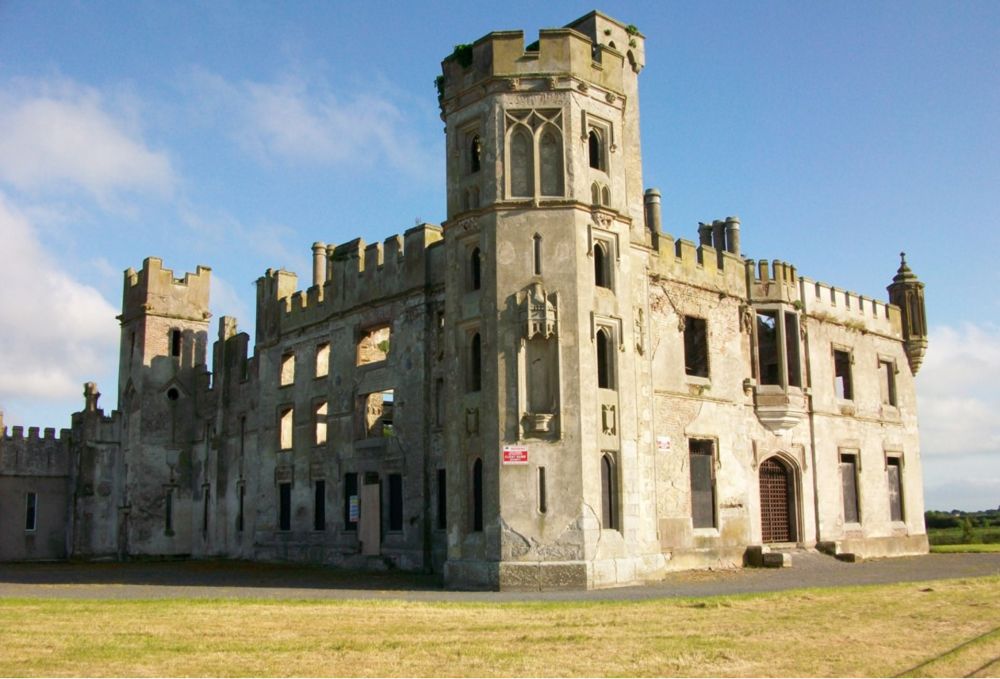
The ruined Gothic mansion at Duckett’s Grove
The ruined Gothic mansion at Duckett’s Grove. Resized from credited source. Photo: Irlandahijo ↗ · CC BY-SA 3.0

heritage

Duckett’s Grove

Duckett’s Grove is all silhouette: turrets, tall windows and a mansion that looks more medieval than its history actually is. The ruined house makes the first impression, but the restored walled gardens give…

Open place page →
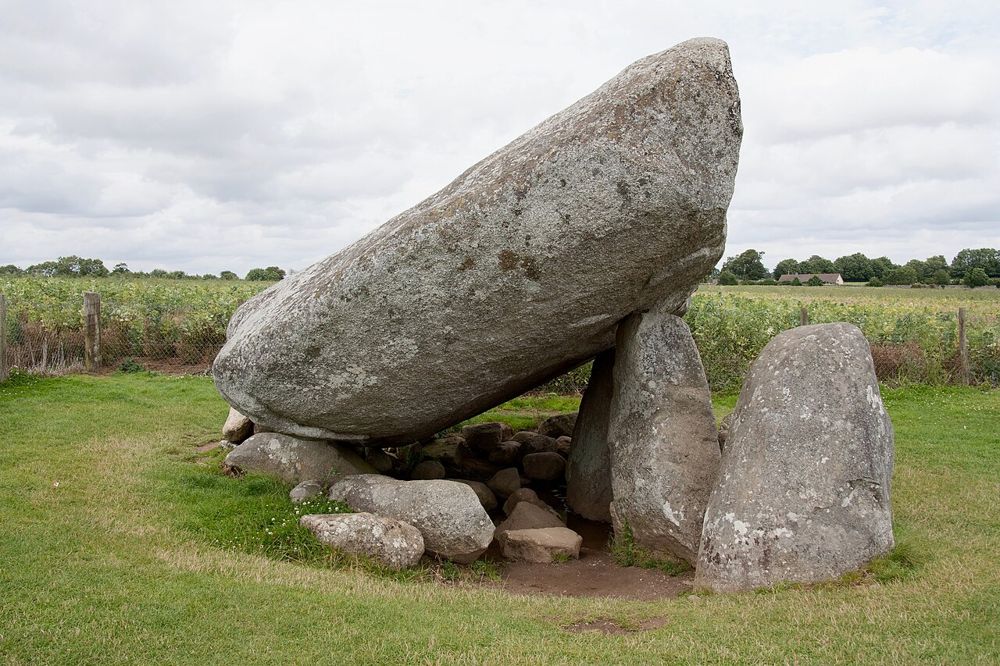
The huge capstone and supporting stones of Brownshill Dolmen
The huge capstone and supporting stones of Brownshill Dolmen. Resized from credited source. Photo: Elliot Tucker ↗ · CC BY-SA 4.0

heritage

Brownshill Dolmen

Brownshill is one of those stops that becomes more impressive as you get closer. From the road it can read as a low group of stones; beside it, the enormous sloping capstone changes the scale. The useful…

Open place page →
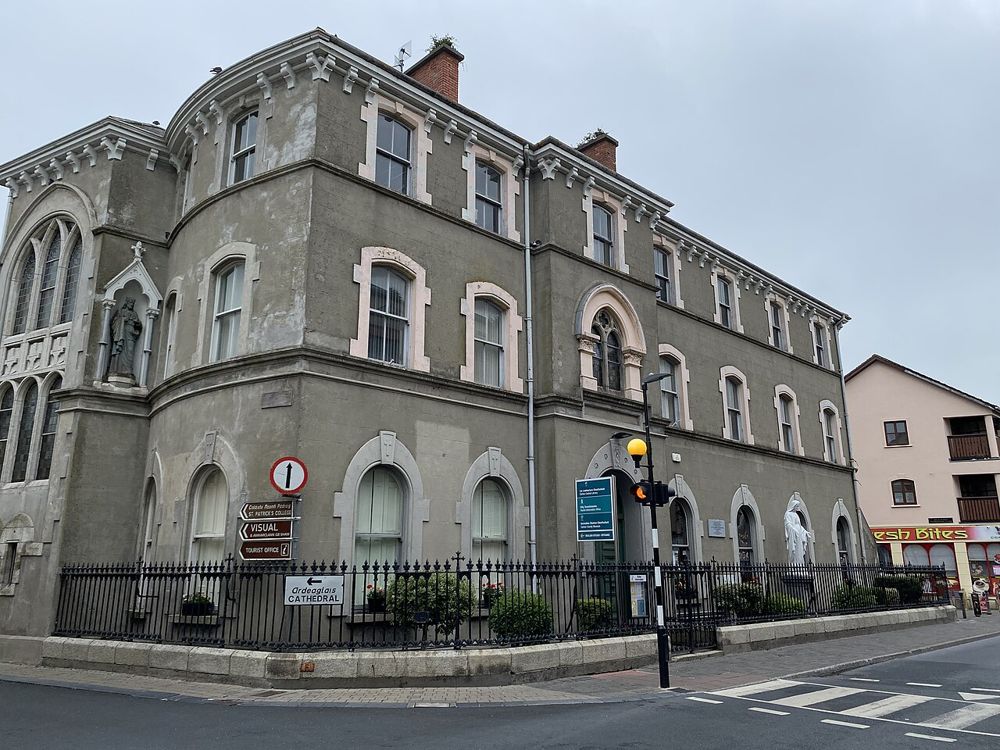
The exterior of Carlow County Museum
The exterior of Carlow County Museum. Resized from the credited source photograph; conditions and access may have changed. Photo: 瑞丽江的河水 ↗ · CC BY-SA 4.0

attraction

Carlow County Museum

The County Museum is a useful answer to the question of what Carlow adds beyond a few scattered ruins. Its objects pull the county’s religious, working and political history into one manageable indoor visit.…

Open place page →
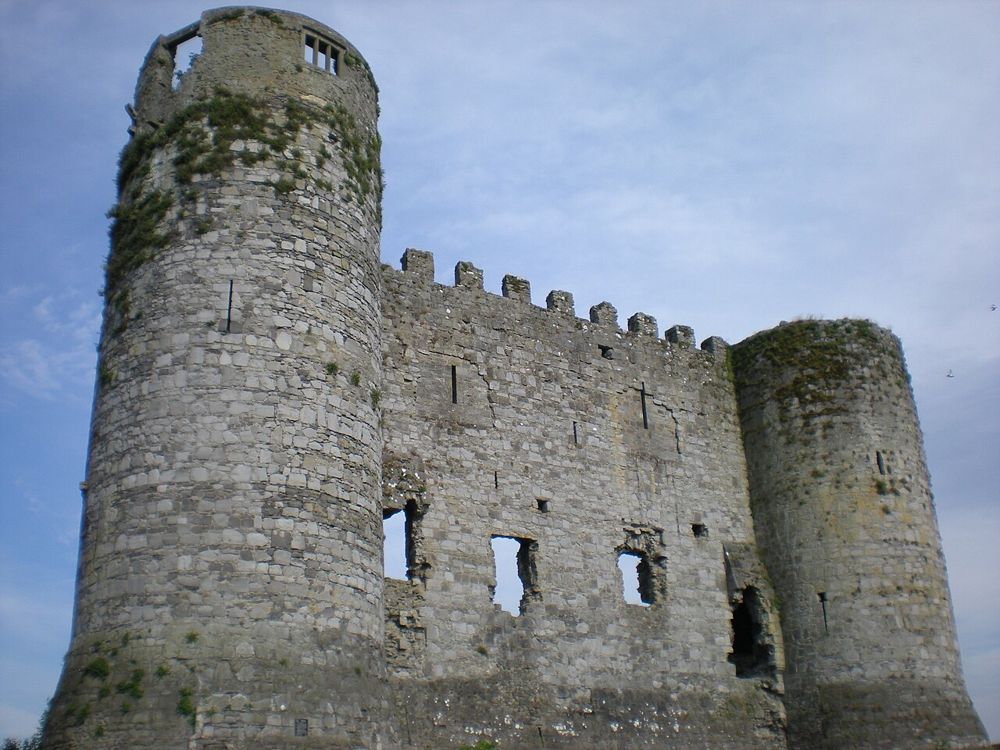
The surviving wall and towers of Carlow Castle
The surviving wall and towers of Carlow Castle. Resized from the credited source photograph; conditions and access may have changed. Photo: Age Bosma ↗ · CC BY-SA 3.0

heritage

Carlow Castle

Carlow Castle is a fragment with presence: a tall surviving wall and rounded towers beside the Barrow, rather than a complete building you can explore room by room. It is worth seeing on a town walk, provided…

Open place page →
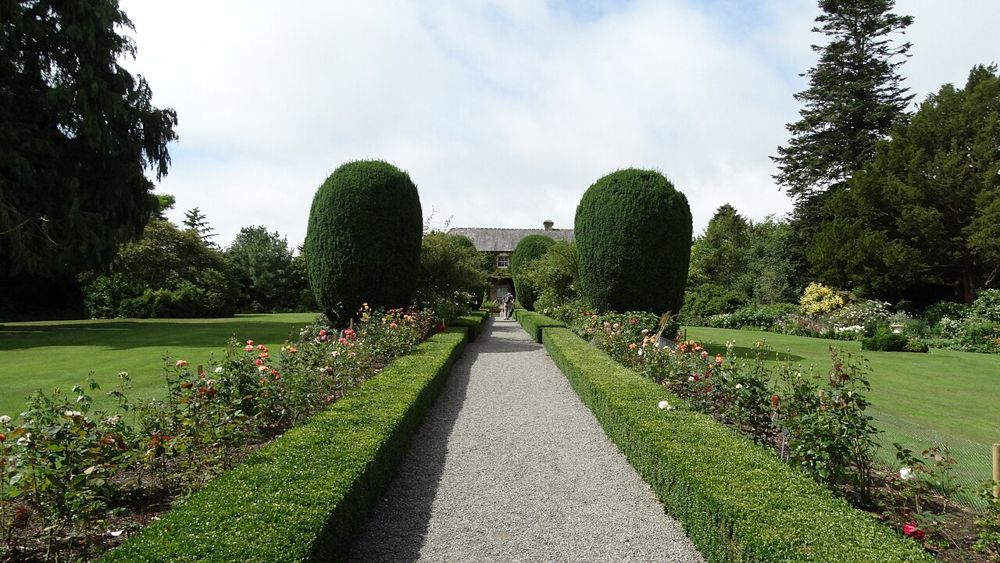
A gravel path leading towards the house through Altamont Gardens
A gravel path leading towards the house through Altamont Gardens. Resized from credited source. Photo: Colin Park ↗ · CC BY-SA 2.0

nature

Altamont Gardens

Altamont is a garden for wandering rather than ticking off a grand house. Formal planting gives way to a lake, mature trees and a more enclosed glen towards the Slaney. That shift is the pleasure: you can have…

Open place page →

External visitor reviews

Find the matching listing and reviews on Google Maps ↗

Part of a bigger journey

Location & access

Getting your bearings

The abbey is a historic ruin in a churchyard setting. Follow local access notices, respect graves and avoid climbing masonry or entering any restricted part of the site.

52.94373, -6.71037 · Reference point; confirm the correct entrance and access. Map © OpenStreetMap contributors.

Orientation only: a verified public entrance is not established by this pin. Use the operator arrival information before travel.

Sources & place context

Browse more Ireland places →