From research
Is this worth your time?
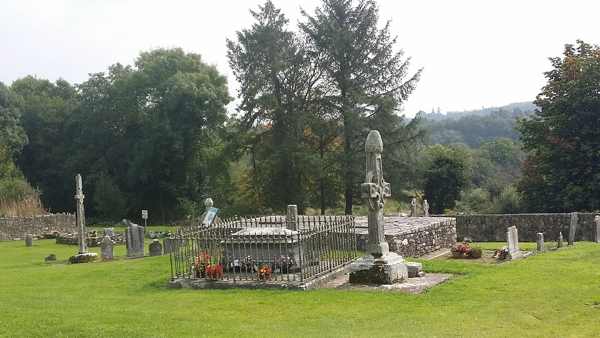
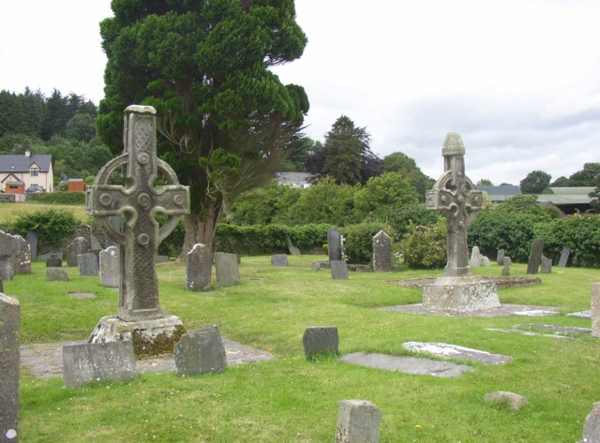
Choose Kilkieran if you want to see variety within one group of early Irish stone crosses. The differences in shape, ornament and scale make a useful alternative to concentrating on a single celebrated sculpture. Move slowly between permitted viewpoints, allowing details to emerge without expecting every cross to carry the same imagery or degree of decoration.
Know before you book: This is an unguided monument setting. Weathered patterns can be difficult to read, and a fragment associated with the site is not necessarily present among the standing crosses.
The story behind the visit
The story behind the place
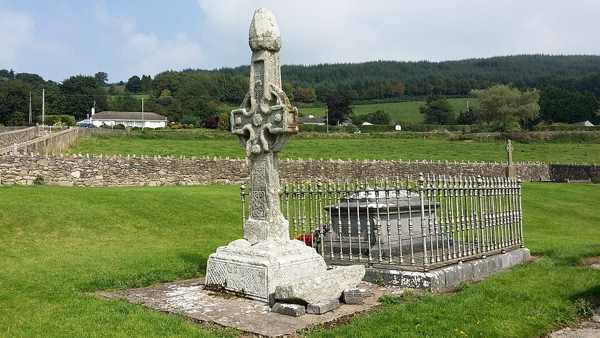
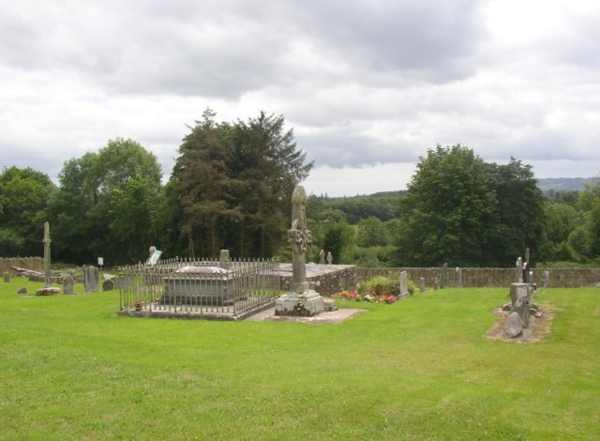
Kilkieran belongs to the group commonly called the Ossory crosses, together with Ahenny, Killamery and Kilree. The Office of Public Works places the crosses in the early medieval period and relates them to a wider regional tradition. Shared features connect the monuments, but Kilkieran also demonstrates variation within that tradition. A ringed cross, a tall unringed form and plainer examples create a small group in which differences can be appreciated directly rather than imagined from photographs of distant sites. Source ↗
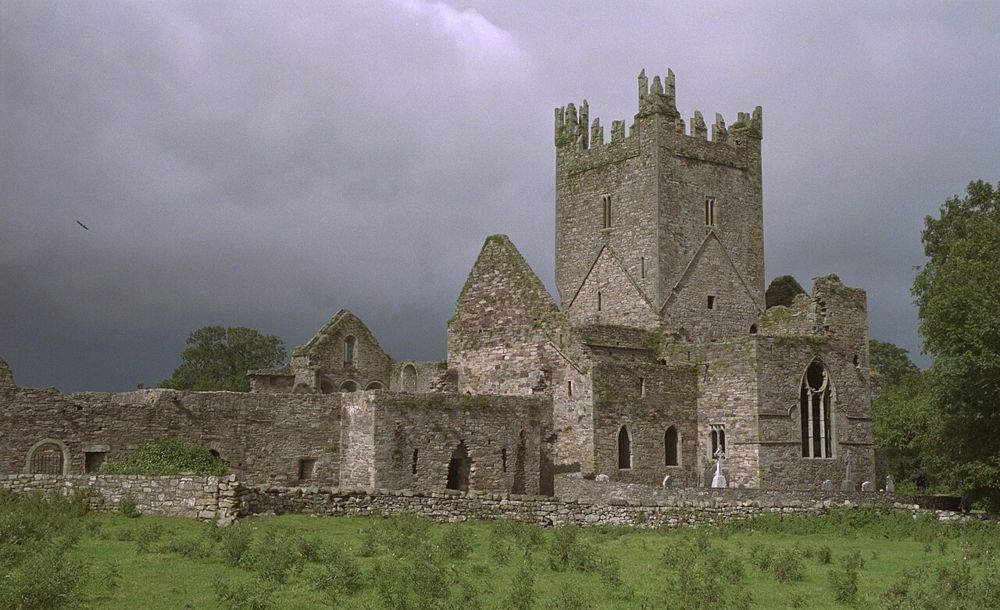
The carving combines abstract ornament with occasional figures, including riders identified on the base of the west cross. Some fragments were later reused, adding another stage to their history after the original monuments had ceased to be complete. The movement of an associated head to Jerpoint Abbey also means that the present group is not an untouched original arrangement of every surviving piece. Keeping that distinction clear helps explain why a graveyard can preserve both standing sculptures and evidence of loss or reuse. The visit rewards looking at what remains without trying to move, reunite or complete fragments physically. Source ↗