From research
Is this worth your time?
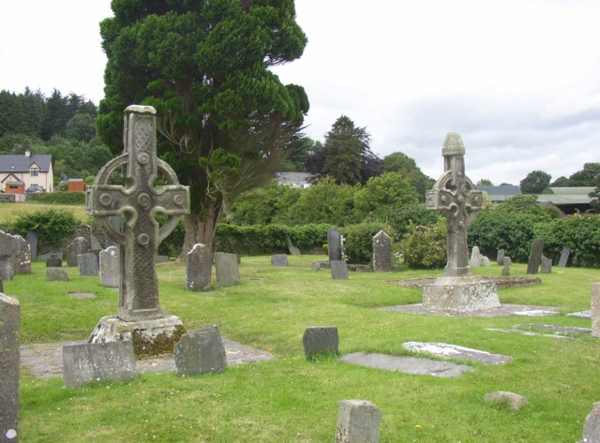
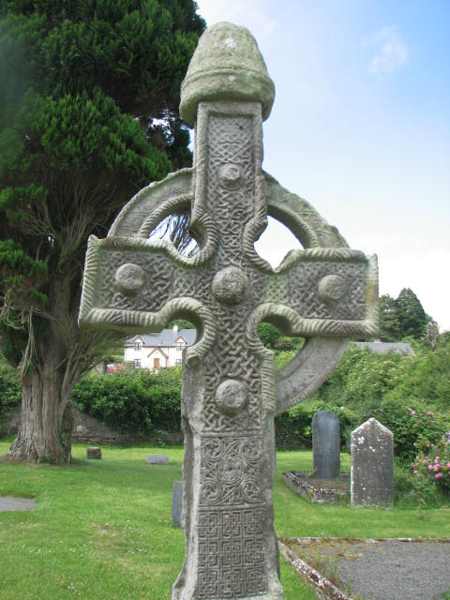
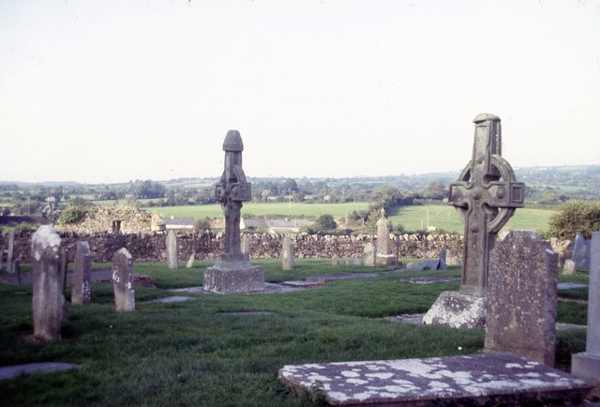
Choose Ahenny if early Irish sculpture interests you and you enjoy comparing details. The two crosses work especially well as a pair: their overall forms initially look related, but the bases, capstones and patterns offer differences to explore. Allow enough time to walk around each from permitted ground without disturbing graves or services.
Know before you book: This is an outdoor monument setting rather than a staffed museum. Weathering makes some figures difficult to identify, and interpretation of a worn scene is not always certain.
The story behind the visit
The story behind the place
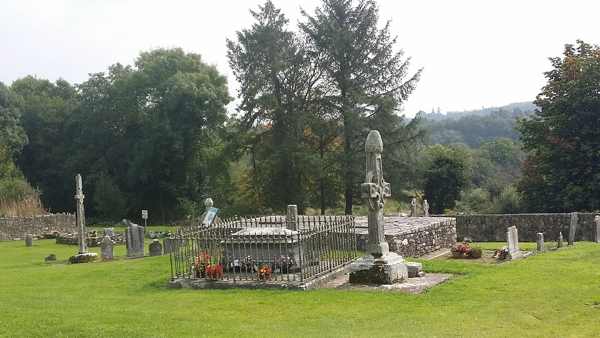
The Ahenny crosses belong to the group commonly described as the Ossory crosses, alongside examples at Kilkieran, Killamery and Kilree. The Office of Public Works places the pair in the eighth century and identifies their location within the monastic site of Kilclispen. Their importance comes not simply from age but from the richness of their carved design. Stone forms preserve an artistic vocabulary also associated with other materials, showing how a prominent Christian monument could combine structure, ornament and narrative in one carefully worked surface. Source ↗
The two bases include figures and processions, while the upper parts carry intricate patterns. The official interpretation offers possible readings involving familiar biblical subjects, but erosion limits what can be securely recognised in every panel. That uncertainty is part of looking at a long-exposed monument rather than a defect to be corrected by guesswork. Compare how each face is organised, then step back to see how the imagery relates to the complete cross. The surrounding graveyard also places these early sculptures within a much longer history of remembrance and continued care for the site. Source ↗