The story behind the visit
The story behind the place
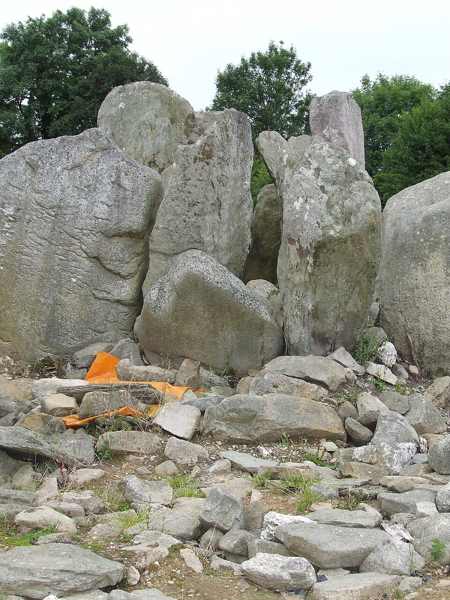
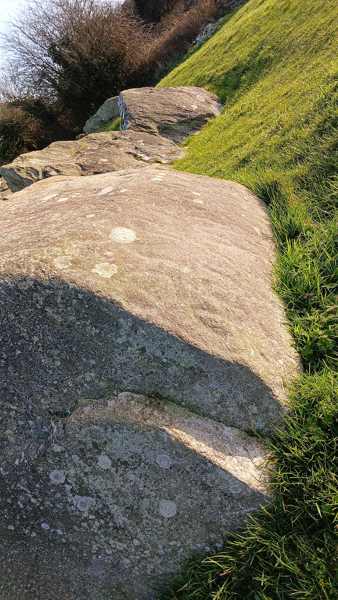
OPW dates Knockroe to approximately 3000 BC and records more than thirty decorated stones across its chambers and kerb. Excavation revealed cremated human remains and objects interpreted as grave goods, including pottery and worked bone. These findings help explain the burial context, but they are not all on display at the site. The visible monument is one part of a larger body of archaeological evidence, so interpretation is important alongside simply looking at surviving stones. Source ↗
The two tombs have midwinter solar alignments, while conservation following excavation has reinstated and stabilised parts of the cairn. Keep those different kinds of information separate: an alignment describes a relationship with the sun, conservation describes modern care, and neither guarantees a particular visitor experience. Weather, light and current access arrangements govern what can be seen. The site’s importance also rests in its art, burial evidence and regional setting, all of which can reward a careful visit without a crowded solstice event or entry beyond the permitted route. Source ↗