From research
Is this worth your time?
Choose Kildemock if you like places where a physical feature and a local story can be considered side by side. Look first at the surviving plan, then read the tradition with that evidence in mind. The ruin rewards a thoughtful short stop without needing an exhibition, an interior performance or a dramatic reconstruction of the legend.
Know before you book: Loose masonry and the burial setting require care. The story does not make climbing the gable, entering an unstable gap or disturbing graves appropriate.
The story behind the visit
The story behind the place
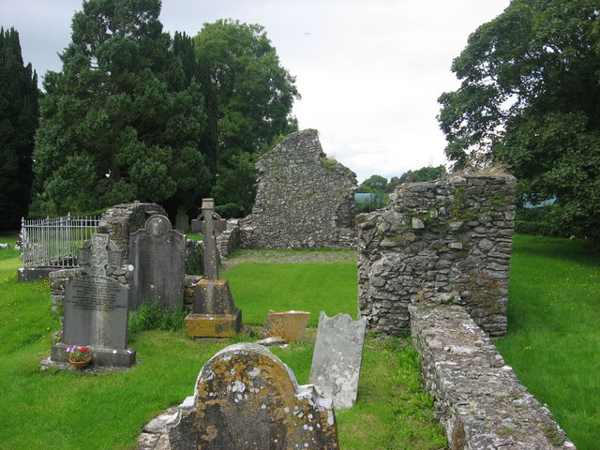
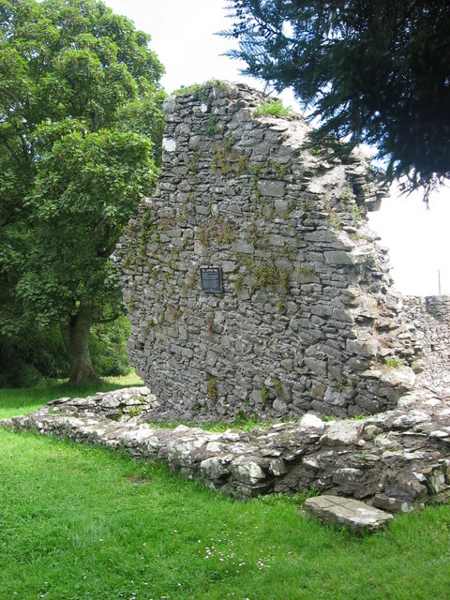
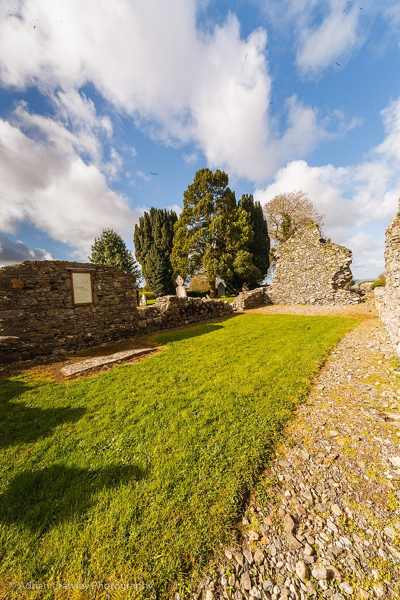
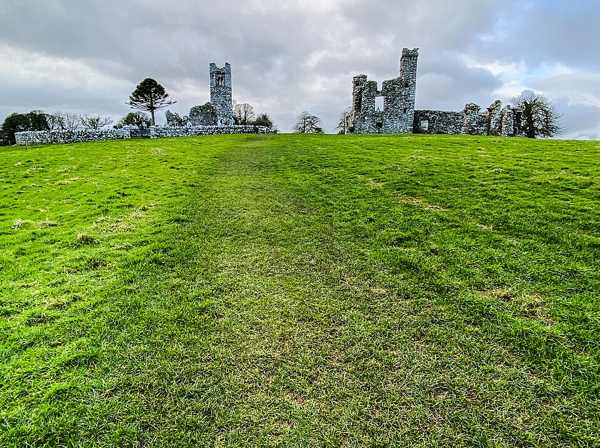
The national visitor description dates the standing church ruin to the fourteenth century and notes carved stones from an earlier medieval phase. The site’s celebrated name comes from a tradition that the west gable moved inward to exclude the burial of an excommunicated person. The tale gives the ruin a memorable identity, but the present position of a wall does not by itself establish how or why it moved. A useful visit keeps that difference between observation and explanation in view. Source ↗
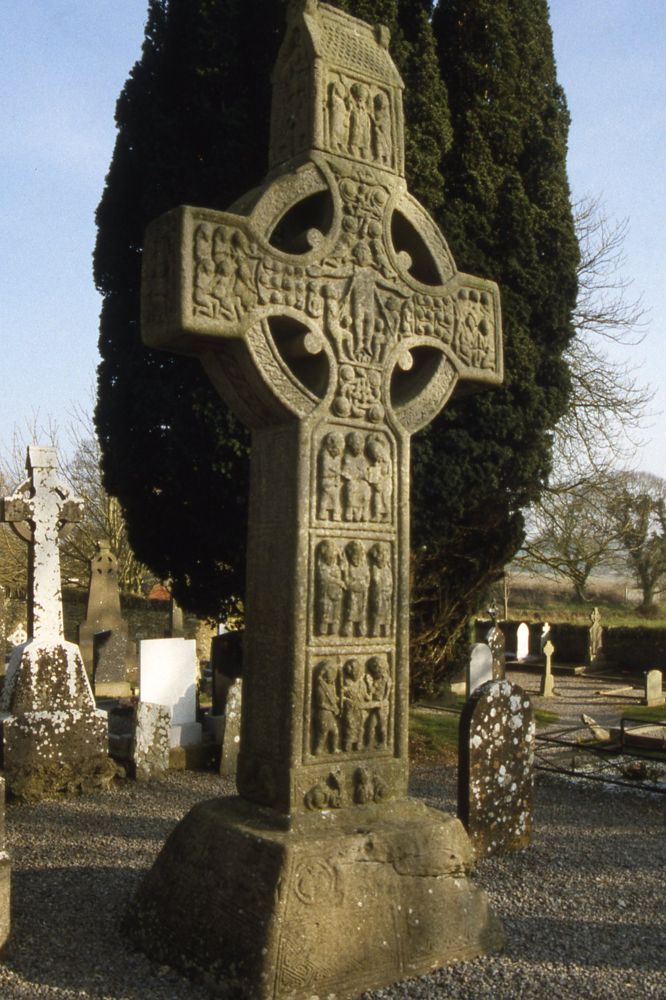
Kildemock also illustrates how a local story can shape the way a building is remembered long after its original use has ended. Visitors may arrive looking only for the jumping wall, yet the church’s plan and carved fragments belong to a broader religious and architectural history. Taking time to notice those remains prevents the monument from becoming merely the setting for an anecdote. At the same time, there is no need to dismiss the tradition to appreciate the physical site: folklore and archaeology ask different questions. Enjoy the relationship between them while leaving the masonry, graveyard and surviving surfaces undisturbed. Source ↗